In a testament to its relentless pursuit of expanding global broadband connectivity, SpaceX is gearing up for another critical launch in its Starlink satellite program. The company is scheduled to execute its final Starlink mission for the month of June on a Falcon 9 rocket from Vandenberg Space Force Base in California. This launch is part of SpaceX's ambitious plan to enhance its low Earth orbit constellation.
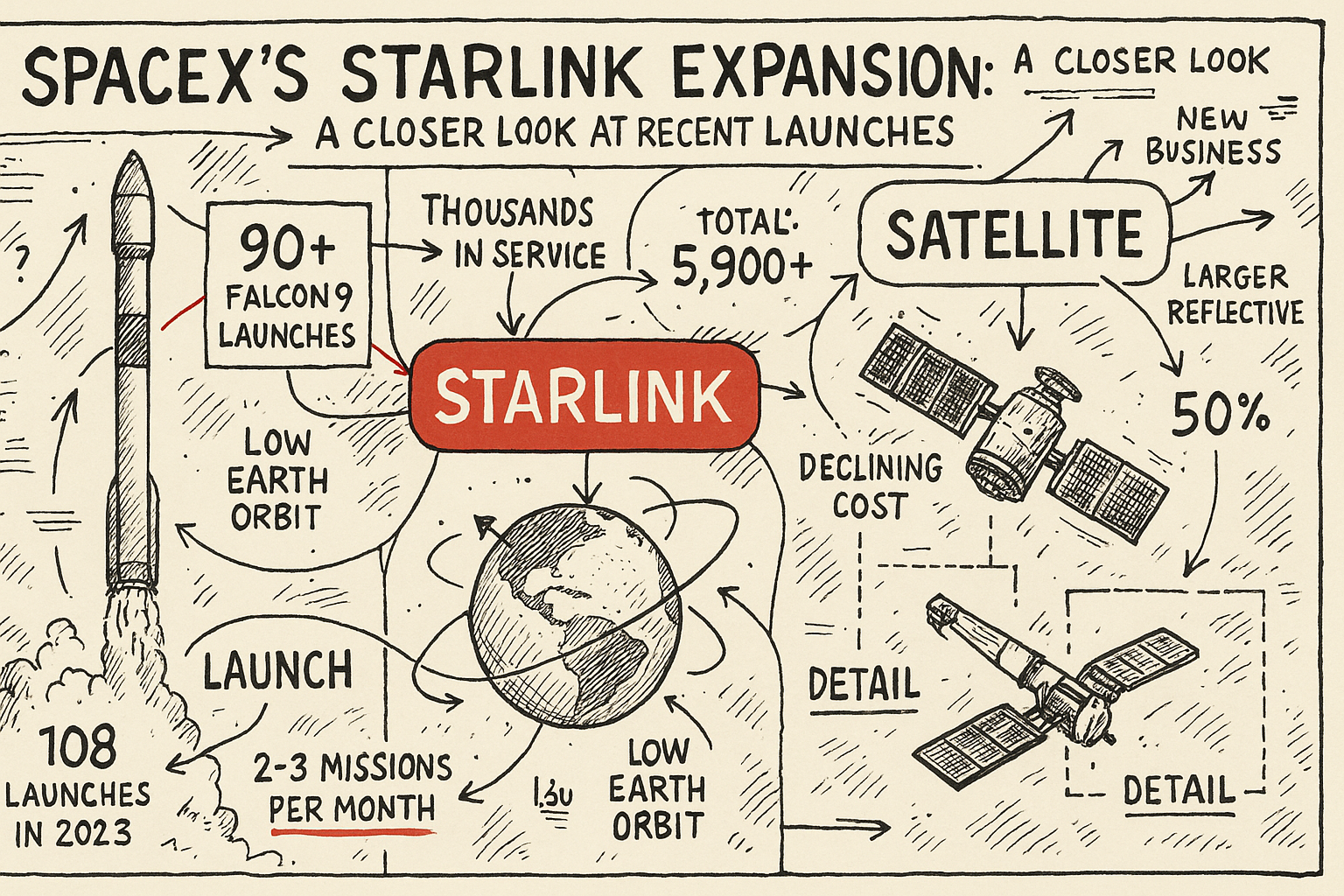
The upcoming mission, designated as Starlink 17-40, will deploy 24 additional broadband internet satellites into orbit. This will further bolster SpaceX's network, which currently boasts over 10,700 satellites, according to astronomical tracking by Jonathan McDowell. The strategic deployment of these satellites aims to improve global internet coverage, focusing on areas that traditionally lack reliable connectivity.
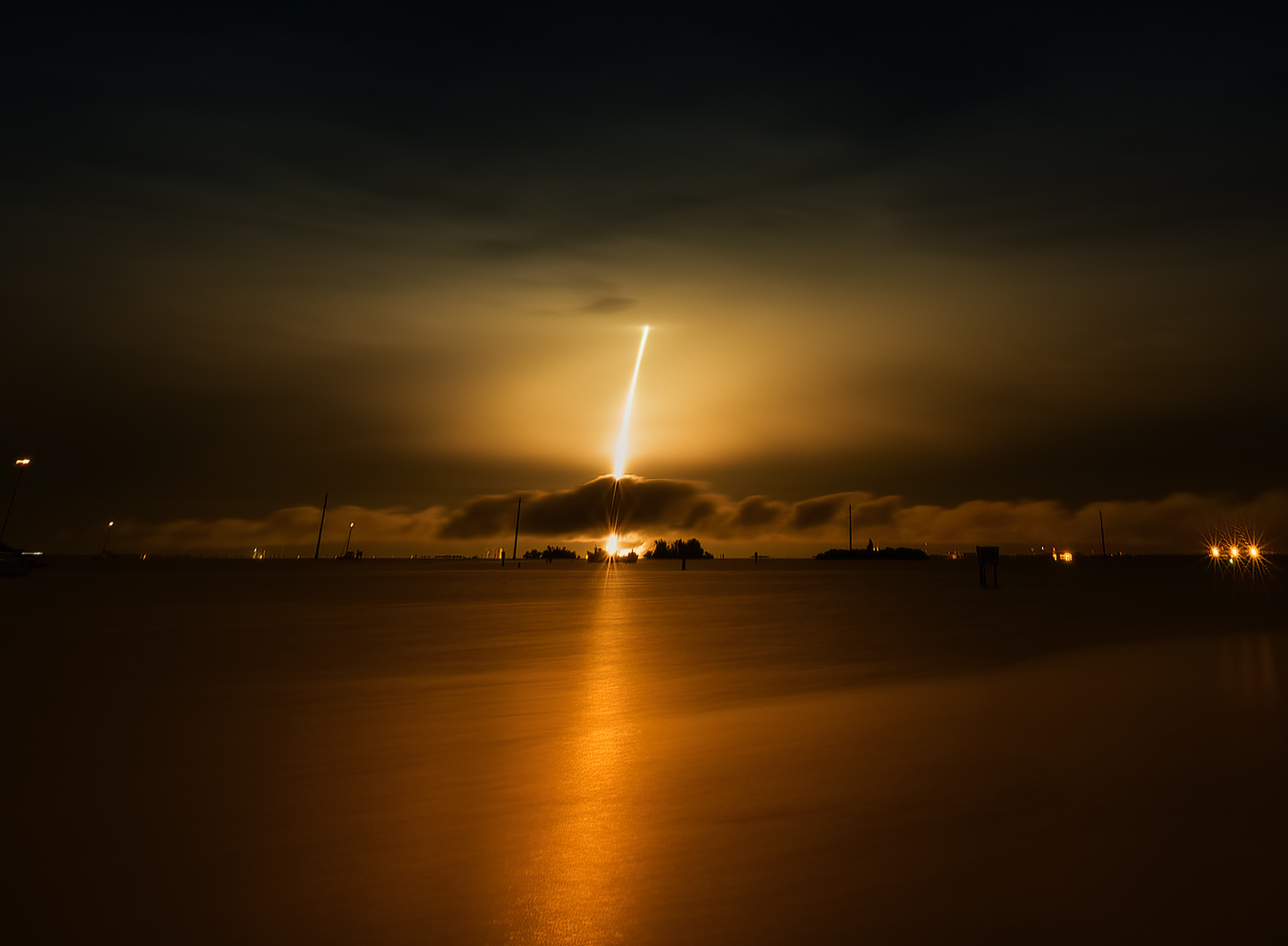
Liftoff for this mission is scheduled for 7:36 a.m. PDT (10:36 a.m. EDT / 1436 UTC), with the Falcon 9 rocket set to embark on a south-southwesterly trajectory. SpaceX's live coverage of the event will commence approximately 30 minutes before the launch, providing real-time updates and insights into the mission's progress.
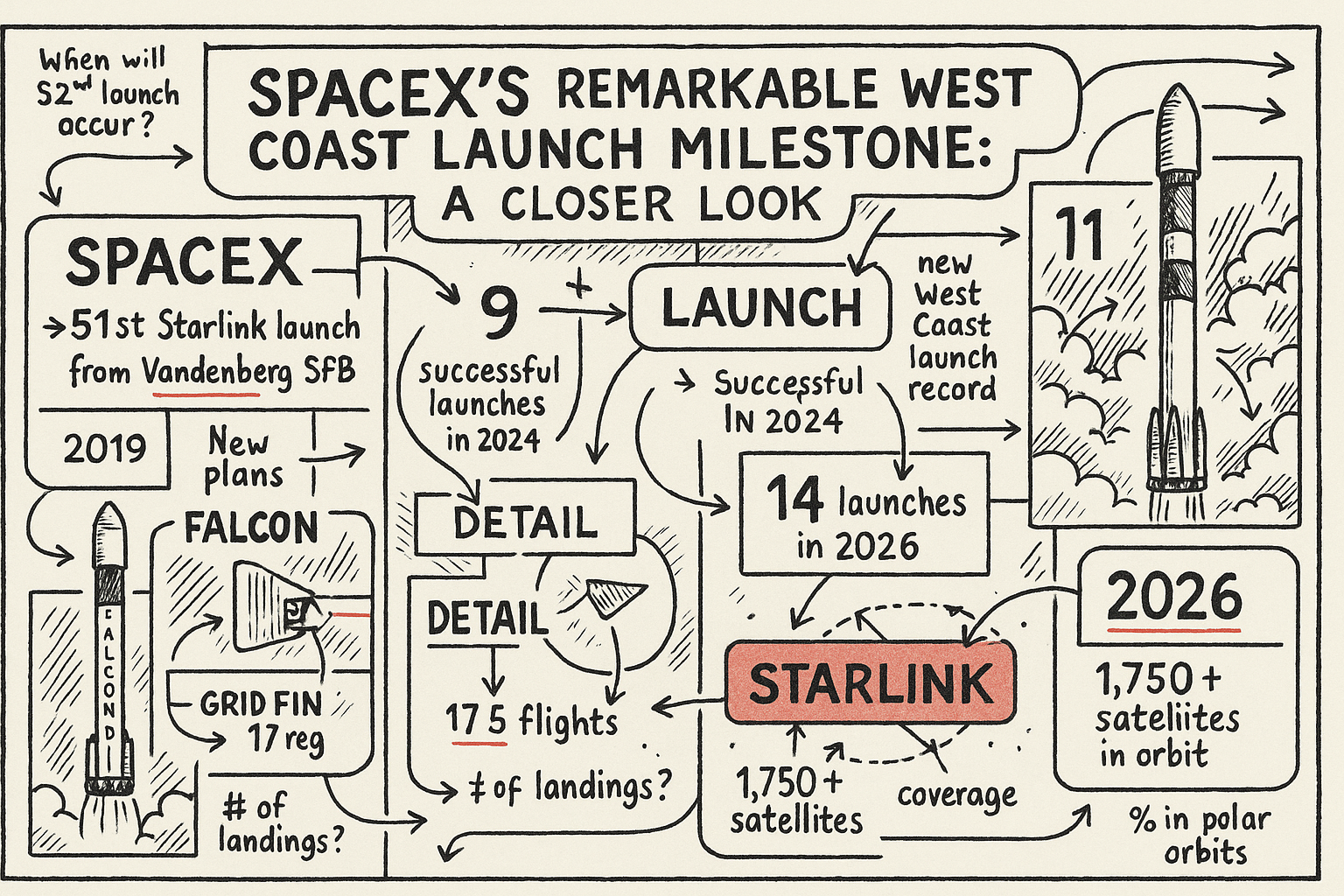
The Falcon 9 first stage booster designated for this mission, B1088, is a veteran of the skies. This launch will mark its 17th flight, having previously supported various missions, including NASA's SPHEREx, Transporter-12, and NROL-126. Post-launch, B1088 aims to achieve a targeted landing on the drone ship, ‘Of Course I Still Love You’, stationed in the Pacific Ocean. If successful, this will contribute to SpaceX's impressive record of 630 booster landings to date, with 206 of those on this specific vessel.
SpaceX's launch cadence illustrates its unwavering commitment to rapidly scaling its Starlink network. In the first half of 2026 alone, SpaceX's Falcon 9 rockets have launched 75 times, with 59 missions dedicated to Starlink. The breakdown of these launches per month demonstrates the company's strategic focus on maintaining a steady rhythm, crucial for achieving its long-term objectives.
For instance, in January, SpaceX conducted 13 launches, with 9 dedicated to Starlink. In February, the company executed 12 launches, 11 of which supported the Starlink constellation. The trend continued with 15 launches in March (13 Starlink), 11 in April (9 Starlink), and 11 in May (8 Starlink). Following the completion of the Starlink 17-40 mission, June will see a total of 13 launches, 10 of which are Starlink missions.
This aggressive launch schedule underscores SpaceX's commitment to its vision of a globally connected world. The continuous expansion of the Starlink network is a significant step toward providing high-speed internet access to underserved regions worldwide. This initiative not only holds promise for bridging the digital divide but also positions SpaceX as a key player in the burgeoning field of satellite internet services.
Looking forward, the implications of this expansion are vast. As SpaceX continues to increase its satellite count, the potential for improved global communication and data exchange grows exponentially. This development could catalyze advancements in various sectors, from education and healthcare to business and disaster response, particularly in remote and rural areas.
In summary, the upcoming Starlink 17-40 mission is more than just another launch; it is a critical component of SpaceX's broader strategy to democratize internet access globally. With each successful deployment, SpaceX not only reaffirms its technological prowess but also its commitment to shaping the future of global communication.