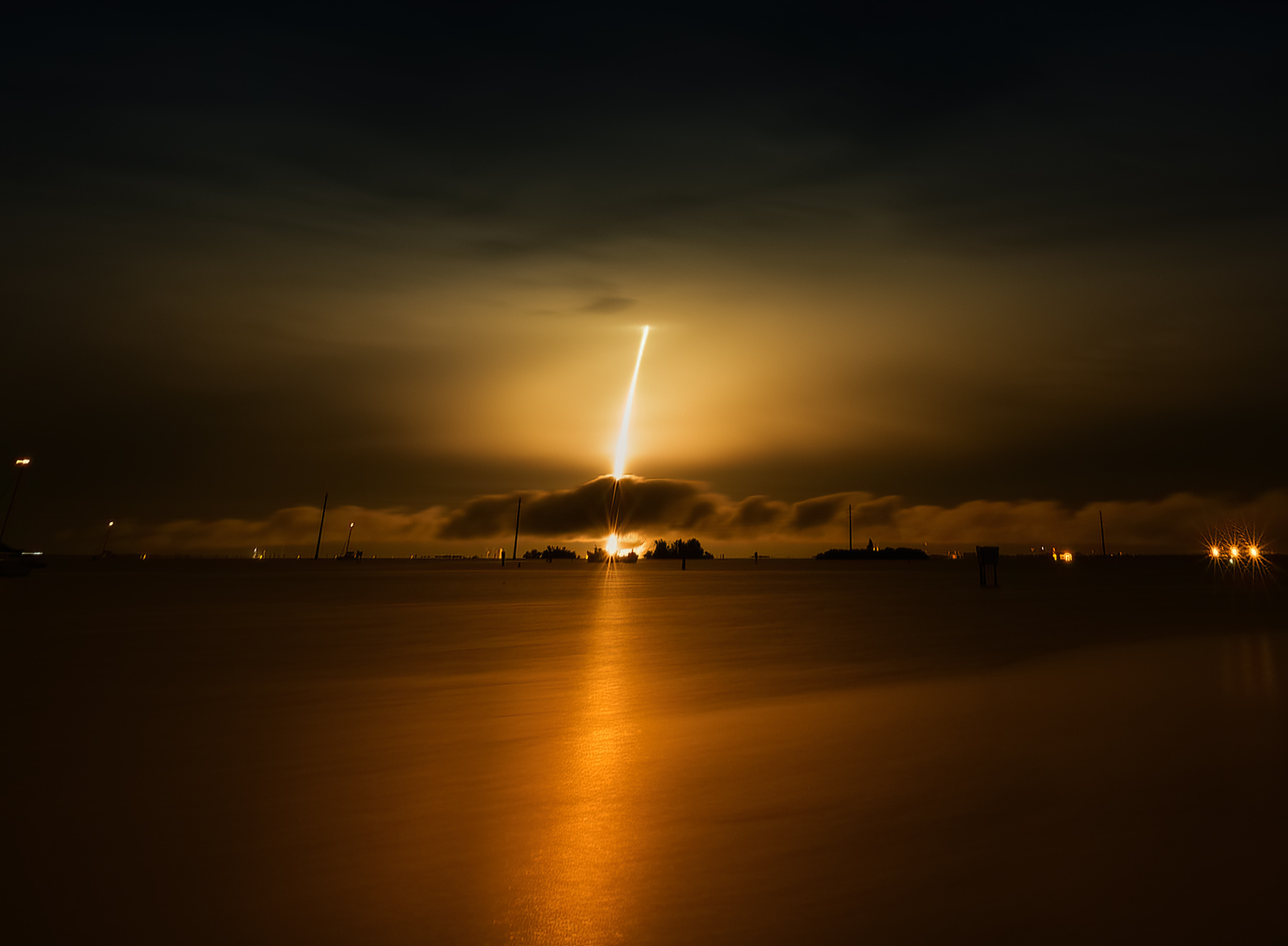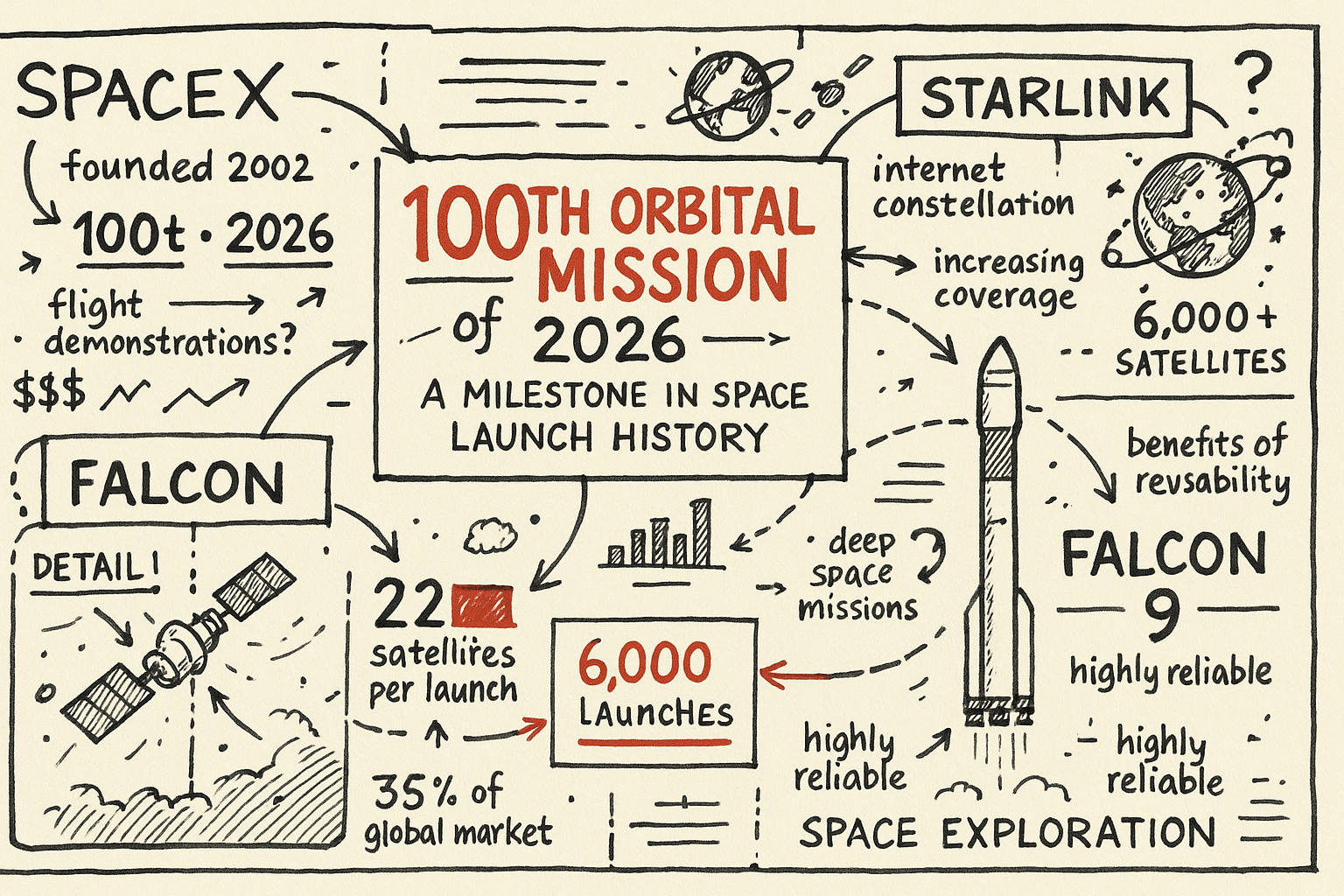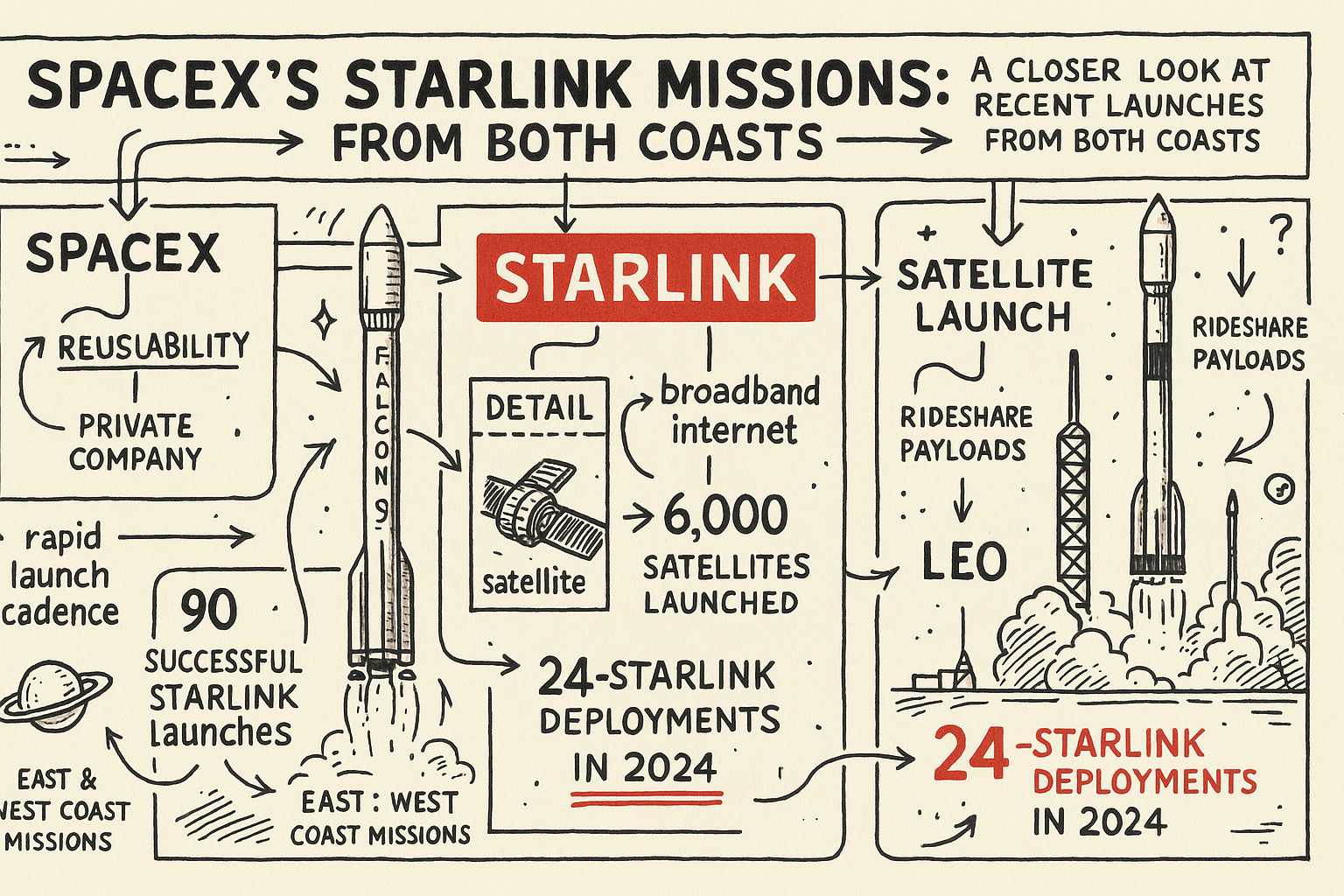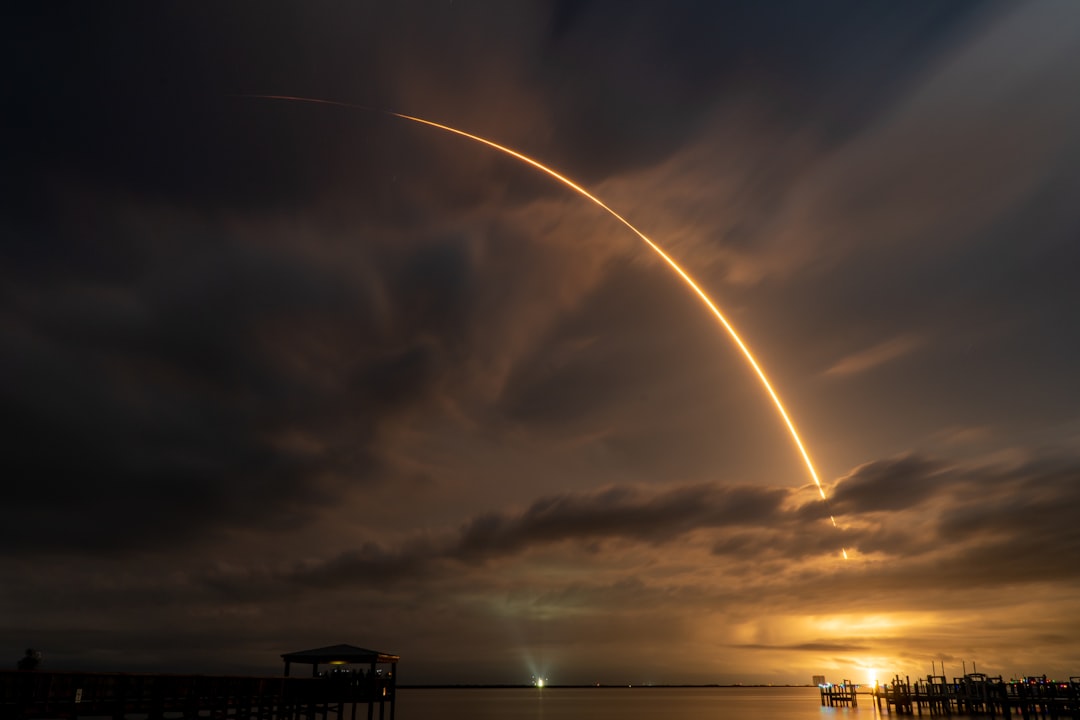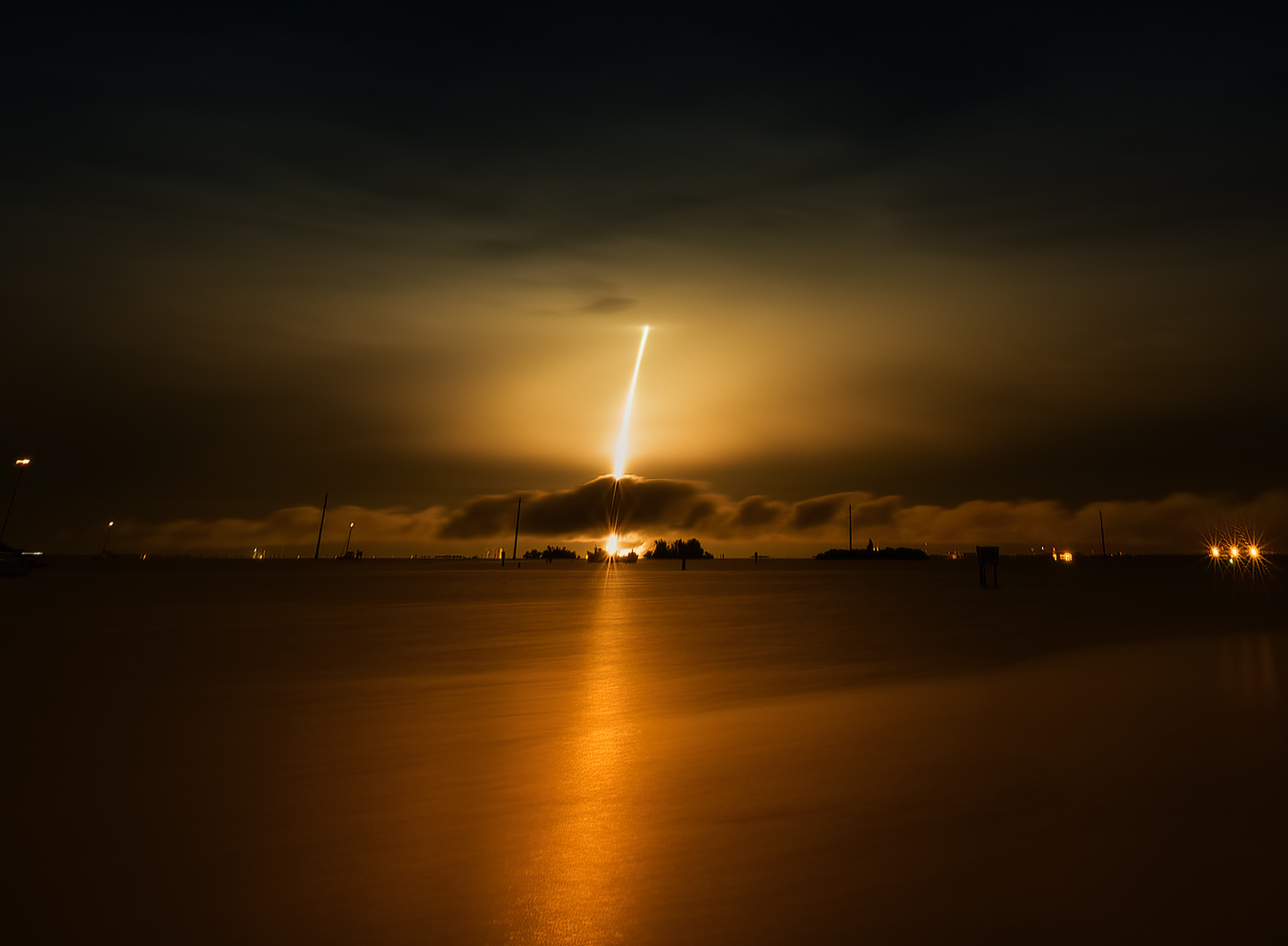
On August 8, 2026, SpaceX marked a significant milestone with its 50th launch from California this year, successfully deploying 24 Starlink satellites. The Falcon 9 rocket, carrying the satellites, lifted off from Vandenberg Space Force Base at 9:35 a.m. PDT (12:35 p.m. EDT / 1635 UTC), continuing a surge in West Coast launches aimed at expanding the company's Starlink internet constellation.
This launch underscores SpaceX's ongoing commitment to enhancing its global satellite internet services through its Starlink program. The latest mission, dubbed Starlink 17-38, saw the deployment of 24 satellites into orbit, further bolstering the network designed to provide high-speed internet access across the globe, including remote and underserved areas.
SpaceX's focus on West Coast launches has intensified in 2026, with the company achieving 50 launches from this region alone. This shift comes as SpaceX reallocates resources to prepare for upcoming Starship missions, reducing its East Coast launch frequency. The Starlink 17-38 mission highlights SpaceX's strategic emphasis on maintaining a robust launch schedule while managing resources for future endeavors.
The Falcon 9 rocket employed for this mission was equipped with booster B1093, a veteran of SpaceX's fleet since April 2025. B1093 has a storied history, having completed 15 missions prior to this launch, including deployments for the Space Development Agency and other Starlink missions. The booster took a south-south-westerly trajectory from Space Launch Complex 4E and successfully landed on the drone ship 'Of Course I Still Love You' stationed in the Pacific Ocean approximately eight minutes and 19 seconds post-liftoff.
SpaceX's strategy of reusing boosters like B1093 is a cornerstone of its cost-effective launch model, enabling the company to maintain a high launch cadence at reduced costs. This approach not only supports SpaceX's commercial operations but also facilitates the rapid expansion of the Starlink network.
This mission marks the 71st operational Starlink delivery of the year, reflecting the company's dedication to maintaining and expanding its satellite internet capabilities. As the demand for reliable internet connectivity grows, particularly in remote regions, SpaceX's ongoing launches are critical in meeting these global connectivity needs.
Looking ahead, SpaceX's focus on enhancing and deploying its Starlink constellation is poised to revolutionize internet access worldwide. By leveraging its reusable Falcon 9 rockets and strategic launch infrastructure on both coasts of the United States, SpaceX continues to push the boundaries of satellite deployment and internet accessibility.
As SpaceX prepares for future Starship missions, the success of its Falcon 9 launches remains a pivotal aspect of its operations. The company's ability to balance its existing commitments with preparations for next-generation space missions like Starship is a testament to its strategic foresight and operational efficiency.
In summary, SpaceX's 50th launch from California in 2026 not only signifies a remarkable achievement in its launch schedule but also reinforces its commitment to expanding the Starlink network and enhancing global connectivity.