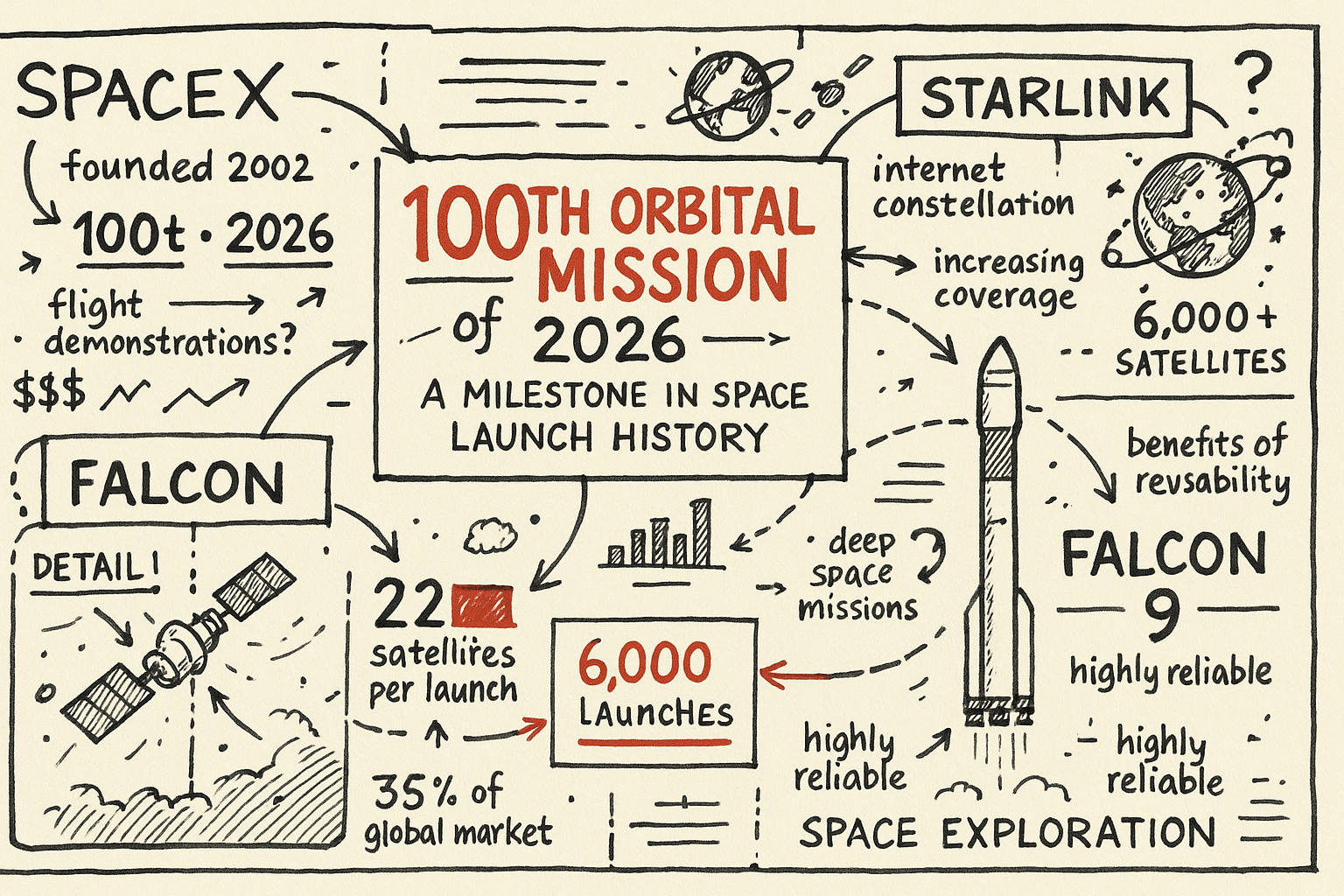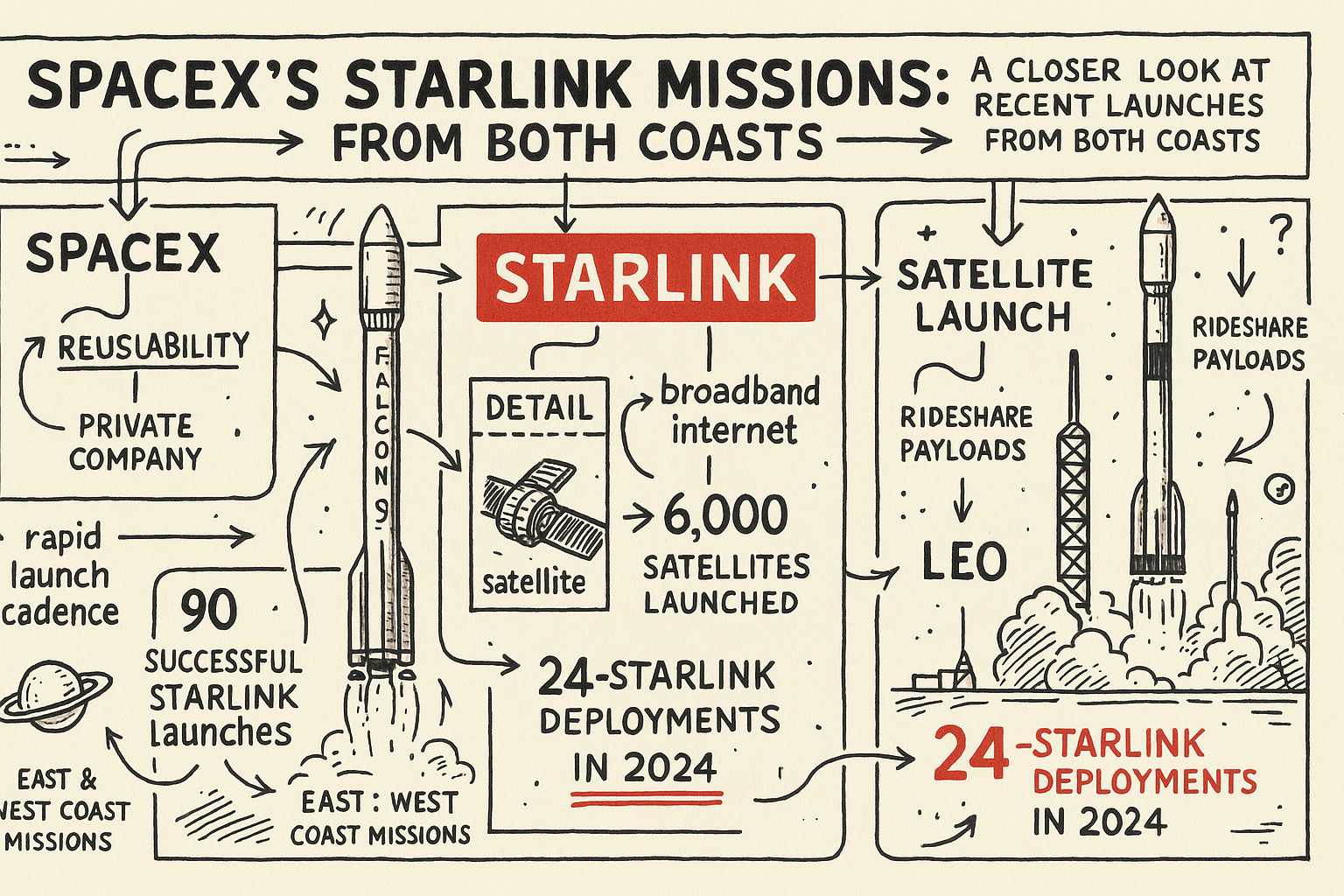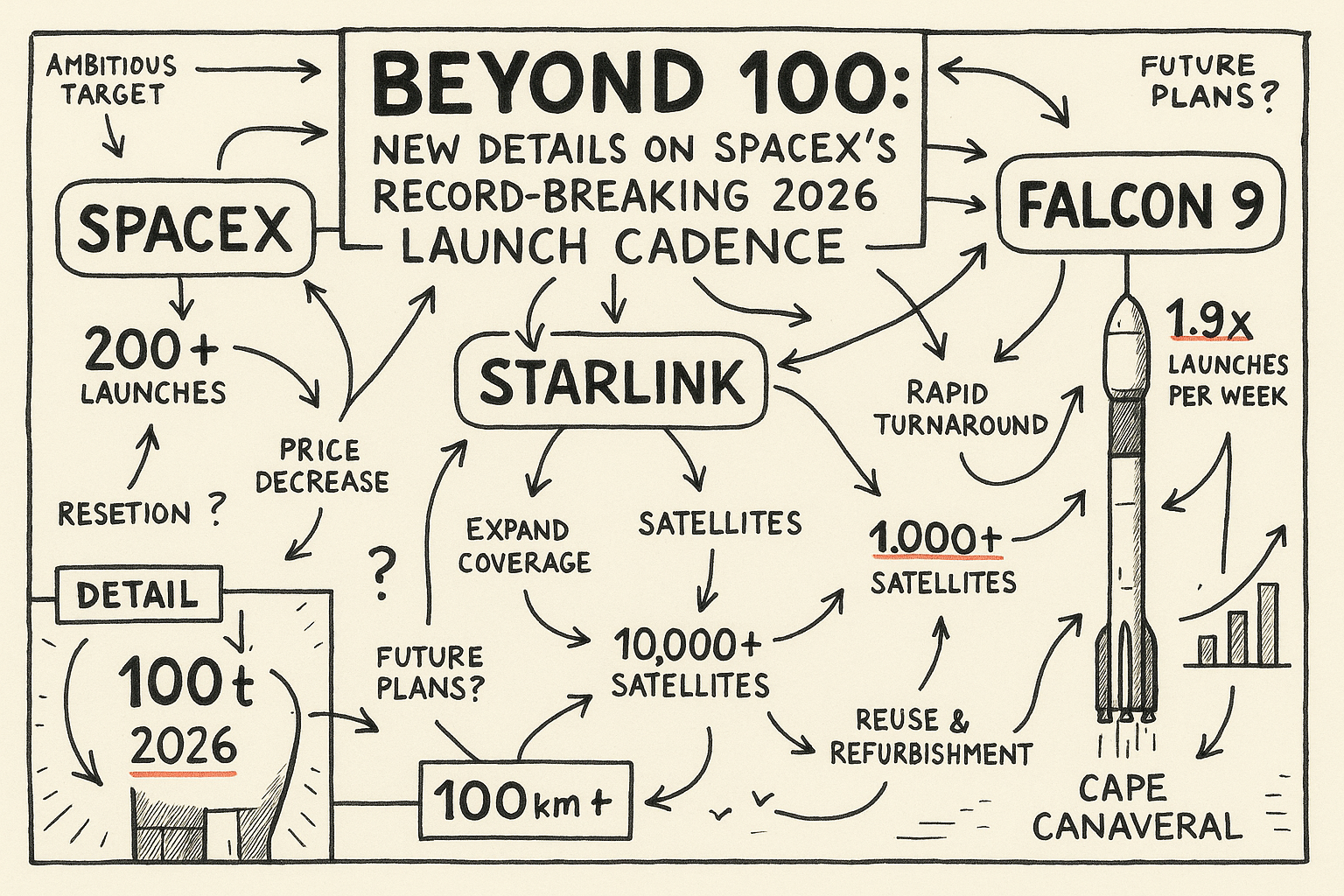
In a significant milestone for SpaceX, the aerospace company has successfully conducted its 60th orbital flight of the year, launching 29 Starlink satellites from Cape Canaveral Space Force Station. The mission, designated Starlink 10-47, lifted off on a Falcon 9 rocket from pad 40 at precisely 7:41 a.m. EDT (1141 UTC), illustrating SpaceX's continued prowess in space transportation.
This launch underscores SpaceX's commitment to expanding its Starlink satellite constellation, which aims to provide global internet coverage. The Starlink initiative, a venture by SpaceX, seeks to deploy thousands of small satellites into low Earth orbit, delivering high-speed internet services to underserved areas worldwide.
The mission marks the 59th Falcon 9 flight of 2026, complemented by one Falcon Heavy launch earlier in the year. This frequency of launches highlights the operational efficiency and reliability of the Falcon 9 rocket, a cornerstone of SpaceX's launch capabilities. The Falcon 9, known for its reusability, continues to be a workhorse for the company, facilitating a rapid cadence of satellite deployments.
Each of the 29 Starlink satellites deployed in this mission will join the already extensive network of satellites in orbit, enhancing the capacity and coverage of the Starlink internet service. By increasing the number of satellites, SpaceX aims to improve the quality and reliability of its internet service, particularly in remote and rural areas where traditional internet infrastructure is lacking.
The successful deployment of these satellites is a testament to SpaceX's ongoing efforts to democratize access to the internet. With each new batch of Starlink satellites, the company moves closer to its objective of providing affordable and reliable internet access on a global scale.
SpaceX's rapid pace of launches in 2026 reflects the growing demand for satellite internet services and the company's ability to meet this demand through efficient launch operations. As SpaceX continues to advance its Starlink project, the implications for global communications and connectivity are profound, potentially bridging the digital divide and fostering greater access to information and services worldwide.