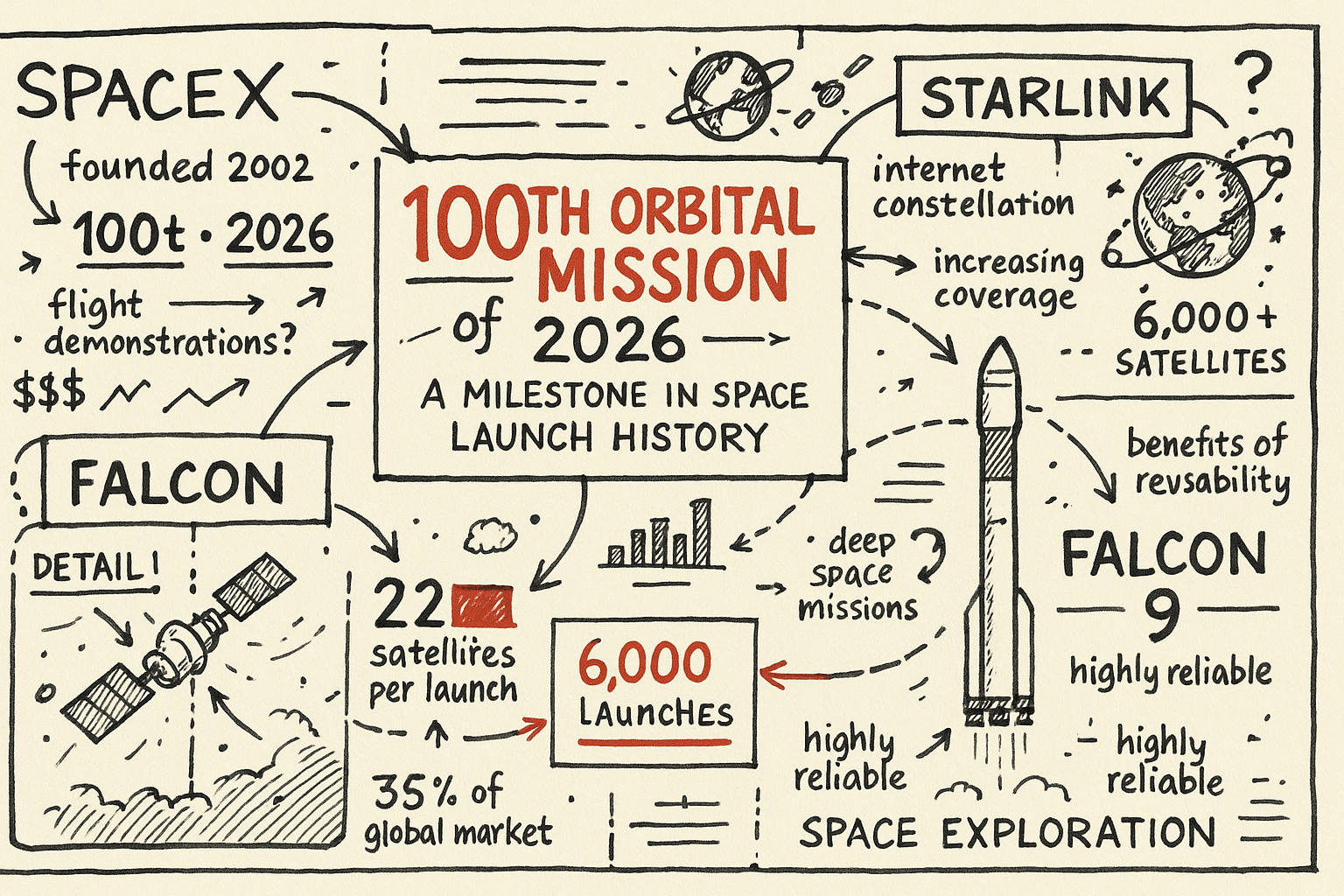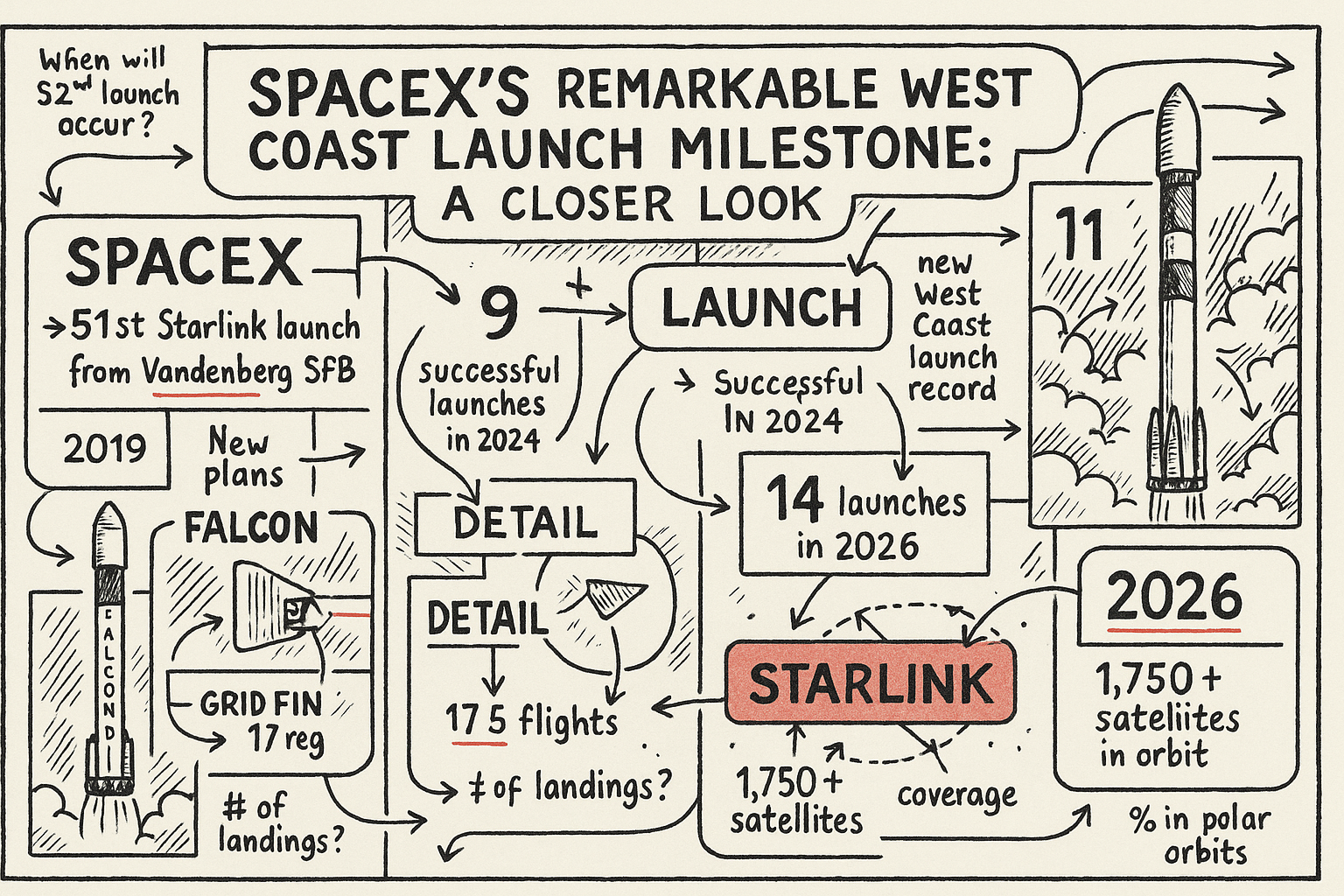
SpaceX continues to make headlines with its relentless pace of rocket launches, achieving a significant milestone with its 51st Falcon 9 launch from the West Coast in 2026. This achievement underscores the company's growing influence and operational capacity in the space industry.
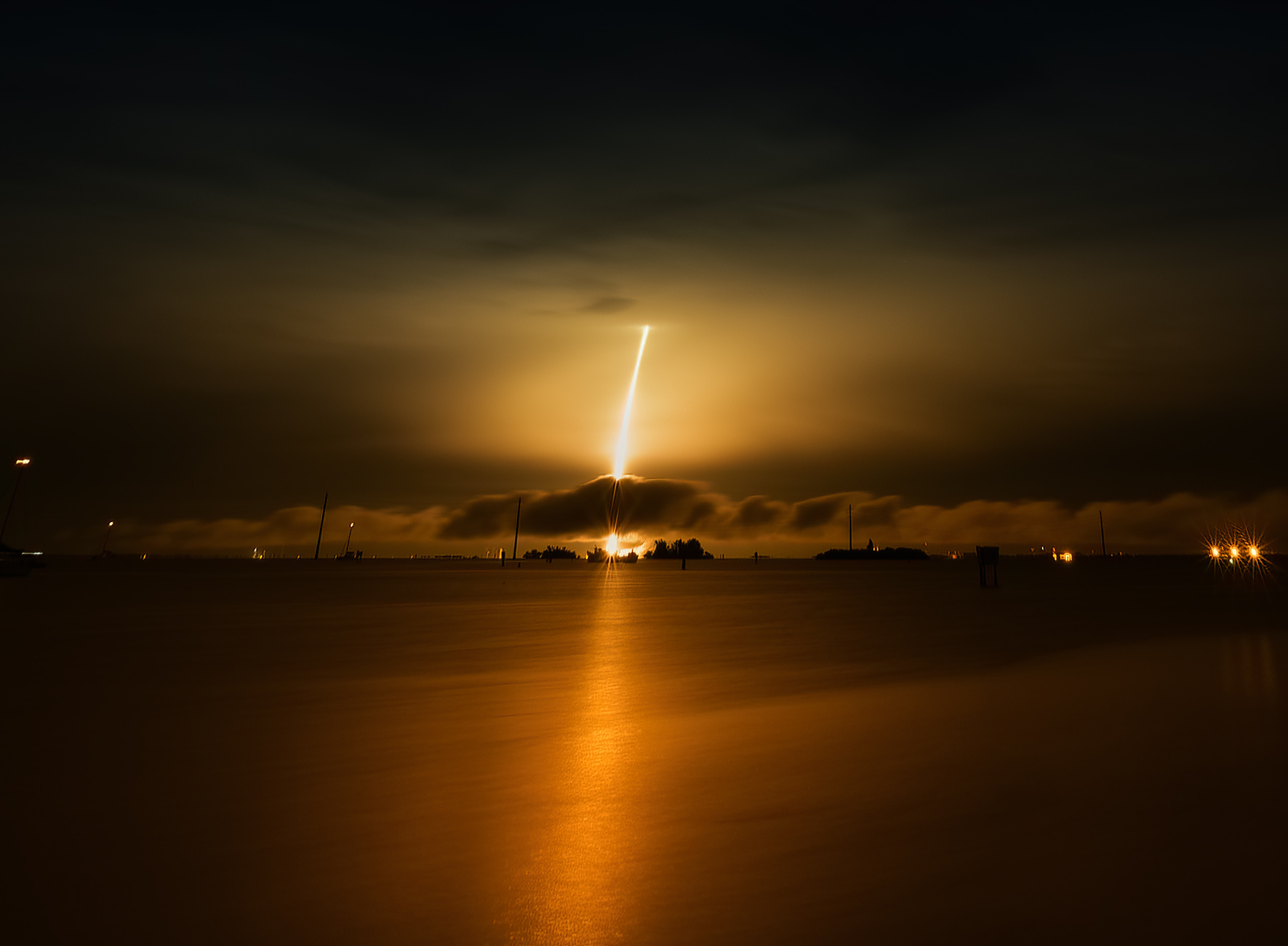
The latest launch took place from Vandenberg Space Force Base, where a Falcon 9 rocket successfully delivered two dozen Starlink satellites into low Earth orbit. This mission, designated Starlink 17-49, lifted off from Space Launch Complex 4 East at 9:46 p.m. PDT (12:46 a.m. EDT / 0446 UTC). The rocket followed a south-southwesterly trajectory, a common path for launches from Vandenberg aimed at polar orbits.
Expanding Starlink Constellation
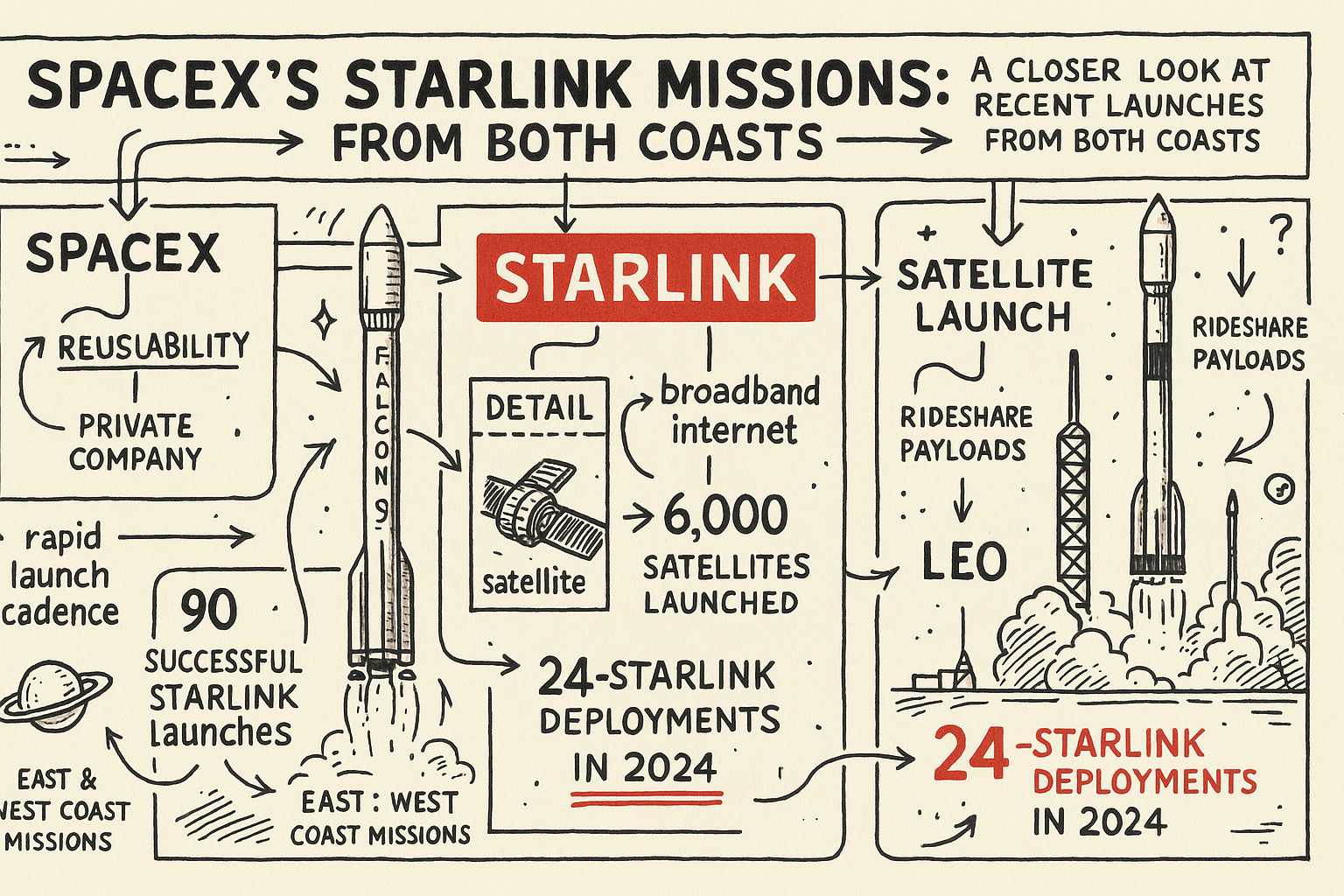
The primary payload for this mission was a batch of Starlink V2 Mini Optimized satellites. These satellites are part of SpaceX's ambitious plan to expand its Starlink internet constellation, which aims to provide global broadband coverage. The deployment of these satellites marks another step towards achieving this goal, enhancing connectivity in remote and underserved regions.
Operational Efficiency and Reusability
A hallmark of SpaceX's operations is its focus on reusability, and this mission was no exception. The Falcon 9's first stage successfully landed on a droneship stationed in the Pacific Ocean, showcasing SpaceX's continued commitment to reducing launch costs through booster recovery and reuse.
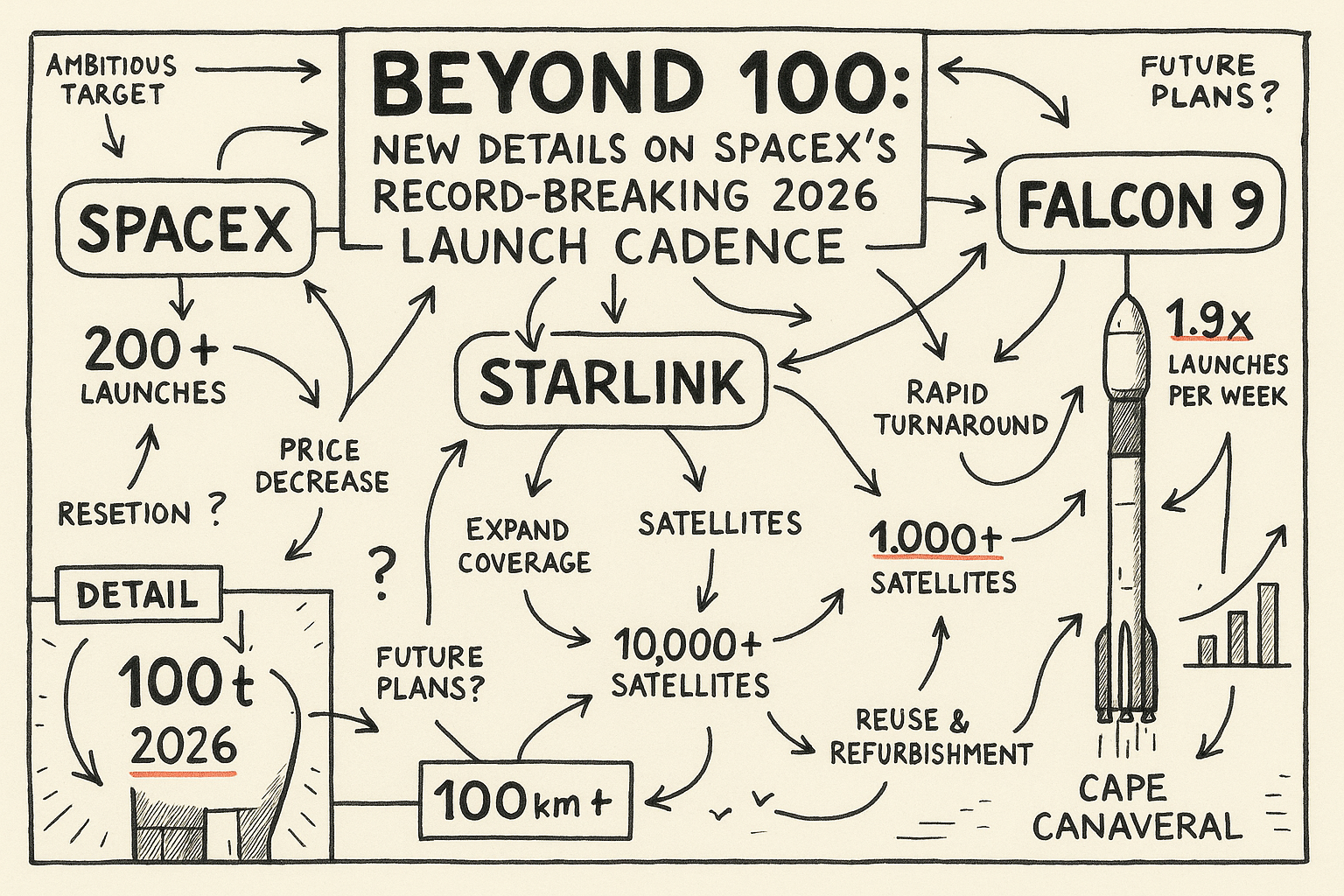
SpaceX's ability to maintain a high launch cadence is partly attributed to this focus on reusability. The company is on track to launch its 700th Falcon 9 mission in September, highlighting the operational efficiency that has become synonymous with the SpaceX brand.
Weather Challenges and Adaptability
The launch was not without its challenges. Initially scheduled for an earlier date, the mission faced a delay due to weather conditions. However, the updated forecast from the 45th Weather Squadron allowed SpaceX to proceed with the launch, demonstrating the company's adaptability in the face of environmental challenges.
This adaptability is crucial for maintaining the momentum of SpaceX's launch schedule, especially as the company continues to expand its launch capabilities and infrastructure.
Looking Ahead
As SpaceX continues to break records and set new benchmarks, the implications for the broader aerospace industry are profound. The company's achievements not only push the boundaries of what is possible in space exploration but also set new standards for efficiency and innovation.
With the 51st West Coast launch of the year, SpaceX has once again demonstrated its leadership in the space sector. As the company moves towards its 700th Falcon 9 mission, the world watches with anticipation to see what new milestones SpaceX will achieve next.