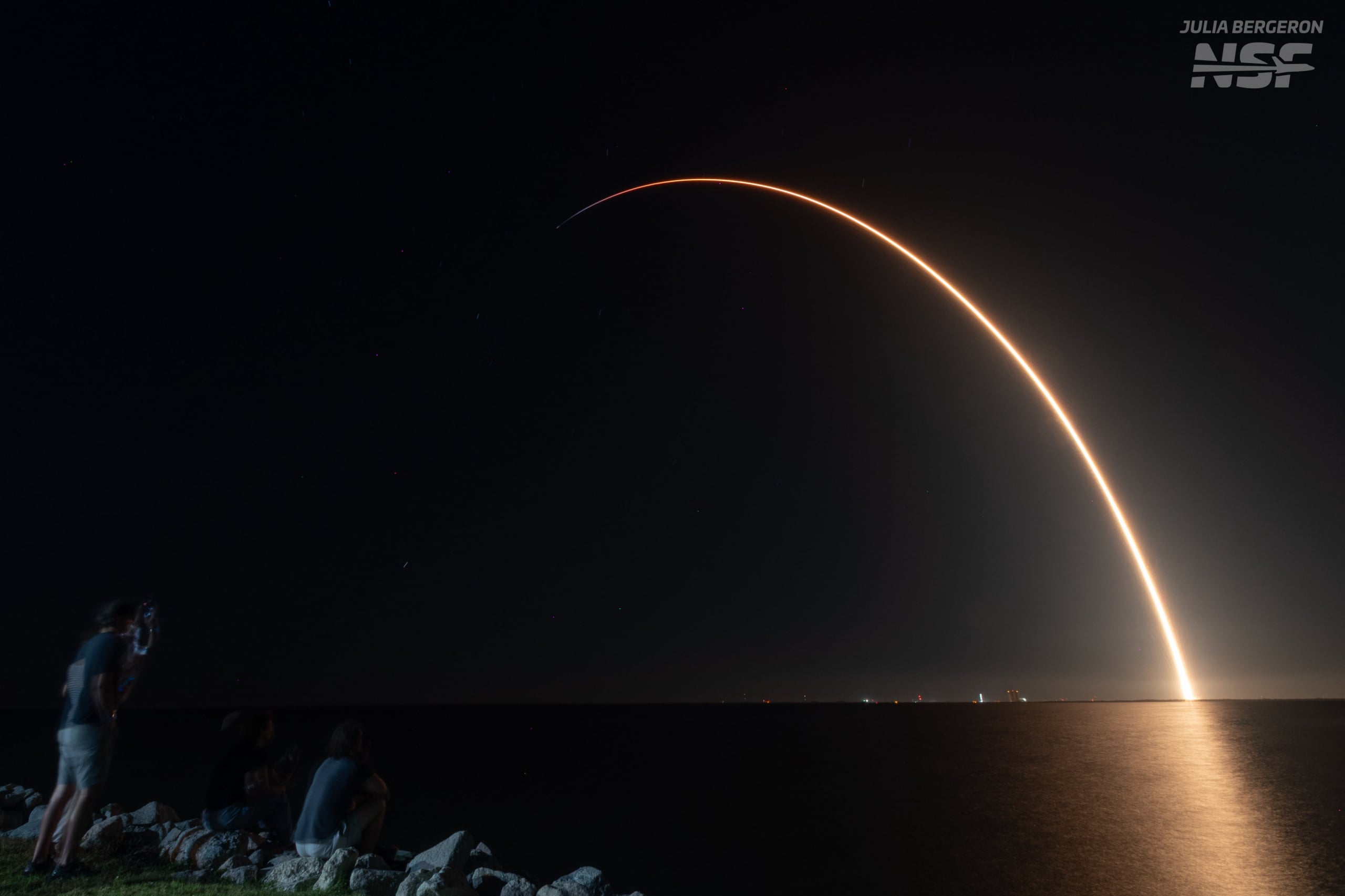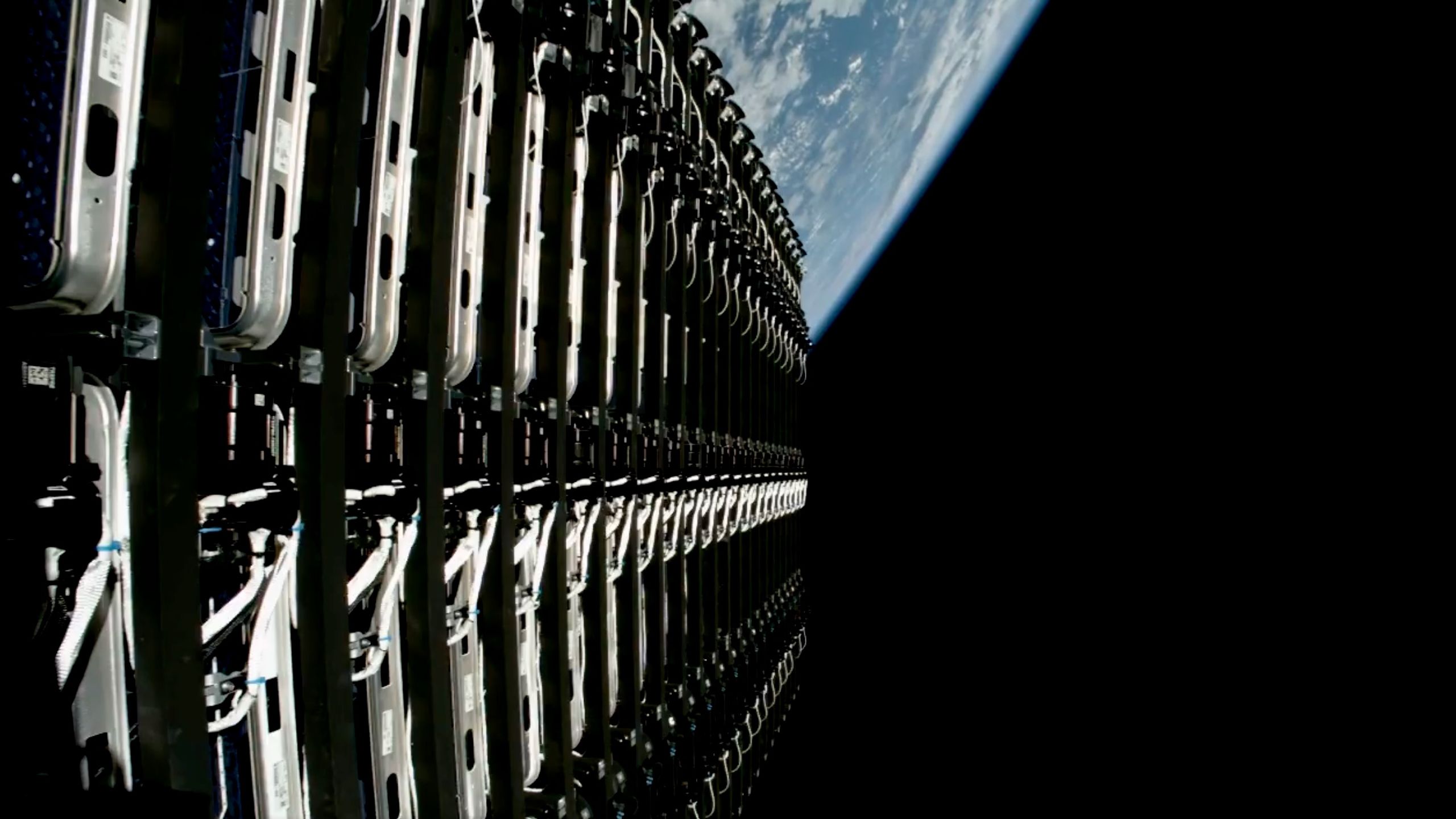
SpaceX, the aerospace company helmed by Elon Musk, is setting its sights on a groundbreaking expansion of its satellite capabilities. On July 7, 2026, SpaceX submitted a filing to the U.S. Federal Communications Commission (FCC) seeking authorization to launch an unprecedented 100,000 third-generation satellites, often referred to as Gen-3. This move is part of SpaceX's strategic initiative to enhance global communications infrastructure via a robust constellation in low Earth orbit (LEO).
While the Gen-3 constellation is presumed to be an extension of SpaceX's well-known Starlink network, the filing notably does not refer to it as such. This ambitious proposal comes on the heels of previous approvals for SpaceX, which include permission to deploy up to 15,000 second-generation Starlink satellites. The Gen-3 constellation aims to offer 'multi-gigabit' connectivity, a significant leap forward in internet backhaul capabilities, designed to meet the burgeoning demands of AI-powered devices and billions of users worldwide.
The technical specifications for Gen-3 satellites reflect a substantial upgrade over their predecessors. With a dry mass of approximately 2,000 to 2,500 kilograms, each satellite will be equipped with advanced phased array beam-forming technology, digital processing capabilities, and optical inter-satellite links. These enhancements will push the downlink throughput of each satellite to an impressive 1 terabit per second, with uplink capacity expanding 22-fold to between 160 and 200 gigabits per second.
SpaceX plans to deploy these satellites across two bands of very low Earth orbit shells, with nominal altitudes ranging from 323 to 327.5 kilometers and 473 to 477.5 kilometers. Such positioning is intended to optimize the satellites' performance and maintain low latency, a crucial aspect for real-time applications and global connectivity.
Furthermore, SpaceX is looking to pioneer the utilization of several underused spectrum bands. The company has requested authorization to operate within the W- and D-band frequencies, spanning 92 to 275 GHz. These bands are currently untapped in the satellite domain and are expected to provide the necessary backhaul margins to support autonomous data transit and AI applications.
This massive undertaking is separate from SpaceX's earlier proposal to launch up to one million satellites under the 'Starmind' project, which is aimed at creating orbital data centers. The Gen-3 effort underscores SpaceX's commitment to scaling its satellite infrastructure to meet future technological demands. The company's ongoing acquisition of Anysphere, a coding-assistant developer, also suggests an emphasis on advanced software orchestration to manage the constellation's complexity.
While the proposal for 100,000 satellites is ambitious, it marks a significant escalation in scale from previous approvals and highlights the potential for transformative impacts on global connectivity. However, SpaceX must navigate a rigorous regulatory review process, addressing issues such as orbital safety and debris mitigation, in coordination with bodies like the National Science Foundation.
As SpaceX continues to push the boundaries of satellite technology, the implications for industries reliant on high-speed, reliable internet access are profound. This initiative could redefine how data is routed across the globe, potentially closing digital divides and enabling new technological frontiers. As the project moves forward, its success will be closely watched by industry stakeholders and regulatory bodies alike.