This week marks a significant period for international space endeavors, headlined by China's ambitious Chang'e 7 lunar mission and a series of Starlink satellite launches by SpaceX. Despite a recent setback with the Chang Zheng 7A rocket, China is forging ahead with a busy schedule that includes both governmental and commercial launches.
The Chang'e 7 mission is a robotic lunar exploration endeavor launched aboard a Chang Zheng 5 (CZ-5) rocket, continuing China's aggressive pursuit of its lunar exploration goals. This mission is part of a broader strategy by the China National Space Administration (CNSA) to expand its presence and capabilities on the Moon, aligning with the country's long-term objectives of establishing a sustainable lunar base.
Accompanying Chang'e 7 is the second test flight of the ZhuQue-3, a partially reusable launcher developed by the private Chinese company LandSpace. This craft is part of a growing trend in China towards integrating reusable technology in rocket design, reflecting a global shift towards more cost-effective and environmentally friendly space travel solutions.
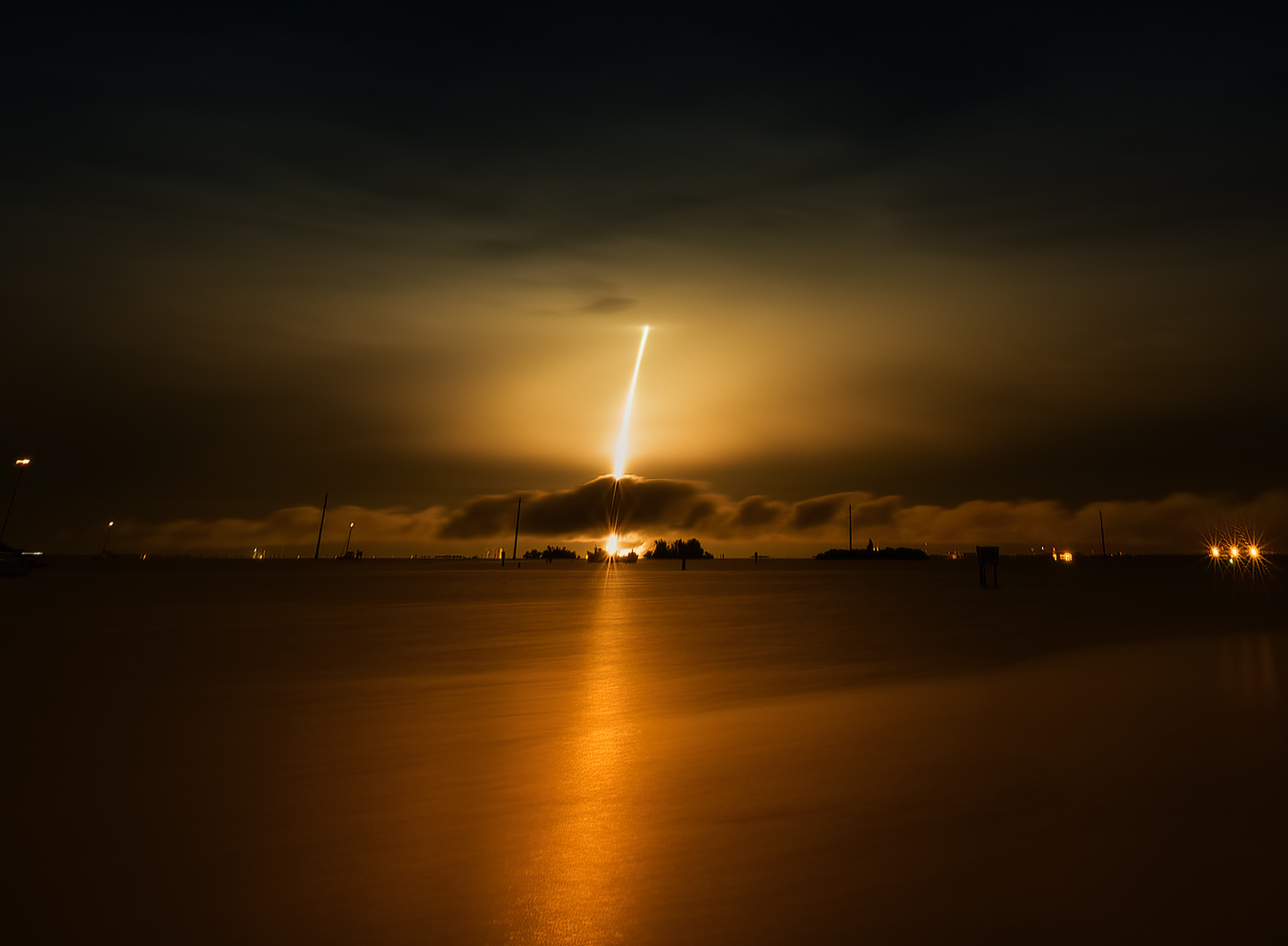
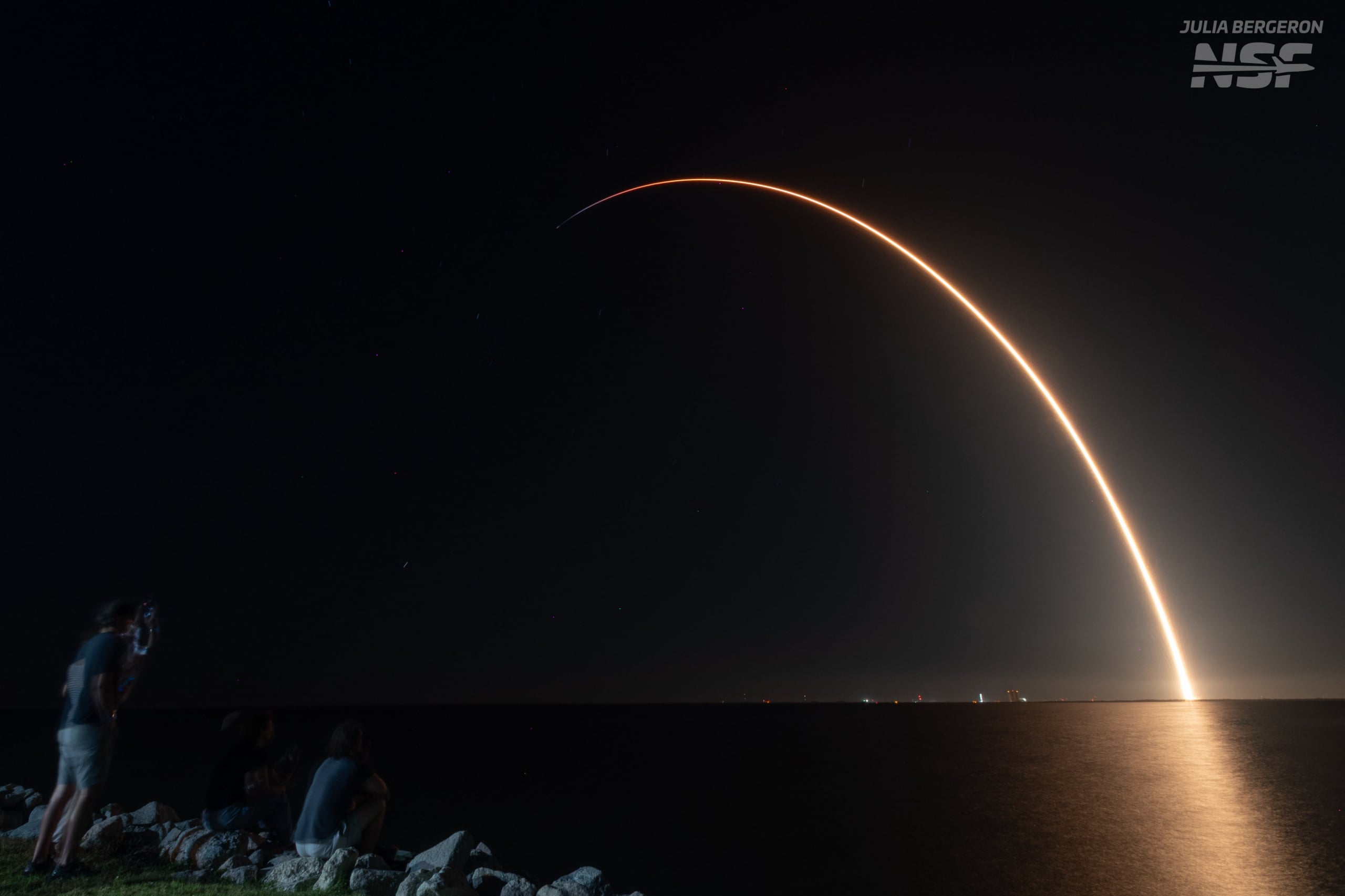
In addition to these missions, three Falcon 9 Starlink flights are scheduled by SpaceX, highlighting the company's relentless push to expand its broadband internet satellite constellation. Two of these launches will take place from California, while the third is set to depart from Florida. The Starlink project represents a significant step in global internet connectivity, aiming to provide high-speed internet access across remote and underserved regions worldwide.
On the Chinese front, the week began with a successful launch of a Chang Zheng 12 (CZ-12) rocket from the Wenchang Space Launch Site on Hainan Island. This medium-lift rocket, powered by the kerosene-fueled YF-100K engines, is typically used to deploy SatNet LEO broadband communications satellites, China's answer to Starlink. The payload specifics for this particular launch were not disclosed, but it fits within the pattern of bolstering China's satellite internet capabilities.
The recent launch failure of the Chang Zheng 7A had cast a shadow over China's space endeavors, but the subsequent successful launches underline the resilience and determination of the Chinese space program. The Chang'e 7 mission and other scheduled launches are crucial milestones as China seeks to cement its role as a dominant player in space exploration and satellite technology.
As the global space race intensifies, these activities highlight the increasing competition and collaboration among nations and private companies. China's continued advancements are seen as both a challenge and an opportunity for international cooperation in space exploration. The developments in reusable rocket technology, as exemplified by both the ZhuQue-3 and SpaceX's Falcon 9, are reshaping the industry's landscape, driving down costs and increasing access to space for various scientific, commercial, and governmental purposes.
Looking forward, the outcomes of these missions could influence future strategies in space exploration, particularly in terms of international cooperation and technological innovation. The success of the Chang'e 7 mission and the expanding Starlink network could serve as pivotal examples of how space endeavors are transforming global communication and exploration capabilities.