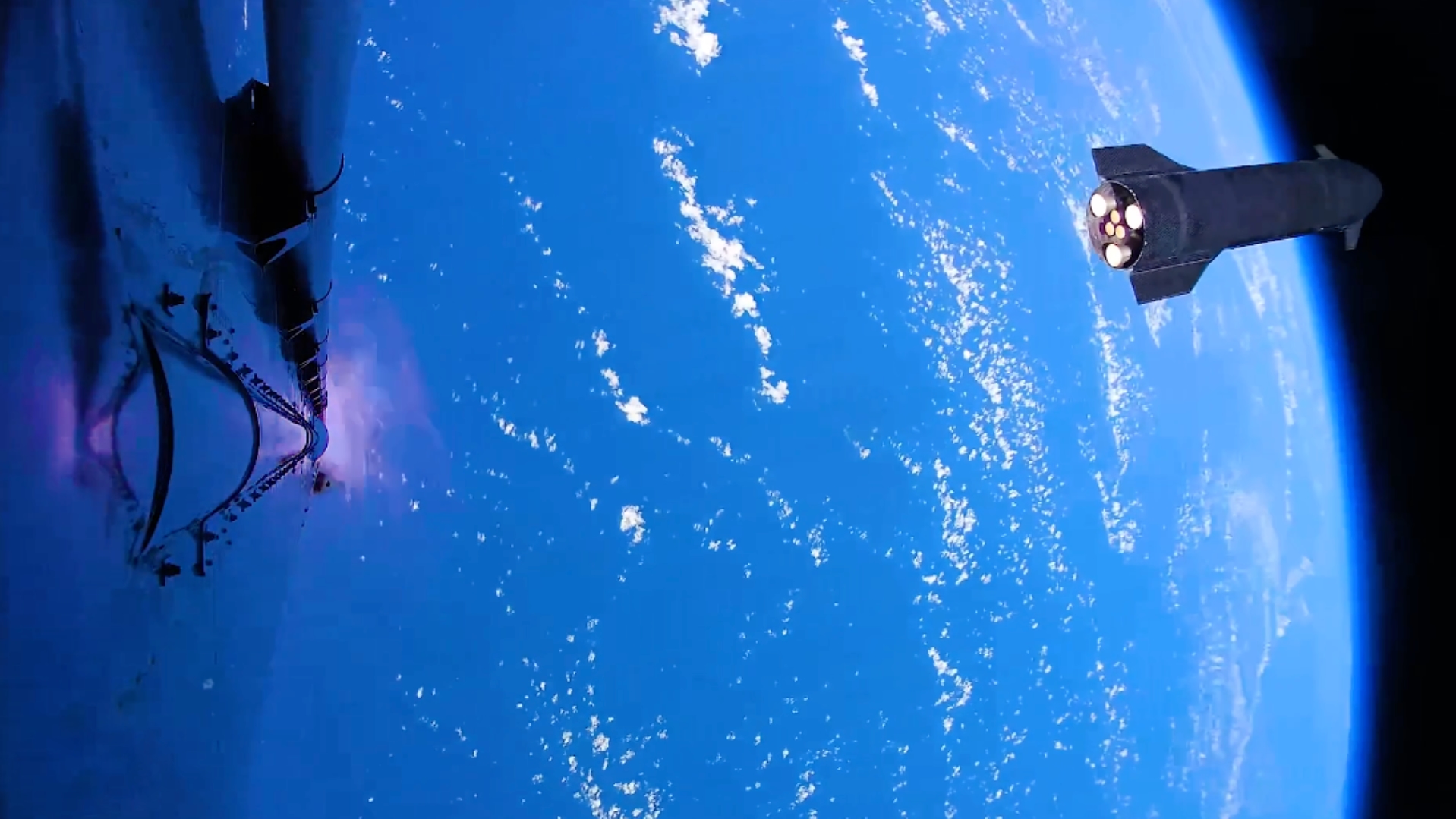
On July 24, 2026, SpaceX conducted the 13th test flight of its Super Heavy-Starship system from Starbase, Texas, marking another step in the company's ambitious space exploration agenda. Despite encountering setbacks, the mission achieved key objectives, underscoring the potential of SpaceX's evolving technology.
Mission Overview
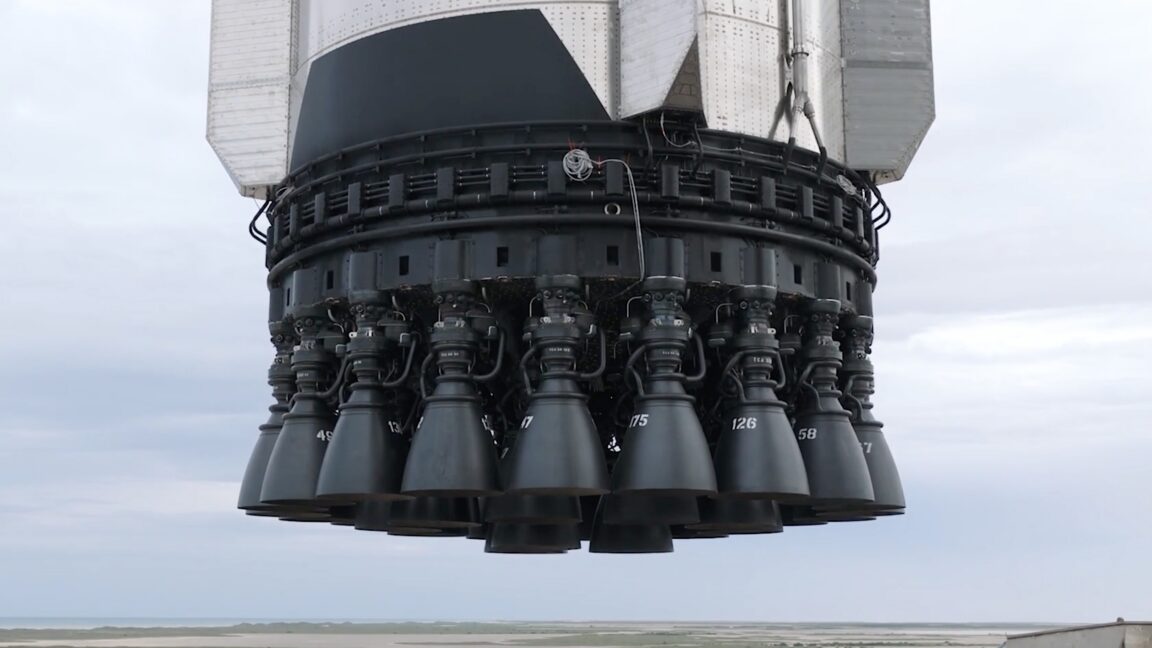
The launch featured the third version of the Starship, known as V3, and was the second flight for this iteration. The Starship system, renowned as the largest rocket ever constructed, stands at approximately 124 meters tall. It is powered by 33 Raptor engines, fueled by methane, generating a thrust of nearly 7,260 tonnes. The recent mission was a follow-up to an earlier May flight, which saw the booster miss its landing target and the upper stage experience a premature engine shutdown.
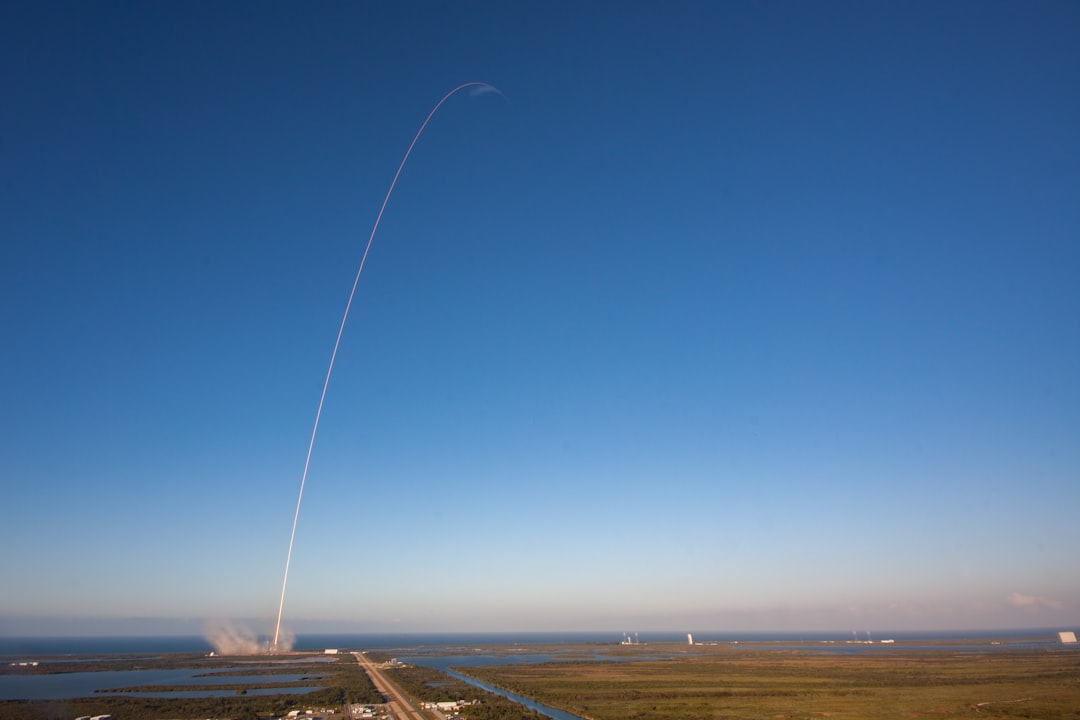
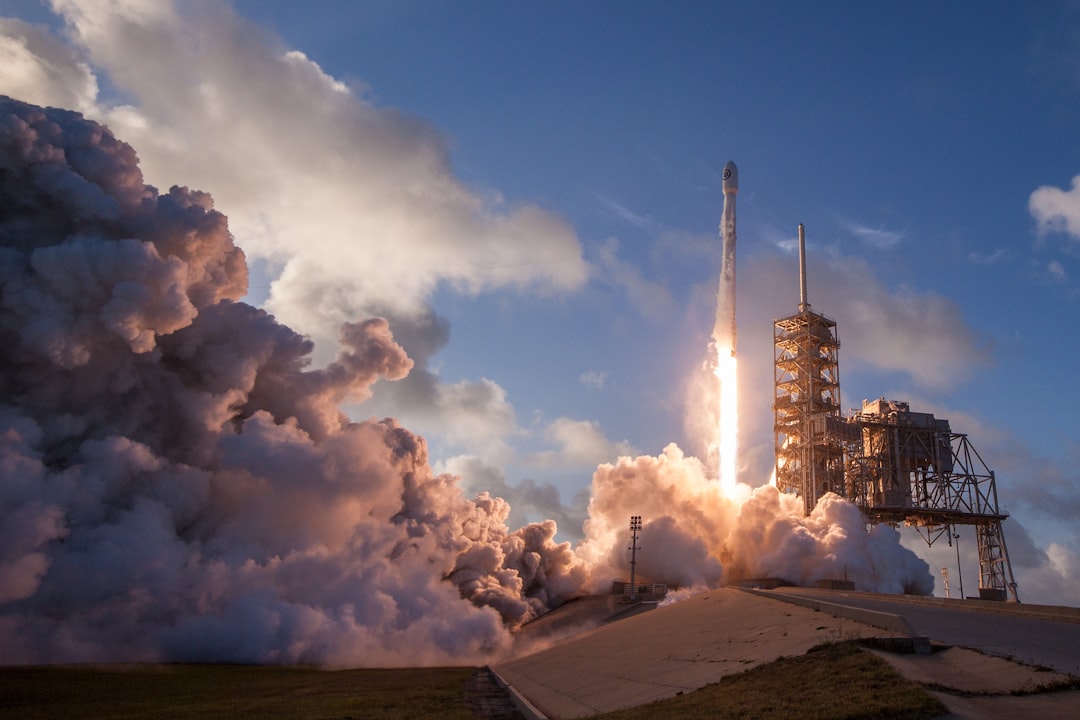
This test flight came after several delays, initially postponed from July 16 due to engine issues, and further delayed due to weather conditions. The successful liftoff took place at 00:51 Italian time, under clear skies, following the resolution of previous technical problems.
Achievements and Challenges
While the mission highlighted several successes, it also revealed ongoing challenges. The upper stage of the Starship executed a controlled splashdown off the coast of Australia, completing all its objectives. However, the Super Heavy booster suffered a partial engine ignition failure during its landing sequence, culminating in a high-velocity splashdown in the Gulf of Mexico.
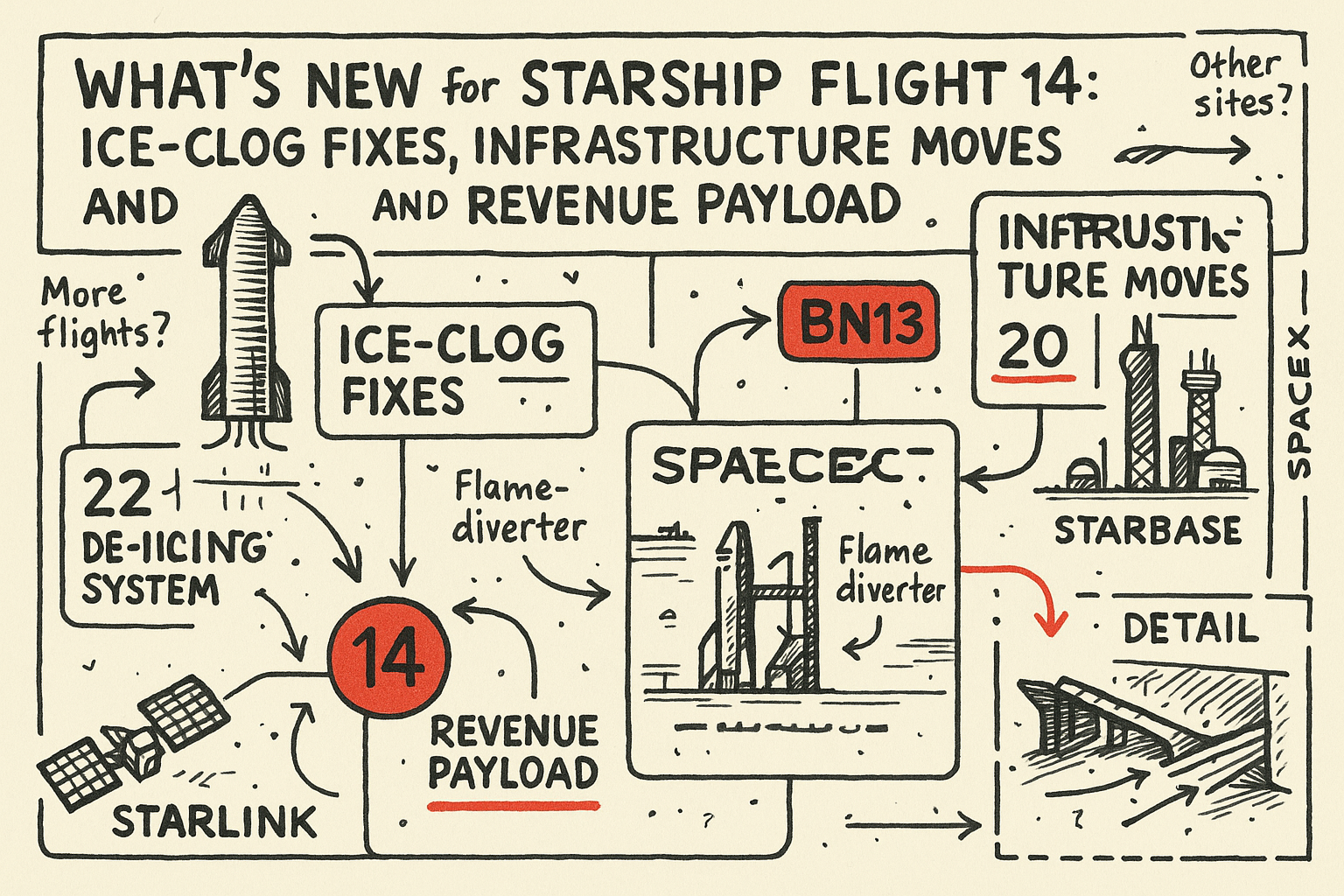
Despite this setback, the mission marked a significant milestone with the deployment of 20 next-generation Starlink Version 3 satellites. These satellites are equipped with advanced laser communication systems, enhancing data transmission capabilities exponentially. Six of these satellites were equipped with cameras and lights, designed to provide SpaceX with detailed imagery of the Starship during its journey to better assess the condition of the spacecraft's heat shield.
Technological Innovations
SpaceX introduced several new features and procedures during this flight. A new countdown hold feature at T-minus 60 seconds was added, allowing launch controllers to pause the countdown to address potential issues with propellant temperatures and engine ignition. This proved critical in preventing further aborts after the previous week's attempt was canceled due to frozen moisture in the oxidizer turbopumps.
Moreover, the launch site infrastructure utilized a flame diverter system, capable of dispersing 650,000 gallons of water per minute, to mitigate damage from the immense acoustic and thermal energy generated during liftoff.
Future Implications
The success of the 13th flight test provides SpaceX with valuable data and confidence as they move towards more ambitious objectives. The mission's achievements pave the way for future attempts to catch the Starship at the launch tower, a critical component for achieving a fully reusable launch system. Additionally, the validation of the Starship's systems during this flight is a crucial step towards SpaceX's planned lunar missions, including those aligned with NASA's Artemis program.
As SpaceX continues to refine the Starship system, the company's broader vision of reducing space travel costs through full reusability comes closer to realization. Each successful test not only advances the Starship's development but also strengthens SpaceX's position as a leader in space exploration and technology innovation.