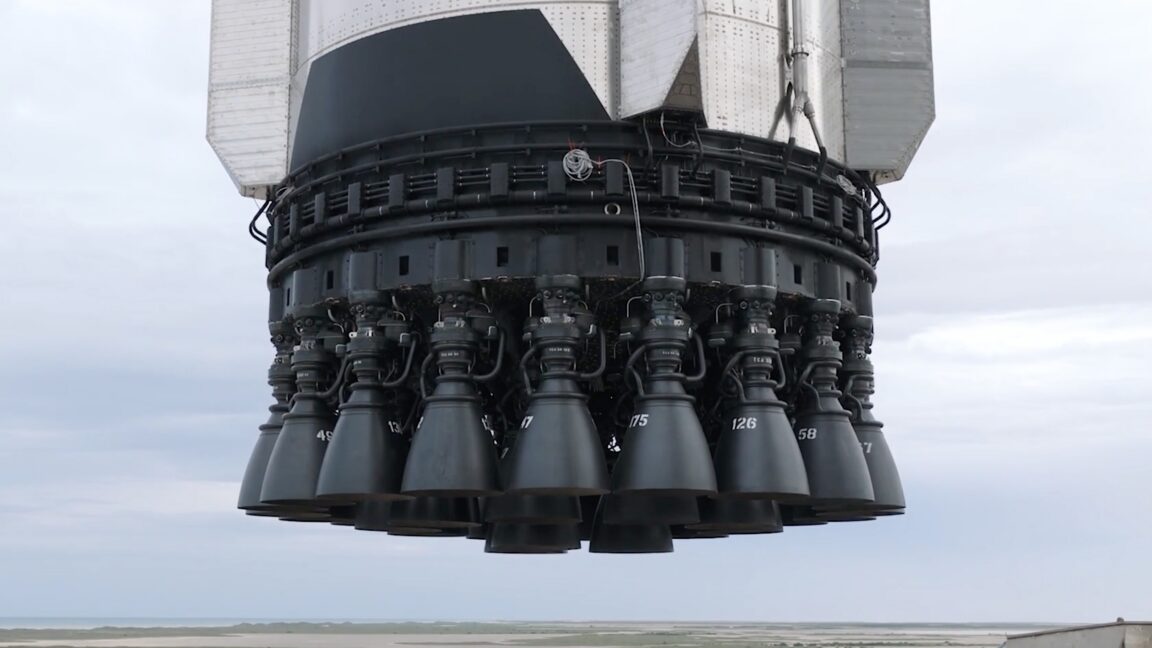
A significant week in global space exploration is unfolding with SpaceX gearing up for the 13th test flight of its Starship rocket system, while the Soyuz spacecraft prepares to launch a new crew to the International Space Station (ISS). These missions are emblematic of the ongoing evolution in space technology and international cooperation.
Starship's 13th Test Flight: Testing New Technologies
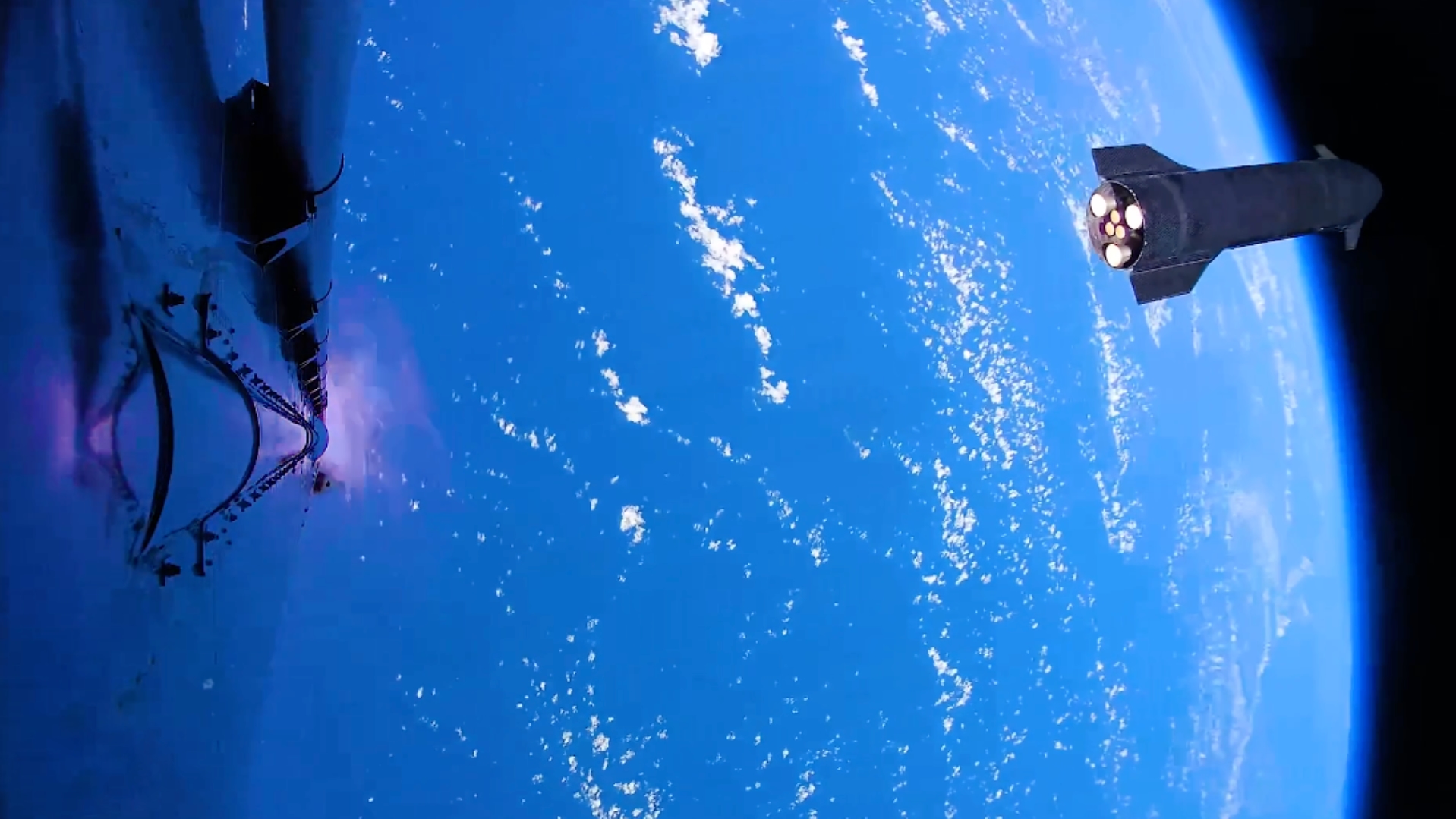
SpaceX is poised to conduct its 13th test flight of the Starship spacecraft as soon as Thursday, with the launch window opening at 5:45 PM CDT (22:45 UTC) from Starbase, Texas. This test is set to demonstrate several advancements, notably the deployment of 20 real Starlink Version 3 satellites, marking a departure from previous tests that used simulators. These satellites are equipped with laser communication links intended to validate interoperability with earlier Starlink generations.
The mission will see the more than 400-foot-tall rocket traverse a long suborbital trajectory, culminating in a targeted splashdown northwest of Australia. The Starlink V3 satellites, although not entering operational service, will attempt to connect with ground stations in South Africa while extending their solar arrays and antennas during their brief time in space. Notably, six of these satellites will feature cameras to capture imagery of Starship's heat shield, assisting engineers in analyzing its readiness for future missions.
This flight follows the last test in May and includes critical upgrades aimed at addressing issues identified in previous flights. The success of these tests is vital for SpaceX's broader objectives, including plans for more extensive orbital missions and the eventual goal of human spaceflight.
Soyuz Mission to the ISS
In parallel with SpaceX's efforts, the Russian Soyuz spacecraft is scheduled to launch a new crew to the ISS. This mission underscores the ongoing collaboration and reliance on international partnerships in maintaining and operating the ISS. While details about the crew members and specific objectives of this mission were not highlighted, such launches are typically pivotal in ensuring continuous human presence and scientific research aboard the ISS.
A Global Landscape of Space Launches
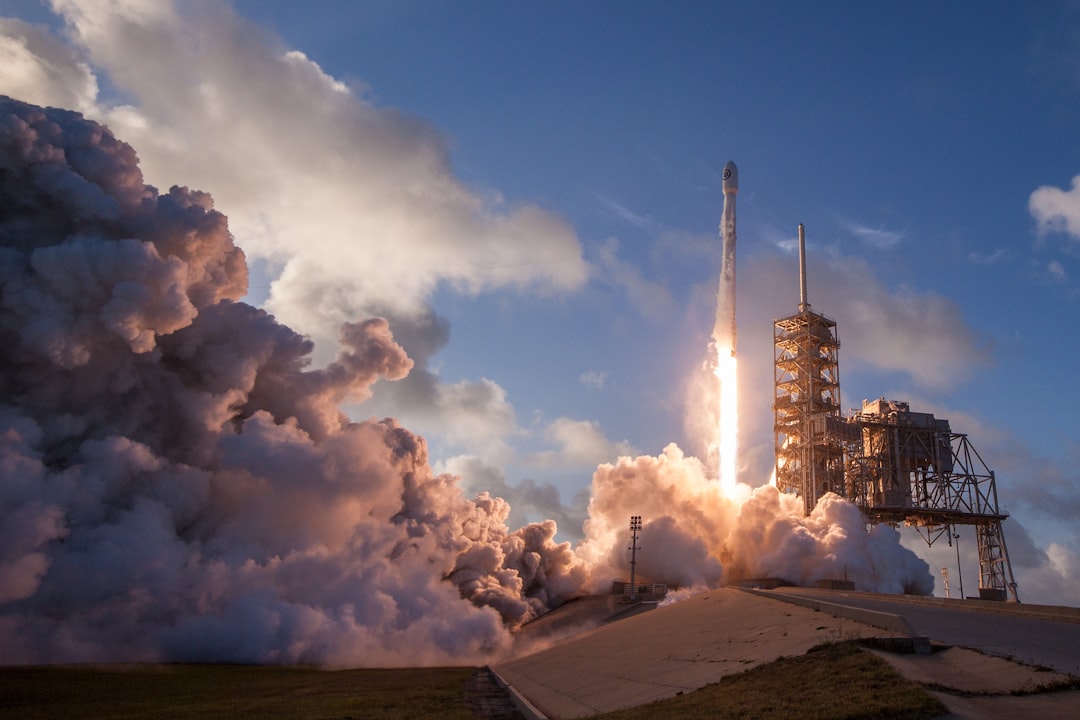
This week is particularly busy for the space industry, with a total of seven launches scheduled worldwide. Among these, SpaceX’s Falcon 9 is set to execute multiple Starlink missions and a mission for the U.S. Space Force’s Space Development Agency. Additionally, a Chinese Chang Zheng 7A rocket will launch an unspecified payload, and India is preparing for the maiden flight of its Vikram-I rocket.
These activities highlight the diverse and competitive nature of current space endeavors, where multiple nations and private companies are making significant strides in technology and exploration capabilities.
Implications for the Future
The successful execution of these missions will not only mark technological advancements but will also strengthen the frameworks of international and commercial cooperation in space. For SpaceX, the Starship tests are crucial steps toward achieving its long-term ambitions, including human missions to the Moon and Mars. For Russia, the Soyuz launches remain a critical component of its space program, ensuring that it maintains a pivotal role in human spaceflight.
As these missions unfold, they serve as a testament to the rapid pace of development in the space sector and the increasing capability of reusable and innovative spacecraft designs. With each launch, the boundaries of human presence in space are pushed further, setting the stage for more ambitious projects in the near future.