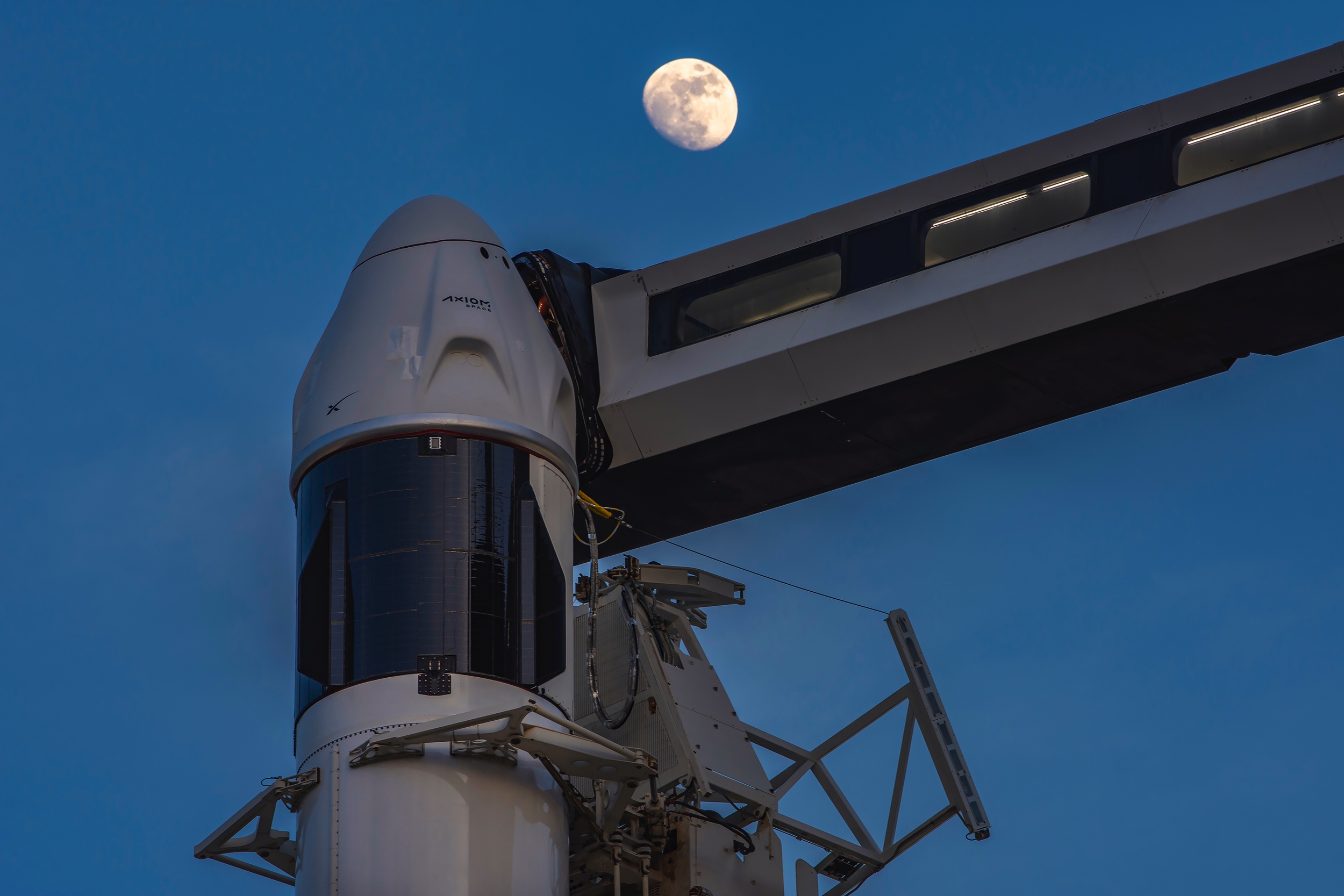
In the ever-evolving landscape of commercial spaceflight, SpaceX's Crew Dragon spacecraft stands as a significant player, having established its prowess in ferrying astronauts to the International Space Station (ISS). However, as SpaceX plans to transition from Crew Dragon to its ambitious Starship program, the future of commercial spaceflight faces both opportunities and uncertainties.
The Crew Dragon spacecraft, known for its versatility and reliability, is not nearing the end of its operational life just yet. According to Julianna Scheiman, director of NASA science and Dragon programs at SpaceX, there remains a "significant" lifespan in the current fleet of Crew Dragon spacecraft. Originally certified for five missions each, the spacecraft are now expected to support as many as 15 missions each, thanks to collaborative efforts between NASA and SpaceX.
This extension of service life is crucial, given the high demand for Crew Dragon missions. NASA, for instance, has filed plans to procure up to six additional Dragon missions beyond the pending Crew-14, citing delays in the certification process of Boeing's CST-100 Starliner. Furthermore, the European Space Agency has expressed interest in utilizing Crew Dragon for dedicated missions to the ISS.
Private companies are also keen on leveraging Crew Dragon's capabilities. Axiom Space, Vast, and Voyager Technologies have scheduled private astronaut missions to the ISS, while multiple missions are planned for Vast’s Haven-1 commercial station. All these indicate that Crew Dragon remains central to current commercial spaceflight operations.
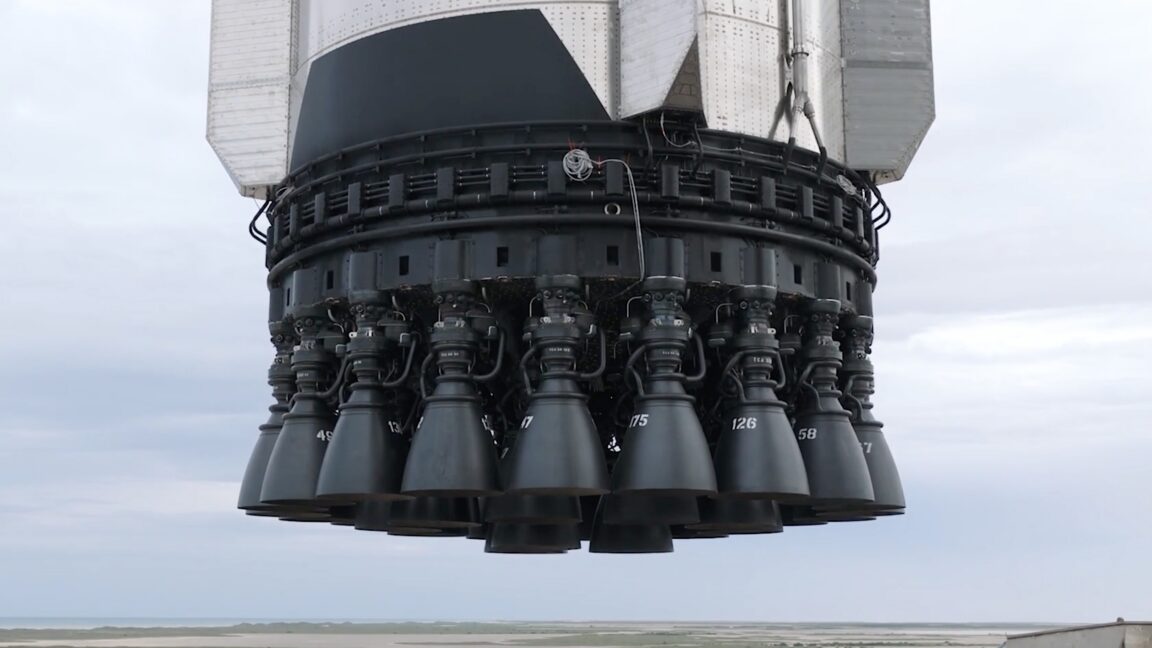
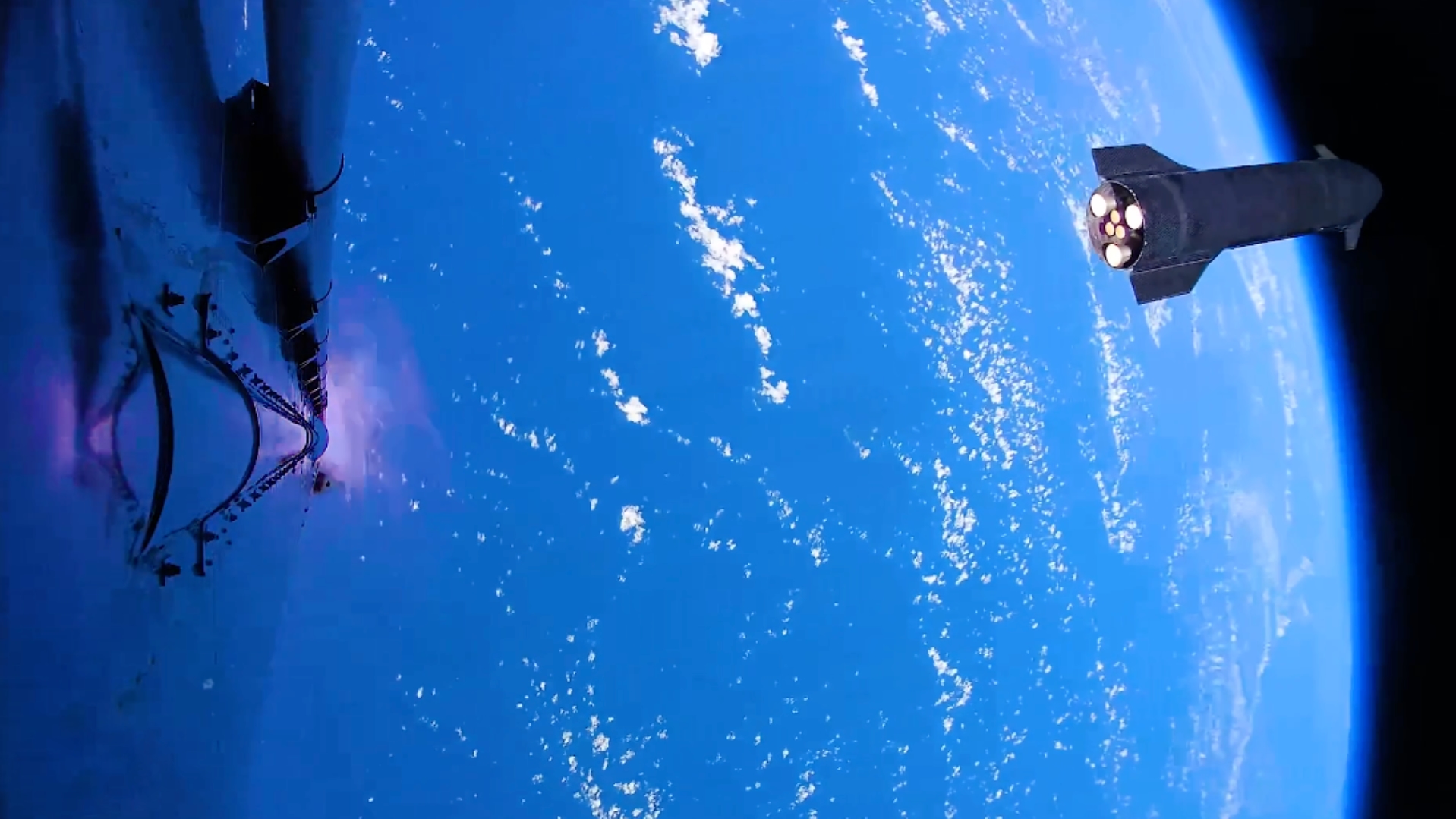
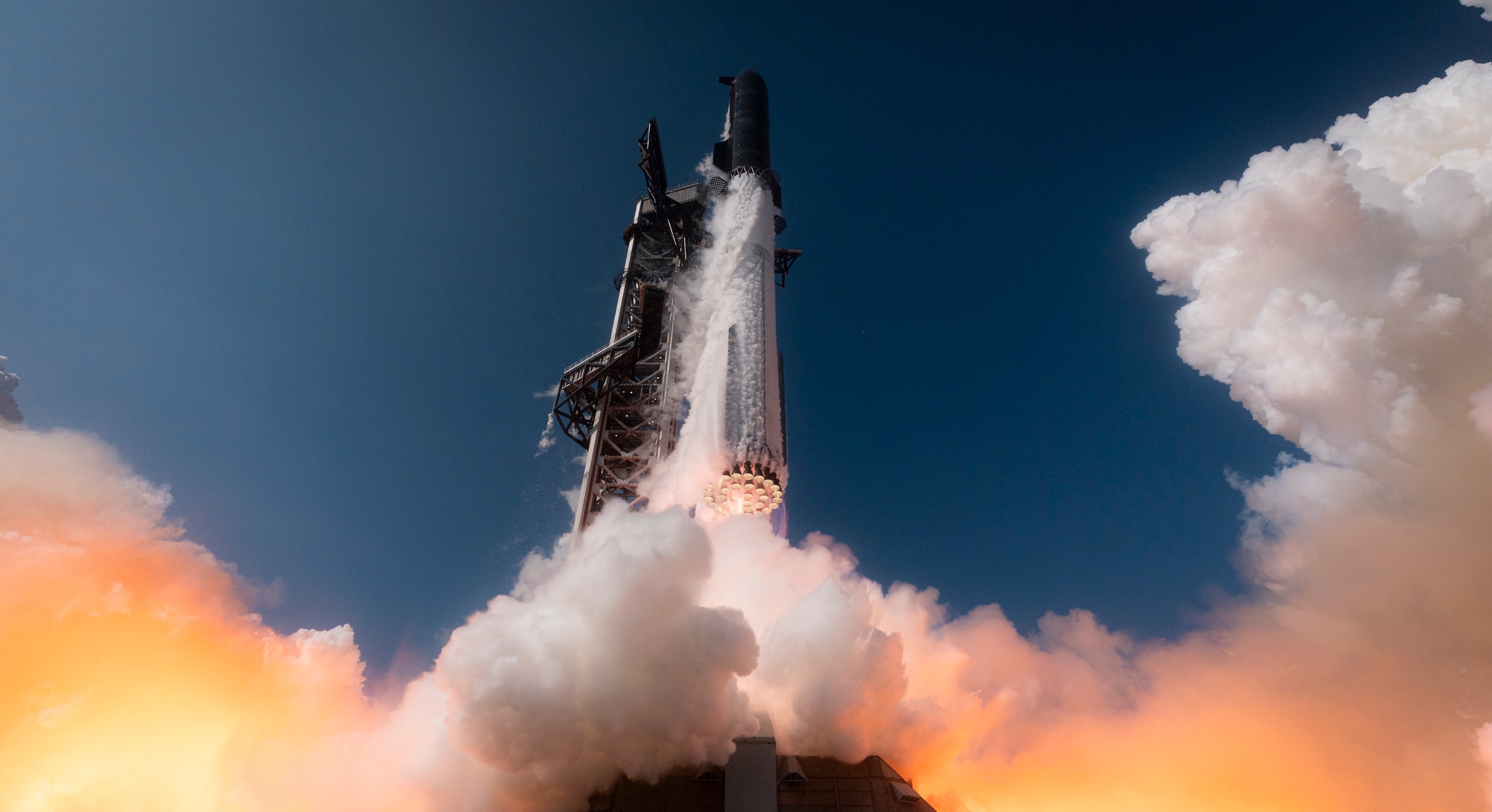
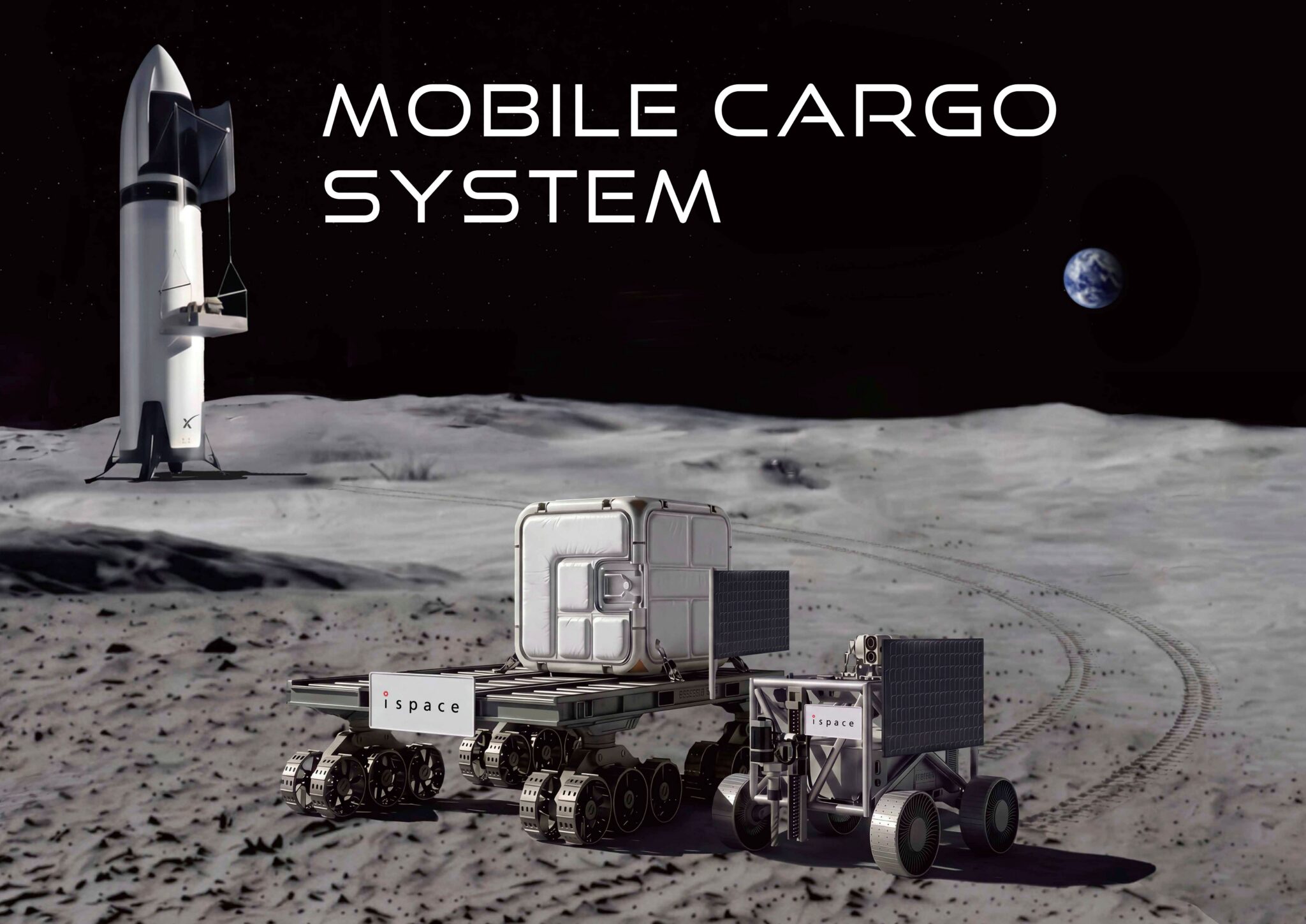
Despite these promising indicators, the industry's eyes are also on SpaceX's next big project: Starship. The transition to this new spacecraft, designed to transport larger crews and cargo to low Earth orbit and beyond, adds an element of uncertainty. As Scheiman noted, Starship is expected to enable hundreds of people to journey into space, opening up new possibilities for space exploration.
The technical implications of this shift are not trivial. While Crew Dragon has proven itself as a reliable vehicle for current space infrastructure, the larger Starship will require adjustments and potentially new infrastructure, especially as SpaceX and NASA work in tandem to ensure seamless transition and support of NASA missions during Starship's development.
The timeline for Starship's operational readiness remains uncertain, and until it becomes a viable alternative, Crew Dragon will continue to be a cornerstone of human spaceflight to the ISS. The transition, however, raises questions about the future of commercial space stations, which are expected to succeed the ISS by the end of the decade. Such stations will need a reliable means of transporting crews and supplies, and the timeline for Starship's availability could affect their operational planning.
As SpaceX navigates this transitional phase, the broader industry continues to grapple with challenges, such as the delayed deployment of Boeing's Starliner. NASA and Boeing are still working to determine the next flight opportunities for the Starliner, highlighting the competitive and collaborative dynamics at play in the commercial space sector.
Looking ahead, the ongoing development of Starship alongside Crew Dragon’s continued service reflects SpaceX's dual strategy of maintaining current operational commitments while pioneering new frontiers. This strategy underscores the dynamic and adaptive nature of the aerospace industry, where technological advancements and operational demands are constantly reshaping the landscape of human spaceflight.