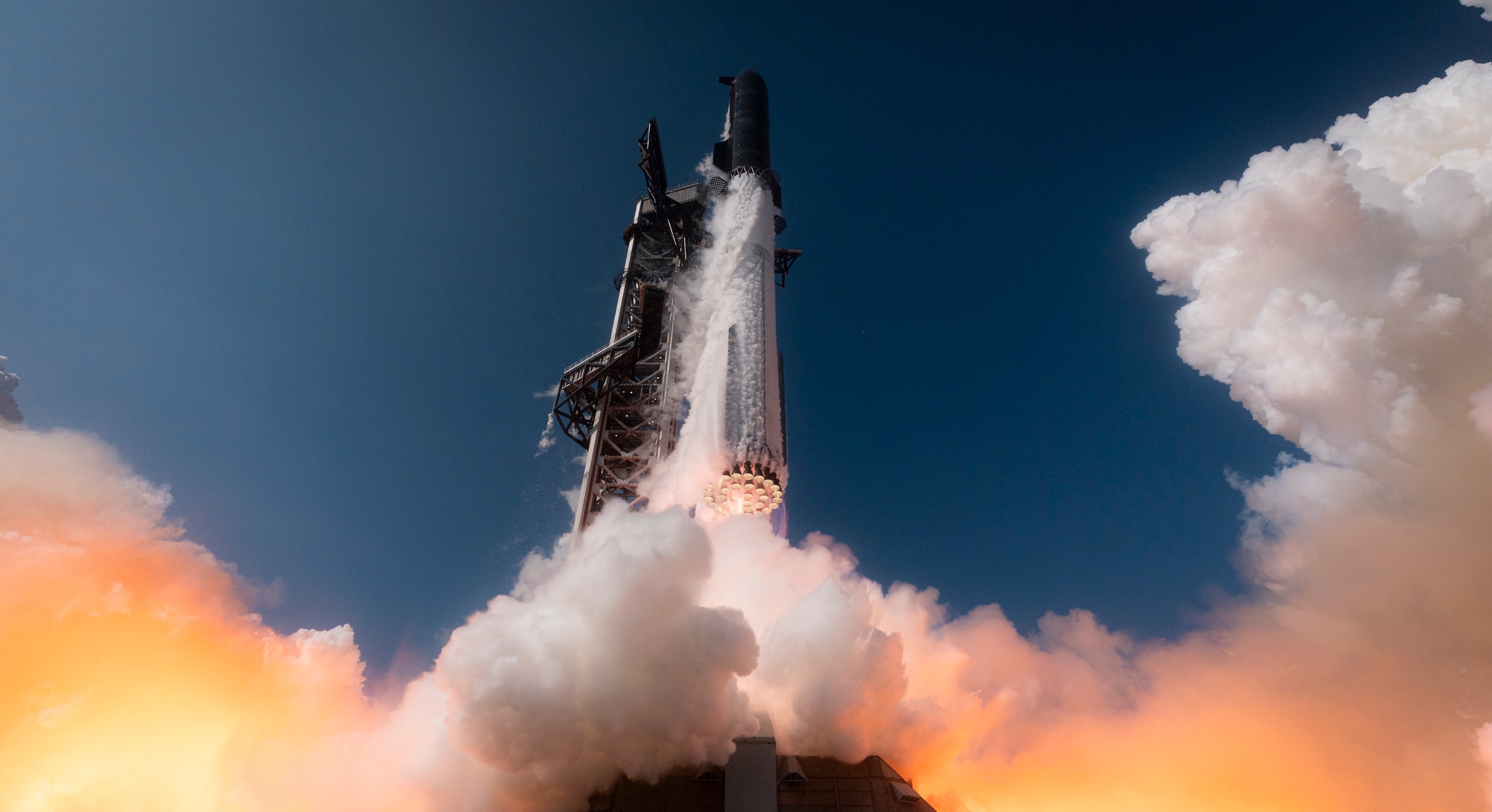
SpaceX, the trailblazer in commercial space exploration, is making headlines once again with its Starship program, which is poised to redefine satellite deployment in the coming years. With a payload capacity of around 150 tons to low Earth orbit, Starship represents a quantum leap in launch capabilities. However, the journey to operational success is fraught with challenges, as evidenced by the volatility surrounding SpaceX's recent IPO and the ambitious projects hinging on Starship's capabilities.
The Ambition of Starship
Starship's development has been nothing short of ambitious. Designed to facilitate the deployment of massive satellite constellations, it is a cornerstone for companies like Orbital and Starcloud. Orbital, based in Los Angeles and led by CEO Euwyn Poon, aims to deploy 100,000 satellites, leveraging Starship's capacity. To achieve this, Poon estimates that around 1,000 Starship launches would be necessary. Meanwhile, Starcloud, headquartered in Redmond, Washington, has raised $170 million to fund a network of 88,000 satellites, similarly betting on Starship's capabilities.
Challenges and Industry Response
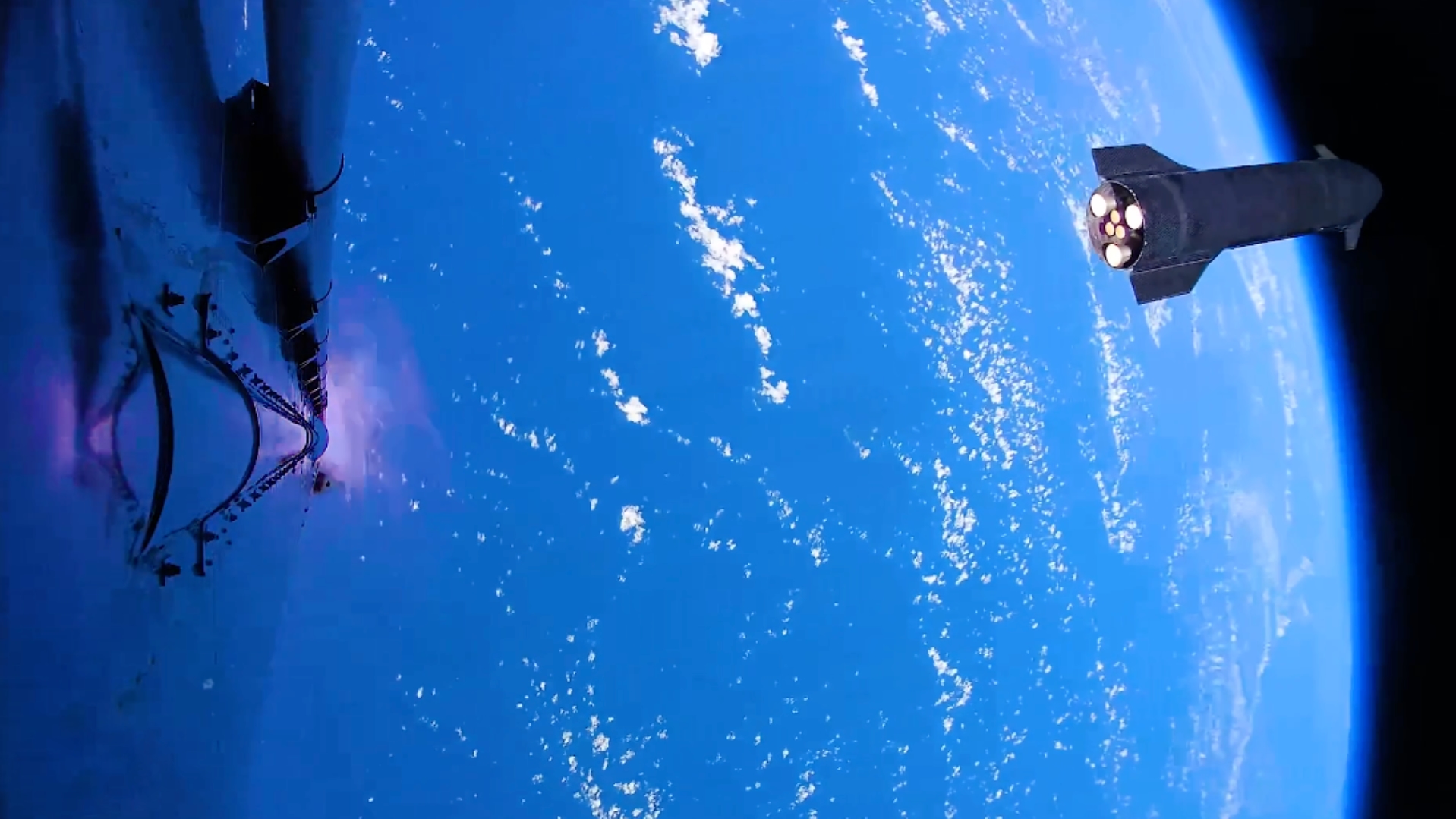
Despite these plans, the path forward is not without its hurdles. SpaceX has conducted 12 test flights of Starship, all suborbital to date, and plans to commence orbital payload deliveries in the latter half of 2026. Historically, SpaceX had anticipated commercial operations of Starship to begin as early as 2021, illustrating the delays that can occur in such groundbreaking endeavors. This uncertainty has not deterred companies like Orbital, which remain cautiously optimistic. "We’re pretty realistic about the industry we’re operating in and have built the company to be a bit more resilient to delays like that," Poon stated, emphasizing a strategy focused on flexibility and scalability in anticipation of Starship's readiness.
Other heavy-lift vehicles, such as Blue Origin’s New Glenn, could provide alternatives, but they are further behind in demonstrating the economic viability that emerging megaconstellation projects are relying on. Poon acknowledges SpaceX's lead in the industry but remains pragmatic about the challenges ahead, stating, "physics will win, and we will figure this out as an industry."
SpaceX's Market Influence
The stakes for SpaceX are high, not only for its partners but also for itself. The company's valuation soared to nearly $3 trillion following its Nasdaq debut, briefly surpassing Amazon. However, this valuation swiftly declined, highlighting the market's mixed sentiments driven by the ambitious yet uncertain future of SpaceX's ventures.
Moreover, SpaceX's CEO, Elon Musk, has outlined a vision where Starship launches could occur at an unparalleled frequency, potentially reaching 8,760 launches annually if the rocket operates every hour. Such a cadence is critical for SpaceX's own plans, which include deploying 1 million orbital data centers and larger Starlink satellites.
Future Implications
The realization of Starship's full potential could have profound implications for the space economy. By dramatically reducing the cost per kilogram to orbit, it could democratize access to space, enabling a new wave of innovation and commercial opportunities. This would not only benefit companies like Orbital and Starcloud but also potentially transform industries reliant on satellite infrastructure, such as telecommunications, Earth observation, and data analytics.
While the road ahead is complex and fraught with technical and economic challenges, the promise of Starship remains a beacon of potential. As the space industry continues to evolve, the successes and setbacks of SpaceX will likely shape the narratives and strategies of countless other players seeking to carve out their own niches in the cosmos.