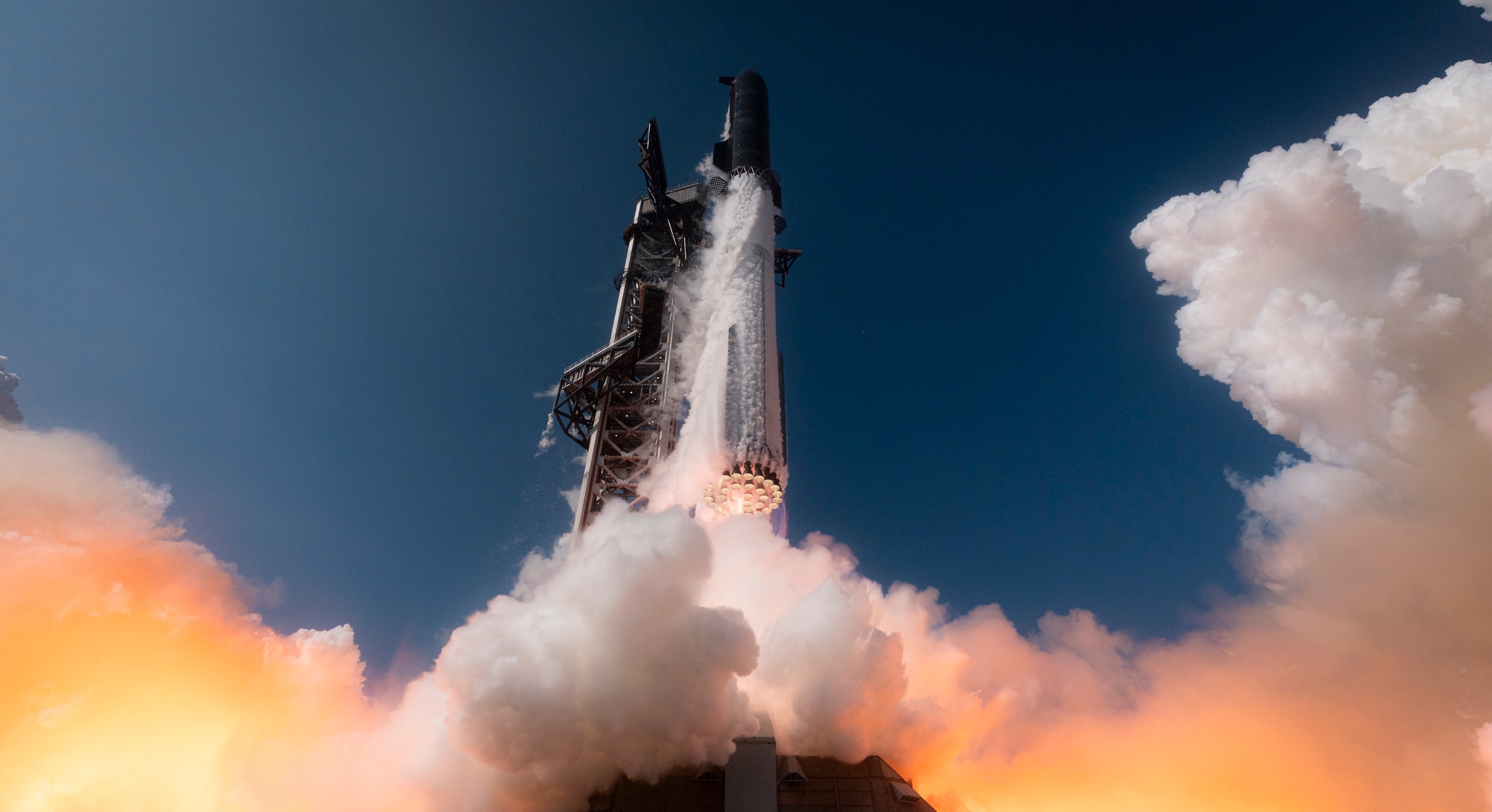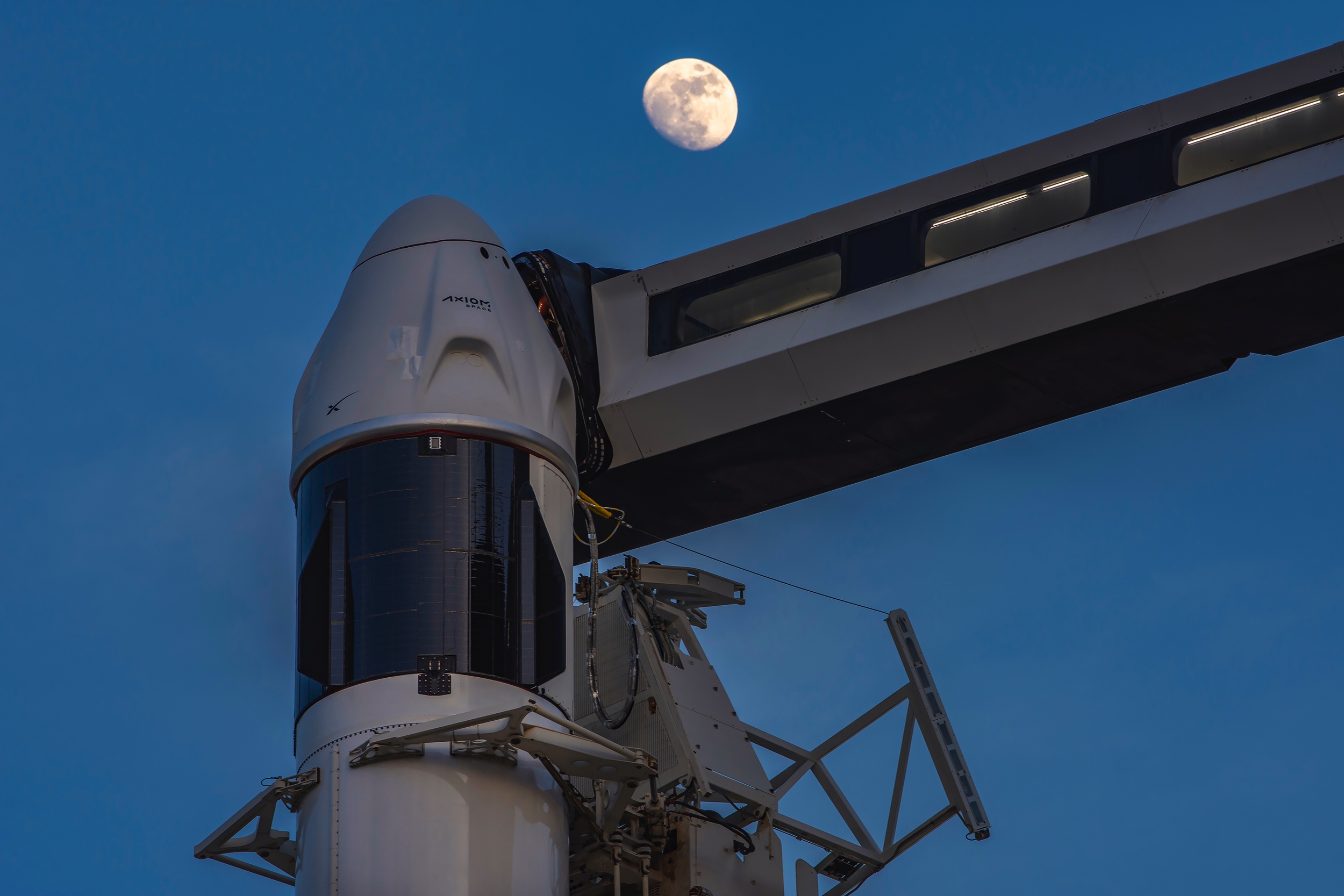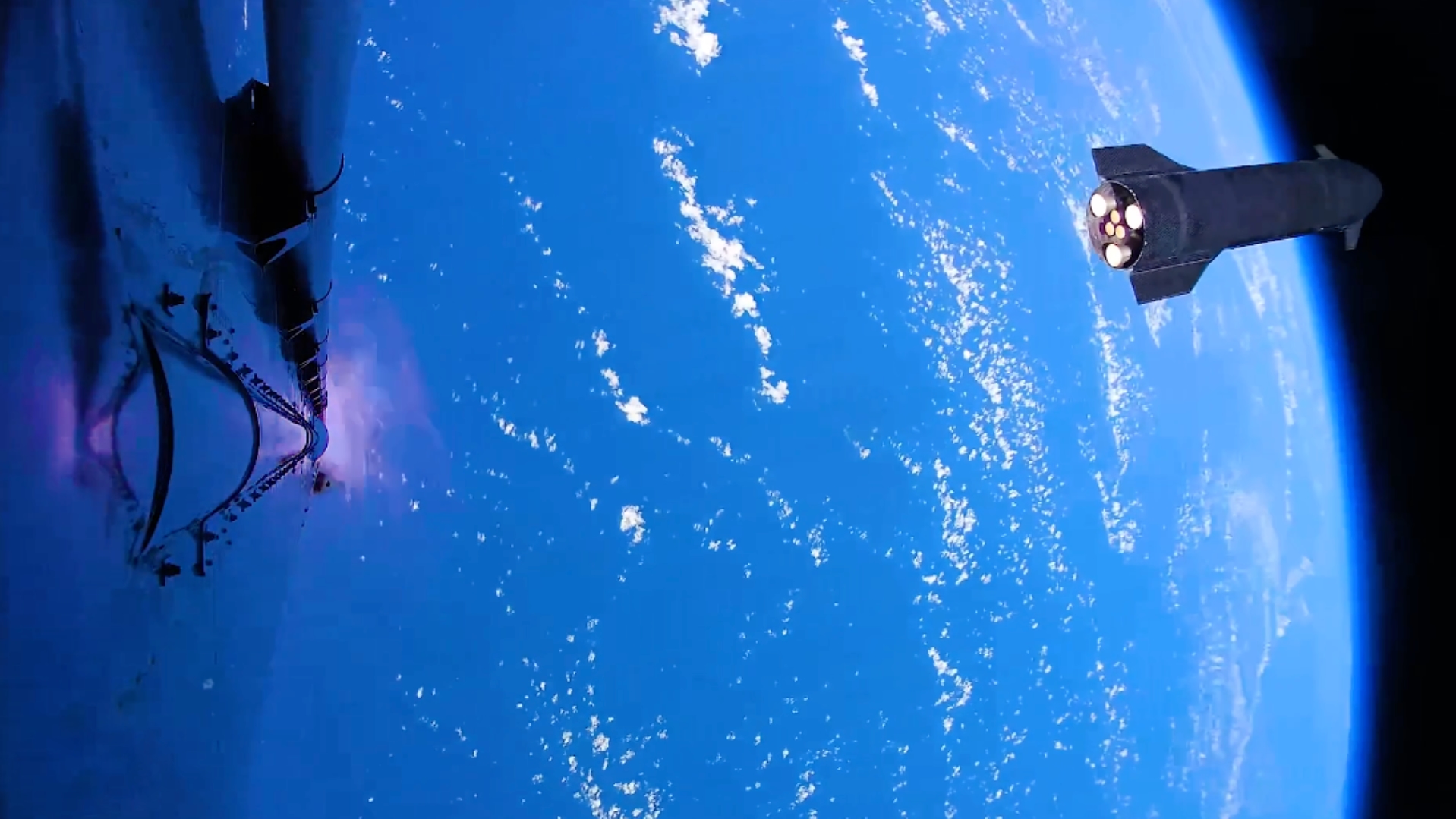
In a significant advancement for lunar exploration and the burgeoning space economy, the Japanese company ispace has announced a new partnership with SpaceX. This collaboration aims to launch a lunar rideshare service, leveraging SpaceX's Starship to transport payloads to the Moon starting in 2030. ispace, which has previously launched missions aboard SpaceX's Falcon 9, is now taking a major step forward by securing 500 kilograms of payload capacity on Starship, a vehicle renowned for its high-capacity and relatively low-cost transport capabilities.
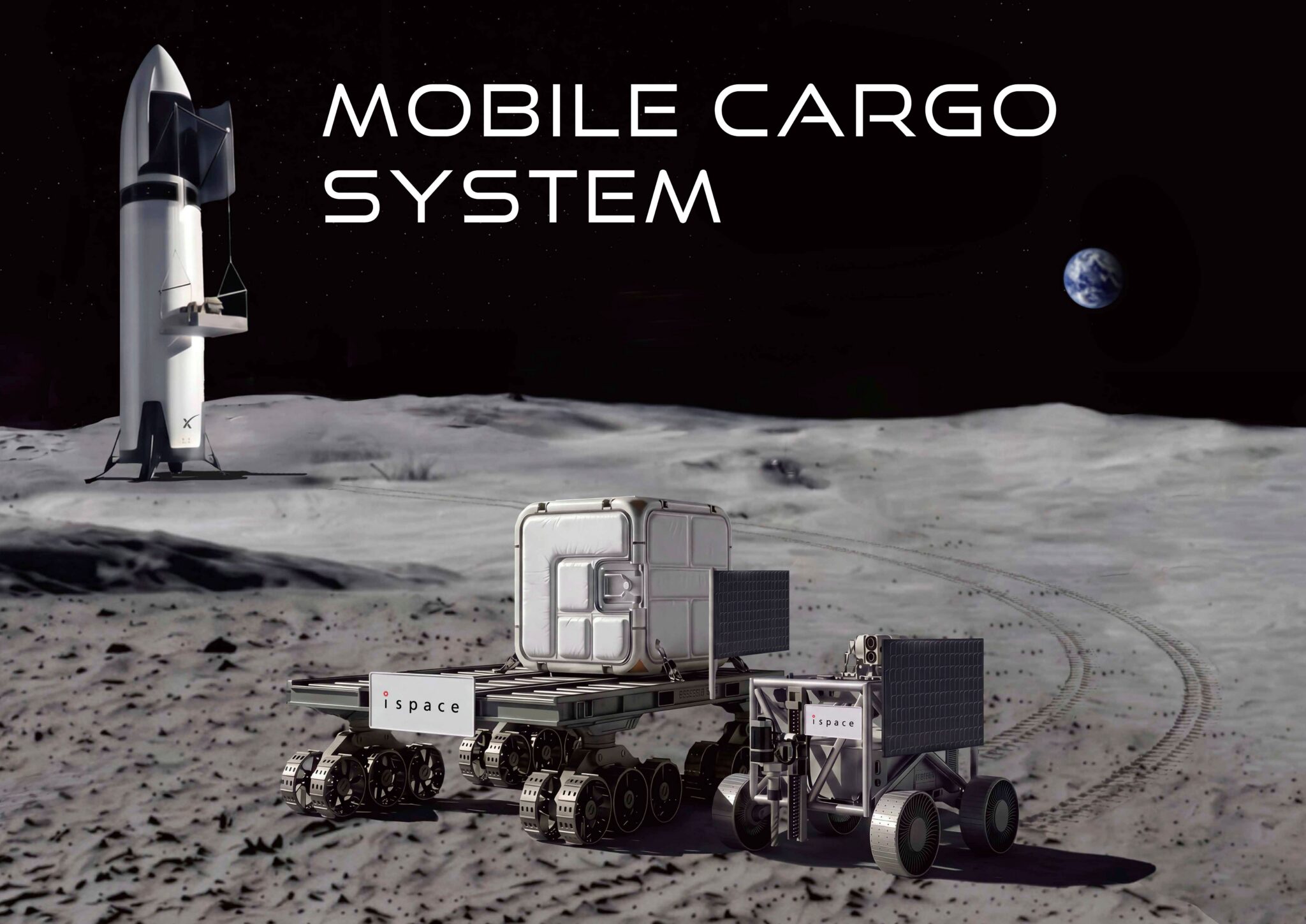
ispace's new service positions the company as a 'Lunar Access Integrator,' offering end-to-end support for organizations aspiring to deliver small payloads to the lunar surface. This comprehensive service includes mission design assistance, payload integration onto ispace's own spacecraft, the procurement of a ride on Starship, and the deployment of payloads from SpaceX's lander on the lunar surface. Central to this initiative is the development of ispace's Mobile Cargo System, a new spacecraft designed to carry a variety of customers' payloads to the Moon.
The integration of Starship into ispace's service offering is expected to facilitate the establishment of sustainable lunar infrastructure. According to Takeshi Hakamada, CEO of ispace, "High-capacity, relatively low-cost lunar transport, such as that provided by Starship, is essential to realizing the sustainable lunar economy that ispace aims to create." This vision aligns with the broader goal of making lunar exploration more accessible and economically viable, potentially paving the way for the construction of permanent infrastructure such as communication systems and transportation networks on the Moon.
This announcement follows ispace's earlier missions, HAKUTO-R Mission 1 and 2, which launched in 2022 and 2025, respectively, but unfortunately ended in crash landings. Despite these setbacks, ispace is undeterred and plans to proceed with three more missions using its ULTRA lander in 2028, 2029, and 2030. The company envisions a future where its landers and SpaceX's Starship work in tandem to deliver both small and larger payloads to the Moon, accommodating a wider range of scientific and commercial missions.
The collaboration between ispace and SpaceX represents a significant shift towards making lunar exploration more accessible to a broader range of entities. By providing a platform that aggregates smaller payloads, ispace enables organizations that might not have the resources to mount a dedicated lunar mission to participate in lunar exploration. This democratization of access to space could accelerate the development of lunar infrastructure and inspire new scientific and commercial initiatives on the Moon.
As demand for lunar transportation increases, ispace has indicated it will consider expanding its services to accommodate larger payloads and extend operations farther from the initial landing sites. This expansion could include the development of additional infrastructure necessary for sustained human and robotic presence on the Moon, thereby supporting future missions and exploration goals set by space agencies and private entities worldwide.
The partnership between ispace and SpaceX is a testament to the growing synergy between commercial space enterprises and the potential for collaborative efforts to drive the next phase of space exploration. As both companies prepare for their ambitious lunar missions, the global space community will be closely watching the unfolding developments, eager to see how these efforts will contribute to a thriving lunar economy.