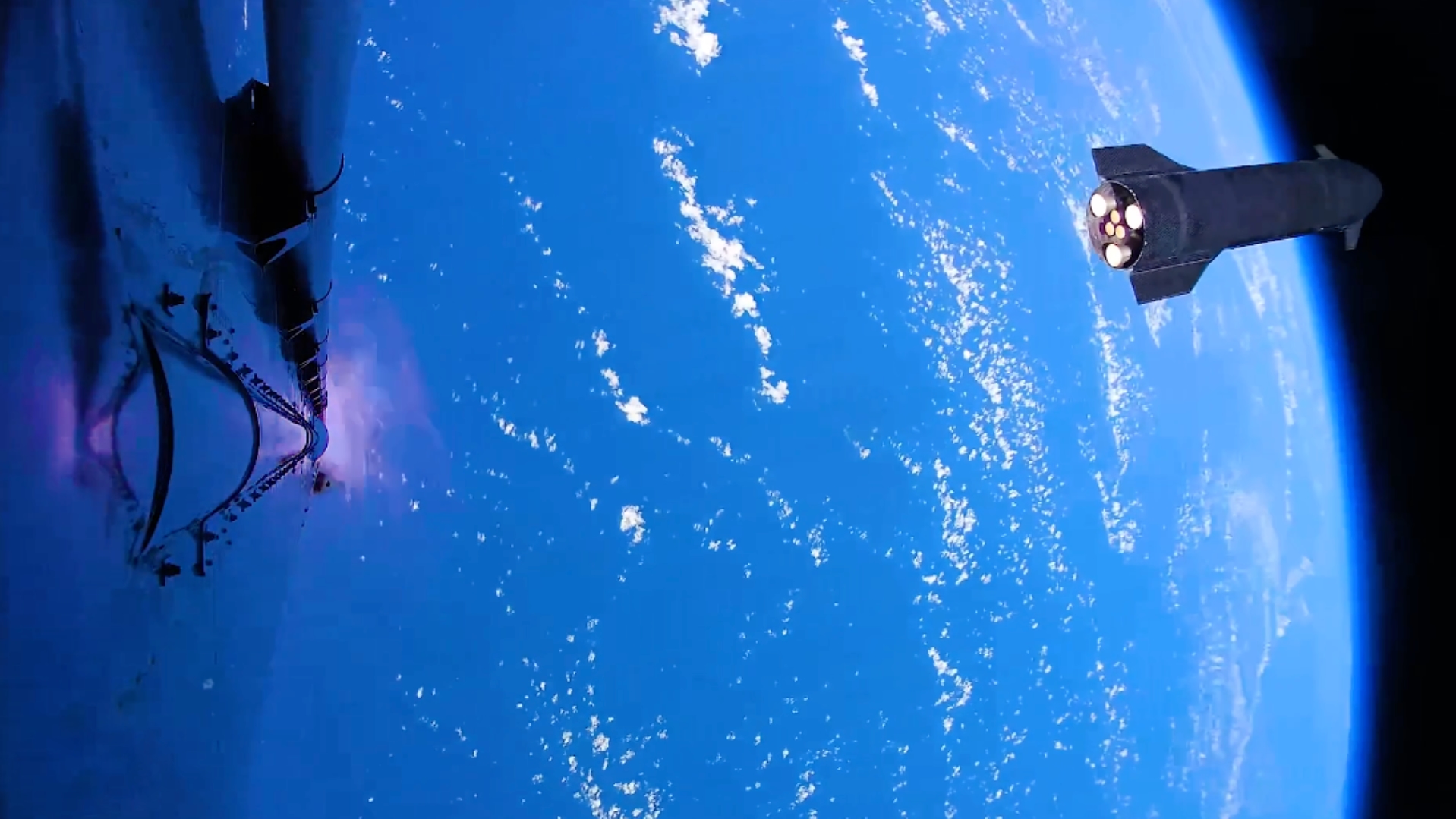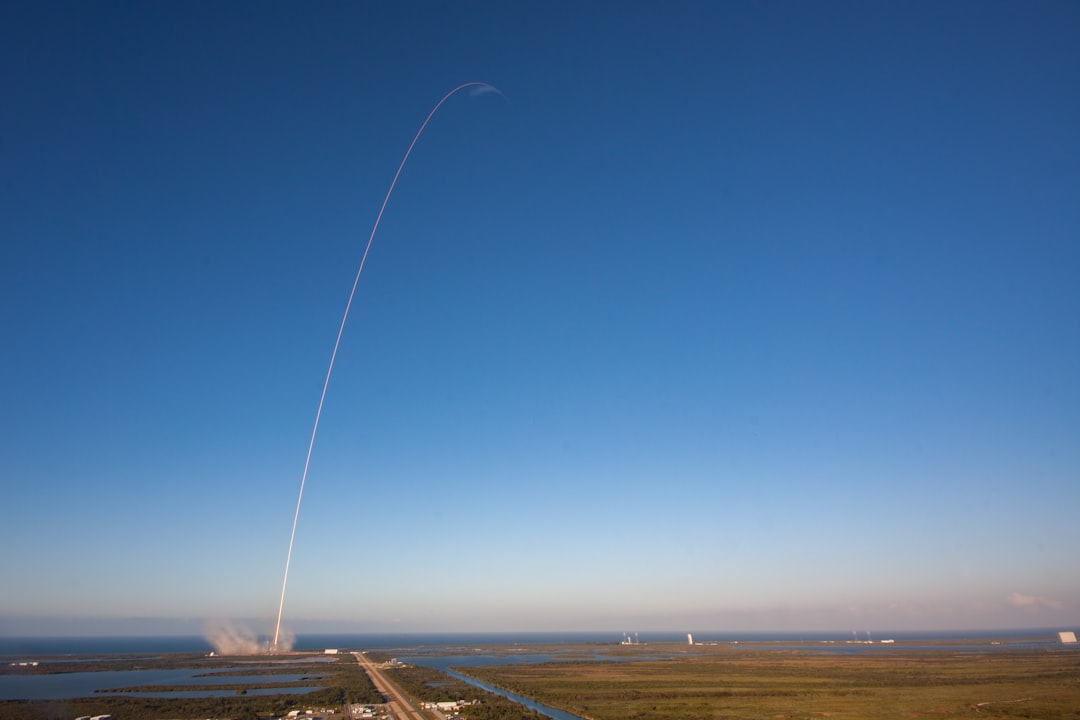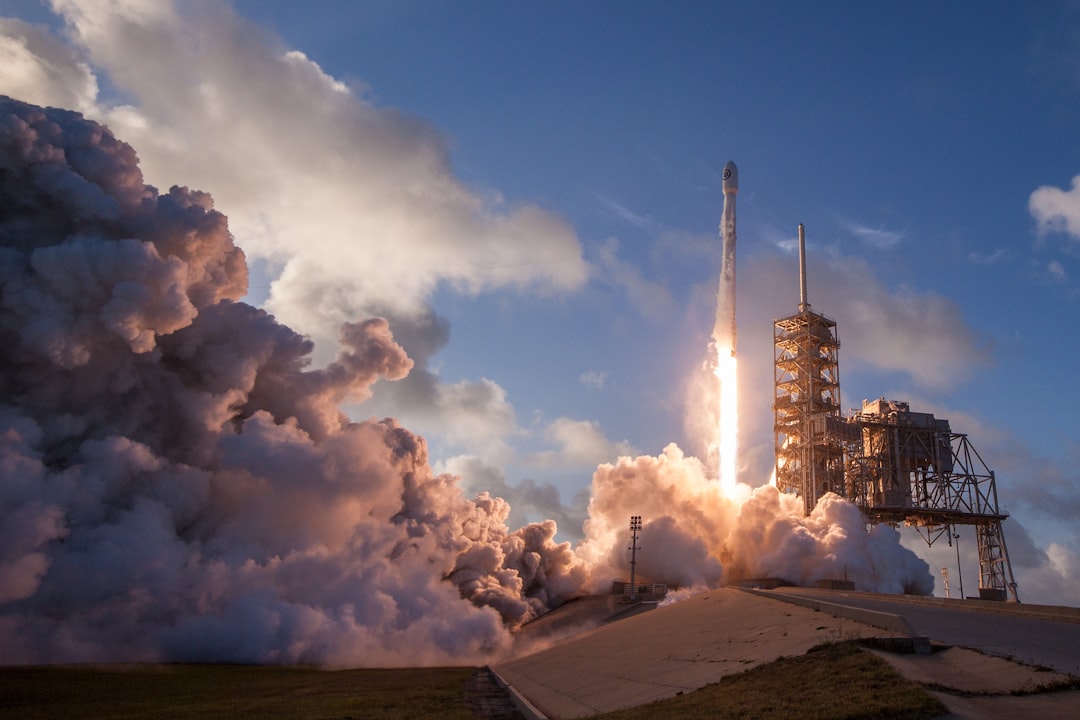
SpaceX has successfully launched its most formidable Starship yet on a test flight, marking a pivotal moment in the company's journey toward supporting NASA's lunar exploration ambitions. This upgraded version of Starship, the largest and most powerful ever constructed, took flight on Friday, showcasing enhancements critical to its role in future lunar missions.
The latest iteration of the Starship is a cornerstone of SpaceX’s collaboration with NASA, which aims to land astronauts on the moon. This test flight not only demonstrates SpaceX's commitment to refining its technology but also aligns with NASA's Artemis program objectives, which include sustainable lunar exploration and the establishment of a long-term human presence on the moon.
SpaceX's Starship is designed to be a fully reusable spacecraft capable of carrying both crew and cargo to a variety of destinations, including the moon and Mars. The enhancements in this version focus on increasing payload capacity and improving the vehicle's overall performance, crucial for the demanding conditions of lunar landings.
The success of this test flight is a testament to the iterative development process employed by SpaceX, which involves rapid prototyping and frequent testing. This approach allows the company to identify and resolve potential issues swiftly, accelerating the advancement of their spacecraft technology.
NASA is relying on SpaceX's Starship as the Human Landing System for the Artemis mission's crewed lunar landings. This partnership underscores the importance of commercial space companies in achieving NASA’s goals of returning humans to the moon and eventually reaching Mars.
The recent launch is part of a series of tests that SpaceX will conduct to validate the Starship's capabilities and readiness for operational missions. Each successful flight brings SpaceX closer to its ambitious goals, providing critical data to refine both the vehicle's design and its operational procedures.
As SpaceX continues to push the boundaries of space exploration, the global space community watches closely. The advancements made through these test flights not only contribute to NASA's mission but also pave the way for future commercial and scientific ventures beyond Earth.