The Japan Aerospace Exploration Agency (JAXA) has once again demonstrated its prowess in space exploration with the successful flyby of asteroid 98943 Torifune by the Hayabusa 2 spacecraft. This operation, conducted on July 5, 2026, is part of the spacecraft's extended mission, which aims to contribute to planetary defense research by studying near-Earth objects.
Hayabusa 2, which originally launched in 2014, completed its primary mission of collecting samples from the asteroid Ryugu and returning them to Earth in December 2020. Following this success, JAXA extended its mission to include further asteroid encounters, specifically targeting Torifune and the much smaller asteroid 1998 KY26, planned for 2031.
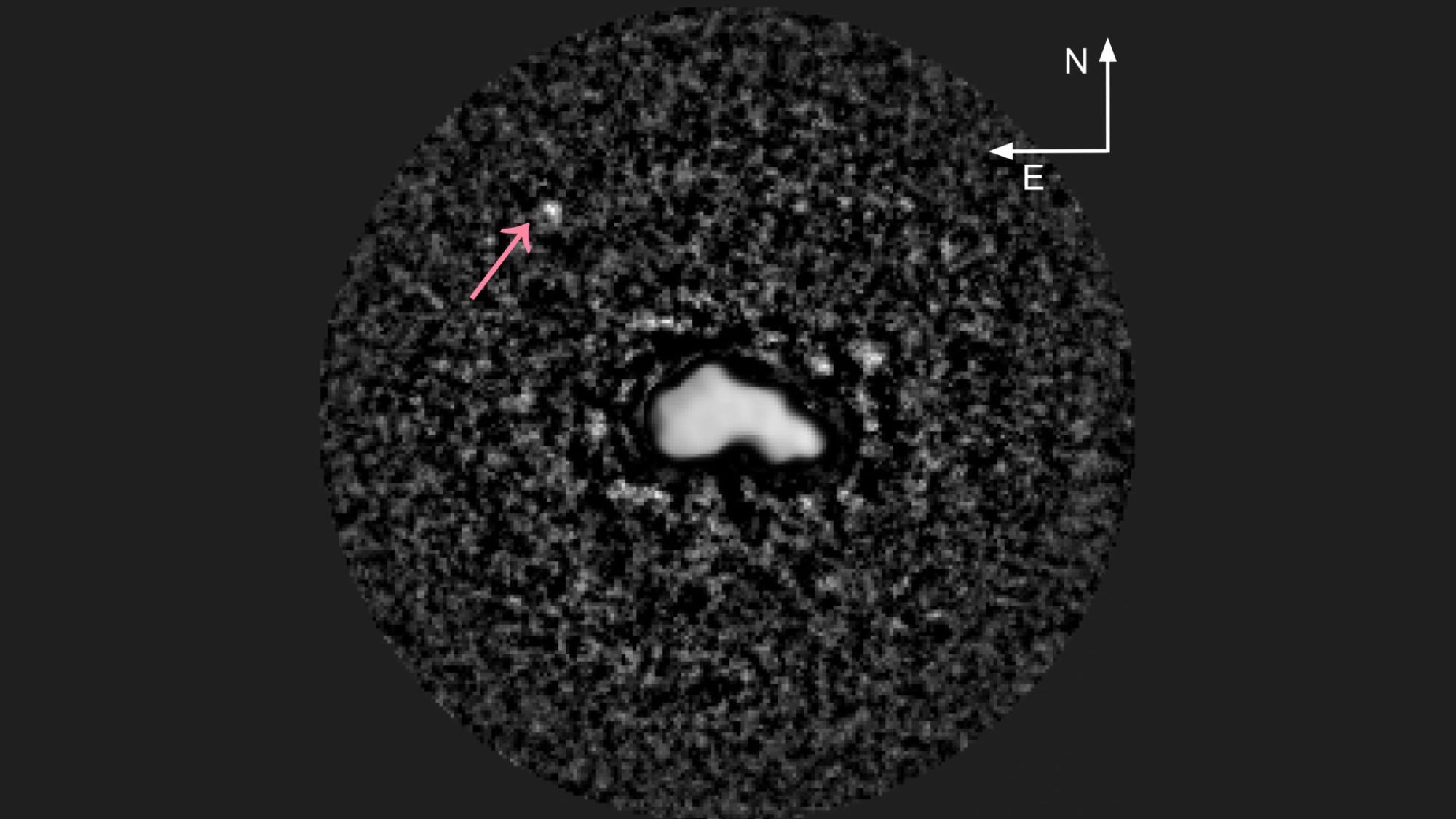
The recent flyby of Torifune, an Apollo-type near-Earth asteroid approximately 450 meters in diameter, provided a unique opportunity to test advanced navigation and imaging techniques necessary for future planetary defense strategies. The primary objective was to perform a close flyby without collision, achieving a minimal distance of about 800 meters from the asteroid's center. This proximity allowed Hayabusa 2 to capture high-resolution images and other scientific data, essential for understanding the asteroid's composition and structure.
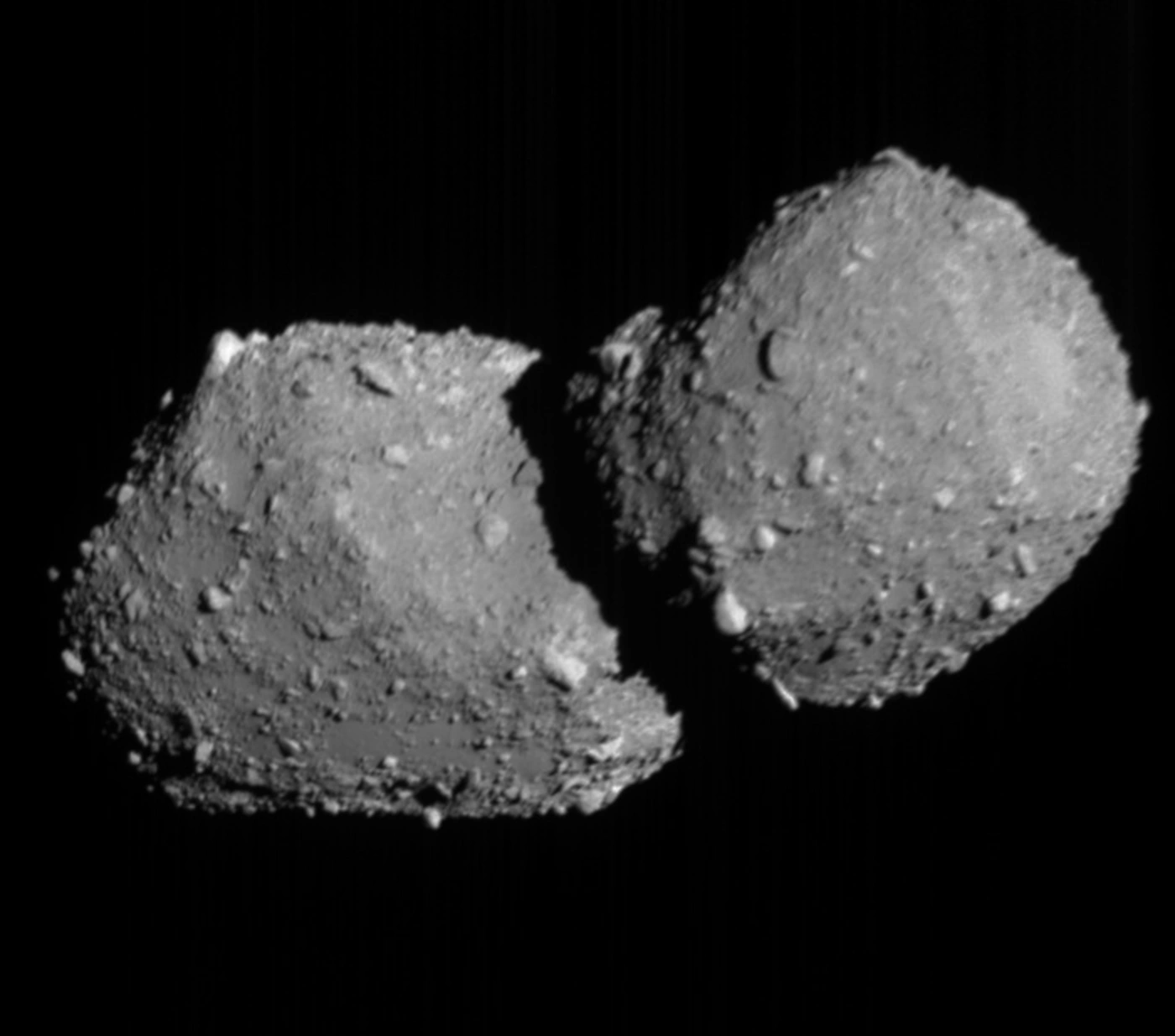
Torifune's intriguing shape, as revealed by the flyby, is that of a contact binary—a configuration where two separate asteroids have joined to form a single body. This bilobed structure, reminiscent of a snowman, is believed to have formed through a low-speed collision. Such formations provide insights into the evolutionary processes of small solar system bodies, which can grow into larger objects, potentially becoming planets.
Ernesto Palomba, a researcher from INAF in Rome and a member of the Hayabusa 2 team, emphasized the significance of this mission. "These encounters are defined as planetary defense missions because they target the interception and characterization of these small, hard-to-track objects at high speeds," he noted. The flyby achieved an interception speed of approximately 5 km/s, underscoring the technological prowess required for such precise maneuvers.
In addition to its Optical Navigation Camera, Hayabusa 2 utilized several other instruments during the flyby, including the Near-Infrared Spectrometer (NIRS3), the Thermal InfraRed Imager (TIR), and LIDAR, to gather comprehensive data on Torifune's surface and composition. These observations are crucial for refining models of asteroid structure and behavior, which are essential for developing effective planetary defense strategies.
The mission's success not only highlights JAXA's technical capabilities but also adds to the growing body of knowledge needed to protect Earth from potential asteroid impacts. The planned future encounter with 1998 KY26, a mere 11 meters in diameter, will further enhance humanity's ability to deal with small but potentially hazardous asteroids.
Named through a public contest, "Torifune" honors a Japanese god and his ship, known for traveling safely and swiftly. This symbolism aptly reflects the mission's dual goals of exploration and safety. The continuing efforts of Hayabusa 2, alongside other international missions like NASA's Lucy and ESA's Rosetta, are crucial in painting a more comprehensive picture of our solar system's smaller inhabitants and the risks they pose.