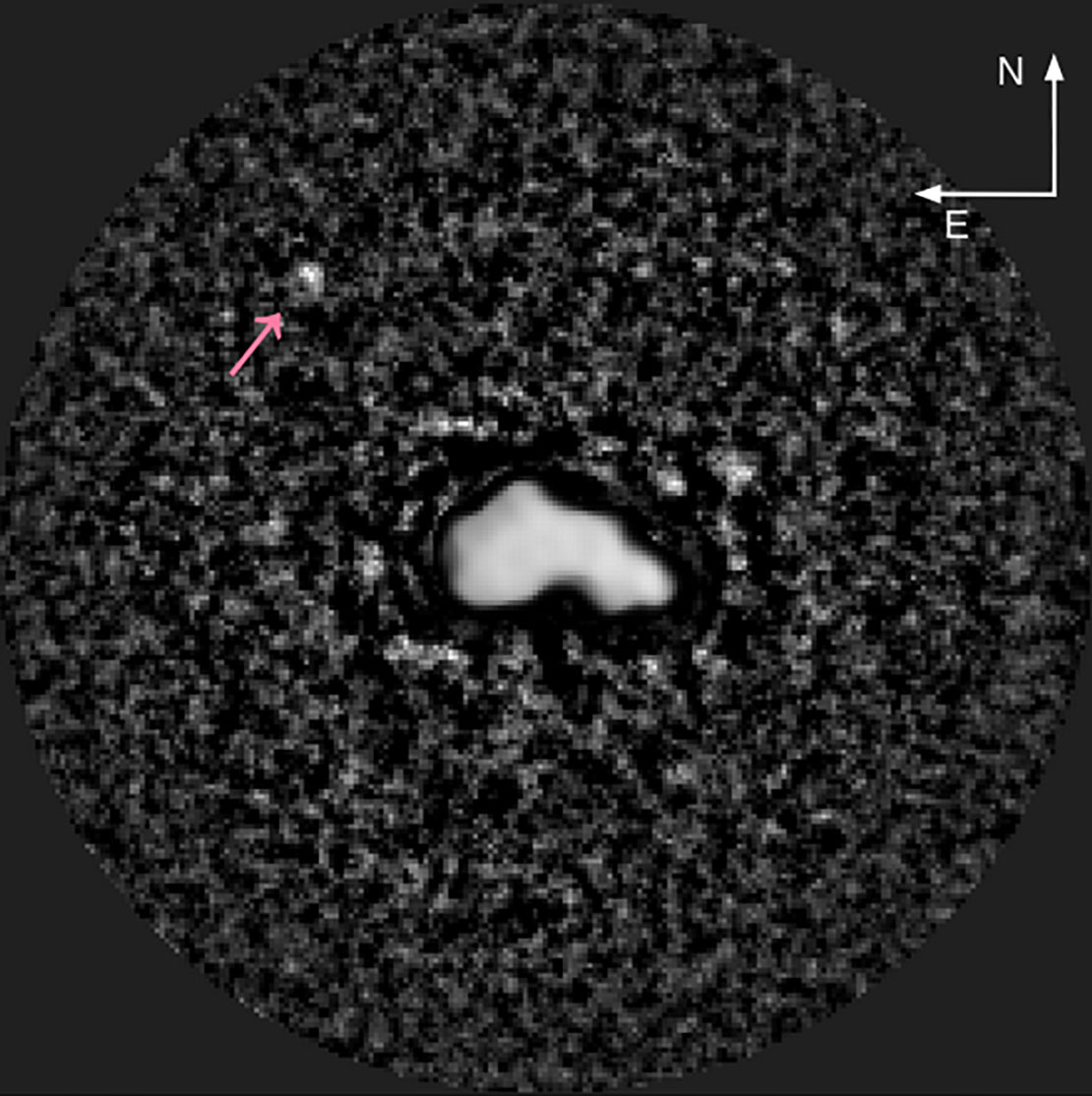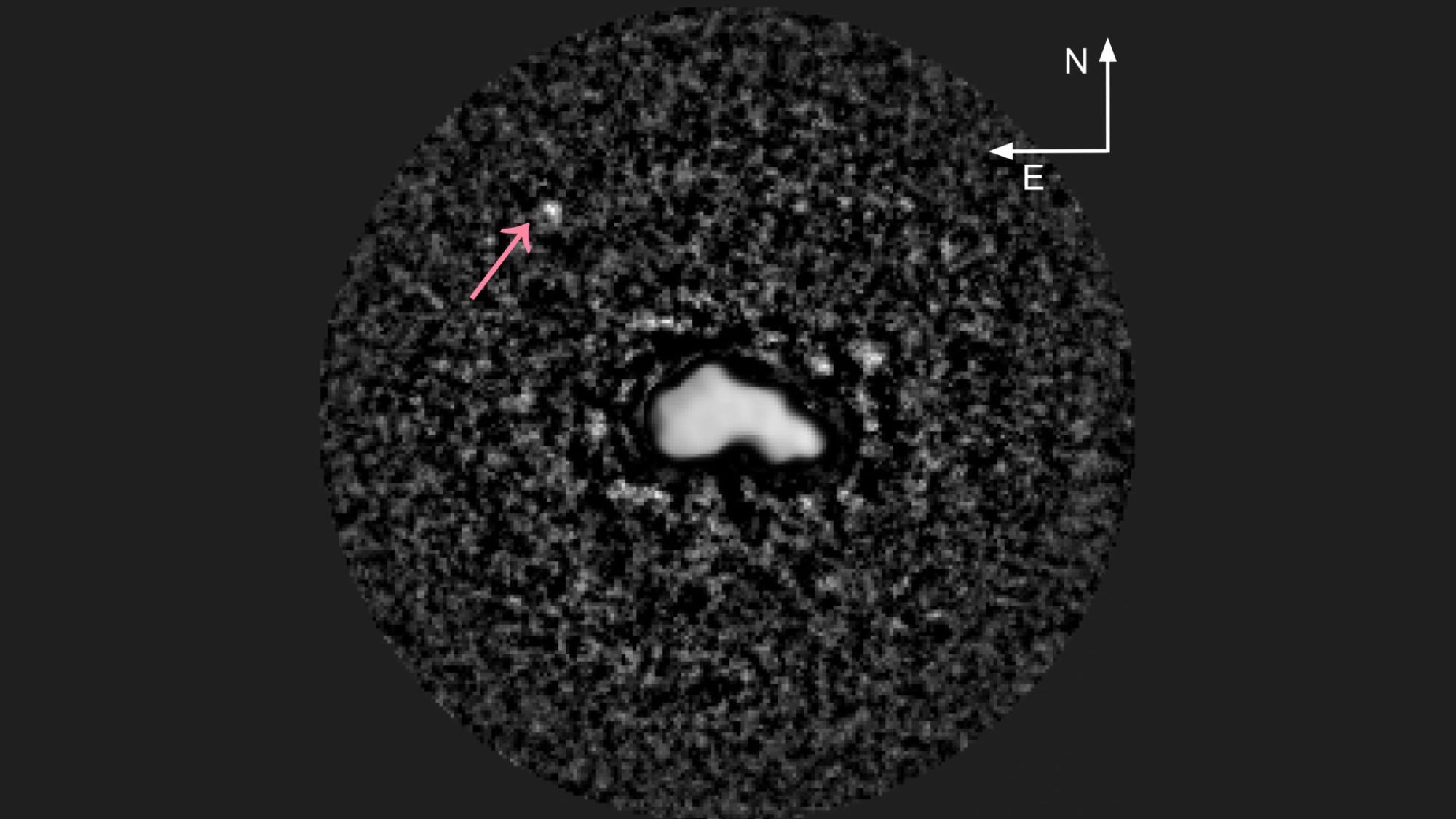
Asteroid (44) Nysa, one of the brightest and largest bodies in the asteroid belt, has captivated astronomers with its rare three-lobed structure and a newly discovered lunar companion. Recent studies have offered a deeper understanding of this celestial marvel, revealing its classification as an E-type asteroid, composed of unusually bright, enstatite-rich material.
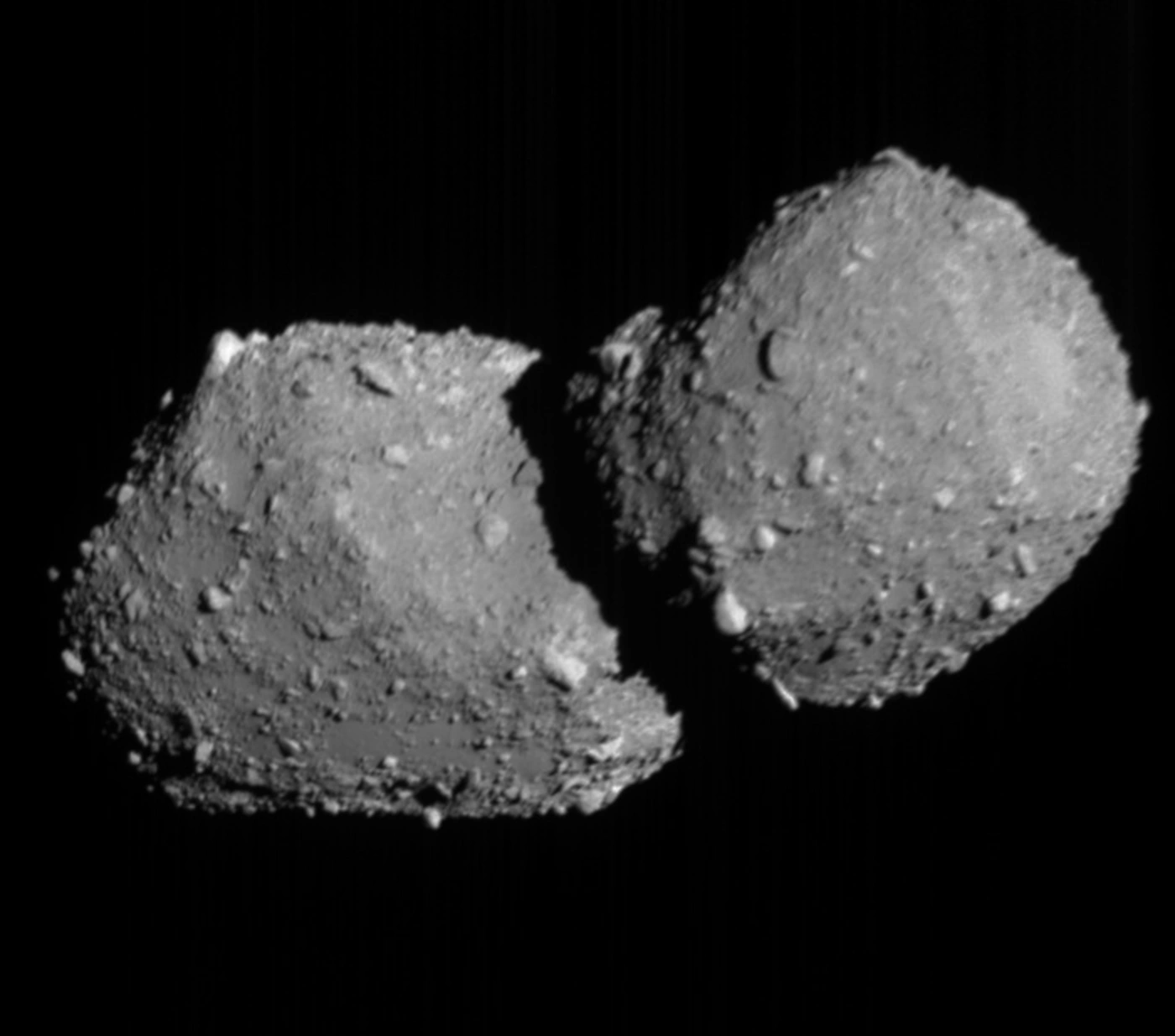
Named after the mythical valley where Dionysus was raised, Nysa has long been an enigma for astronomers. Despite previous observations using the Hubble Space Telescope and Arecibo Observatory, its exact form remained elusive until now. Advanced imaging techniques have uncovered two deep valleys that encircle the asteroid, suggesting that these may be necks joining three distinct lobes into a single 75-kilometer body.
This discovery challenges existing models of asteroid formation, as Nysa's unique structure and composition could provide crucial insights into the processes that shaped the early solar system. The presence of a small moon, approximately a kilometer in diameter, further complicates the narrative, offering potential clues to the asteroid's evolutionary history.
The implications of these findings extend beyond the asteroid itself. By studying Nysa, scientists hope to gain a better understanding of the conditions that led to the formation of planets. The asteroid's composition and structure may hold the key to unlocking the mysteries of planetary genesis, providing a new perspective on the building blocks of our solar system.