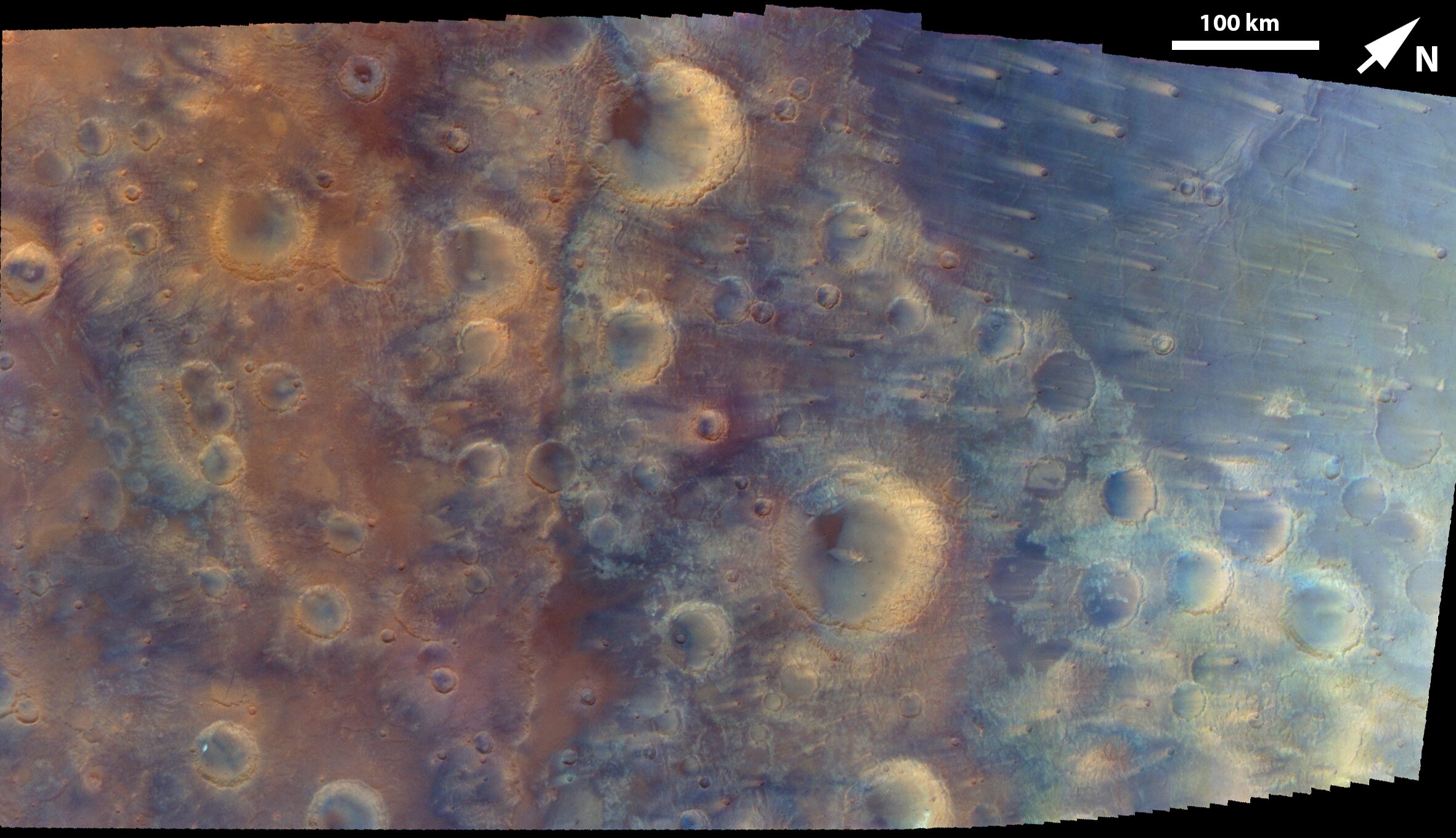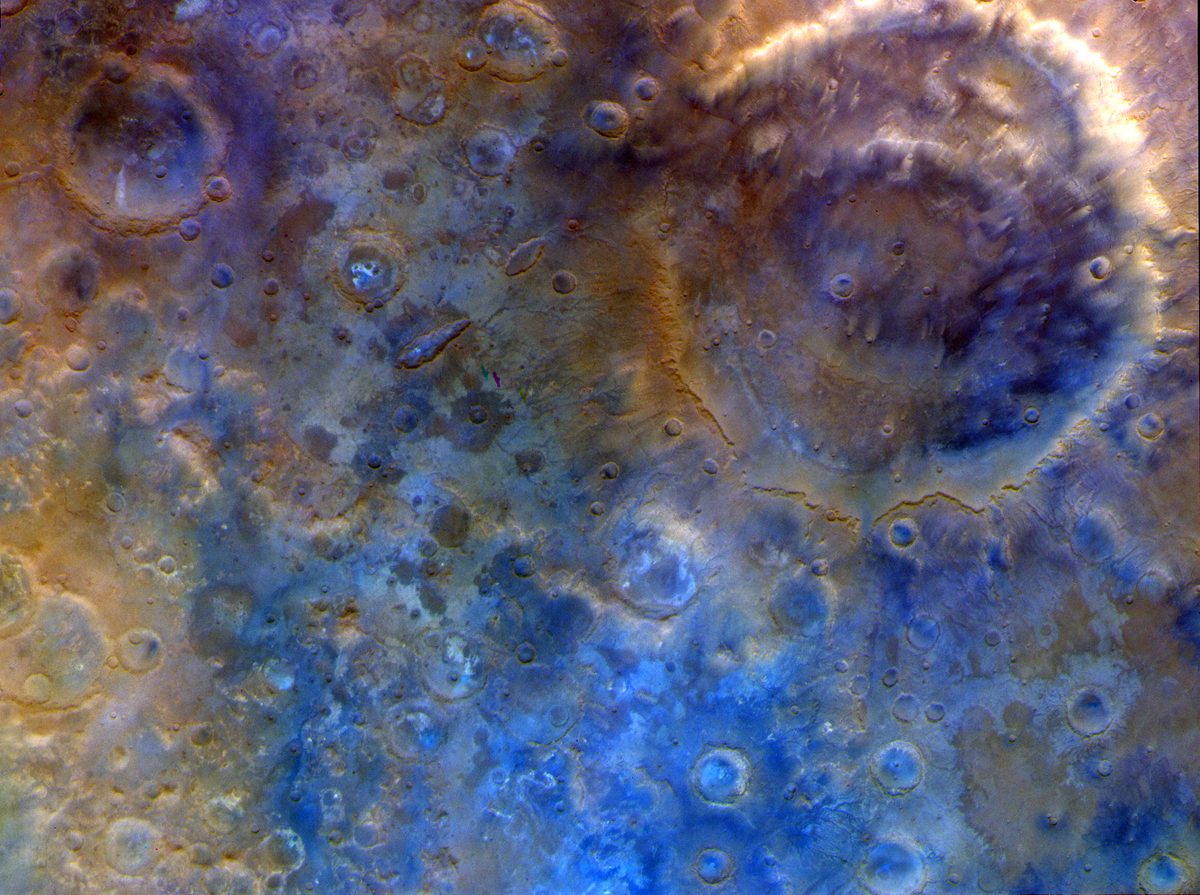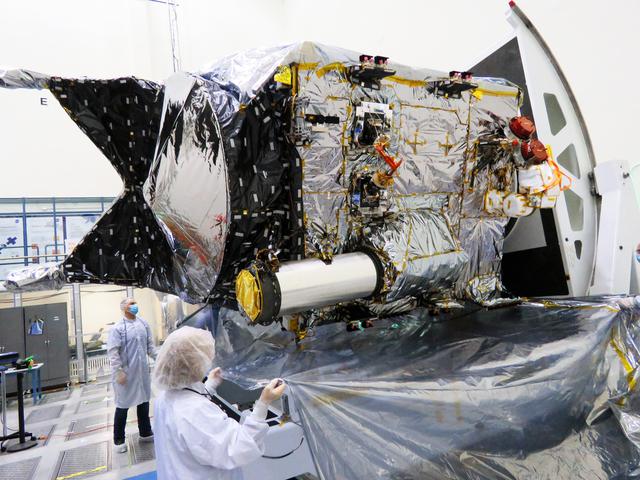
NASA's Psyche mission recently accomplished a significant milestone by successfully completing a flyby of Mars on May 15, 2026. During this maneuver, the spacecraft approached as close as 2,864 miles (4,609 kilometers) to the Martian surface. This proximity was not merely for observation but served a crucial purpose: leveraging Mars' gravity to enhance Psyche's velocity and adjust its orbital path.
The mission's primary goal is the exploration of 16 Psyche, a metal-rich asteroid located in the asteroid belt between Mars and Jupiter. Unlike many other asteroids that are primarily rocky or icy, 16 Psyche is believed to be composed largely of metallic iron and nickel, akin to Earth's core. This unique composition makes it a subject of great interest to scientists seeking to understand more about the building blocks of terrestrial planets and the history of our Solar System.
The Mars flyby was a strategic maneuver, commonly known as a gravity assist, which is employed to conserve onboard fuel while achieving the necessary trajectory and speed adjustments. By harnessing the gravitational pull of Mars, the spacecraft gained the momentum required to propel it towards its destination without consuming additional propellant. This technique is a testament to the intricate planning and precision involved in interplanetary missions.
As the spacecraft continues its journey, scientists and engineers eagerly anticipate the wealth of data it is expected to gather upon reaching 16 Psyche. The mission could provide unprecedented insights into planetary cores, as the asteroid might represent the exposed metallic core of an early planet that never fully developed. Understanding such bodies can offer clues about the evolutionary processes that shaped the Solar System.
The successful execution of the Mars flyby is a crucial step in the mission timeline, setting the stage for the spacecraft's arrival at the asteroid in the coming years. The data collected could potentially revolutionize our understanding of planetary formation and the dynamic processes that govern our cosmic neighborhood.