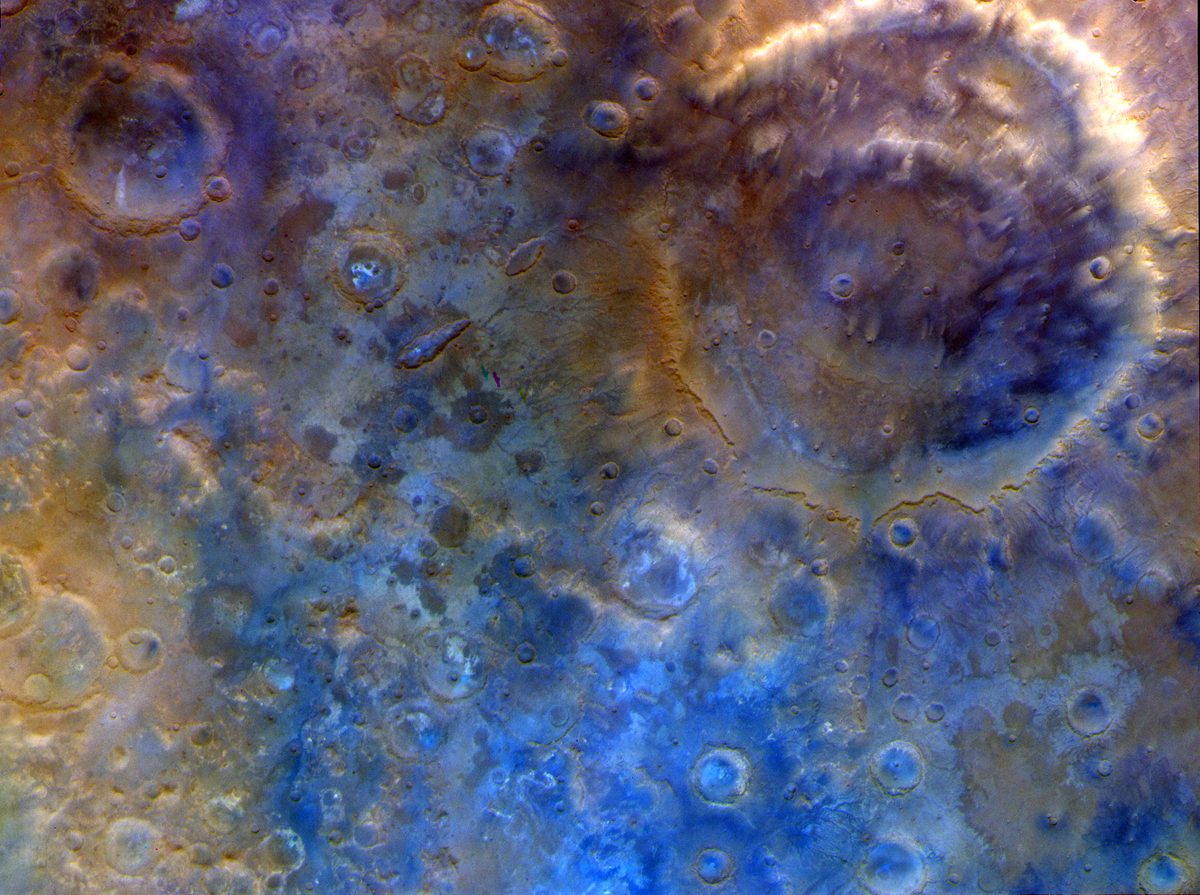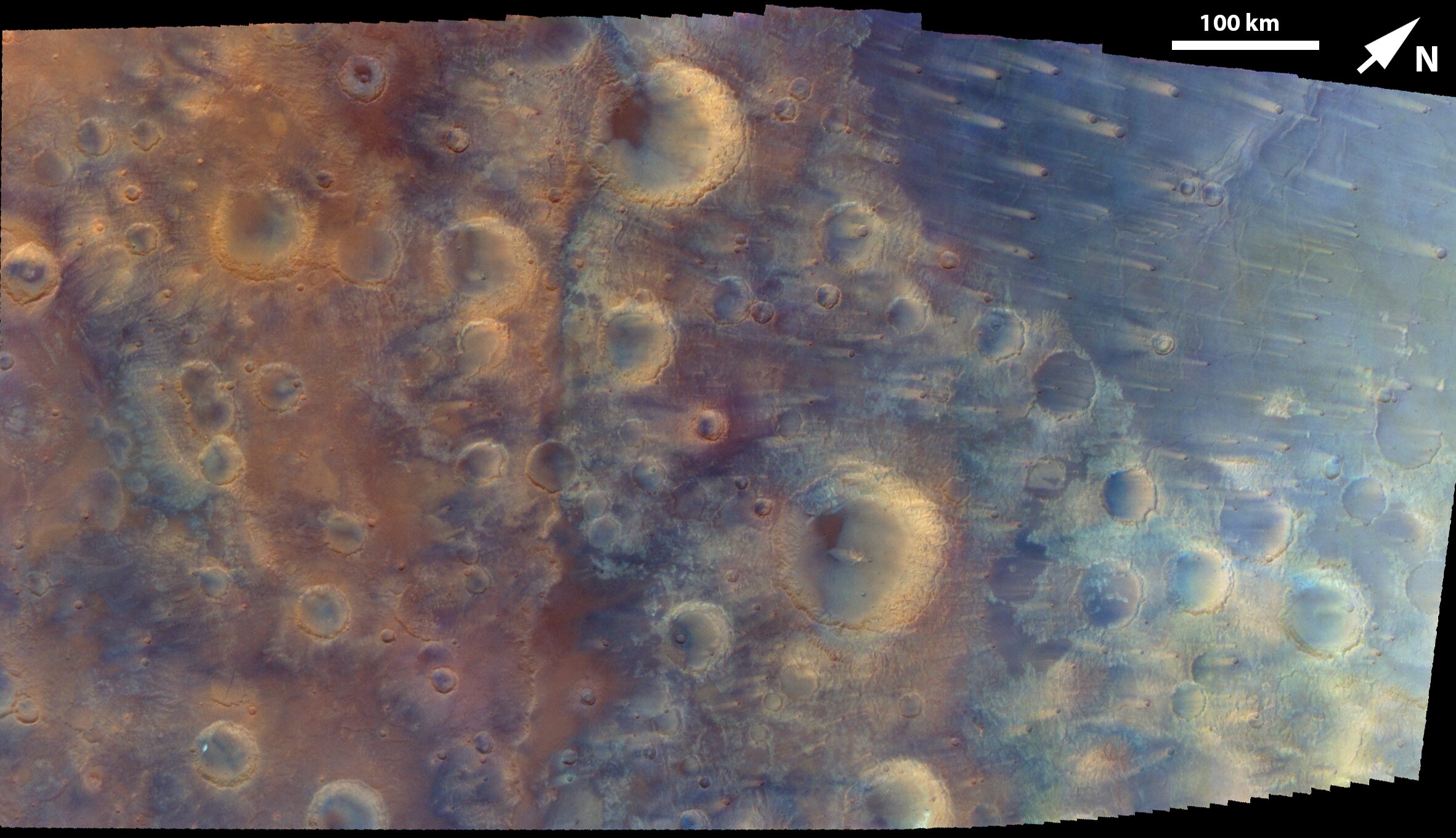
NASA's Psyche mission, a cutting-edge endeavor aimed at exploring the metal-rich asteroid Psyche, has recently achieved a significant milestone by completing a successful flyby of Mars. This maneuver not only provided the spacecraft with a gravitational boost to optimize its trajectory but also offered an invaluable opportunity to test its suite of scientific instruments. The flyby, which took place on May 15, 2026, has already yielded impressive data and stunning visual records of the Red Planet.
The spacecraft's approach to Mars was meticulously documented through a series of images captured by its multispectral imager. These images, taken from May 2 to May 15, 2026, depict the growing crescent of Mars as the spacecraft neared the planet. As the Psyche mission approached Mars from a high phase angle, the planet appeared as a thin crescent, illuminated by the sunlight reflecting off its surface. This sequence of images was later compiled into a remarkable time-lapse video showcasing the spacecraft's approach, close encounter, and departure from Mars.
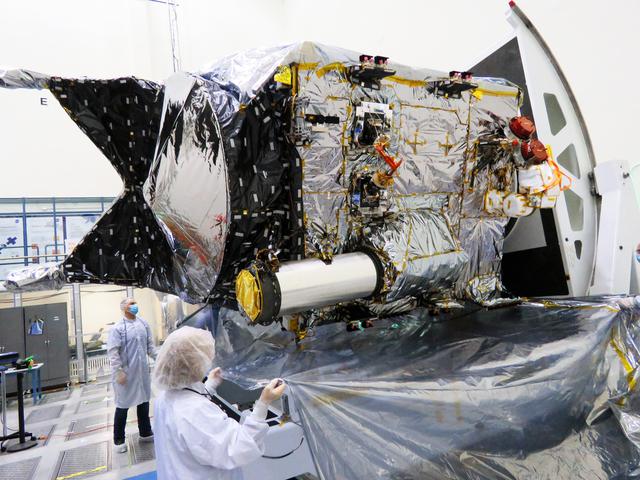
The primary aim of the Mars flyby was to exploit the planet's gravity to increase the spacecraft's speed and slightly adjust its trajectory towards the asteroid Psyche, which it is expected to reach in 2029. However, this encounter also served as a vital test for Psyche's scientific instruments in preparation for studying the asteroid. The flyby provided an opportunity to verify the performance of the mission's key instruments: the imager, magnetometer, and gamma-ray and neutron spectrometer.
Lindy Elkins-Tanton, the principal investigator for the Psyche mission at the University of California, Berkeley, expressed satisfaction with the results, stating, "The mission's imager, magnetometer, and gamma-ray and neutron spectrometer teams worked overtime to make full use of this planetary encounter, and all instruments delivered great results." Although Mars has been extensively studied, the data collected during the flyby complemented existing knowledge with Psyche's unique perspective.
One notable achievement was the performance of the gamma-ray and neutron spectrometer, designed to help scientists determine the chemical elements that compose the surface material of celestial bodies. As high-energy cosmic rays strike a planetary body, they interact with the surface elements, causing emissions of neutrons and gamma rays. By analyzing these emissions, scientists can infer the elemental composition of the surface. Although the flyby altitude of 2,864 miles (4,609 kilometers) was too far to measure gamma rays from Mars, the data provided a valuable rehearsal for the forthcoming asteroid exploration.
This successful Mars flyby marks a pivotal moment in the Psyche mission, underscoring the spacecraft's readiness for its primary mission: the exploration of the asteroid Psyche. This asteroid, believed to be composed primarily of metallic iron and nickel, offers a unique opportunity to study a planetary core up close, potentially revealing insights into the building blocks of planet formation.
The Psyche mission forms part of NASA's broader efforts to explore and understand the solar system's diverse bodies. As the spacecraft continues its journey to the asteroid Psyche, scientists are eager to see how the data and experience gained from the Mars flyby will enhance their understanding of both the Red Planet and the asteroid.
The mission's success so far reaffirms NASA's commitment to pioneering space exploration and broadening our comprehension of the cosmos. As the Psyche spacecraft continues its voyage, it stands poised to unlock new mysteries of our solar system, offering insights that could reshape our understanding of planetary formation and evolution.