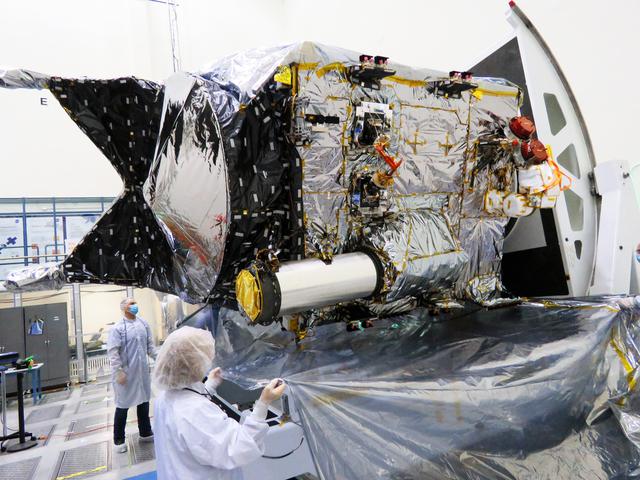
NASA's ambitious Psyche mission marked a significant milestone with its recent successful flyby of Mars, conducted on May 15. This event brought the spacecraft within 2,864 miles (4,609 kilometers) of the Martian surface, allowing it to perform critical calibrations and gather valuable scientific data.
The Mars flyby served as a gravity assist maneuver, a crucial step in adjusting the spacecraft's trajectory for its primary mission objective: to study the metallic asteroid Psyche. The use of Mars' gravitational pull helps in redirecting and accelerating the spacecraft towards its destination in the asteroid belt, optimizing fuel efficiency and ensuring mission success.
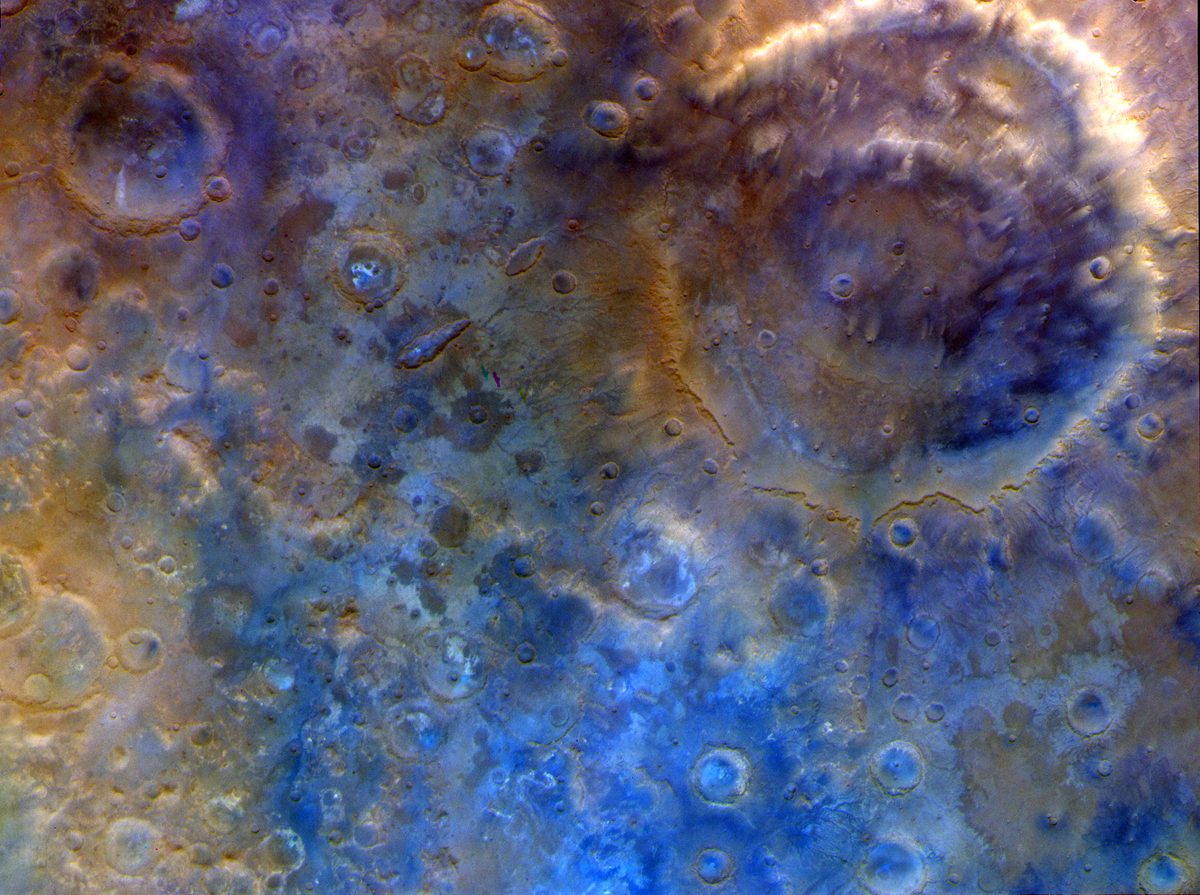
During this close encounter with Mars, the Psyche spacecraft utilized its advanced multispectral imager instrument to capture a series of images. Among these, a representative color image highlights the double-ring crater Huygens, along with the surrounding heavily cratered southern highlands. These images not only provide a glimpse of Mars' geological features but also assist scientists in calibrating the spacecraft's instruments for future observations.
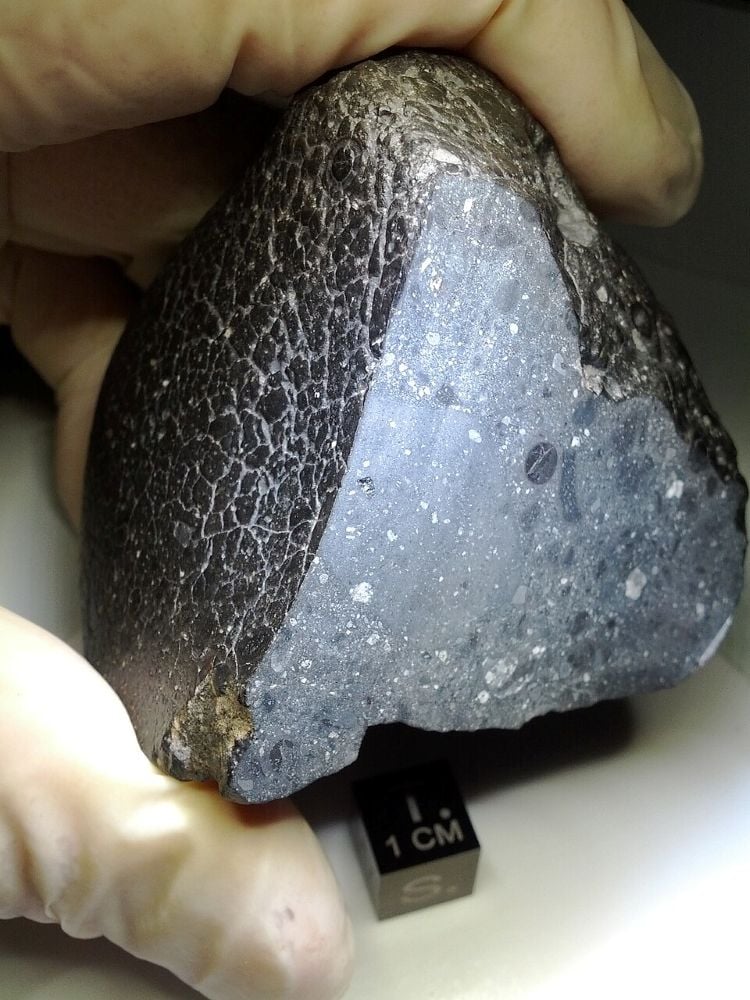
The Psyche mission, managed by NASA, is particularly focused on deepening our understanding of planetary formation and the building blocks of rocky planets. The target of this mission, the asteroid Psyche, is believed to be an exposed nickel-iron core of an early planet, offering a unique opportunity to study a planet-like body up close.
This mission marks the first time scientists will directly observe such a metallic body, potentially providing insights into the violent history of collisions and accretion in the early solar system. By analyzing the composition and properties of the asteroid, researchers hope to gain a better understanding of the processes that shaped our own planet and others.
The successful Mars flyby is a testament to the careful planning and execution by NASA's team, paving the way for future milestones as the spacecraft continues its journey. The mission is expected to reach the asteroid Psyche in 2029, where it will orbit and study the asteroid for 21 months, gathering data that could redefine our understanding of planetary cores.
The Psyche spacecraft's achievements so far underscore the importance of international collaborations and technological advancements in space exploration. As the mission progresses, it promises to contribute significantly to our knowledge of the solar system's history and the complex processes that govern planetary formation.