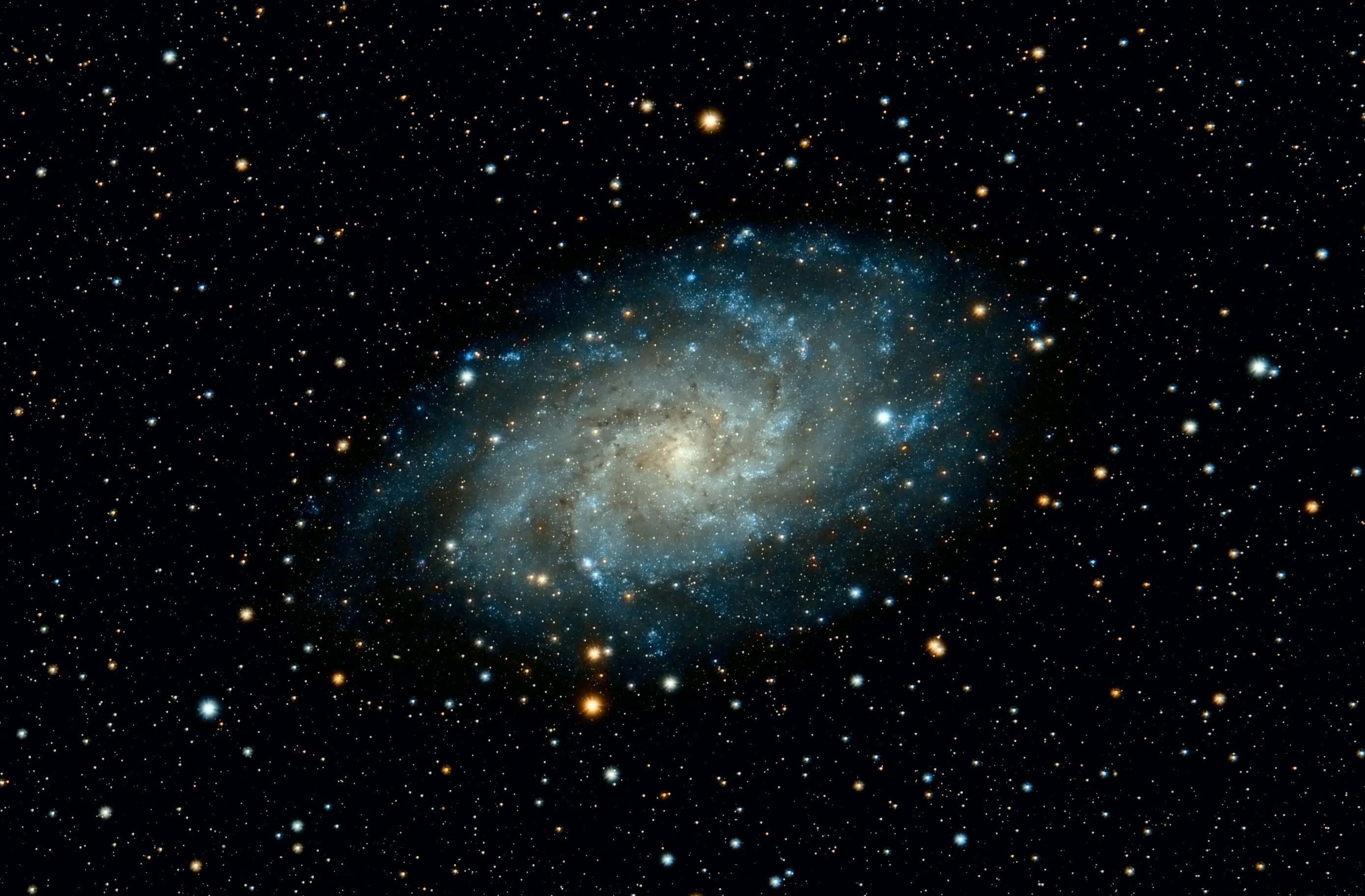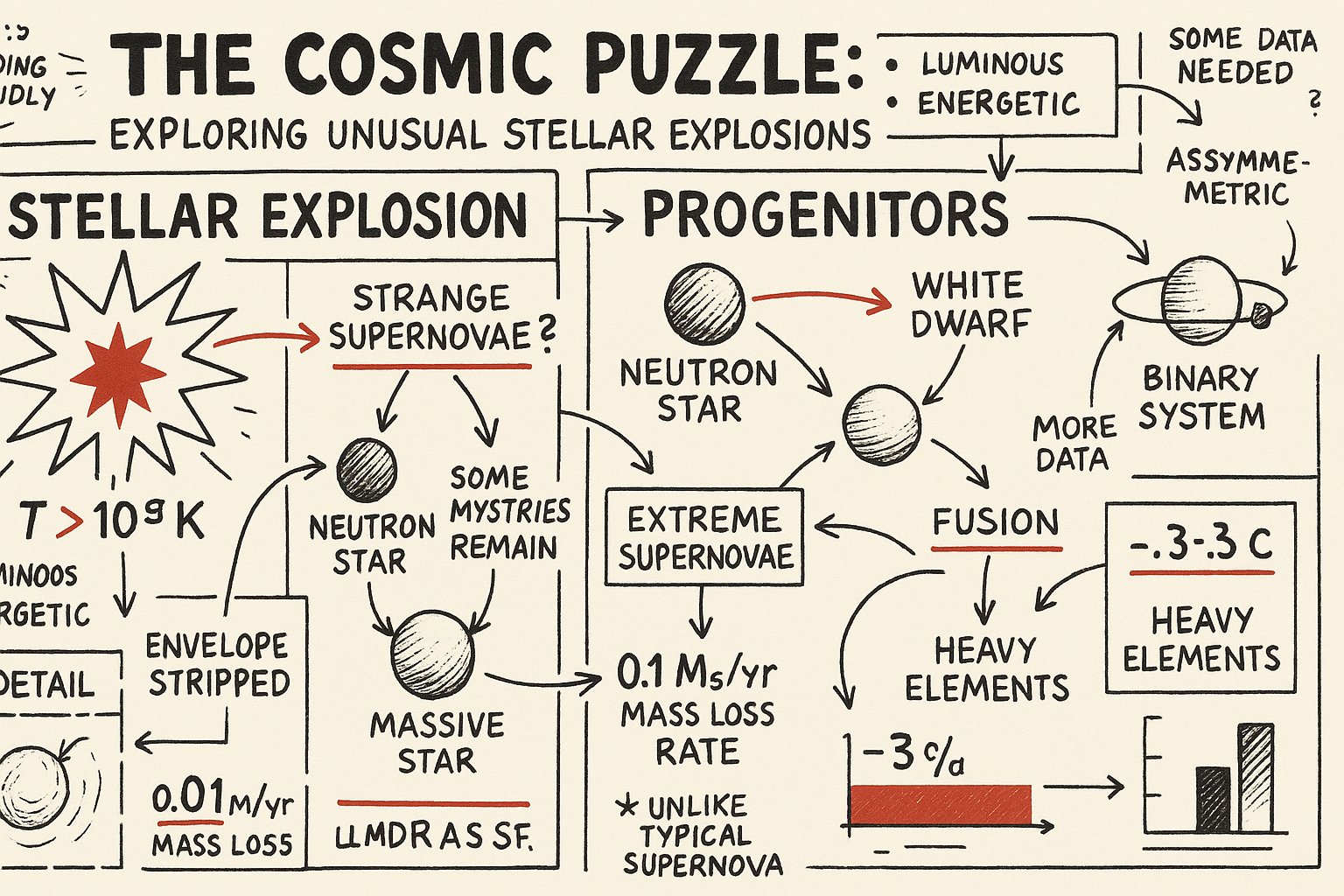
The cosmos is a vast, mysterious expanse that has captivated humanity for centuries. Within this infinite space, stars are born, live, and eventually die, often in spectacular explosions known as supernovae. Recent discoveries have challenged our understanding of these cosmic phenomena, revealing complexities and interactions that were previously unimagined.
Unusual Explosions and the Mystery of Missing Elements
One of the most intriguing recent findings is the explosion of a star in the constellation Puppis, which remarkably lacked hydrogen, the universe's most abundant element. This peculiar absence raises questions about the processes leading to such explosions. The culprit, it turns out, was a white dwarf that had been quietly stripping a rare helium star of its outer layers (Source 1). This insight not only enriches our understanding of stellar evolution but also highlights the diversity in stellar end-of-life scenarios.
Adding to the puzzle of stellar compositions, astronomers have solved the longstanding mystery of the Sun's missing silver. By refining models of the Sun's atmosphere, scientists discovered that the silver content is actually 55% higher than previously thought, aligning with meteorite data (Source 3). This revelation underscores the importance of continuous refinement in our models and the role of seemingly mundane elements in the broader cosmic narrative.
Black Holes and Exotic Supernovae
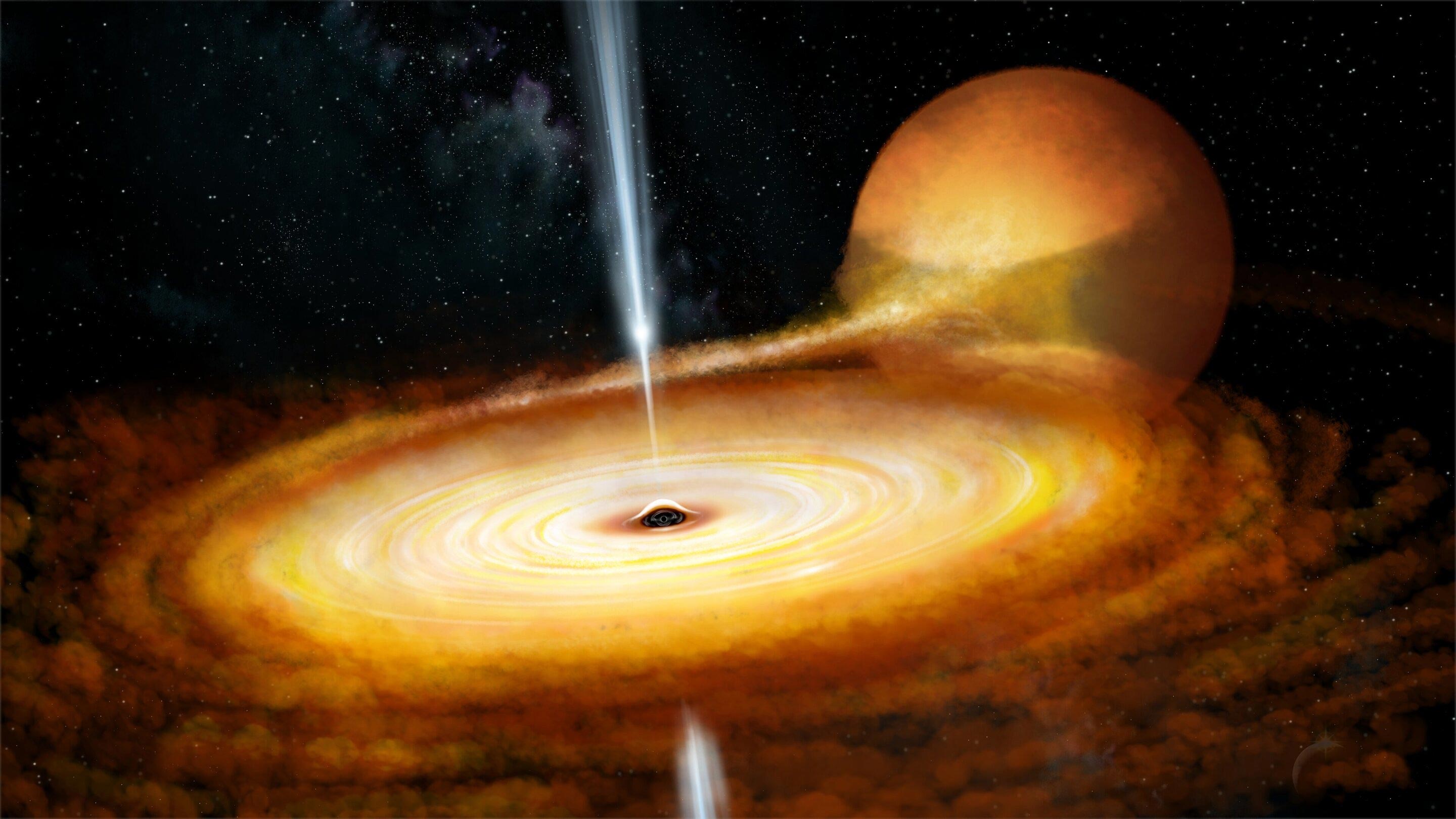
Another layer of complexity in our cosmic understanding is added by primordial black holes (PBHs), theoretical entities that could trigger Type Ia supernovae. Unlike their more familiar counterparts formed from massive stars, PBHs are thought to originate from the early universe's dense matter pockets (Source 2). Their potential interactions with white dwarfs hint at novel pathways for supernova formation, challenging existing models and inviting further exploration.
Furthermore, the discovery of a potential binary star system in the Jellyfish Nebula, where both stars have gone supernova, presents a tantalizing glimpse into binary interactions and their explosive outcomes (Source 6). Such systems could provide critical insights into the dynamics of stellar evolution and the conditions leading to supernovae.
Neutron Stars and the Riddle of Heavy Elements
Neutron star mergers, another cosmic spectacle, result in kilonovae, which produce heavy elements through the r-process. Recent observations have identified unexpected signatures from these events, suggesting the presence of heavy-element exotic dust (Source 7). These findings challenge existing kilonova models and may hold the key to understanding the formation of elements in the universe.
Uncovering the Universe's Missing Matter
While much of the universe's observable matter is accounted for by stars and galaxies, a significant portion remains elusive. A new radio-burst method offers a promising avenue for locating this missing ordinary matter (Source 8). By tracing the distribution of matter between galaxies, this technique could resolve longstanding cosmic conundrums and refine our understanding of the universe's composition.
Implications and Future Directions
These discoveries illustrate the intricate tapestry of cosmic events and interactions that shape our universe. They challenge us to reconsider existing theories and models, pushing the boundaries of astrophysics. The insights gained from these studies not only deepen our understanding of stellar phenomena but also have broader implications for cosmology and the study of fundamental physics.
As we continue to explore the cosmos, we are reminded of the importance of interdisciplinary approaches and the potential for unexpected discoveries. The universe is a dynamic and ever-evolving entity, and our quest to unravel its mysteries is far from over.