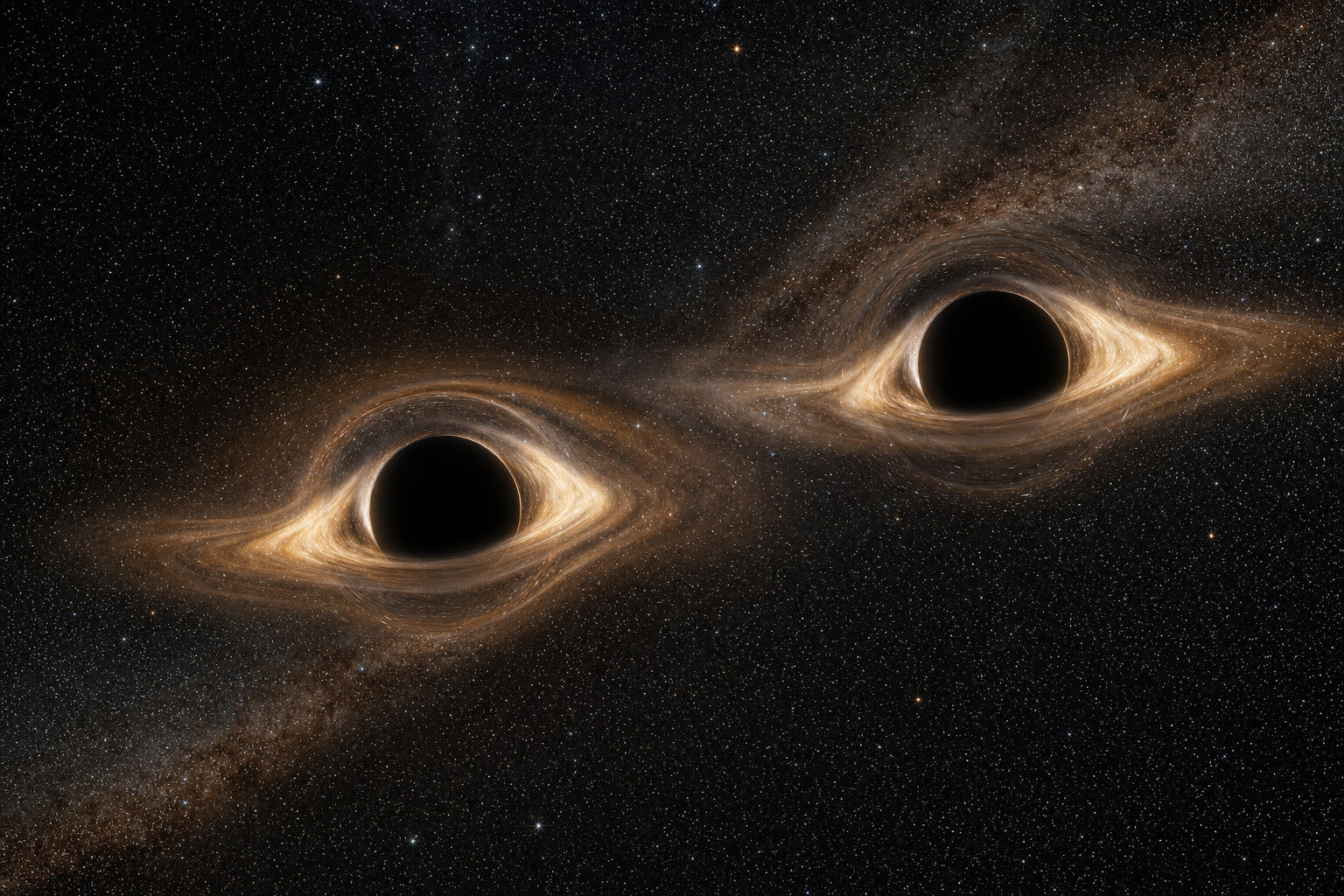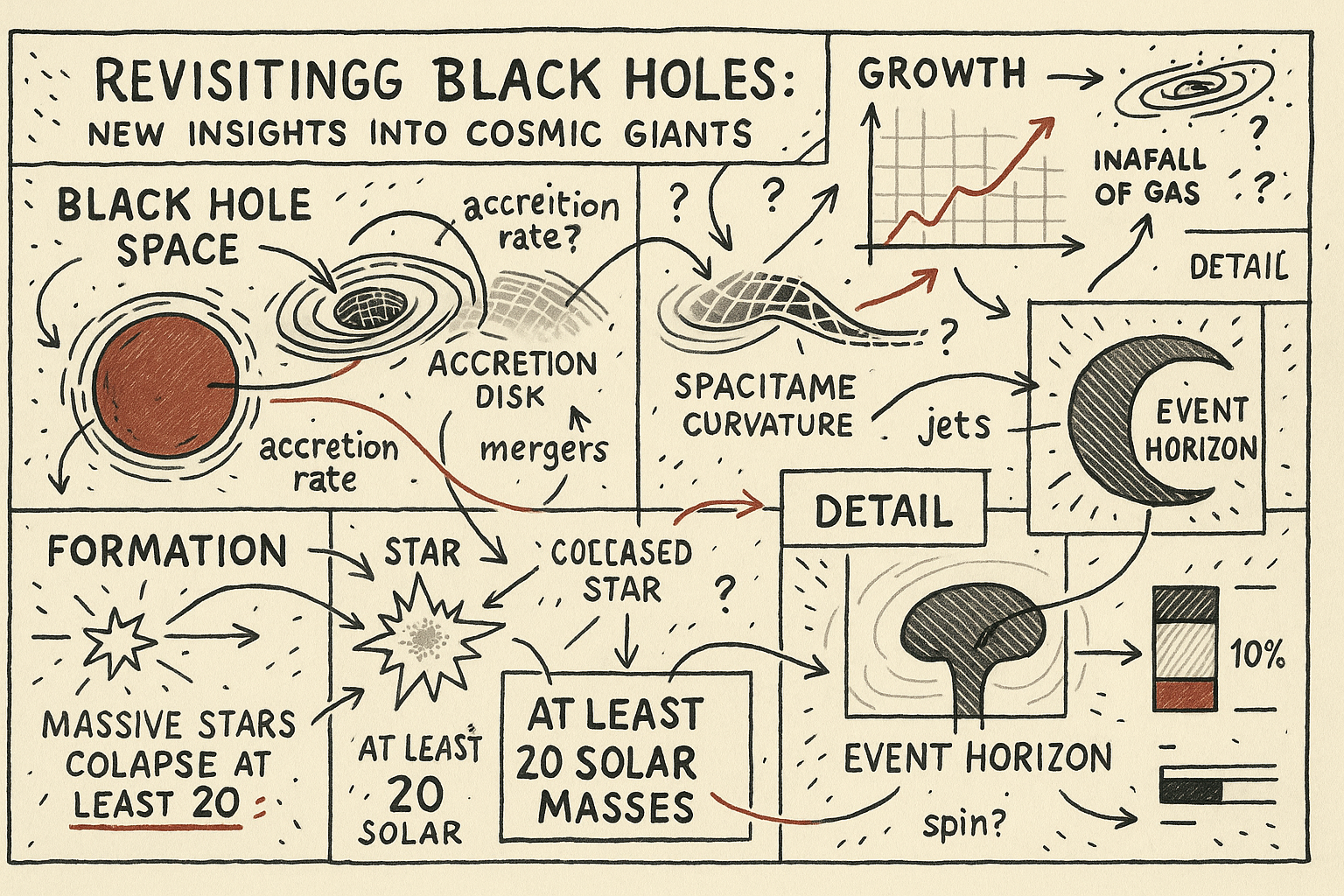
Black holes, the enigmatic titans of the universe, have long captivated scientists and the public alike. Recent studies, however, are challenging our understanding and reshaping the narrative surrounding these cosmic entities. From unexpected growth patterns to surprising interactions with their surroundings, black holes are proving to be more complex than previously thought.
The Problem of Hidden Hair
The concept of 'black hole hair' has been a topic of debate since the 1970s. Traditionally, black holes were thought to be defined solely by their mass, charge, and spin. However, recent research suggests that the gravitational waves emitted during black hole mergers—known as ringdowns—might hold information about additional properties, or 'hair,' of black holes. This could fundamentally alter our understanding of what black holes are and how they behave.
Massive Mergers: An Illusion?
In a surprising twist, the largest black hole merger observed to date might not be as massive as once believed. The gravitational waves produced by such events could be distorted by massive objects on their journey to Earth, suggesting that our measurements might overestimate the mass of these cosmic collisions. This revelation prompts a reevaluation of past observations and emphasizes the need for more refined detection methods.
Black Holes and Galaxy Growth
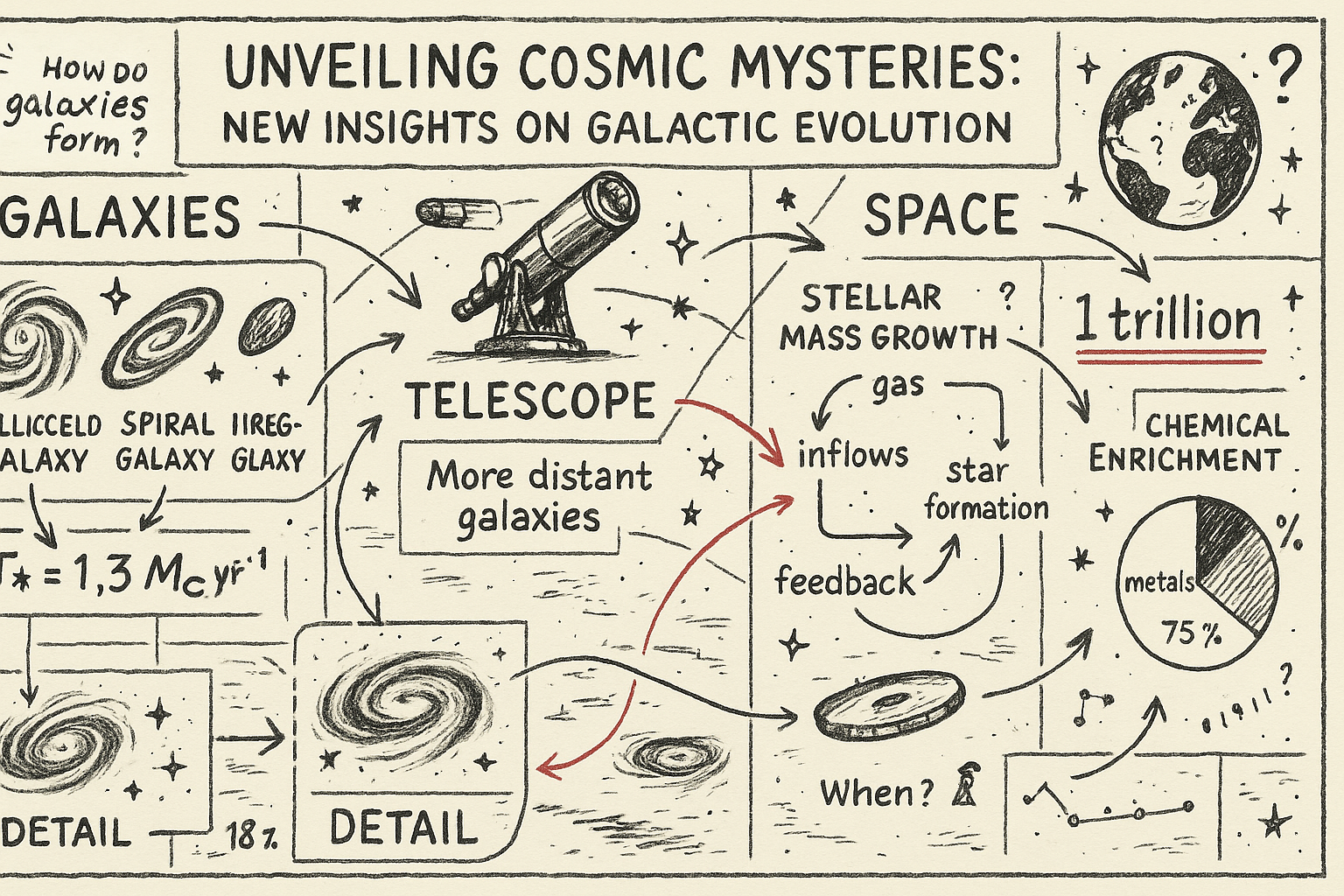
The relationship between black holes and their host galaxies is another area ripe for reconsideration. While we once believed that supermassive black holes and their galaxies grow in tandem, new data indicates that some black holes grow much faster. This disconnect challenges the conventional wisdom of a synchronized evolutionary path and suggests that black holes might influence their environments in ways we have yet to fully understand.
Expansion of the Universe's Role
Adding another layer to this complex picture, recent theoretical work proposes that black holes might not be immune to the universe's expansion. Contrary to previous assumptions, black holes could be subtly influenced by the expanding cosmos, potentially affecting their growth and interaction with surrounding matter.
Implications for Future Research
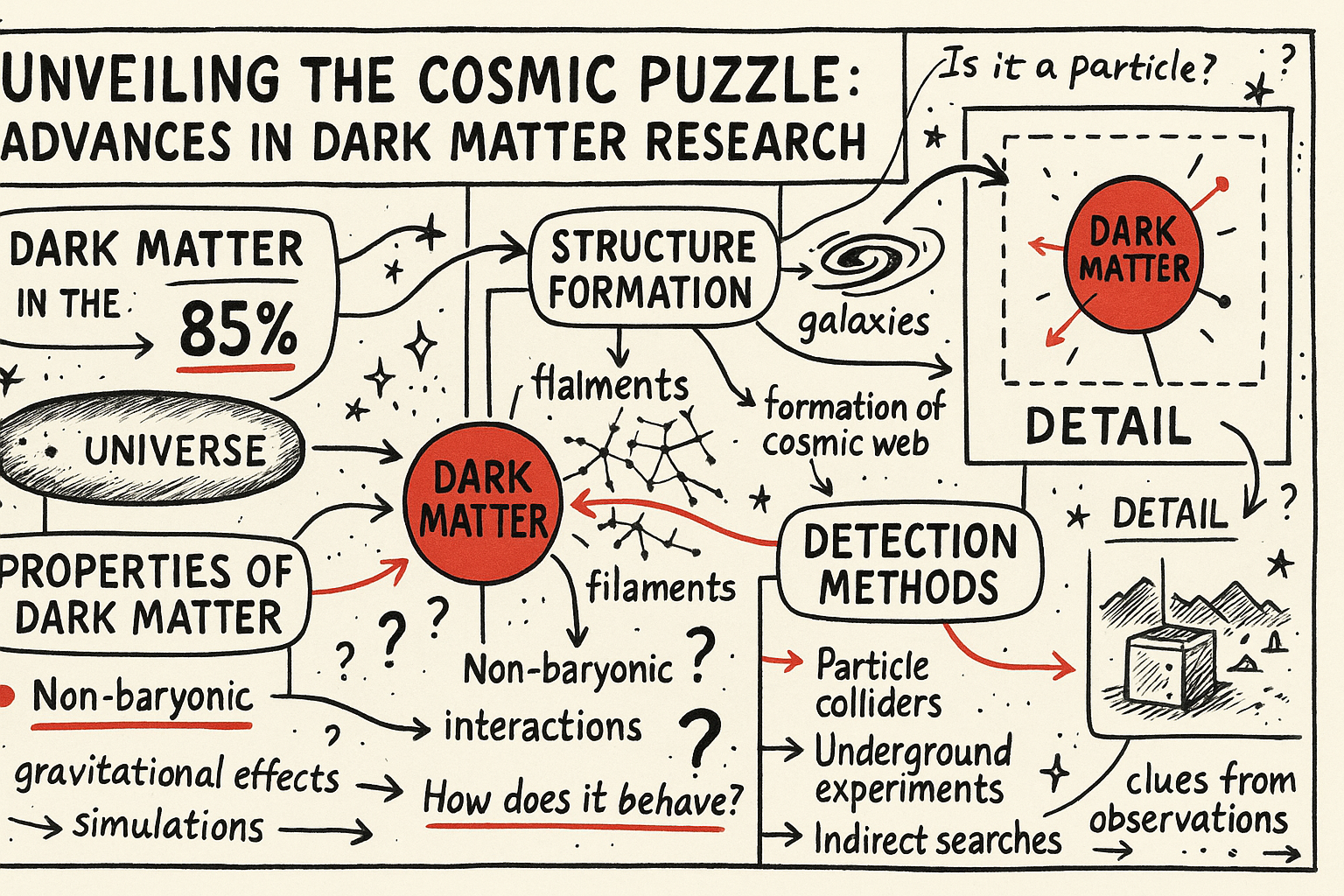
These findings have significant implications for the future of astrophysical research. As our detection instruments become more sophisticated, we may soon observe gravitational waves from binary star systems, offering new insights into stellar evolution and black hole formation. Moreover, understanding the interaction between black holes and dark matter, as well as their role in galaxy formation, could lead to breakthroughs in our comprehension of the universe's fundamental structure.
In essence, the more we learn, the more questions arise. Black holes, once thought to be simple, remain at the frontier of scientific inquiry, challenging our perceptions and inviting deeper exploration.