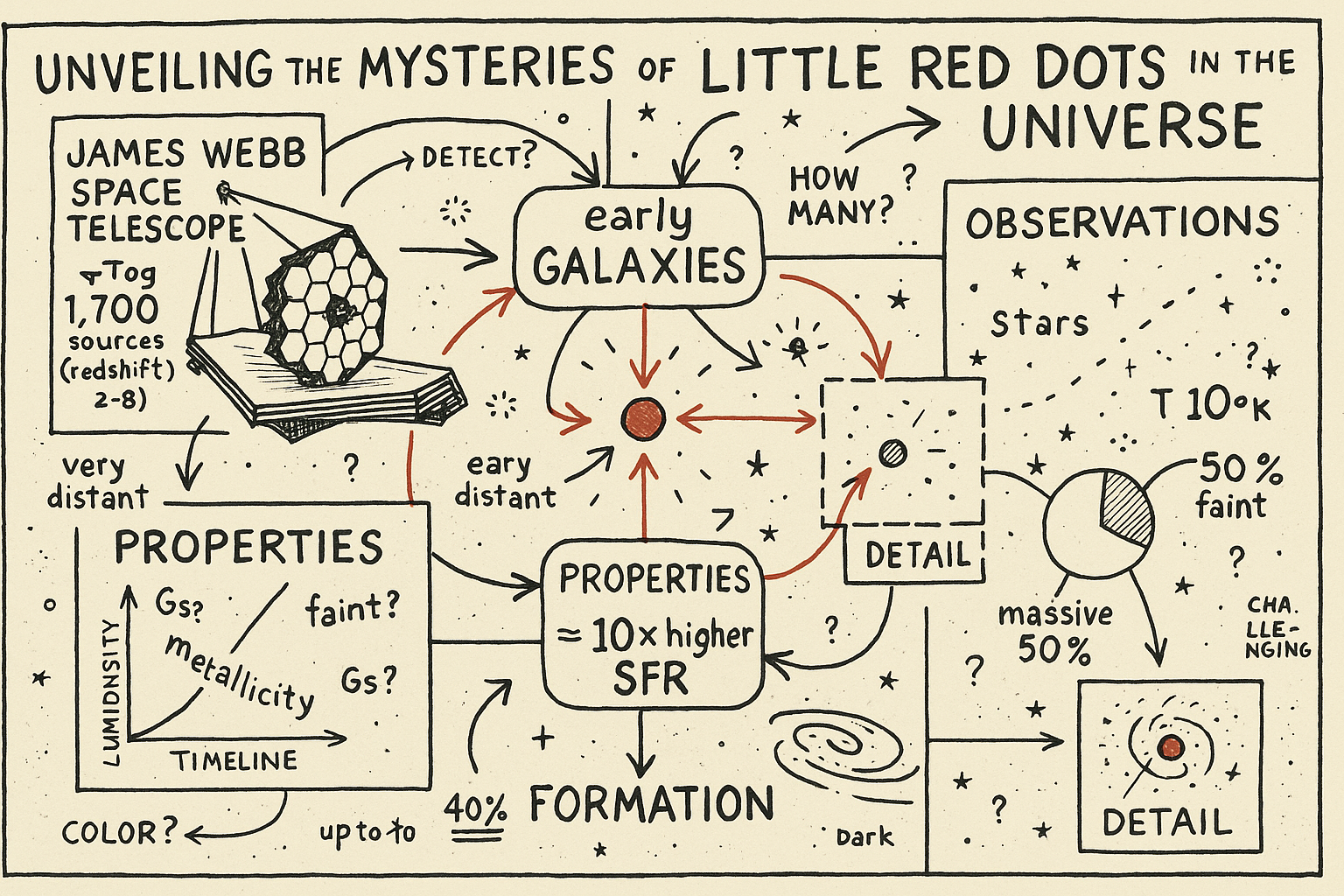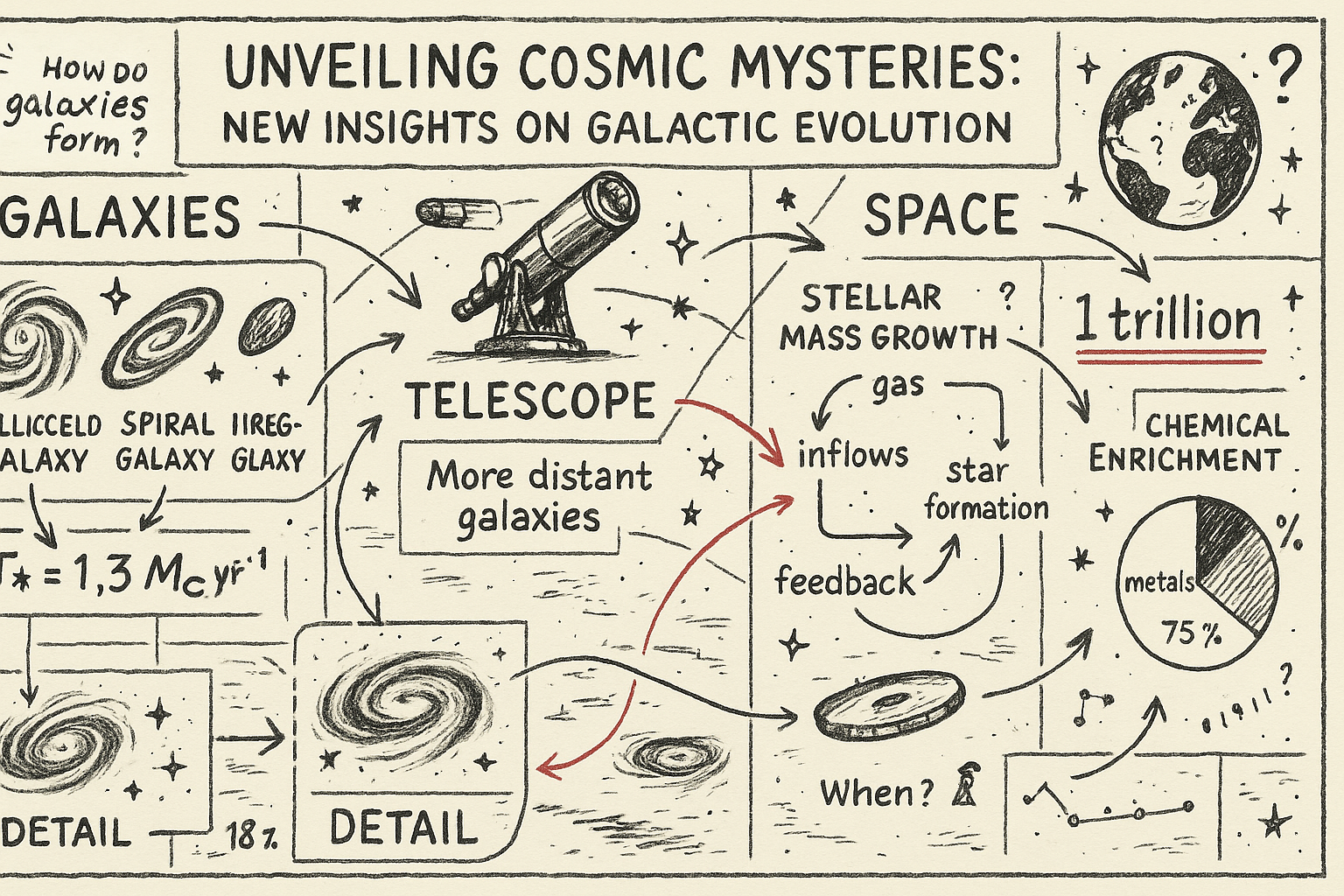
The vast expanse of space holds mysteries that have fascinated humanity for millennia. Recent advancements in space technology, particularly the James Webb Space Telescope (JWST), are offering unprecedented insights into the universe's evolution. These insights are reshaping our understanding of cosmic events, from the formation of galaxies to the life cycles of stars.
The Dawn of Galaxies
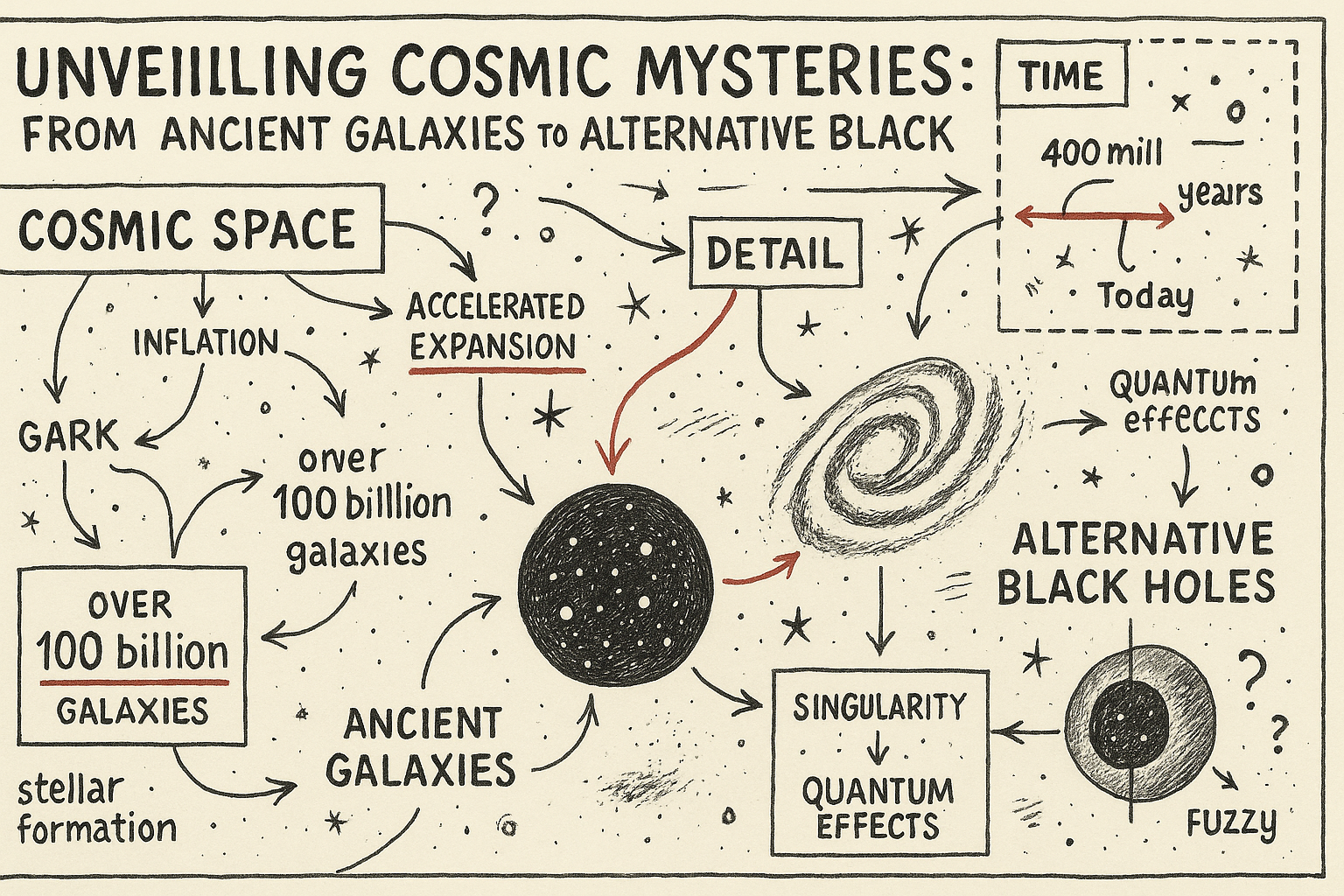
At the heart of these revelations lies the ASTRID project, which traces the evolution of black holes and galaxies over 13.5 billion years. This research, coupled with the findings from JWST, provides a comprehensive view of how galaxies have evolved since the dawn of the universe. The ability to observe these processes in such detail marks a significant milestone in cosmology, allowing scientists to piece together cosmic history with greater clarity.
Listening to the Early Universe
Meanwhile, the CosmoQuest satellite, positioned on the far side of the Moon, is poised to delve into the universe's 'dark ages'—a period before the first stars ignited. This small yet powerful satellite will listen to faint signals from this era, offering clues about the universe's earliest moments. Understanding this period is crucial, as it lays the groundwork for everything that followed.
Planetary Formation Under the Clock
In a related domain, JWST is also shedding light on the formation of planets. According to recent data, the gas disks surrounding young stars—essential for planet formation—are dissipating faster than previously thought. This discovery implies that planetary systems have a much narrower window to form than scientists had anticipated, prompting a reevaluation of theories on how planets and solar systems emerge.
Binary Stars and Hidden Histories
Beyond galaxies and planets, our understanding of stars themselves is undergoing a transformation. New studies reveal that over 70% of massive stars are born in binary systems, where they interact closely with a companion star. These interactions drastically alter their evolution, yet once the interaction ends, the surviving star often appears solitary, hiding its complex past. This finding underscores the intricate dynamics of stellar evolution, adding layers to our understanding of star life cycles.
Recycling Stars
Another fascinating aspect of stellar evolution is the process of recycling within nebulae. Observations from the MOTHRA telescope in Chile of the Helix Nebula show how dying stars contribute their material back to the cosmos, where it can form new stars. This cycle of death and rebirth is a critical component of the universe's life cycle, illustrating the interconnectedness of cosmic events.
The Case of the Rogue Black Hole
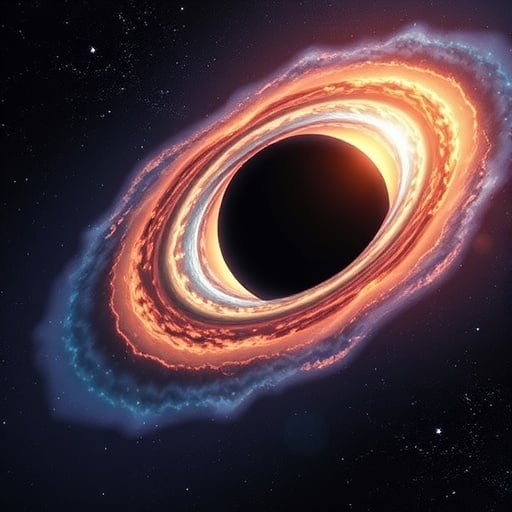
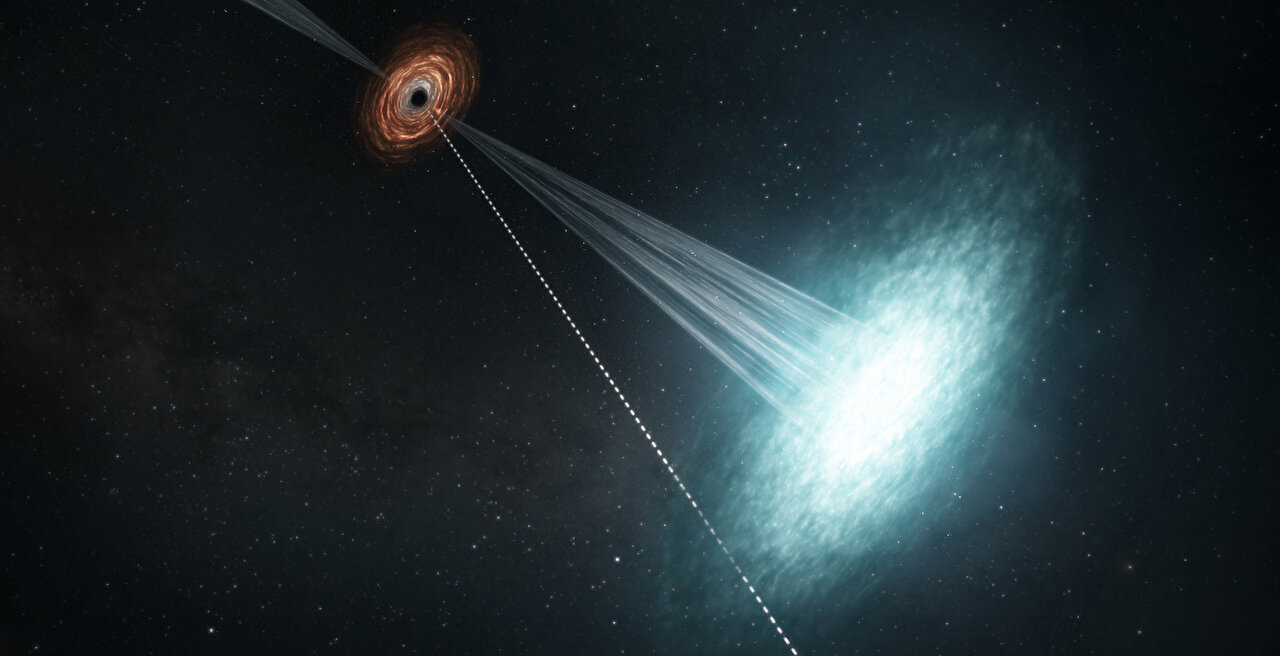
In an extraordinary narrative, a supermassive black hole has been observed being ejected from its galaxy at a staggering speed of 1,000 km/s. This phenomenon, initially detected by Hubble and further investigated by JWST, presents a rare and thrilling scenario that challenges our understanding of gravitational dynamics on a galactic scale.
Collectively, these discoveries underscore the transformative power of next-generation telescopes and satellites in unraveling the complexities of the cosmos. As we continue to probe deeper into space, each revelation not only answers old questions but also raises new ones, driving the relentless pursuit of knowledge in astronomy.