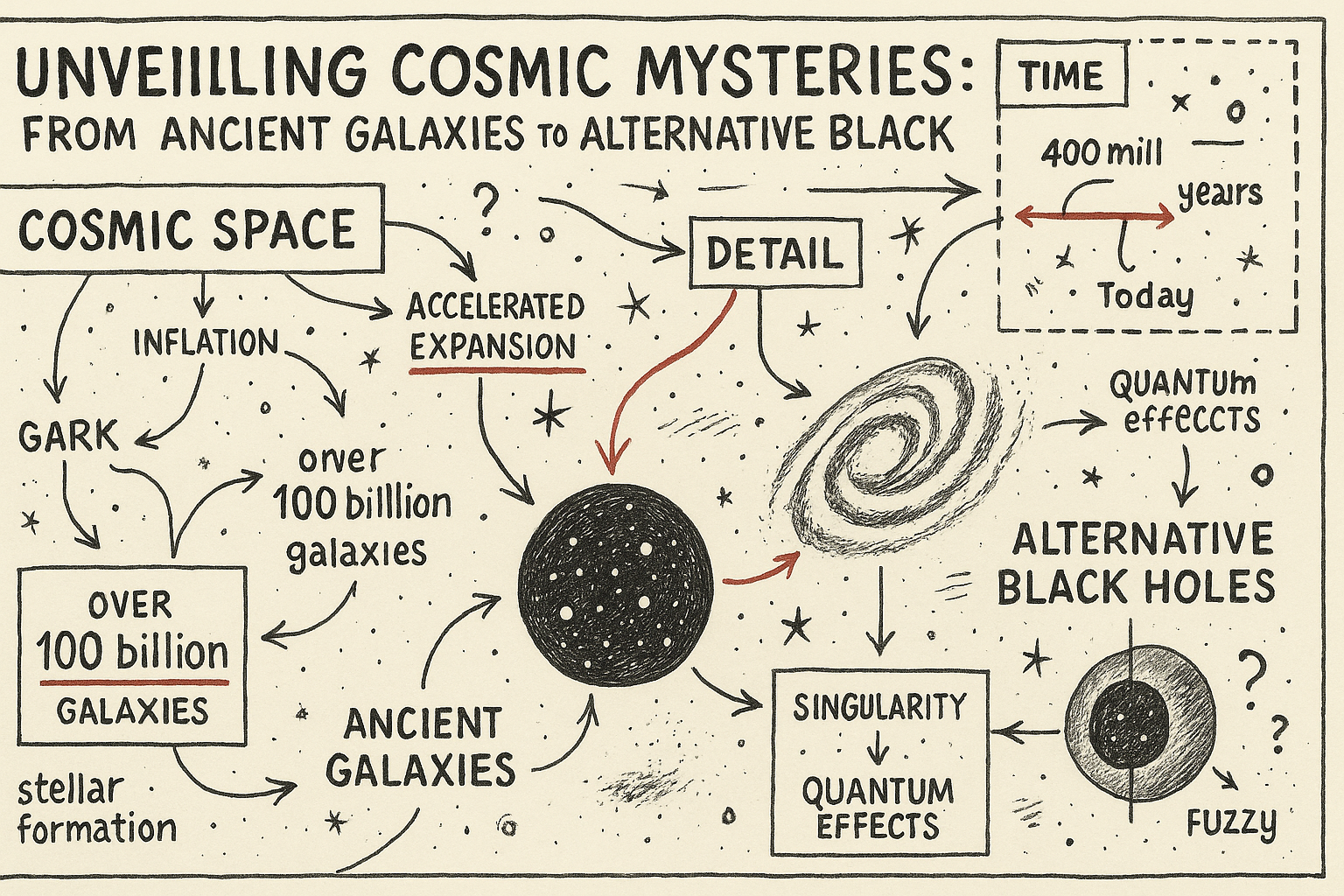
The universe continues to reveal its secrets through a tapestry of celestial phenomena and groundbreaking discoveries that challenge our understanding of space and time. Recent findings from various studies shed light on the complex structures and events that populate the cosmos, offering both confirmation and contradiction to established theories.
Galactic Fossils and the Dawn of Time
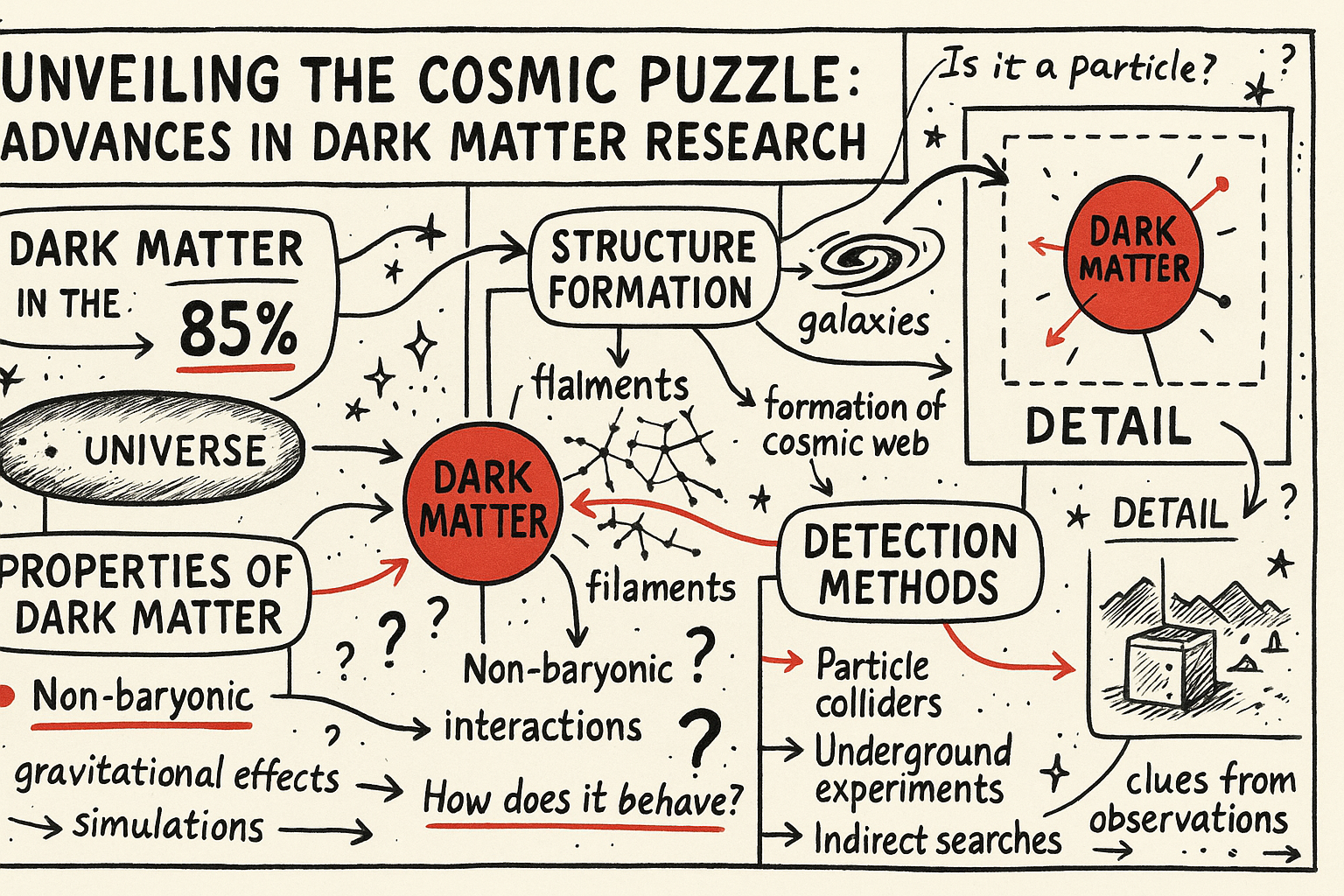
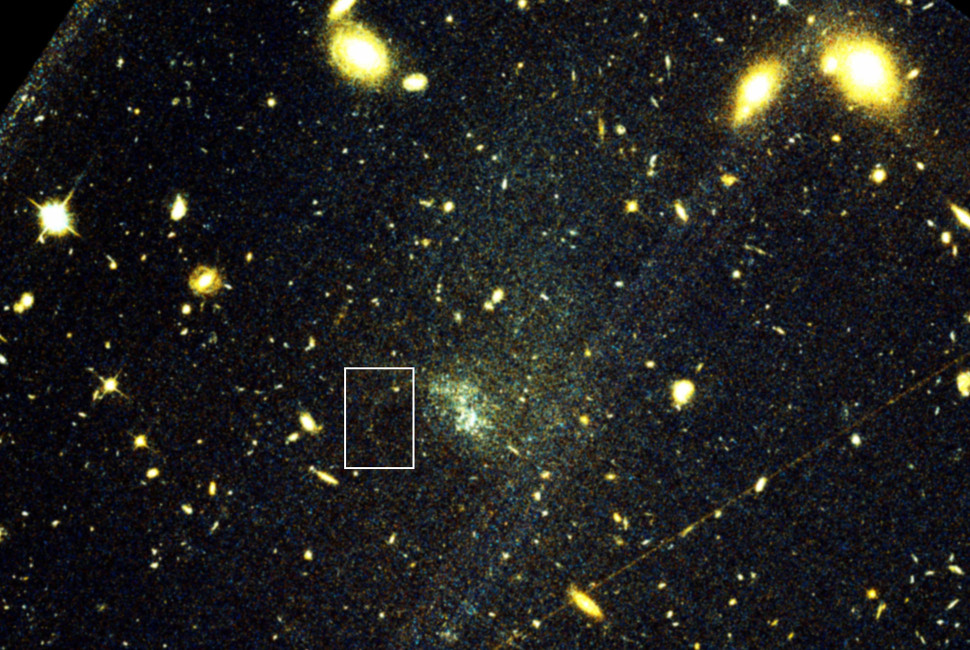
The discovery of And XXXVI, an ultra-faint dwarf galaxy near Andromeda, provides a captivating glimpse into the early universe. This galaxy, potentially 12.5 billion years old, is considered a 'cosmic fossil,' remaining relatively unchanged since the universe's infancy. Its faintness and ancient origins offer a unique opportunity to study the role of dark matter in galactic formation and evolution, a subject that has long perplexed astronomers.
Historically, studying such ancient remnants offers critical insights into the conditions of the early universe. The presence of And XXXVI challenges conventional models, suggesting that some galaxies can exist undisturbed for billions of years, acting as time capsules for cosmic history.
Translating Cosmic Explosions into Sound
Meanwhile, the transformation of Nova V612 Scuti's light curve into audio by researchers at Texas Tech University represents an innovative approach to understanding stellar phenomena. By converting light data into sound, scientists can analyze the evolution of stellar shocks in a new dimension, offering a fresh perspective on these explosive events.
This auditory analysis provides an unexpected yet effective method to study the dynamics of stars, potentially leading to more accurate models of stellar behavior. Such interdisciplinary techniques underscore the importance of innovative thinking in space science, paving the way for novel discoveries.
Martian Mysteries and Ancient Rivers
On Mars, the Jezero Crater continues to be a focal point of astrobiological interest. Recent explorations have uncovered complex organic materials within ancient river channels, suggesting that Mars was once capable of supporting life. The presence of these organics in river deltas, formed by sediment deposits, hints at a rich, biodiverse past that could redefine our understanding of life’s potential beyond Earth.
This finding aligns with the historical search for life on Mars, reinforcing the hypothesis that the Red Planet may have harbored life in its wet past. Such discoveries are crucial as they inform future missions aimed at uncovering Mars' secrets and perhaps, its potential for future colonization.
Rethinking Black Holes and the Structure of the Universe
One of the most intriguing theoretical developments comes from the proposal of gravastars as an alternative to black holes. These hypothetical objects, theorized by physicists, could account for phenomena traditionally attributed to black holes while complying with Einstein's Theory of General Relativity. Gravastars, with their 'Big Bangs' inside, challenge the very fabric of cosmic understanding, suggesting that our universe may contain structures far more complex than previously imagined.
This paradigm shift has significant implications for cosmology, inviting a reevaluation of gravitational collapse and the fundamental nature of space-time. If confirmed, gravastars could alter our conception of cosmic evolution and the universe's ultimate fate.
Together, these findings create a mosaic of cosmic inquiry that highlights both the vastness of our universe and the intricate details that define it. From the ancient echoes of galaxies and the innovative translation of cosmic events to the potential for life beyond Earth and the reevaluation of cosmic structures, space science continues to push the boundaries of human knowledge.