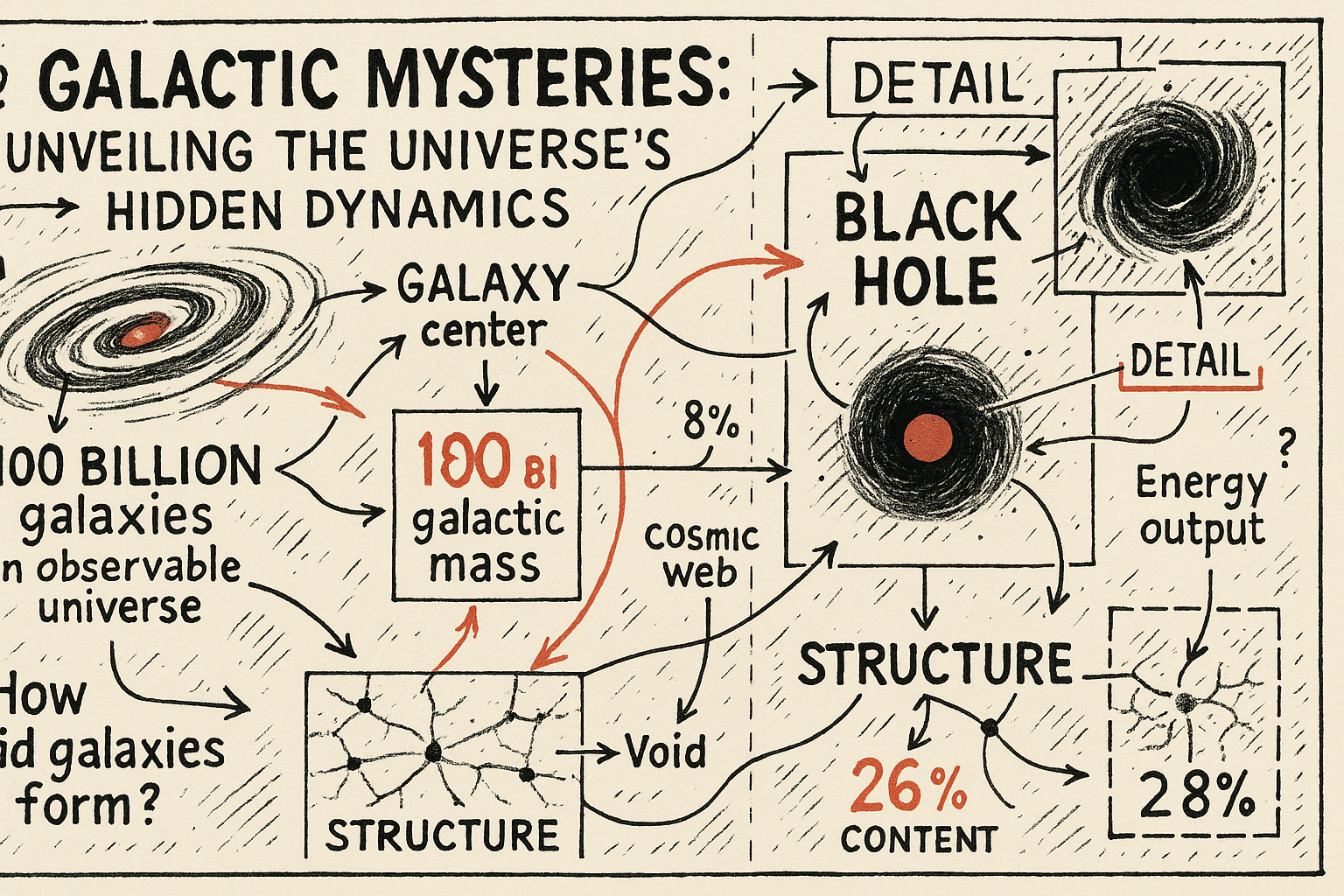
In recent weeks, a series of astronomical discoveries have provided thrilling insights into the workings of our cosmos, revealing complexities that challenge long-held assumptions about the universe. From stars hurtling at record speeds near black holes to the enigmatic behaviors of dark matter, these findings paint a picture of a universe teeming with dynamic processes and interstellar mysteries.
Racing Stars and Water's Resilience
Two recent studies have focused on the supermassive black hole at the center of our Milky Way, Sagittarius A*. A star, identified as S301, has set the record for the fastest star ever observed, clocking speeds of 25,000 km/s as it skimmed the black hole's edge. This unprecedented velocity not only provides a unique opportunity to study relativistic effects but also raises questions about the mechanisms that accelerate stars to such extreme speeds.
In a parallel discovery, the James Webb Space Telescope (JWST) detected water molecules surviving surprisingly close to Sagittarius A*. This finding contradicts previous assumptions that molecular material cannot endure the intense radiation conditions near a black hole. This resilience hints at previously unknown protective mechanisms that allow molecules to persist, offering new avenues for research into the survival of matter in extreme environments.
Galactic Archeology and Star Formation
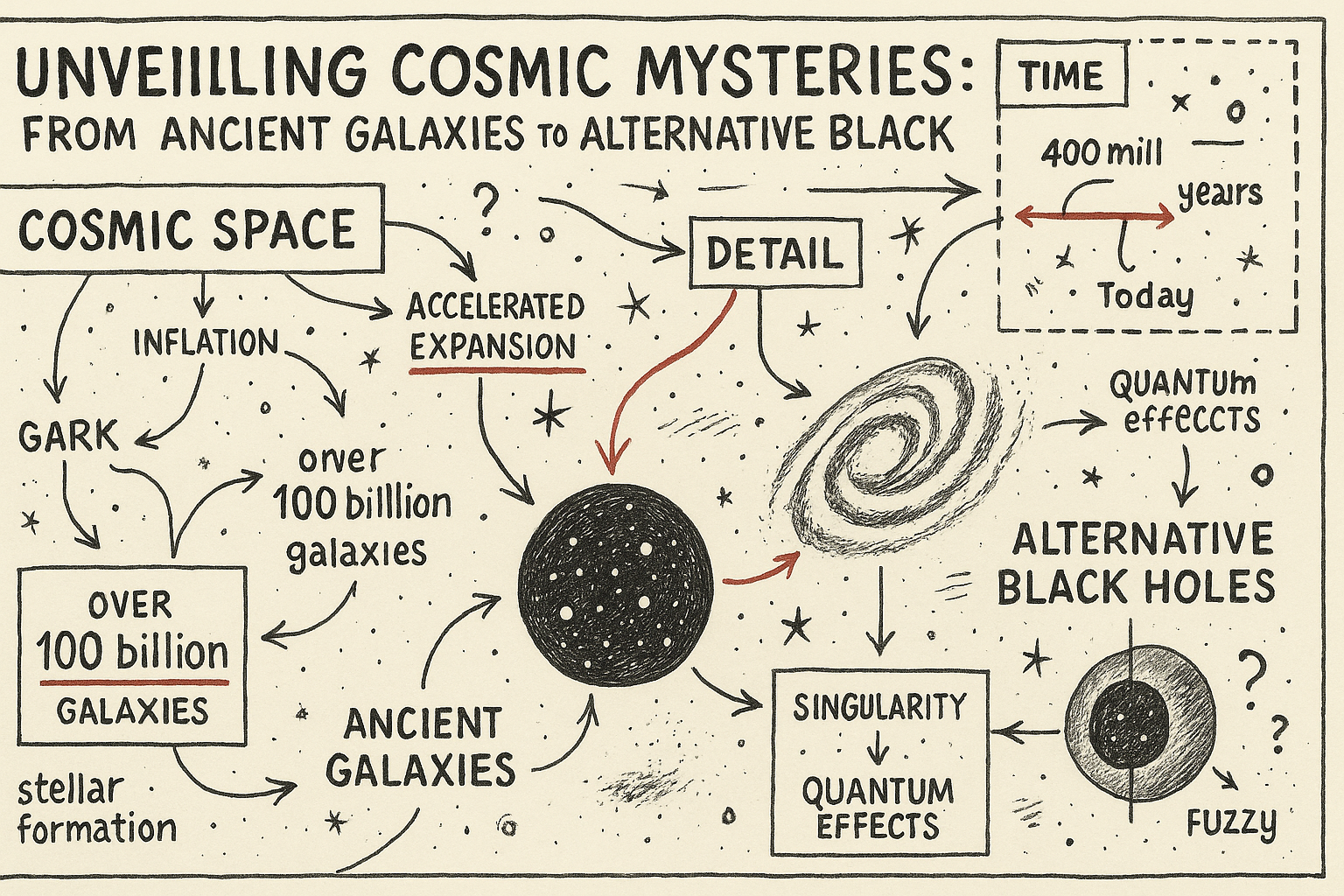
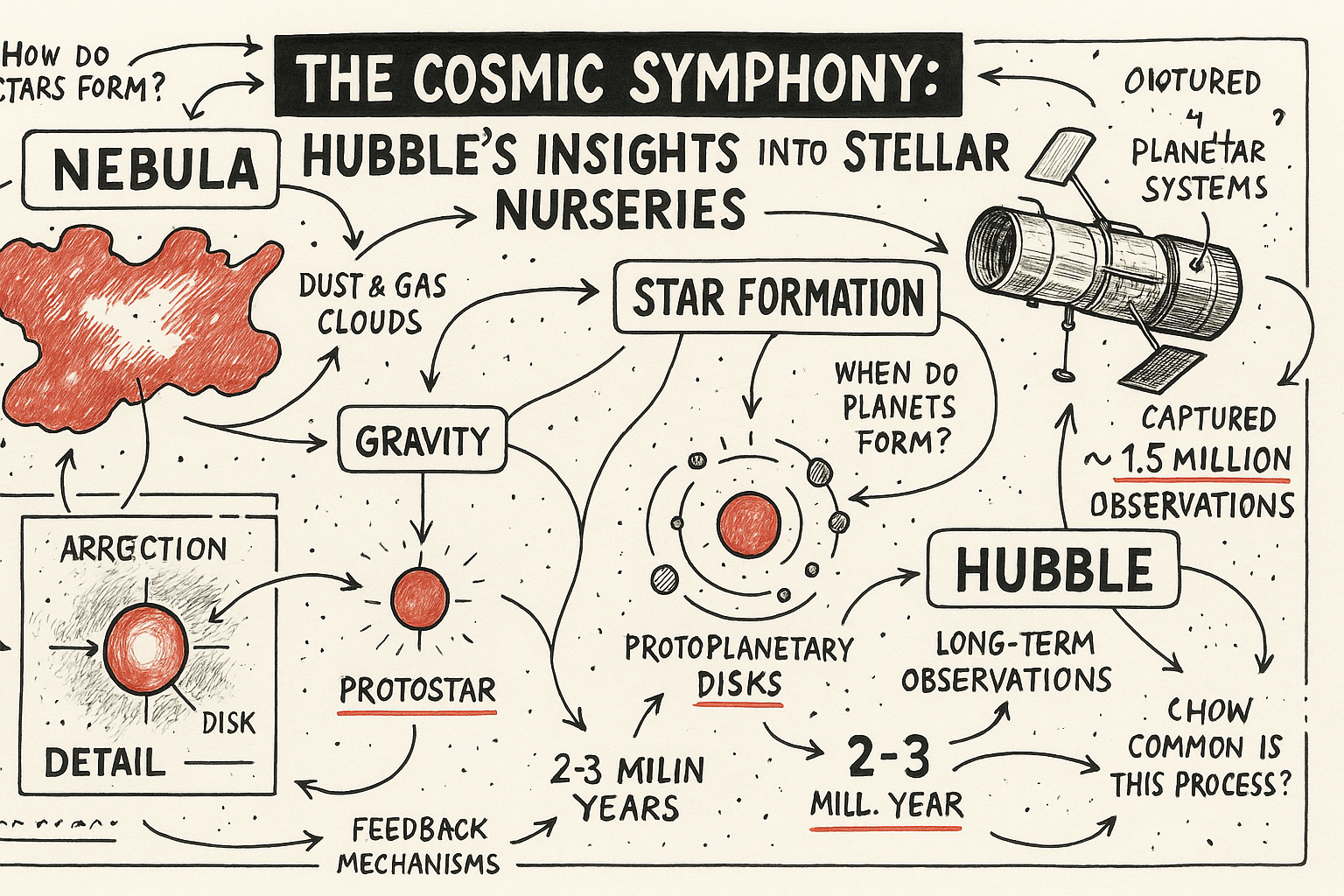
While our galaxy's center is abuzz with activity, the Andromeda galaxy presents a different story. Observations from the Hubble Space Telescope reveal a slowing in star formation—a significant contrast to its historically dynamic nature. This deceleration provides clues to the future of spiral galaxies, including our own, as they age and evolve. Understanding these patterns is crucial for predicting the life cycles of galaxies and the larger cosmic structures they inhabit.
Adding to the galactic narrative, Hubble's recent revelation of the oldest known collision involving the Milky Way suggests that our galaxy's past is more tumultuous than previously thought. The discovery of ancient globular clusters, remnants of a devoured galaxy, provides a glimpse into the turbulent history of the Milky Way and highlights the complex interplay of galactic mergers that shape our universe's structure.
The Enigmatic Nature of Dark Matter
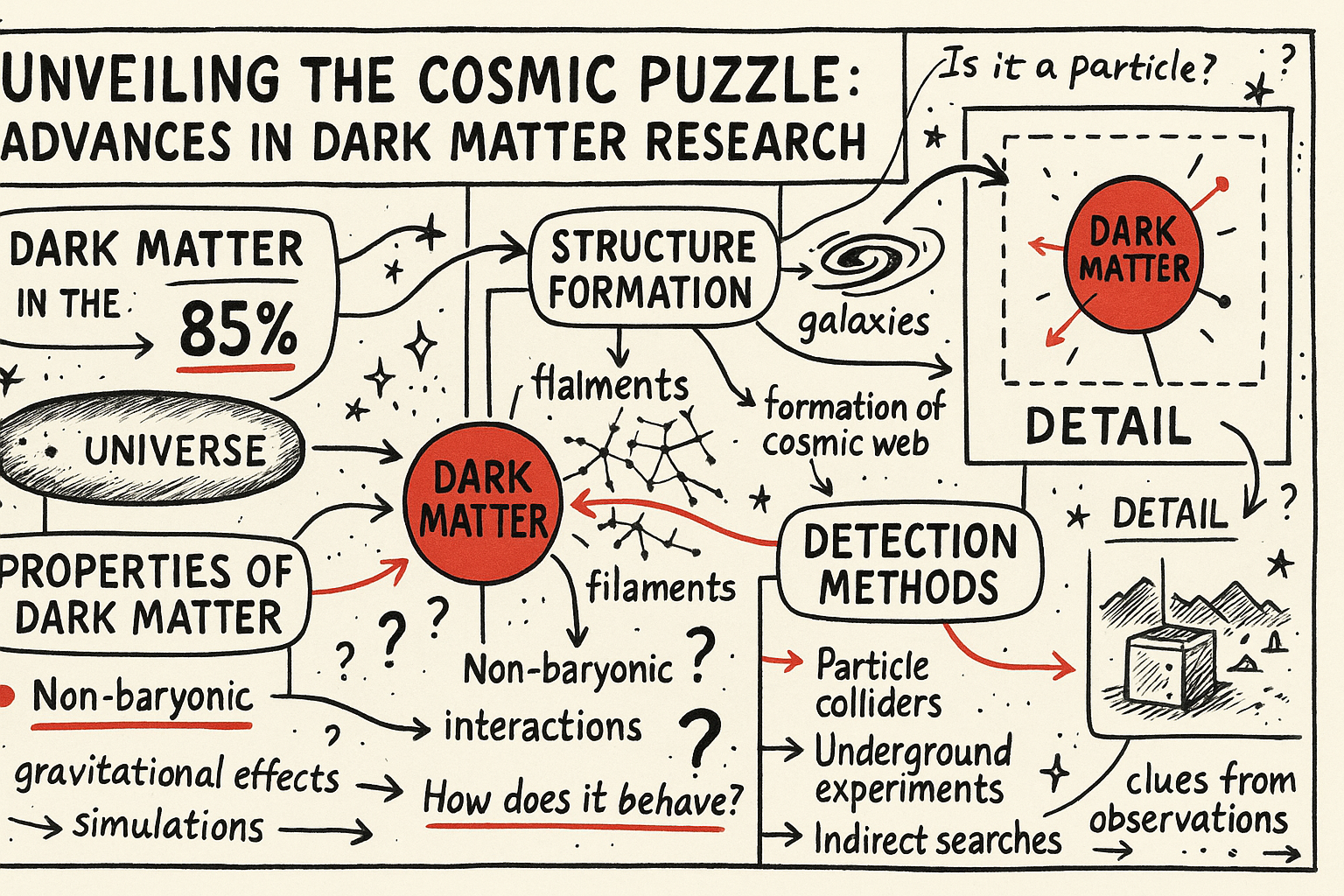
Amid these stellar revelations, new hypotheses about dark matter are emerging. Scientists propose that dark matter may possess an additional, elusive force that behaves unexpectedly. This theory challenges the traditional understanding of dark matter as an inert, non-interacting substance and could redefine fundamental physics principles. If confirmed, such a force could illuminate the 'dark' universe, unveiling the hidden scaffolding that holds galaxies together.
These discoveries underscore a recurring theme in cosmic research: the universe is far more dynamic and intricate than once imagined. Each revelation not only answers long-standing questions but also opens new avenues of inquiry, urging us to revisit and revise our models of how the cosmos operates.
Looking Ahead: Cosmic Exploration and Its Implications
The implications of these findings are profound. As we refine our understanding of black holes, galactic evolution, and dark matter, we edge closer to a comprehensive model of the universe. Technologies like the JWST and Hubble continue to be invaluable tools, pushing the boundaries of what we can observe and comprehend. Future missions and telescopes will undoubtedly build on these discoveries, further unraveling the mysteries of the universe.
Moreover, these insights have practical implications beyond academic curiosity. Understanding the mechanics of star formation and the forces at play in dark matter can inform the search for extraterrestrial life and the potential for human colonization of other planets. As we continue to explore the cosmos, the lessons learned from these recent discoveries will guide humanity's journey into the stars.