Understanding why galaxies cease to form stars is a pivotal question in the study of galaxy evolution. For decades, the prevailing theory has attributed this phenomenon primarily to galaxy mergers. However, new research conducted by a team at Florida International University is challenging this long-standing paradigm, proposing that internal processes within galaxies may play a more substantial role in halting star formation.
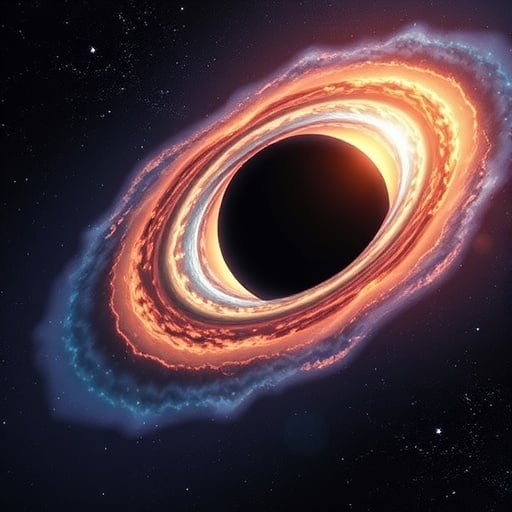
The traditional view in astrophysics has been dominated by the 'merger-quasar-quench' model. This theory suggests that when galaxies collide, the ensuing chaos results in massive gas flows towards the galactic centers. These gas flows are believed to feed supermassive black holes, leading to energetic outbursts that either heat or expel the gas required for star formation, effectively quenching the galaxy's ability to produce new stars. This dramatic narrative has shaped our understanding of galaxy evolution for decades.
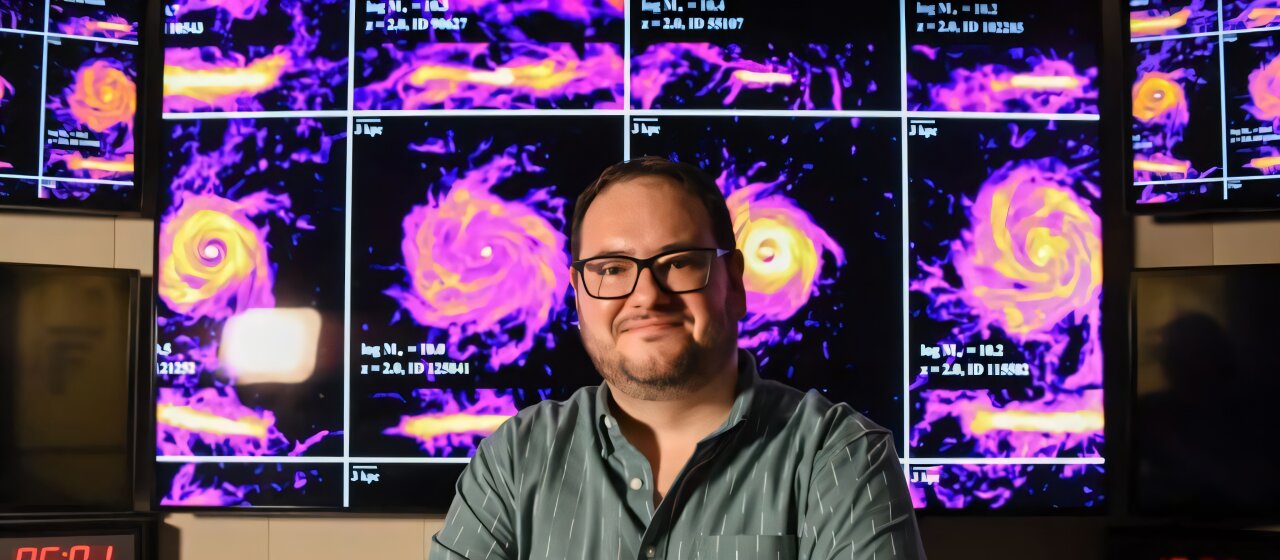
However, the new study led by Camilo Casimiro, a physics graduate student at Florida International University, questions the universality of this model. Through advanced simulations, the research suggests that galaxy mergers are neither necessary nor sufficient for quenching. Instead, it points to slower, internal mechanisms within galaxies as more significant factors in the cessation of star formation. Asa Bluck, an assistant professor of physics at the university and a co-author of the study, highlights that the traditional focus on mergers and their spectacular consequences might have obscured the understanding of other important processes at play within galaxies.
This shift in understanding is significant as it reorients the focus from dramatic cosmic events to more subtle, gradual processes within galaxies. The implications of this research are profound, as they suggest that internal dynamics, rather than external collisions, might primarily govern the lifecycle of galaxies. This insight could pave the way for new research directions in astrophysics, focusing on the intrinsic properties of galaxies that influence their evolution over billions of years.
While the new findings challenge a dominant theory, it is essential to place them within the broader context of galactic evolution. Historically, the study of galaxies has been heavily influenced by the observation of large-scale cosmic events, such as mergers, which provide clear, observable phenomena. However, as our understanding of the universe deepens, it becomes apparent that not all processes fit into the neat framework of dramatic transformations.
Adding depth to this discussion, recent studies have indicated that features such as spiral arms and bars in galaxies could act as 'fuel pumps,' facilitating the flow of gas necessary for star formation. These structures, contrary to being mere byproducts of galactic dynamics, might play active roles in sustaining or ceasing star formation, depending on the internal conditions of the galaxy.
Moreover, the study of magnetic fields threading through interstellar gas adds another layer of complexity to our understanding of star formation. These fields, acting as an invisible scaffold, might influence the efficiency with which gas clouds collapse to form stars, further challenging the straightforward merger-centric explanation.
In conclusion, while the dramatic narrative of galaxies colliding and black holes erupting has captivated the imagination of astronomers for years, the new research from Florida International University encourages a reevaluation of these events' roles in galactic evolution. By shifting the focus to internal, gradual processes, this study opens new avenues for exploring how galaxies change and evolve over time. As the field of astrophysics continues to evolve, these insights will be crucial in developing a more nuanced understanding of the universe and our place within it.