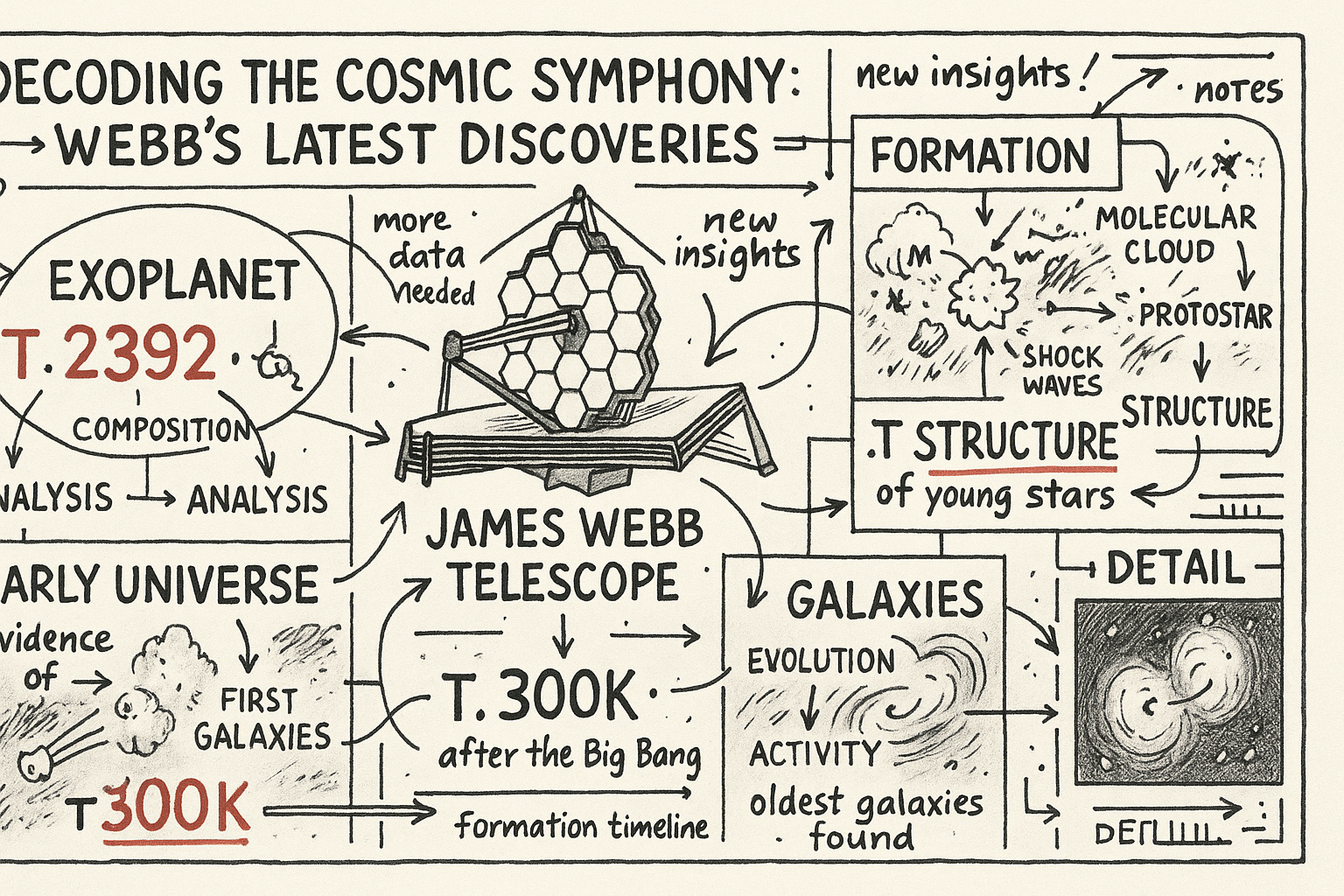
The recent imaging of the Lion Nebula (NGC 2392) by the James Webb Space Telescope (JWST) has ushered in a new era of astronomical discovery, one that peels back layers of cosmic history with unprecedented clarity. This analysis synthesizes Webb’s latest observations, juxtaposing them against a backdrop of historical and contemporary astronomical endeavors. The insights from these findings not only deepen our understanding of nebulae but also hold the potential to unravel cosmic enigmas such as the 'little red dot' mystery.
The Rebirth of the Lion Nebula
In 2000, the Hubble Space Telescope first captured the Lion Nebula, a planetary nebula located in the constellation of Gemini. Hubble's visible light images revealed a lion-face-shaped target with a 'mane' composed of hazy, comet-shaped objects. Fast forward to 2026, and the James Webb Space Telescope has reimagined this celestial icon, capturing it in stunning high-resolution detail. Webb's infrared capabilities have unveiled features previously obscured, offering a clearer and more comprehensive view of this stellar remnant.
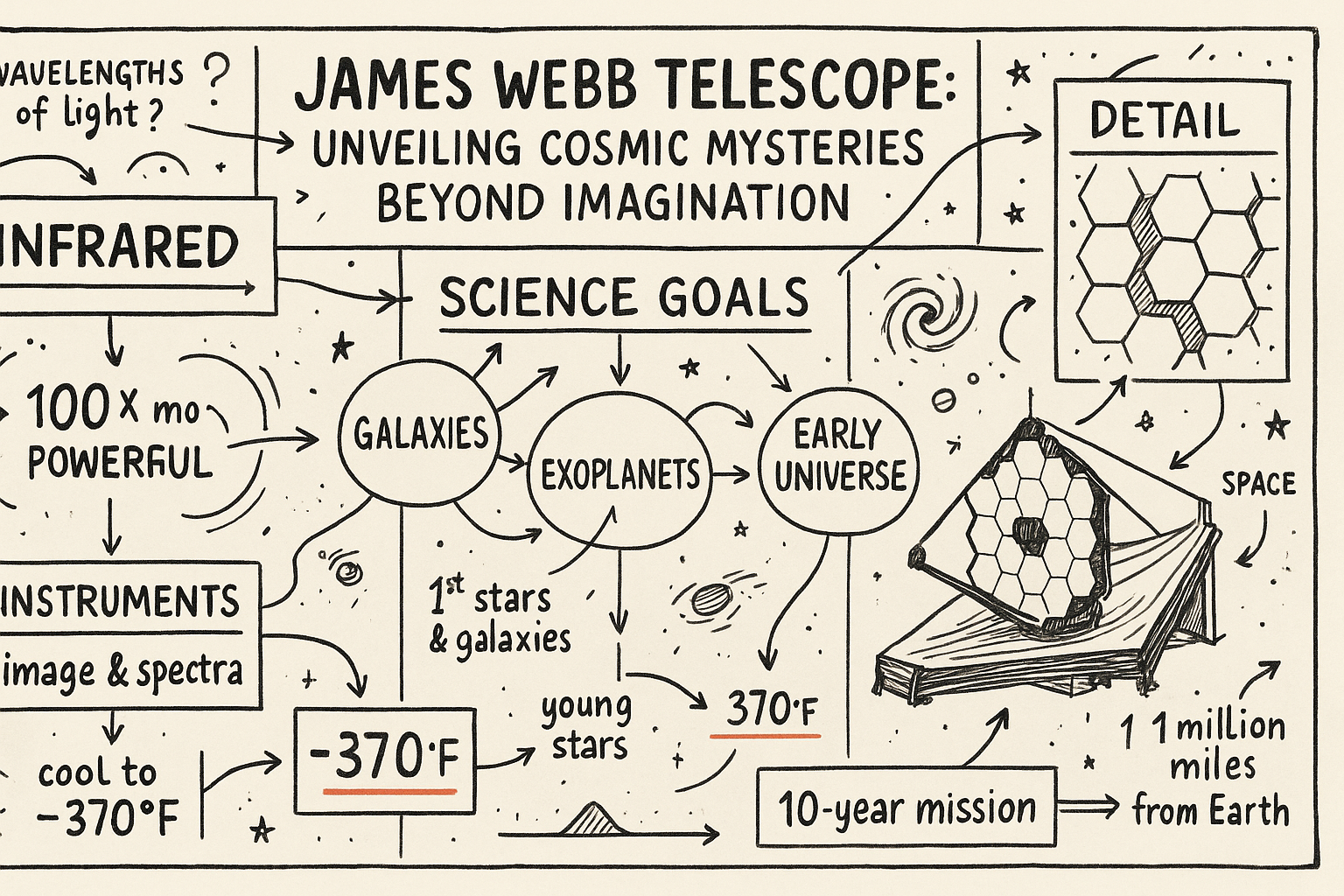
What makes Webb's imaging so revolutionary is its ability to delve deeper into the infrared spectrum, revealing aspects of the nebula's structure and composition that were inaccessible to Hubble. This technological leap underscores the importance of advancing observational tools in our quest to understand the universe.
Connecting the Dots: Nebulae and Black Holes
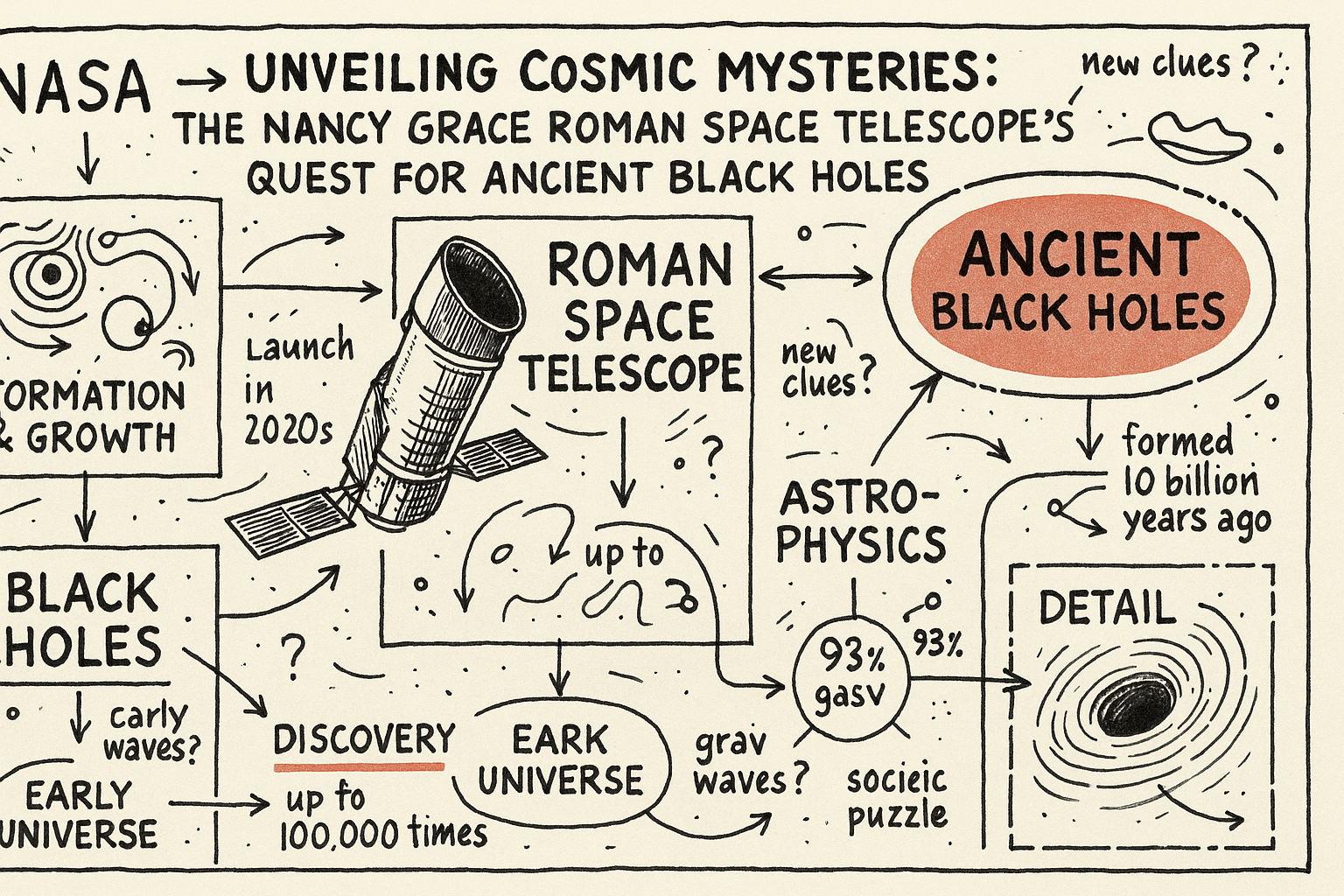
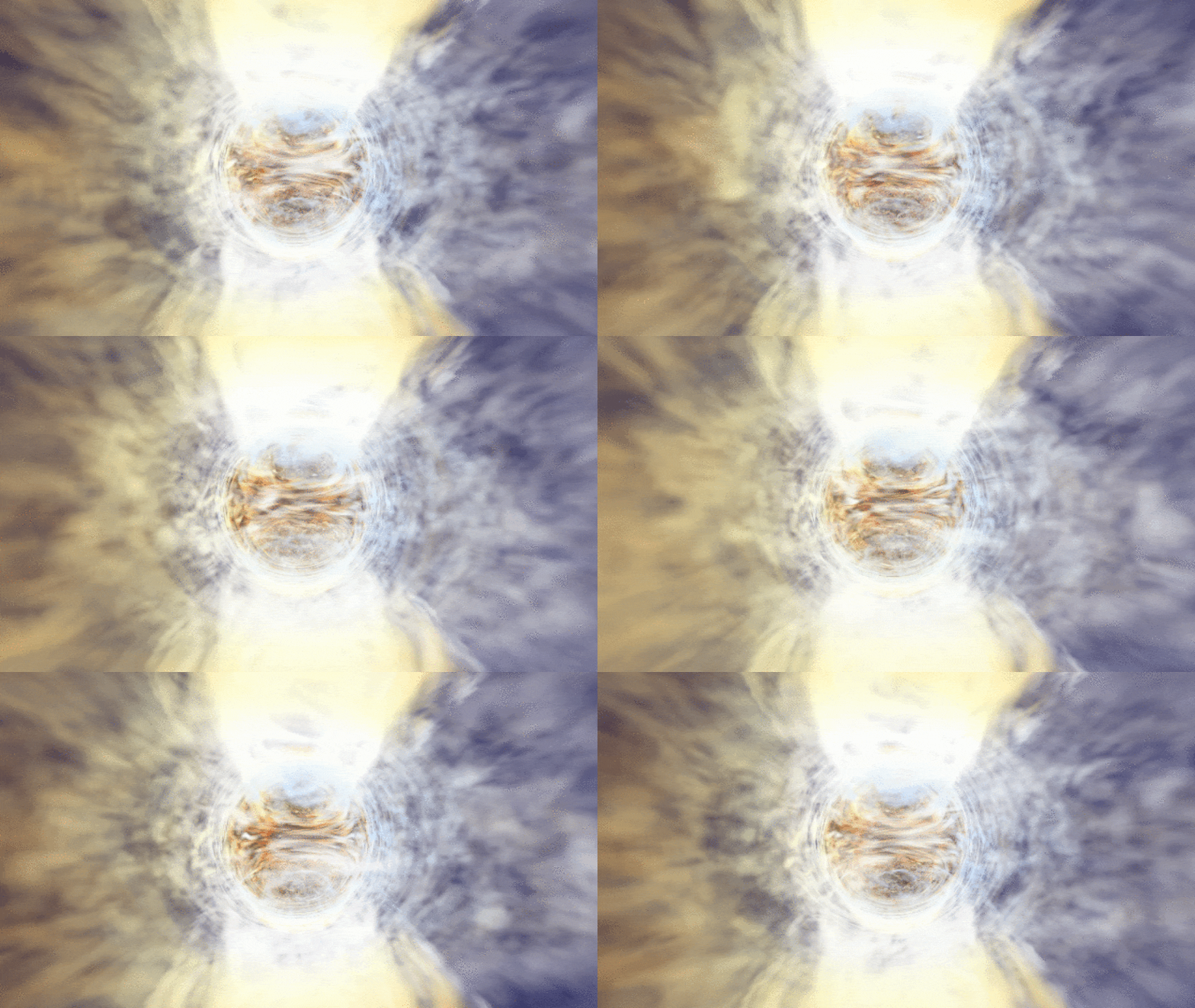
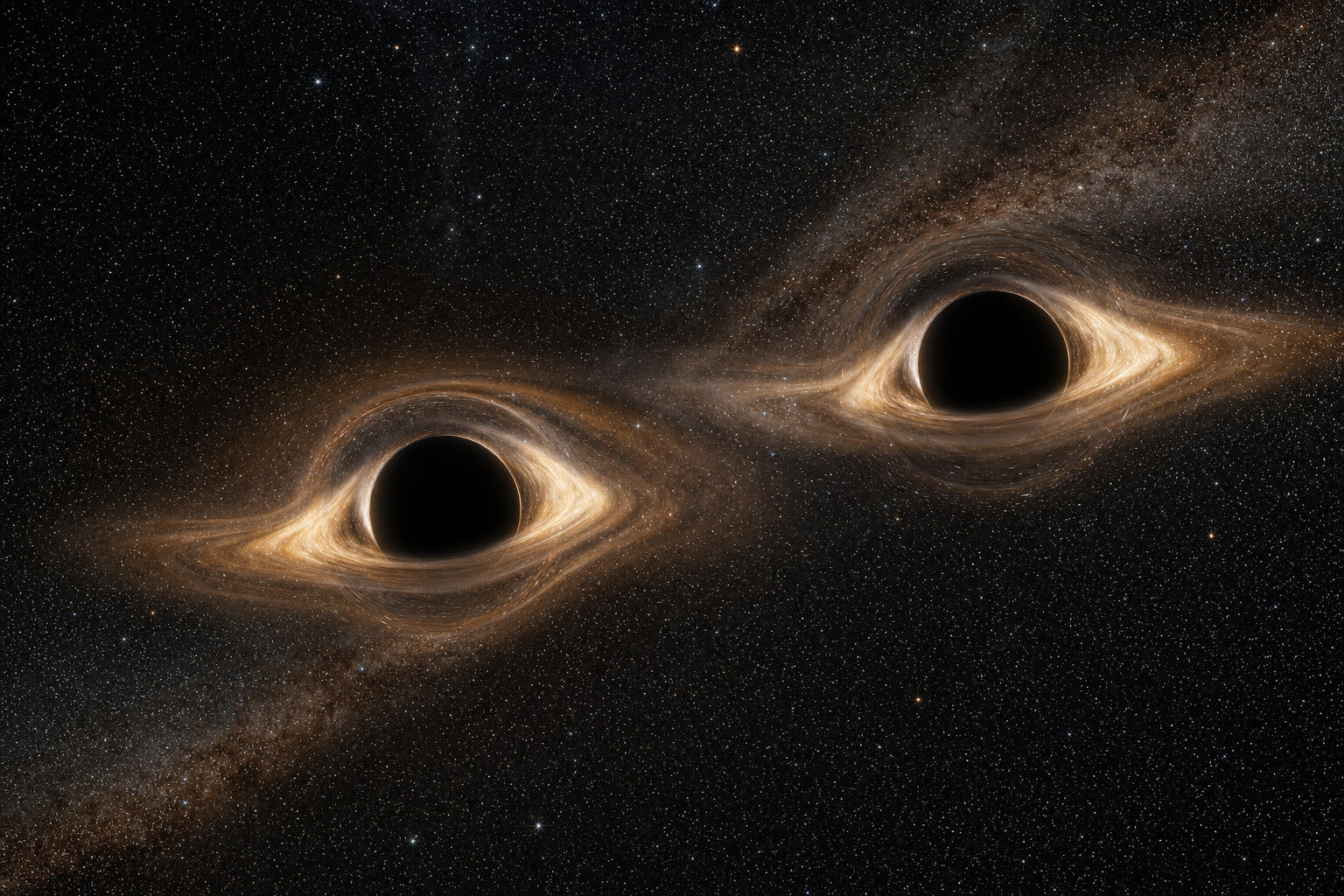
Beyond its aesthetic marvel, the Lion Nebula's imaging plays a pivotal role in tackling one of the JWST's most intriguing challenges: the 'little red dot' mystery. The recent discovery of the farthest 'black hole star,' as reported, offers a potential clue in this investigative puzzle. By studying the interaction between nebulae like NGC 2392 and nearby black holes, astronomers hope to shed light on the processes governing star formation and the lifecycle of cosmic bodies.
This synergy between nebula imaging and black hole research is not only intellectually stimulating but also essential for constructing a holistic picture of galactic evolution. The interaction between these cosmic entities may hold the secrets to understanding how galaxies evolve and form the complex structures we observe today.
Layers of Exploration: The Tarantula Nebula
Complementing Webb's Lion Nebula observations, NASA's recent multi-telescope collaboration has produced a vivid image of the Tarantula Nebula (30 Doradus). Located in the Large Magellanic Cloud, this star-forming region has been visualized through a 'cosmic craft' of layered telescope data, revealing new details about star formation processes. Such collaborative imaging efforts exemplify the power of combining data from multiple observatories, each contributing unique insights.
The Tarantula Nebula, like the Lion Nebula, serves as a cosmic laboratory where the birth and death of stars can be observed in real time. These observations are crucial for refining models of stellar evolution and understanding the mechanisms that drive the life cycles of stars.
Implications for Future Astronomy
The discoveries emerging from Webb's latest observations have far-reaching implications for the future of astronomy. As we continue to develop more sophisticated observational tools, our ability to explore the cosmos will expand exponentially. The insights gained from the Lion and Tarantula Nebulae, alongside the enigmatic 'black hole star,' may well pave the way for new theories on cosmic evolution.
Moreover, these findings reinforce the importance of international collaboration in space exploration. The combined efforts of NASA, ESA, and CSA in the James Webb Space Telescope project highlight the benefits of pooling resources and expertise to tackle the universe's greatest mysteries.
Ultimately, the synergy between technological advancement and scientific inquiry propels us closer to answering age-old questions about our place in the cosmos. The Webb Telescope's revelations are a testament to human curiosity and our ceaseless quest for knowledge.