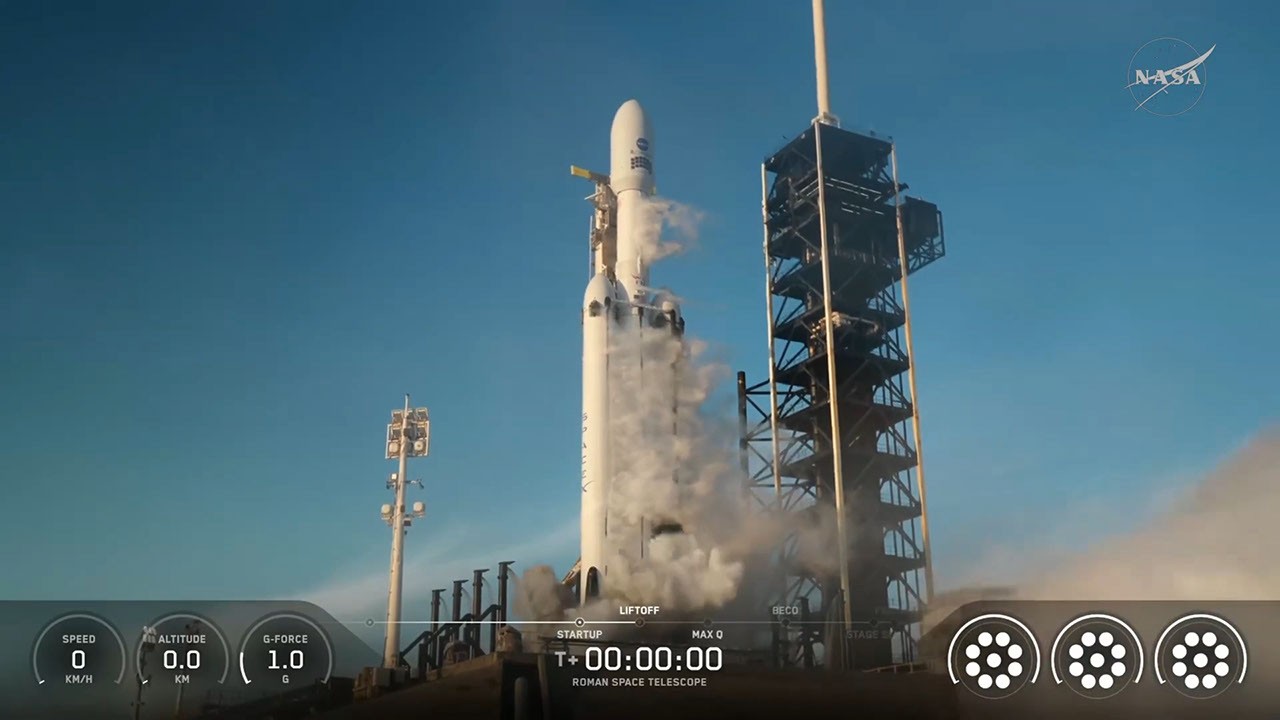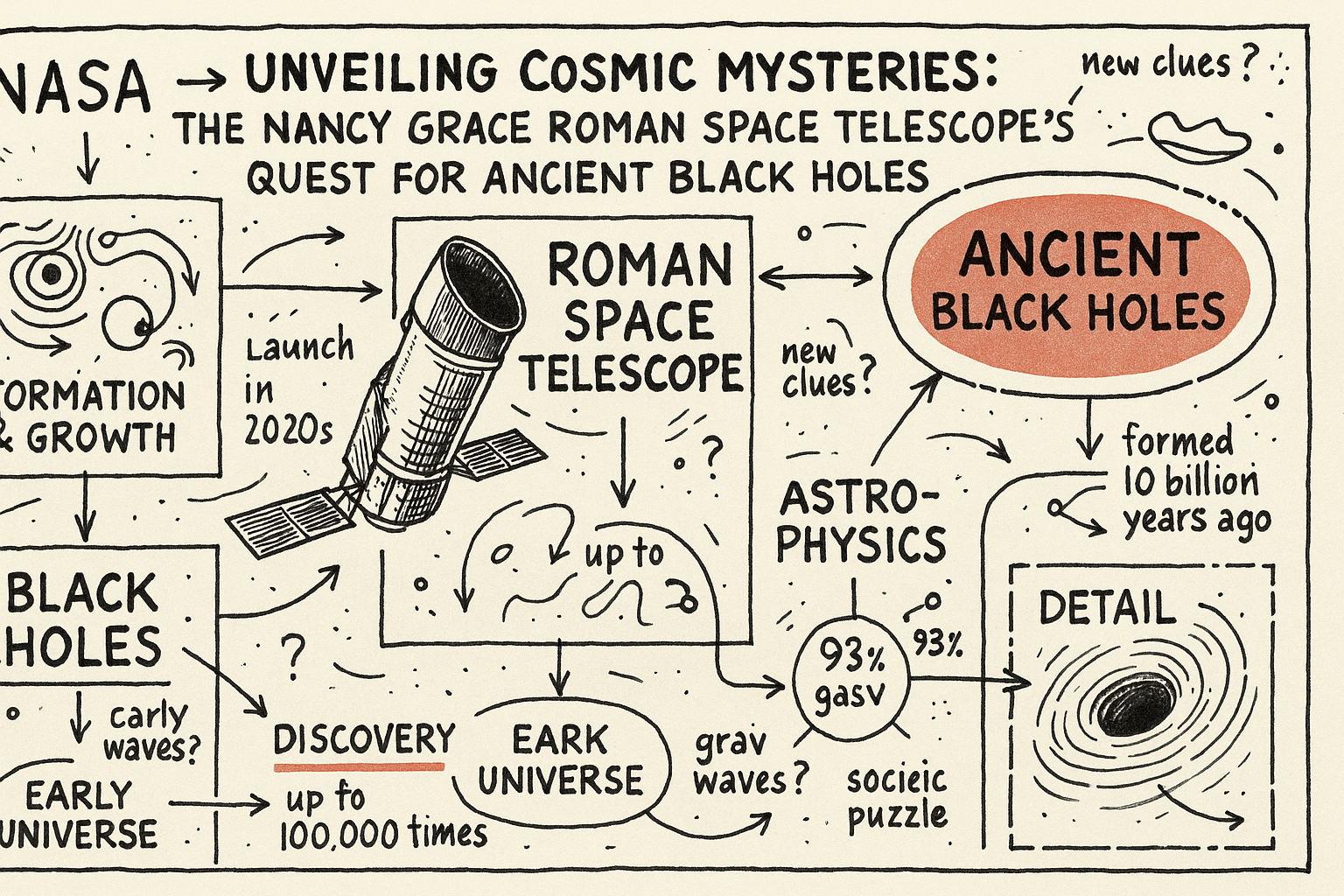
NASA is gearing up for a landmark mission with the scheduled launch of the Nancy Grace Roman Space Telescope from Kennedy Space Center on August 30. This mission marks a significant milestone in the field of astrophysics, as the telescope is set to explore some of the universe's most profound mysteries, including the elusive supermassive black holes (SMBHs).
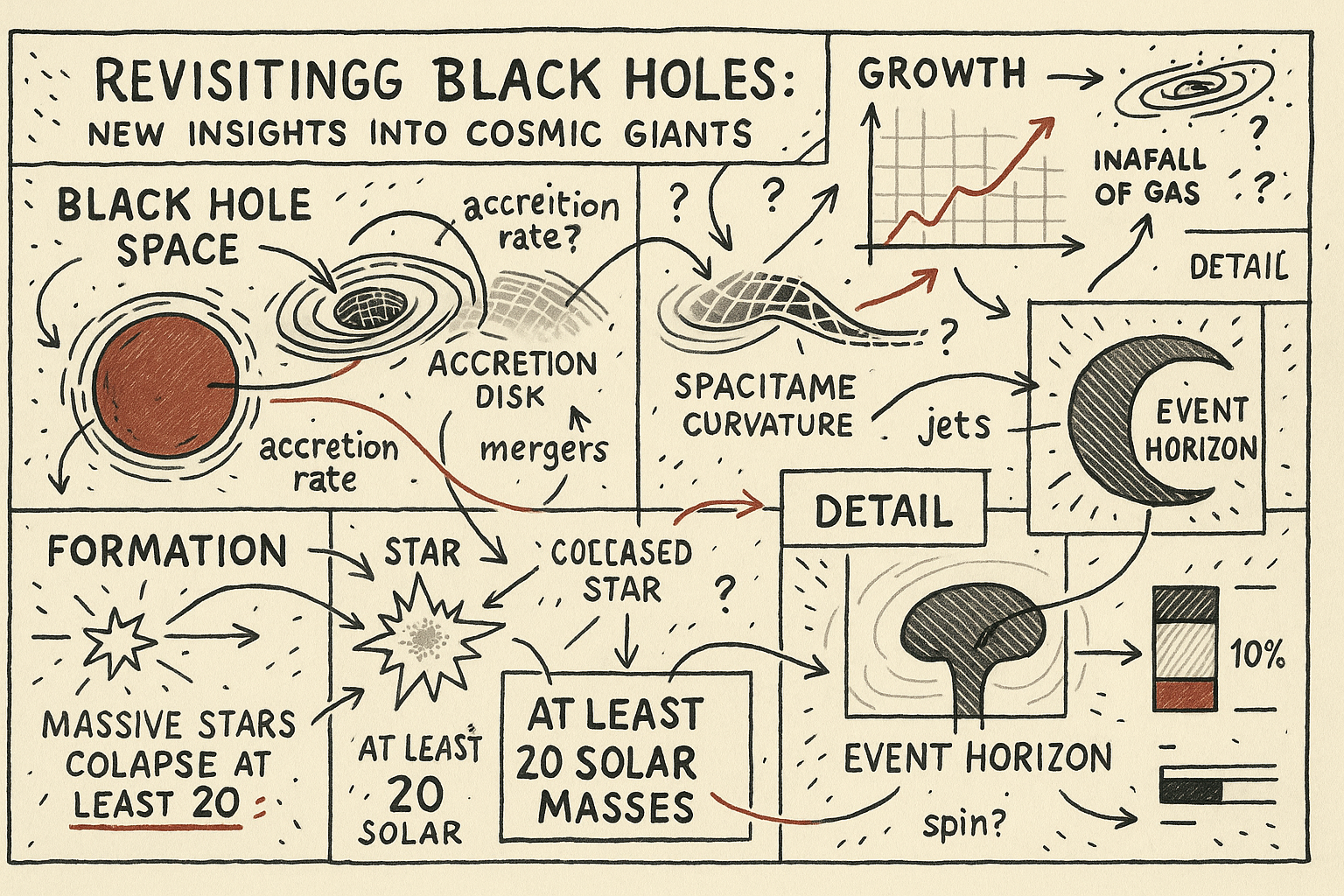
Supermassive black holes are known for their enigmatic nature, often residing at the centers of galaxies and exerting immense gravitational forces. One of the most intriguing phenomena associated with these cosmic giants is the Tidal Disruption Event (TDE), where a star gets too close to an SMBH and is torn apart by its gravitational forces. This violent process results in a luminous flare that can outshine the entire galaxy, providing a rare opportunity for astronomers to detect and study these otherwise invisible entities.
The Nancy Grace Roman Space Telescope is poised to revolutionize our understanding of SMBHs by detecting approximately 100 TDEs annually. This capability will allow scientists to chart the growth of SMBHs over cosmic time, offering insights into how these massive structures have evolved since the universe's infancy.
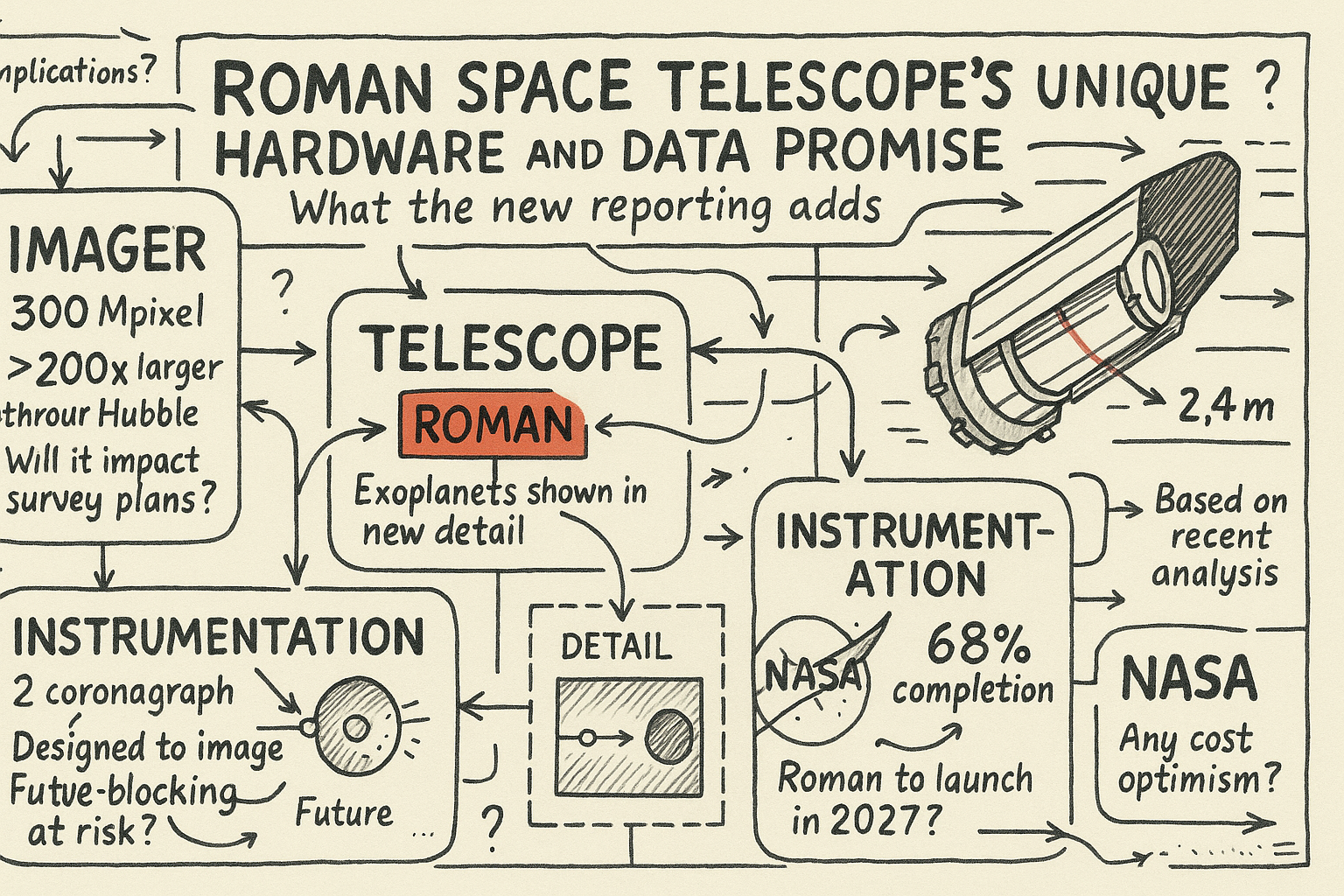
According to NASA, the telescope's advanced instrumentation will enable it to capture these events with unprecedented precision. By observing the flares produced during TDEs, researchers can gather crucial data on the mass and spin of black holes, as well as the dynamics of the accretion process. This information is vital for constructing models that explain the formation and evolution of SMBHs.
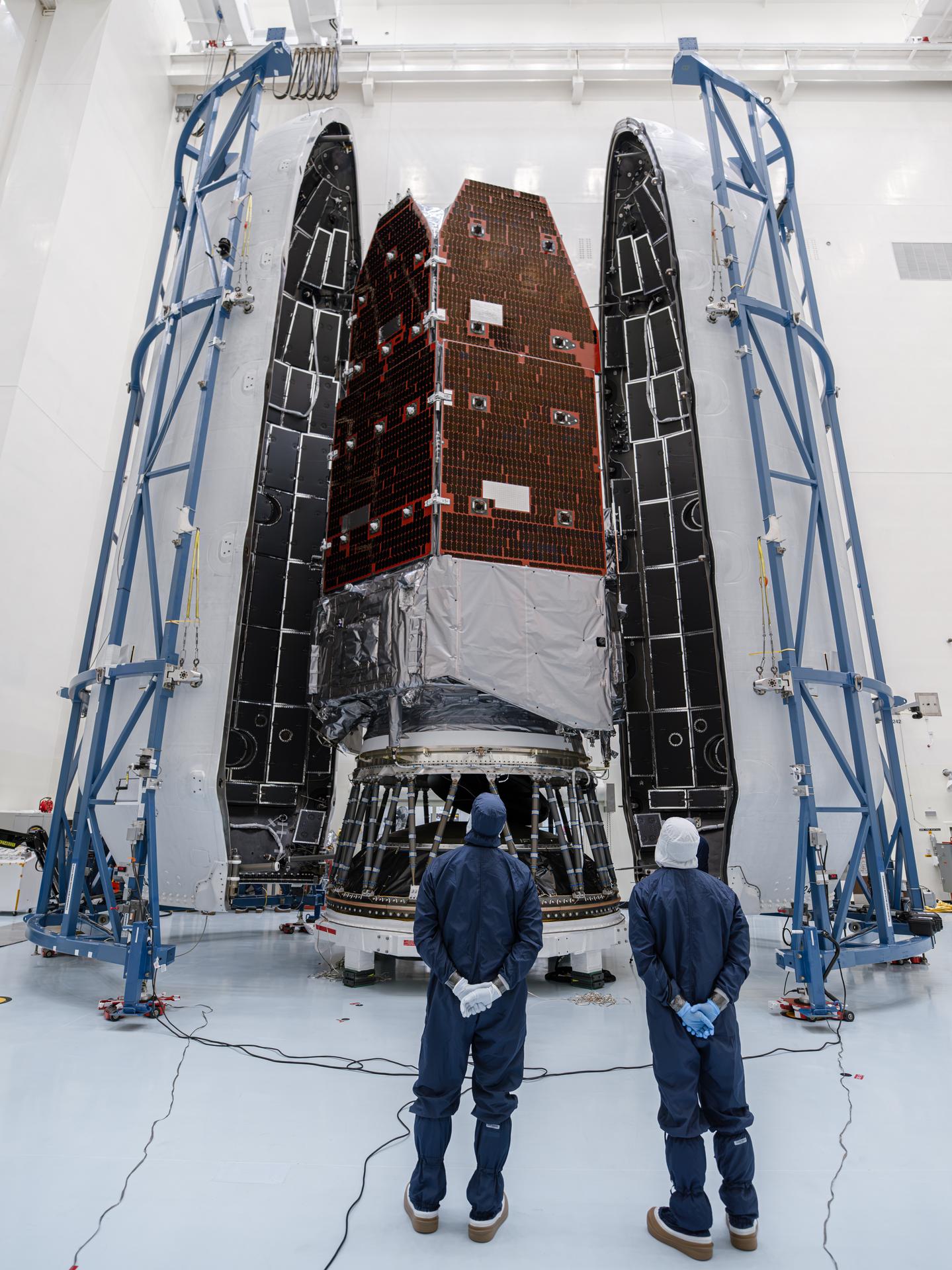
The upcoming mission has generated considerable excitement within the scientific community. As the telescope prepares for its journey, NASA's teams have been diligently working on final preparations, including fueling the observatory and ensuring all systems are ready for launch. The mission's success will not only enhance our understanding of black holes but also contribute to broader astrophysical research, shedding light on the fundamental processes that govern the universe.
As the launch date approaches, anticipation continues to build for the Nancy Grace Roman Space Telescope's potential to unlock the secrets of the cosmos. By observing the dramatic interactions between stars and black holes, this mission promises to deepen our comprehension of the universe's most mysterious phenomena.