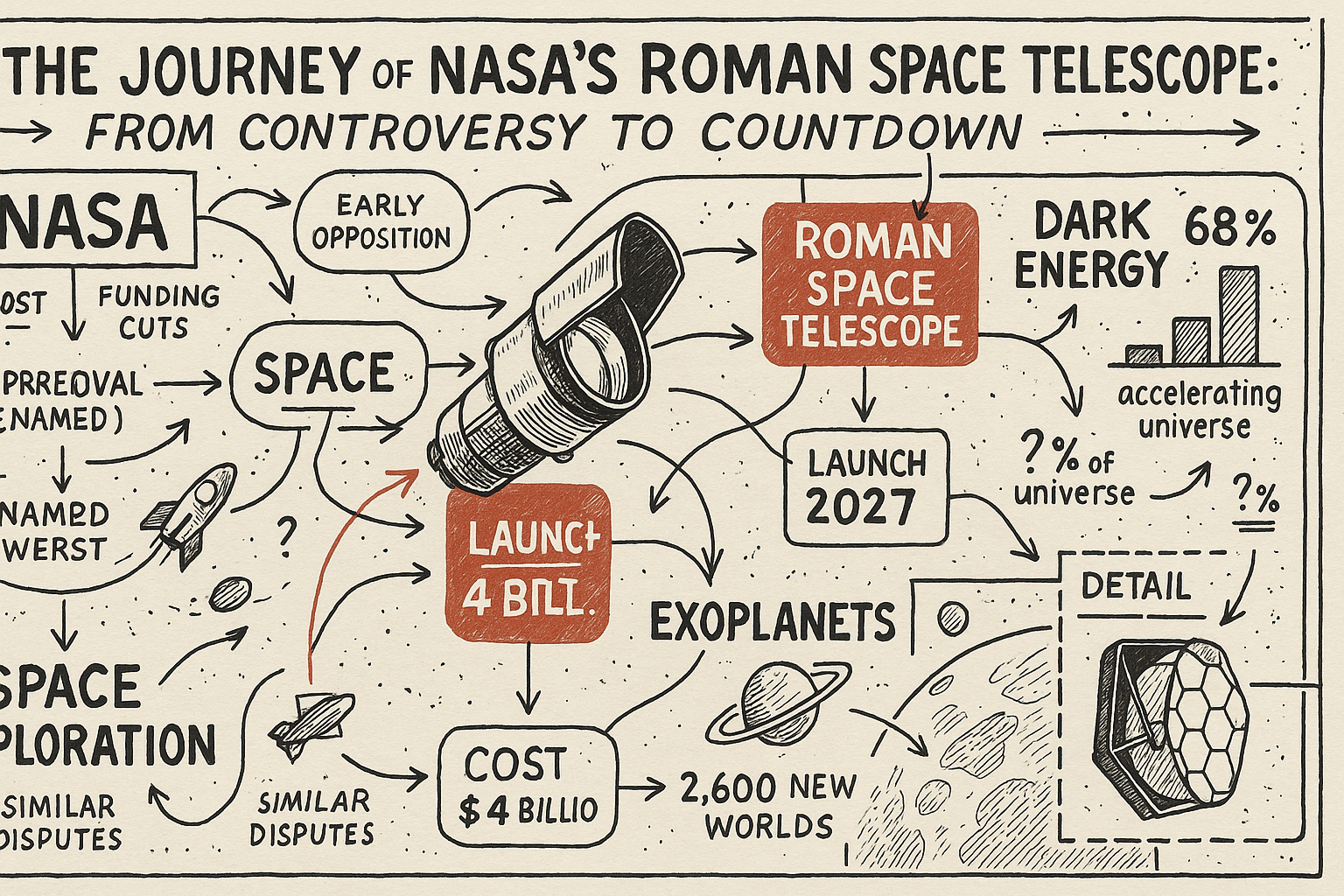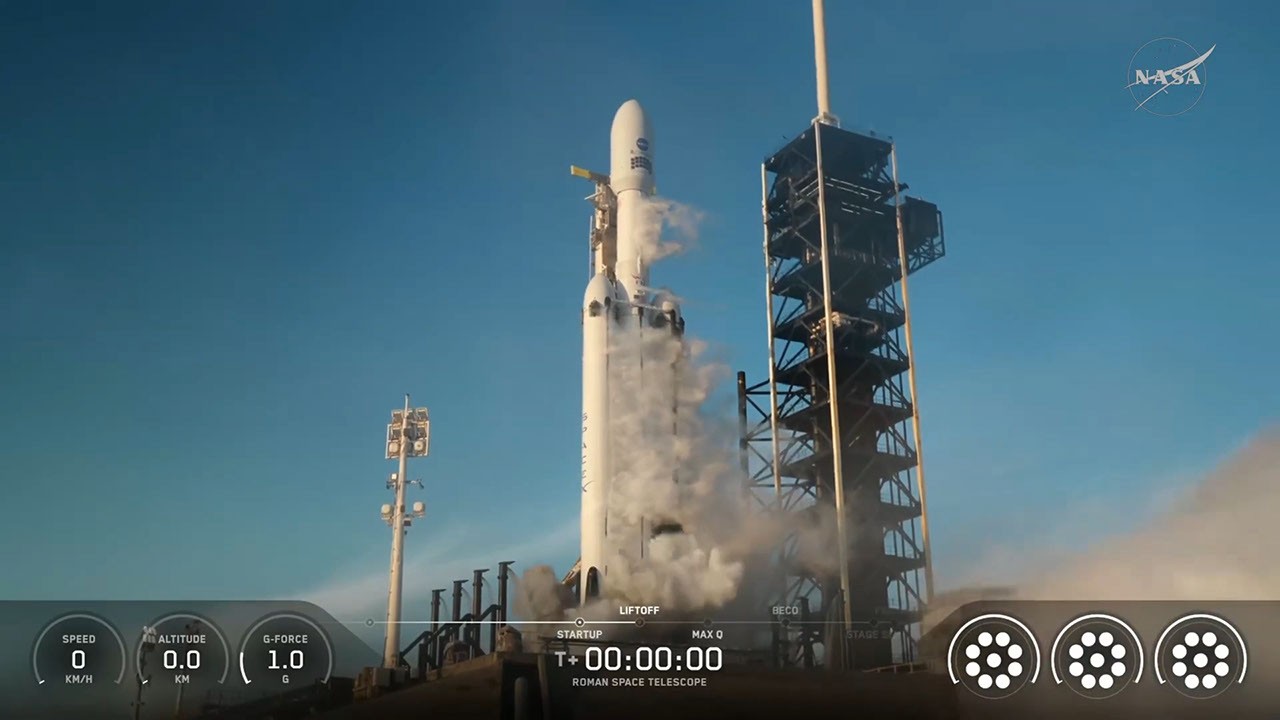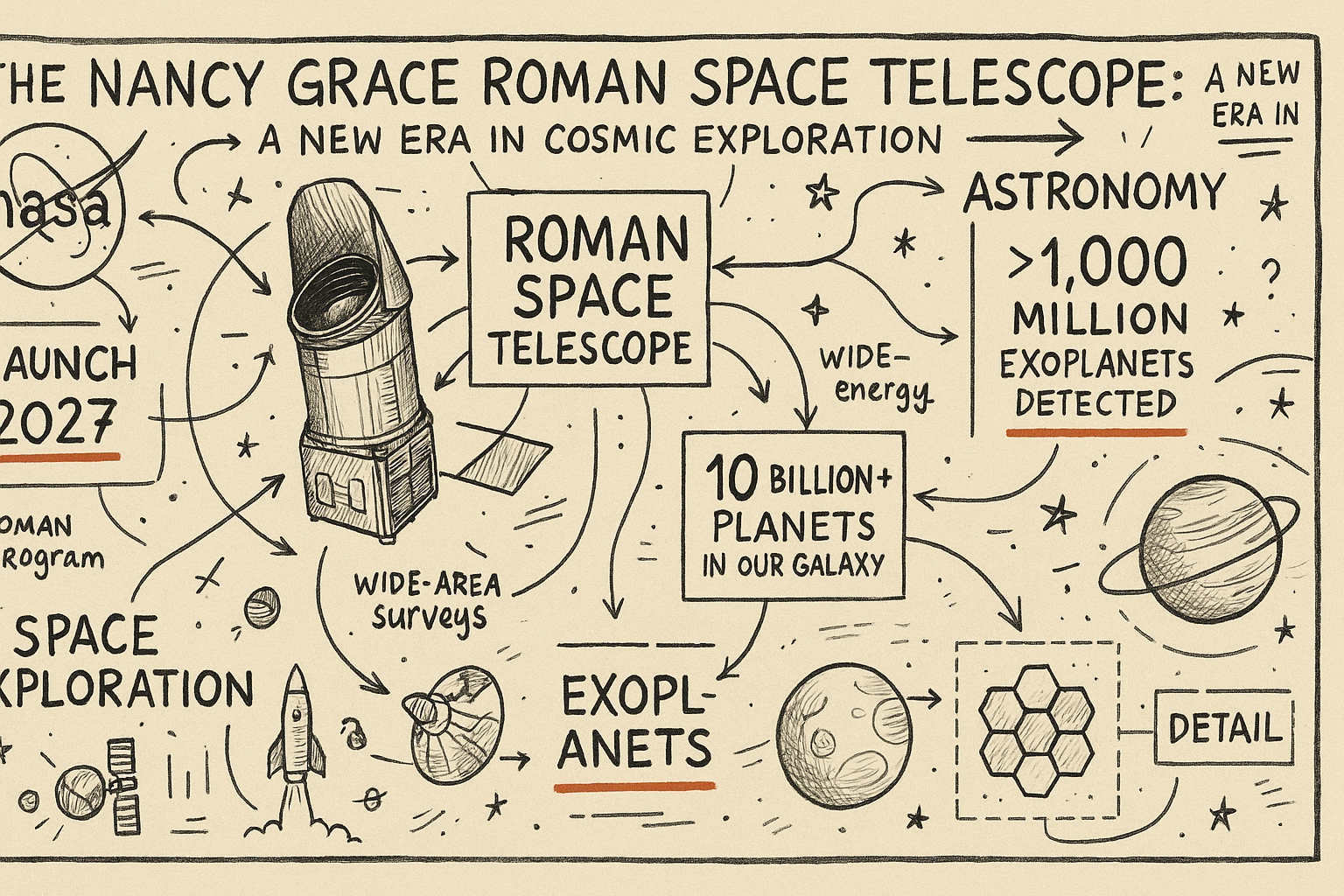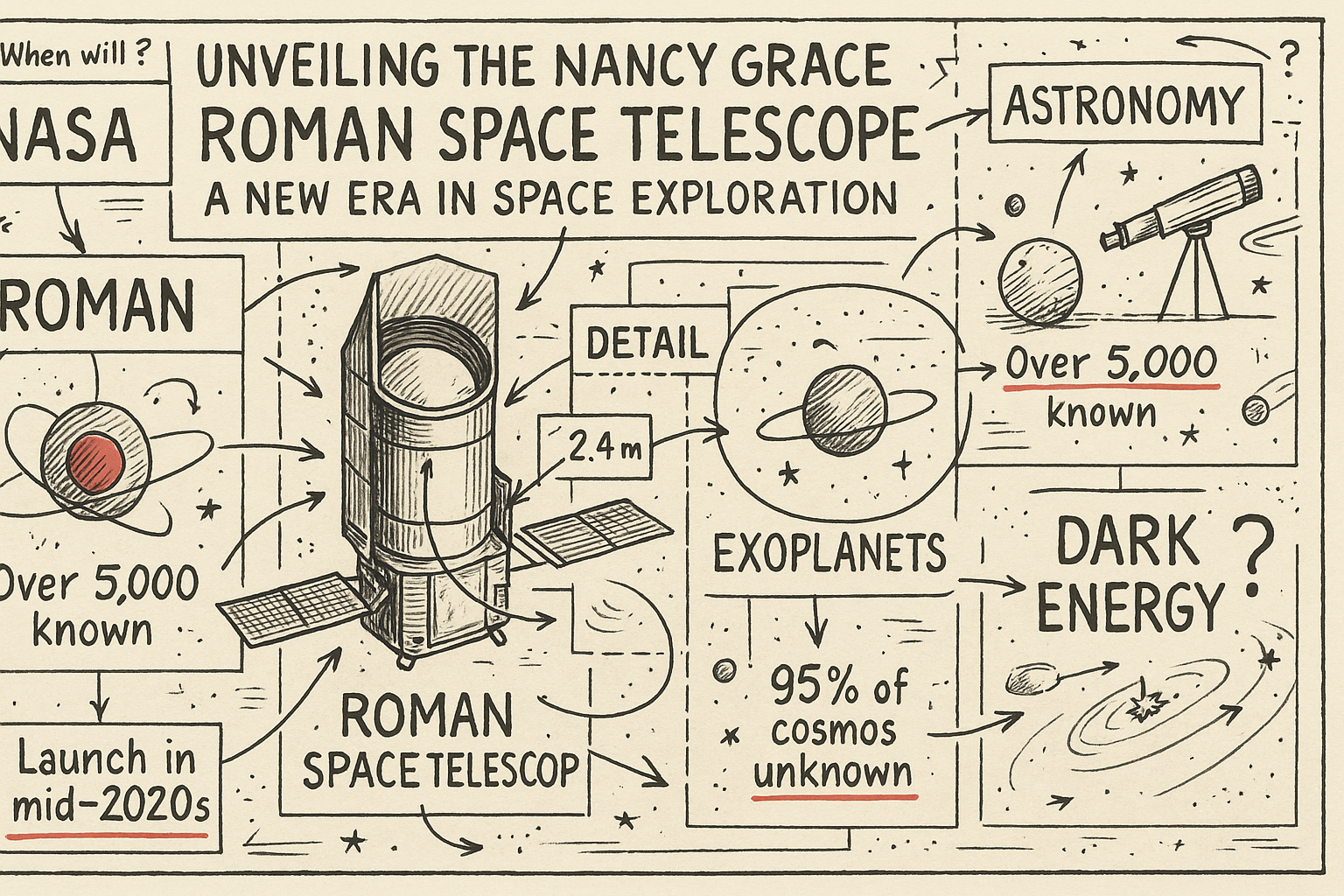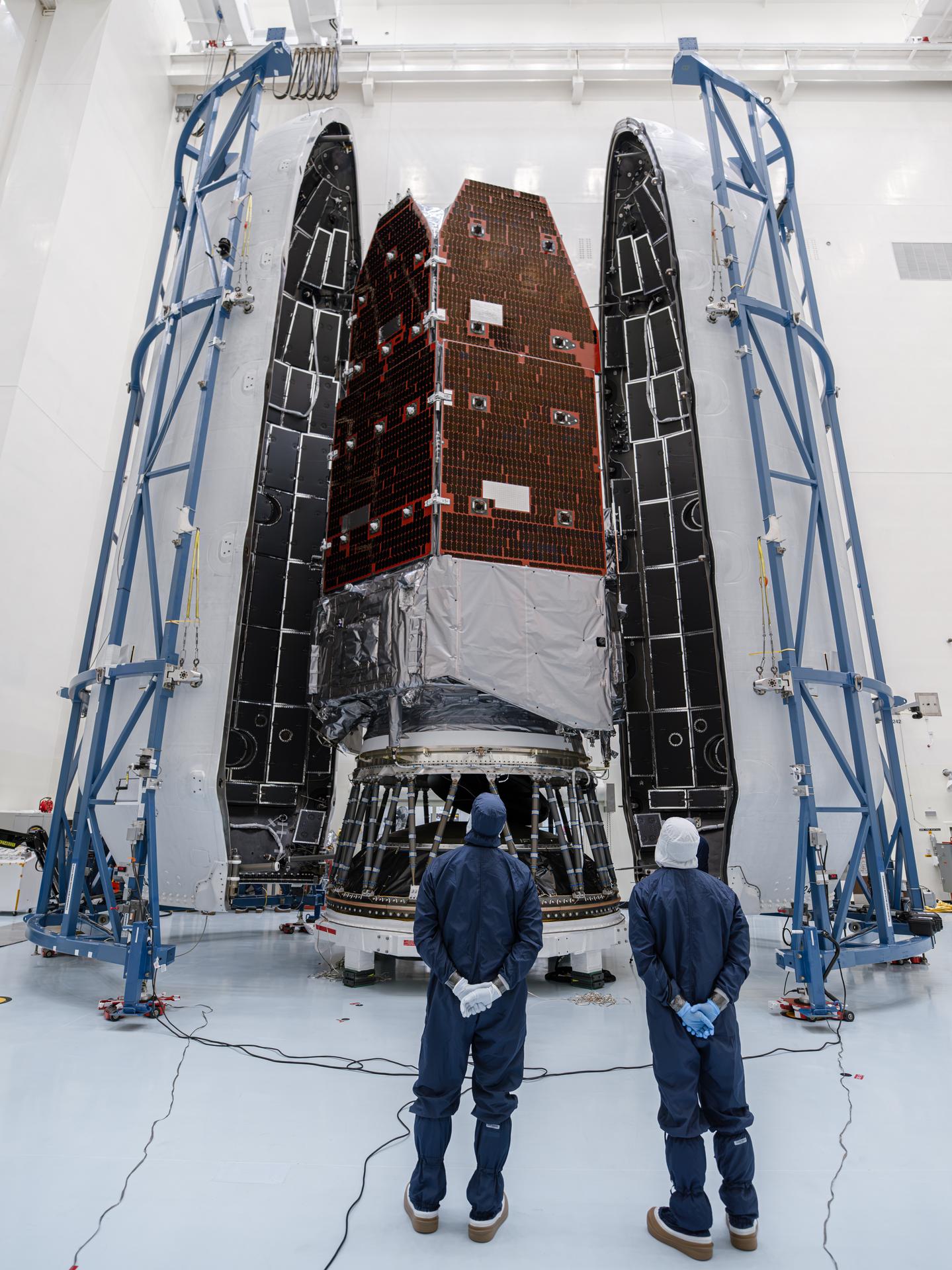
NASA is gearing up for the much-anticipated launch of the Roman Space Telescope, a mission that promises to significantly enhance our understanding of the cosmos. This advanced observatory is slated to lift off from Florida, marking a pivotal moment in astrophysics and space exploration. The Roman Space Telescope, named after Nancy Grace Roman, NASA's first Chief of Astronomy, is designed to address some of the most profound questions in cosmology, including the mysteries of dark energy and the search for exoplanets.
The Roman Space Telescope is equipped with a Wide Field Instrument that will provide astronomers with a field of view 100 times greater than that of the Hubble Space Telescope, albeit with the same level of detail. This capability is expected to facilitate extensive surveys of the universe, enabling the study of the large-scale structure of the cosmos. One of the primary objectives of the Roman mission is to investigate the nature of dark energy, a mysterious force that is accelerating the expansion of the universe.
By observing the distribution of galaxies across different epochs, scientists hope to understand how dark energy has influenced the universe's growth over time. This could potentially lead to groundbreaking insights into the nature of this enigmatic force. The Roman Space Telescope will also employ its Coronagraph Instrument to directly image exoplanets, possibly uncovering new worlds beyond our solar system. This technology will allow researchers to study the atmospheres of these planets, searching for signs of habitability and life.
NASA has meticulously prepared for the Roman Space Telescope's journey, with teams recently completing a Flight Readiness Review. This crucial step ensures that all systems are operational and ready for launch. The telescope's launch will be covered extensively by NASA, reflecting the mission's importance to the scientific community and the public.
Historically, space telescopes have played a crucial role in expanding our understanding of the universe. The Hubble Space Telescope, launched in 1990, revolutionized astronomy by providing unprecedented views of distant galaxies, star-forming regions, and nebulae. Similarly, the James Webb Space Telescope, launched in 2021, continues to explore the universe in infrared light, revealing details of early galaxies and star systems.
The Roman Space Telescope is expected to build on these achievements, offering complementary data that will enhance existing knowledge. Its wide field of view and advanced instrumentation are designed to tackle questions that have remained elusive despite decades of research. The integration of cutting-edge technologies in the Roman Space Telescope, such as its sensitivity to infrared wavelengths and high-resolution imaging, positions it as a formidable tool in the quest to unravel the universe's secrets.
Looking to the future, the Roman Space Telescope is anticipated to inspire a new generation of astronomers and astrophysicists. By providing a wealth of data on cosmic phenomena, it will likely stimulate further research and technological advancements in space observation. The mission underscores NASA's commitment to exploring the frontiers of space and expanding human knowledge through scientific discovery.