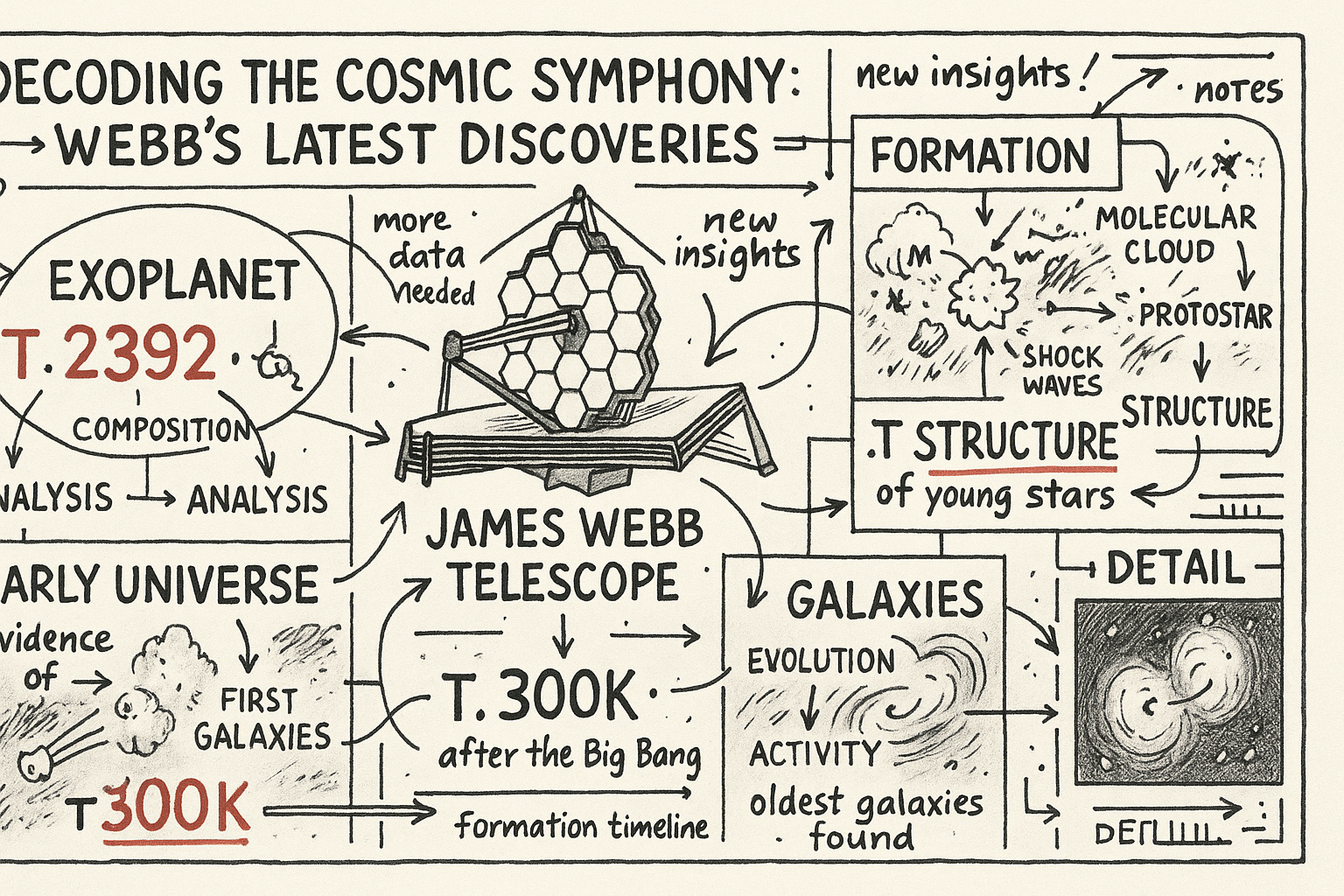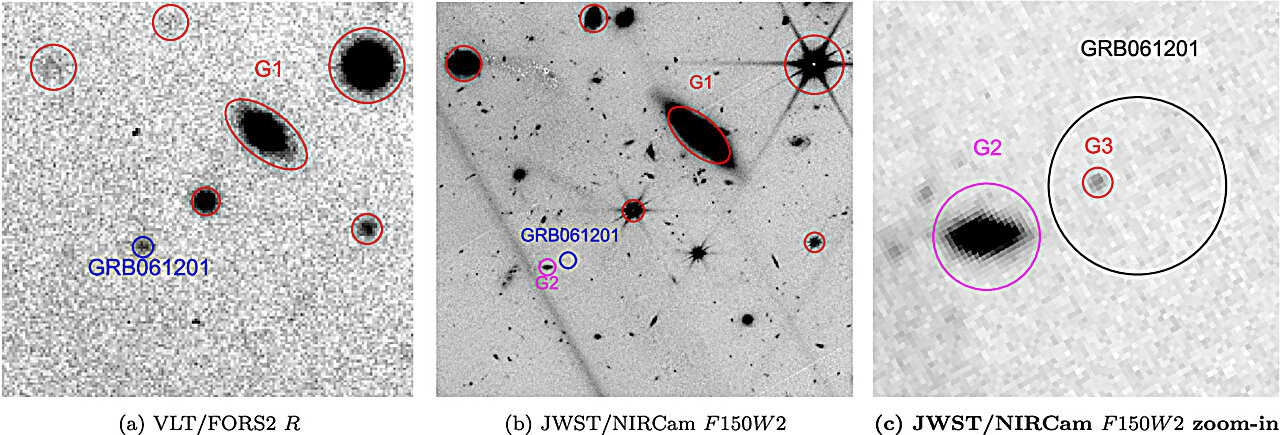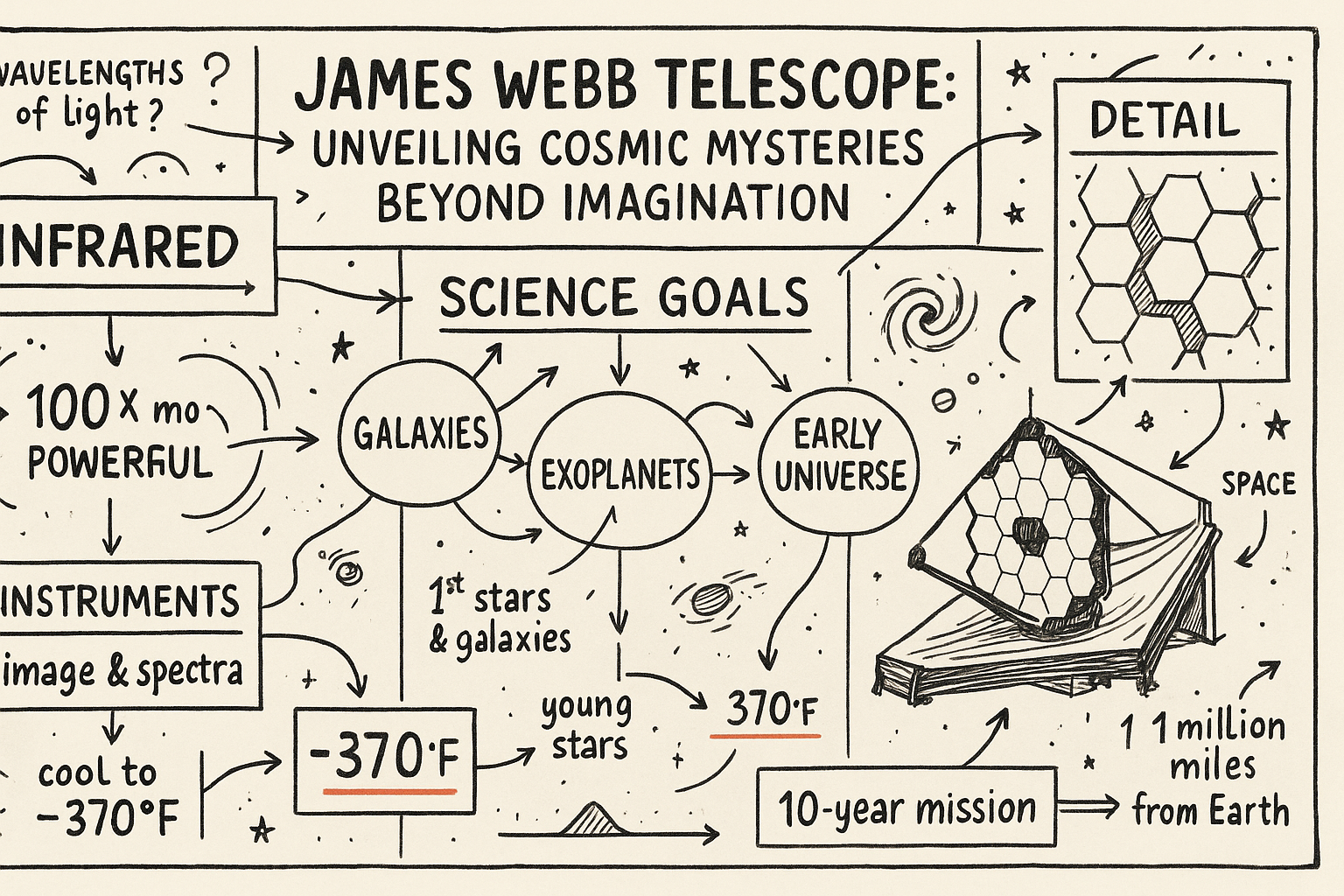
The James Webb Space Telescope (JWST), the most sophisticated observatory ever launched into space, continues to redefine our understanding of the cosmos, revealing phenomena that challenge existing theories and inspire new lines of inquiry. With its advanced instruments and capabilities, the JWST offers unprecedented insights, from the detailed structures in protoplanetary disks to the mysterious origins of supermassive black holes.
One of the most remarkable features of the JWST is its large, gold-coated segmented mirror, which enables it to capture images twice as sharp as its predecessors. This capability is pivotal in its latest discoveries, such as the application of interferometry observing mode. By combining light from different parts of the telescope, this mode allows astronomers to discern minute cosmic details that were previously indiscernible.
One exciting discovery involves the so-called ‘little red dots’ observed by the telescope, which may be massive stars, each 100,000 times the mass of our Sun. These colossal stars, through their eventual collapse, could have seeded the universe's first giant black holes, providing a plausible explanation for the rapid formation of these enigmatic cosmic giants observed in the early universe. This finding suggests a link between the first stars and the earliest supermassive black holes, reshaping our understanding of the universe's evolutionary timeline.
Another intriguing revelation from the JWST comes from its study of TW Hydrae, a young star surrounded by a protoplanetary disk. High-contrast coronagraphic images taken by the telescope have revealed a warped structure within this disk. Such warping could indicate early planet formation, offering a glimpse into the processes that might mirror the early stages of our own solar system’s development. This discovery underscores the JWST's role as a crucial tool for studying planet formation and the conditions that lead to the development of planetary systems.
In addition to these findings, the JWST has illuminated the complex structures within the starburst galaxy Centaurus A. Using its Mid-Infrared Instrument (MIRI), the telescope has exposed dusty formations and hidden activities that shape this unusual galaxy. These insights are vital for understanding the dynamics of starburst galaxies, which are characterized by intense periods of star formation and play a significant role in cosmic evolution.
While the JWST continues to push the boundaries of space exploration, it also inspires cultural and educational initiatives back on Earth. A recent example is the release of a detailed LEGO model of the Hubble Space Telescope. Although not directly related to the JWST, this model serves as a nod to the legacy of space telescopes and their role in expanding human knowledge. It reflects the growing public interest in space science and the desire to engage with it interactively.
Looking to the future, the JWST's discoveries promise to answer fundamental questions about the universe while undoubtedly raising new ones. Its ability to peer into the distant past enables scientists to explore the early universe, investigate the birth of stars and galaxies, and search for potential life-supporting planets. As the JWST continues its mission, it reaffirms the importance of space exploration in enhancing our understanding of the cosmos and our place within it.