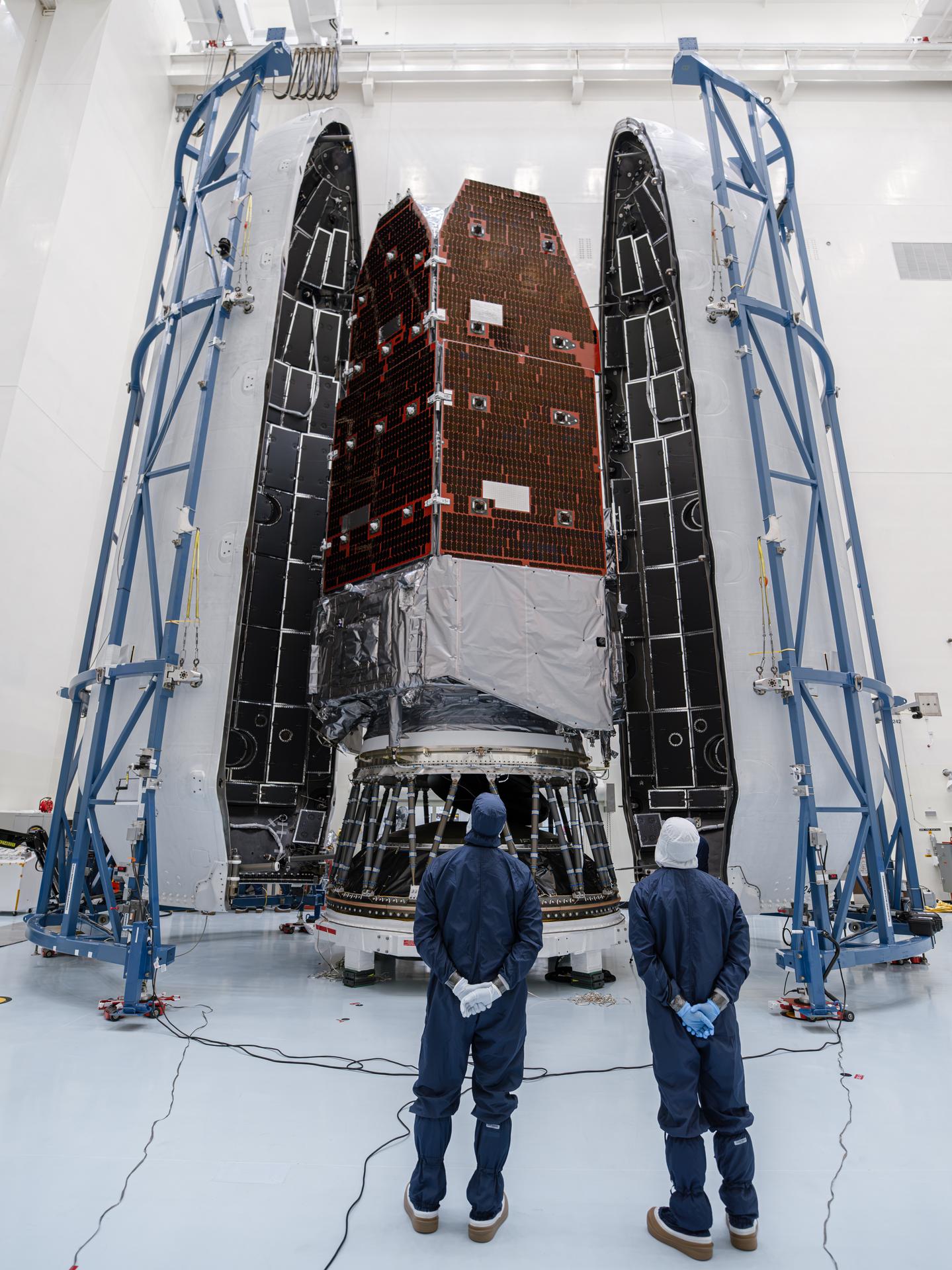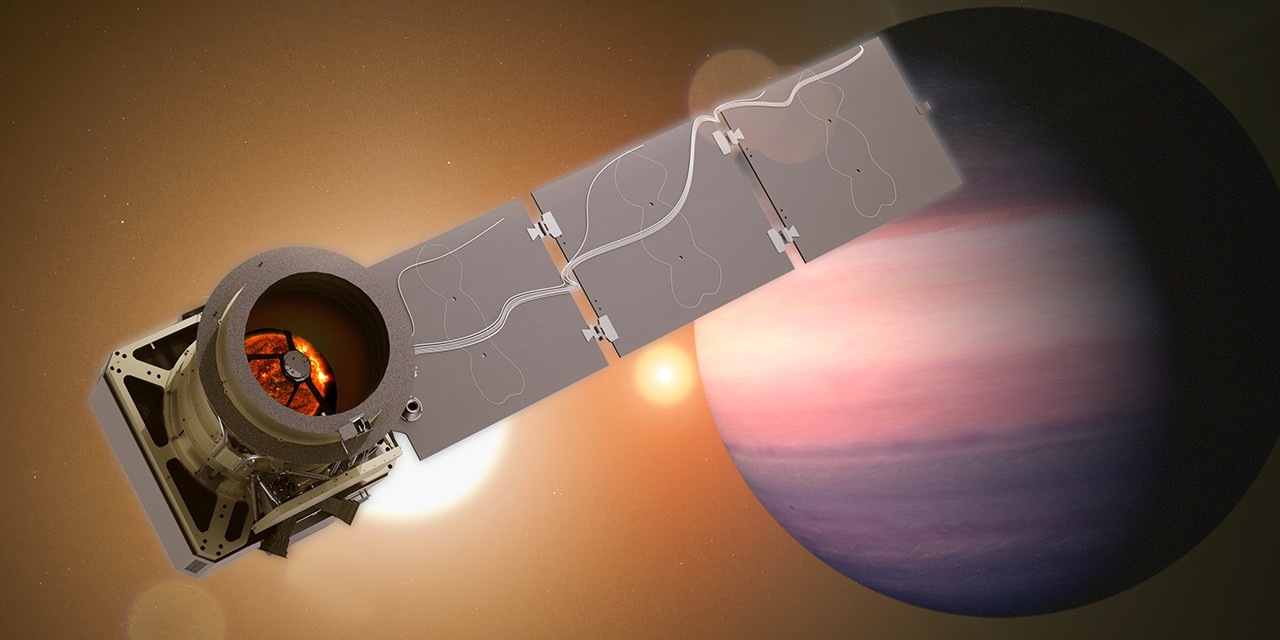
NASA's innovative Pandora mission has begun its much-anticipated exploration of exoplanets and their host stars, with the goal of advancing our understanding of these distant celestial bodies. As of August 25, 2026, Pandora is embarking on a mission that could reshape our knowledge of the universe beyond our solar system. This initiative is a part of NASA’s ongoing efforts to explore the cosmos and gather critical data that could answer fundamental questions about the nature of planetary systems.
The Pandora mission is focused on studying both exoplanets and the stars they orbit. By observing these systems, NASA aims to gather detailed information on the atmospheric compositions of exoplanets, their potential habitability, and the interaction between these planets and their stars. This dual focus is critical, as the characteristics and behavior of host stars can significantly influence the conditions on their orbiting planets.
Exoplanets, or planets situated outside our solar system, have captivated scientists since their first confirmed discovery in the 1990s. The study of these planets has become a dynamic field of research, as astronomers seek to understand not only the formation and evolution of planetary systems but also the potential for life beyond Earth. As of now, thousands of exoplanets have been identified, each offering a unique glimpse into the diversity and complexity of planetary systems in the universe.
Pandora’s mission is expected to provide new insights into these distant worlds by using advanced observational techniques and instruments. The mission will employ a combination of transit photometry, which measures the dimming of a star as a planet passes in front of it, and spectroscopy, which analyzes the light from stars to determine the chemical compositions of exoplanetary atmospheres. By integrating these methods, Pandora aims to build a comprehensive understanding of exoplanets' atmospheric conditions.
This mission is part of a broader trend in space exploration where missions are designed to answer specific scientific questions about the universe. The quest to study exoplanets and their atmospheres is particularly significant, as it holds the potential to identify planets with conditions suitable for life. Understanding the atmospheres of these planets could reveal clues about their climate, weather patterns, and even signs of biological activity.
NASA's dedication to exoplanetary research reflects a growing interest in the search for life beyond Earth. While the discovery of life on another planet remains hypothetical, the study of exoplanets provides a framework for understanding the potential for life in the universe. The Pandora mission, with its focus on both planets and their stars, is well-positioned to contribute valuable data that could inform future missions and research endeavors.
The Pandora mission is set to build upon the legacy of previous space observatories such as the Kepler Space Telescope and the Hubble Space Telescope, both of which have been instrumental in advancing our understanding of exoplanets. By utilizing cutting-edge technology and methodologies, Pandora aims to push the boundaries of what we know about these distant worlds.
Looking ahead, the outcomes of the Pandora mission could have profound implications for future space exploration missions. As we continue to search for habitable planets and the possibility of extraterrestrial life, the data collected by Pandora will be crucial in guiding the next generation of telescopes and exploration strategies. This mission not only represents a significant step forward in exoplanetary science but also underscores NASA’s commitment to exploring the unknown and expanding the frontiers of human knowledge.