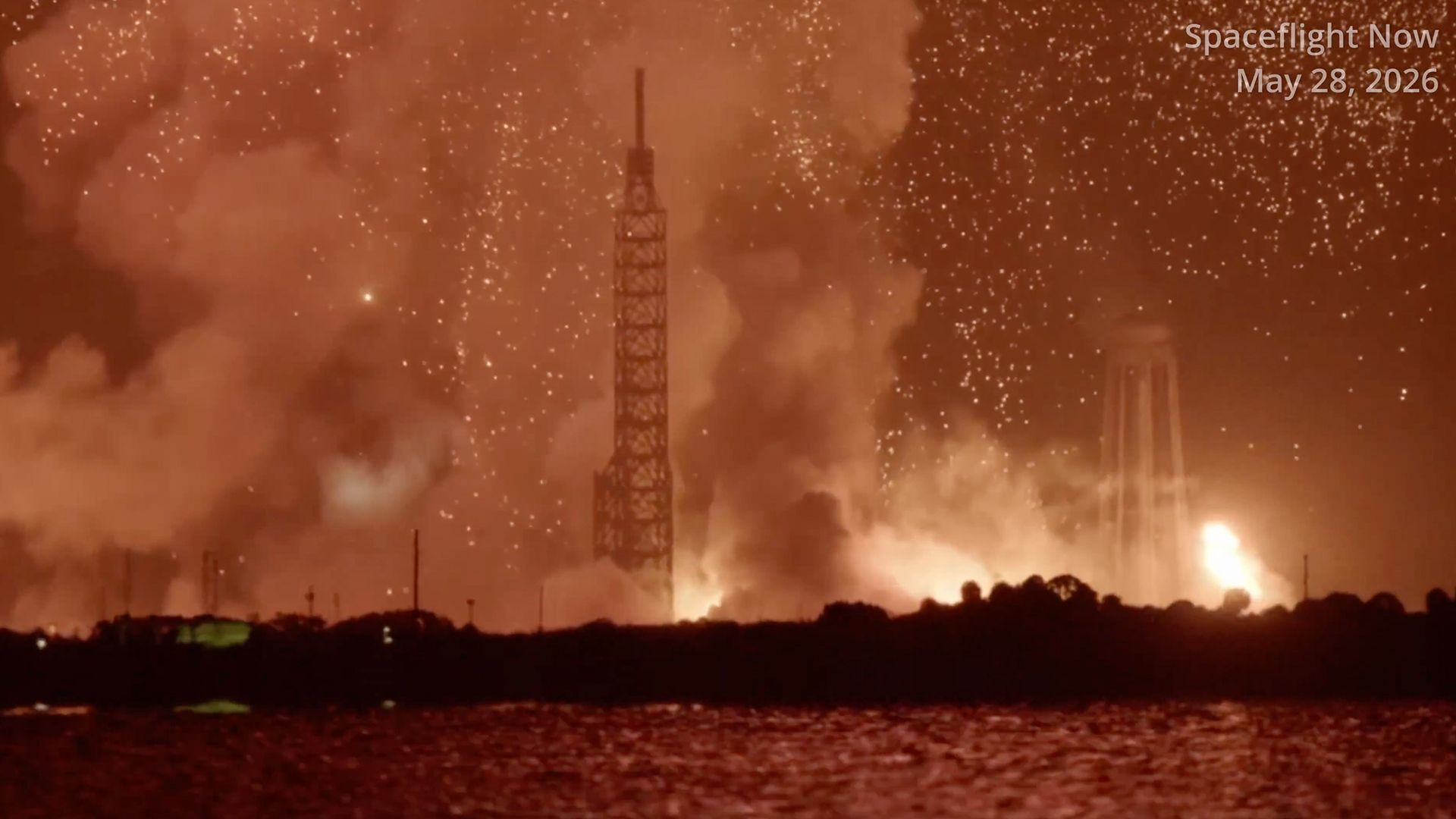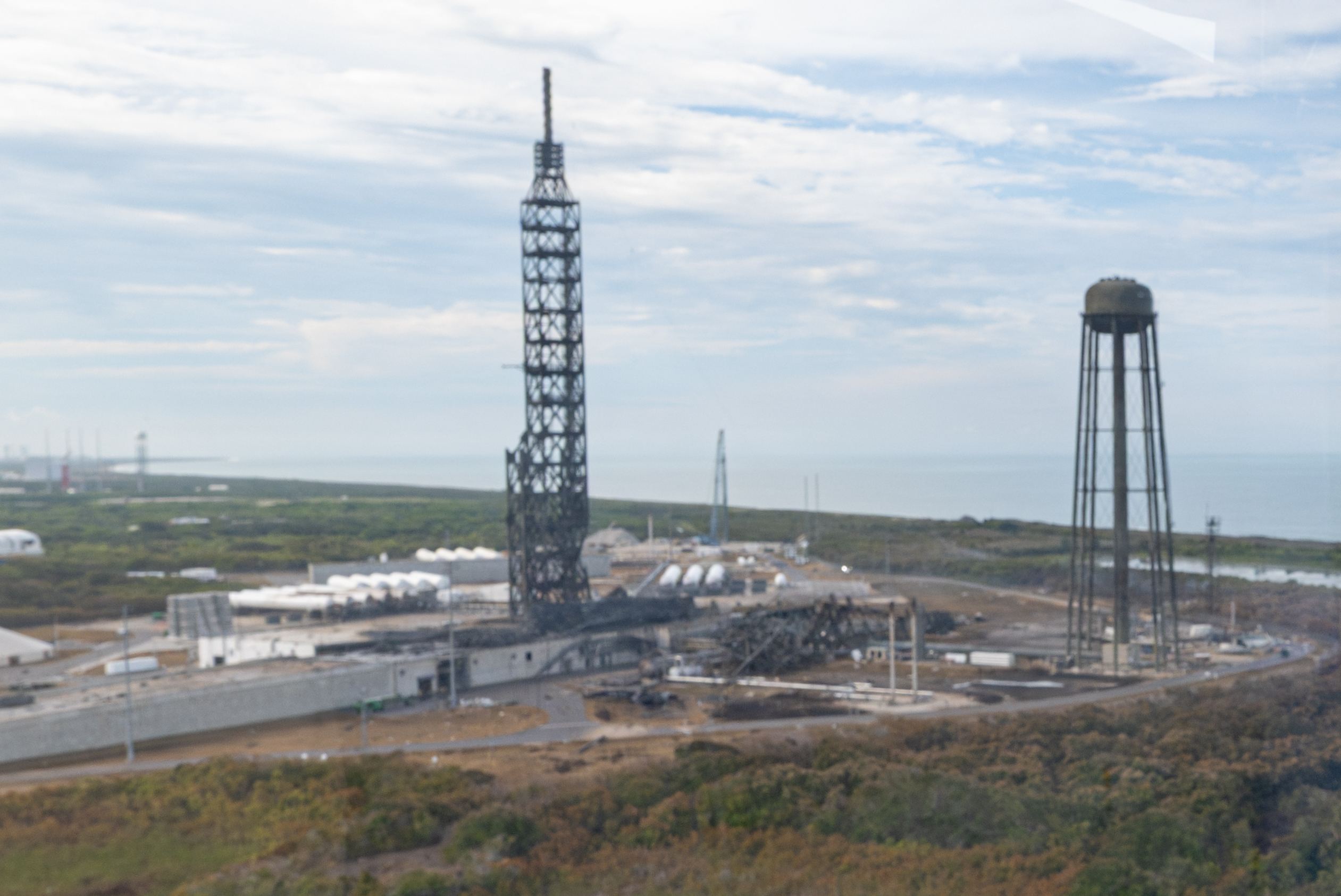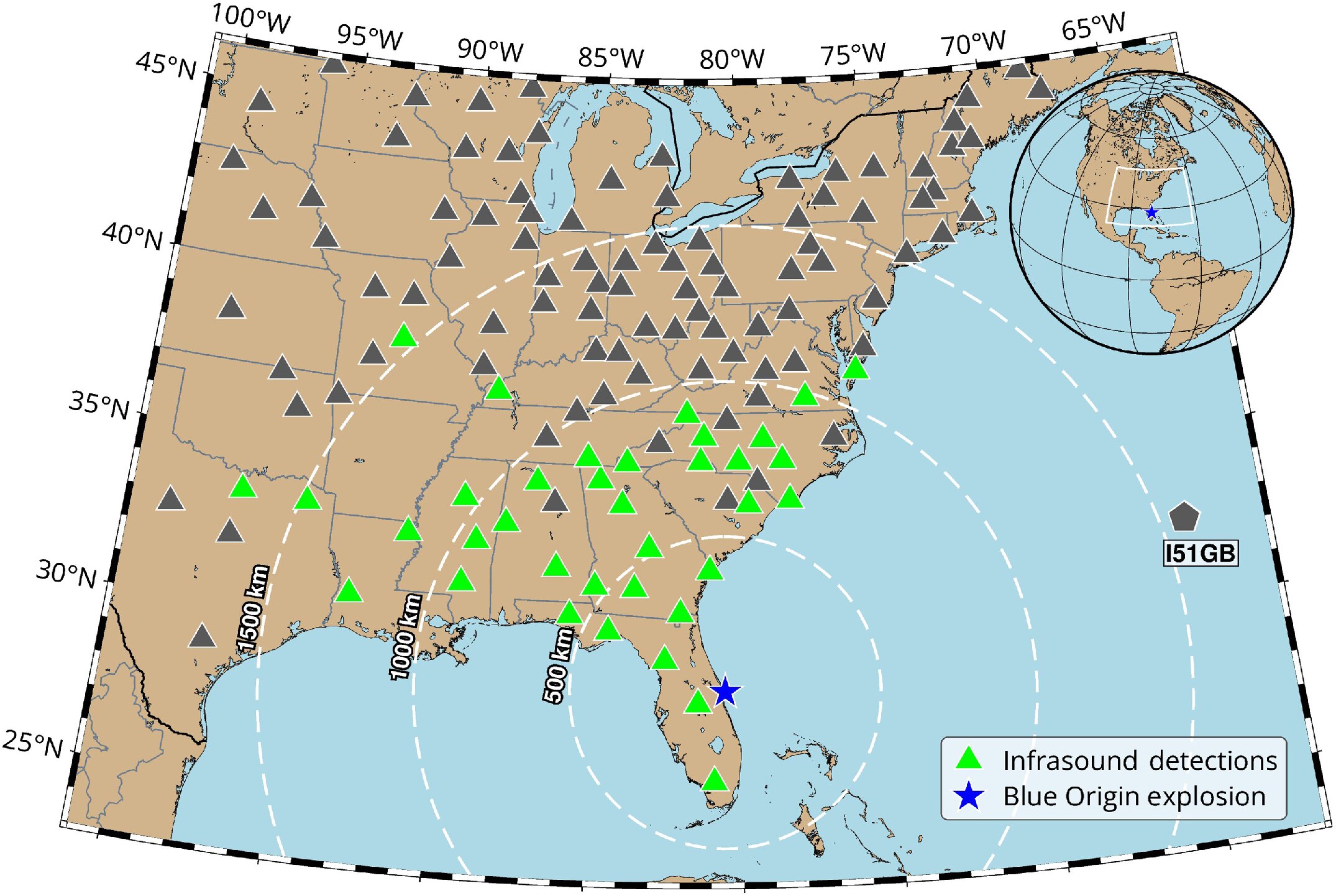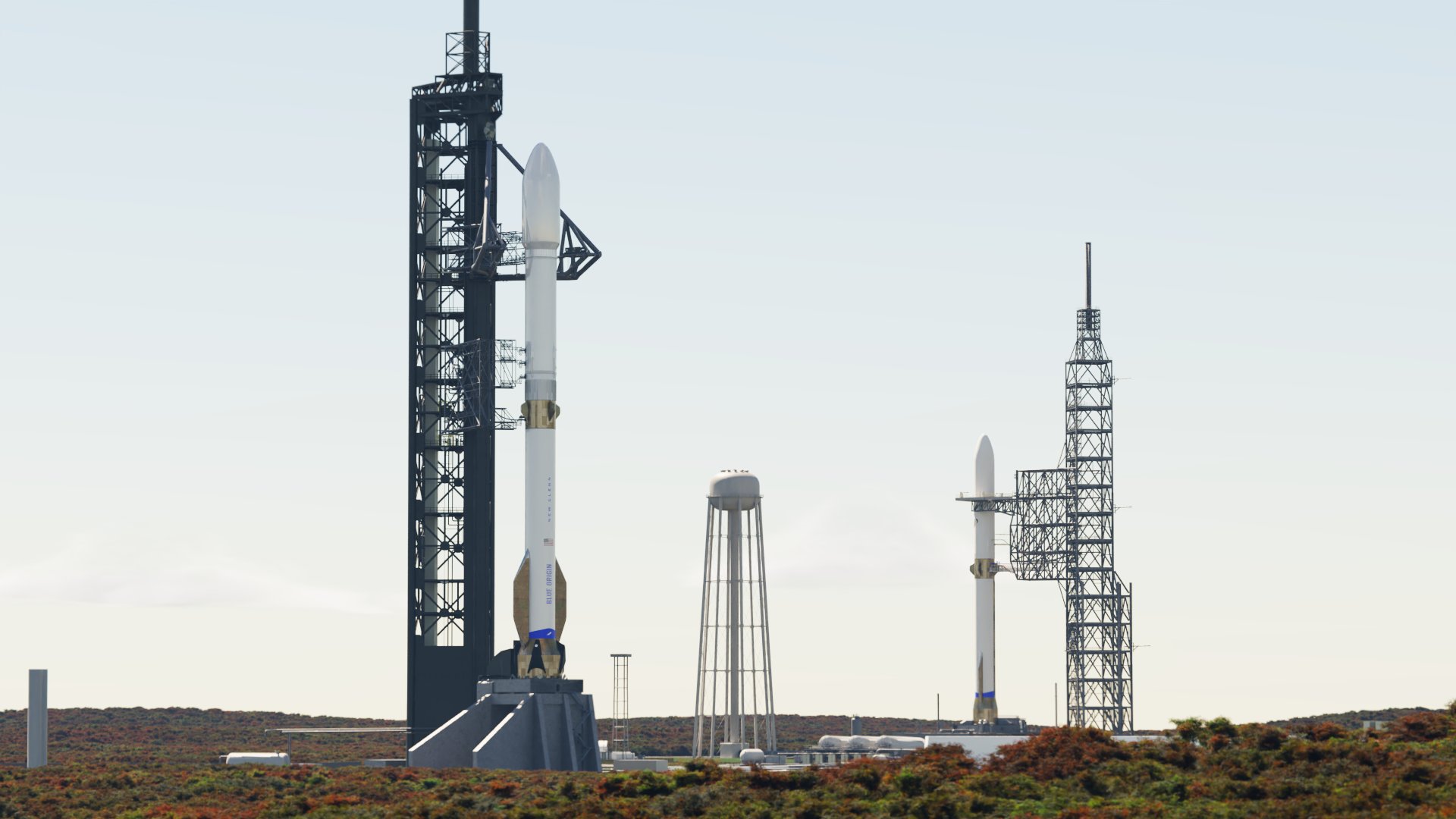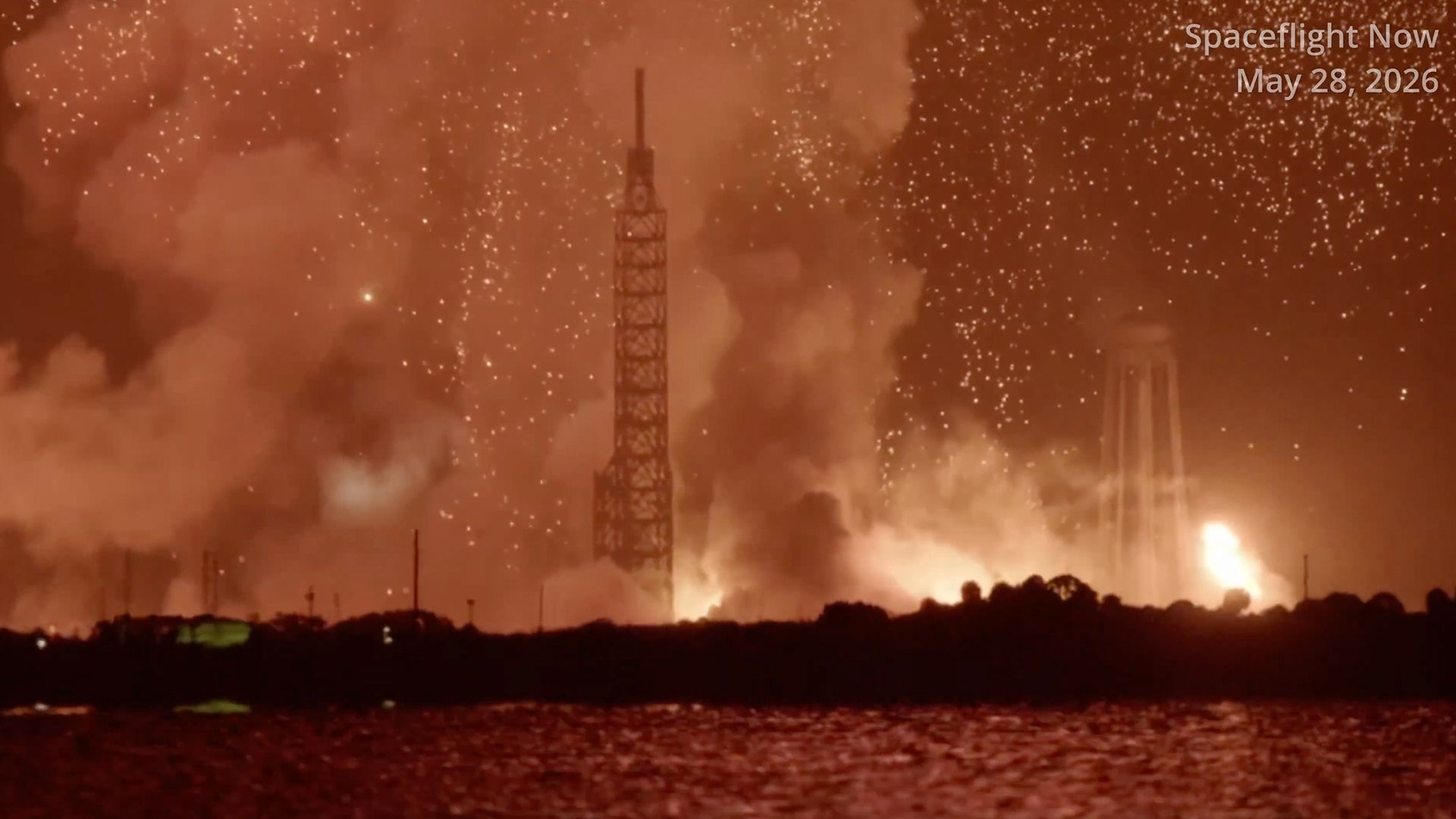
In a significant update on the investigation into the explosion of Blue Origin's New Glenn rocket, the company has pinpointed a malfunction in a valve within the BE-4 engine as the cause. This explosion, which occurred during a static-fire test on May 28 at Cape Canaveral's Launch Complex 36, led to the destruction of the rocket and severe damage to the launch pad.
Blue Origin's CEO, Dave Limp, announced on August 5 that the anomaly originated at the main oxygen valve of one of the first stage’s seven BE-4 engines. The identification was confirmed through rigorous hardware recovery and inspections. Limp stated, "Extensive component-level and engine hotfire tests have been conducted to understand the failure mode better and inform mitigations." The company is currently making small modifications to the valve, which can be quickly retrofitted to existing engines, and the updated hardware is expected to be ready by the end of August.
This revelation is not only crucial for Blue Origin but also for United Launch Alliance (ULA), whose Vulcan Centaur rocket also uses the BE-4 engine. Vulcan, however, has not flown since an unrelated anomaly involving its solid rocket boosters from Northrop Grumman in February. Despite successfully completing its mission, the booster issue prompted an investigation and corrective actions, including a component redesign, which Northrop Grumman expects to be implemented by the year's end.
While Blue Origin has been actively working on reconstructing Launch Complex 36, Limp did not provide a specific timeline for the New Glenn's return to flight. Despite the ambitious goal of resuming operations by the end of 2026, the complexity of rebuilding a launch pad after such a catastrophic event is considerable. Historically, launch pad reconstruction has involved extensive time and resources, often spanning several months to over a year.
Blue Origin's New Glenn project represents a significant venture in the commercial space industry, with aspirations to deliver large payloads to orbit and support missions to the Moon and beyond. The BE-4 engine, a centerpiece of this effort, was developed in partnership with ULA and is crucial for both companies' future missions. The current setback underscores the complex challenges of rocket development and the intricate nature of ensuring reliability and safety in space transportation.
Beyond the immediate technical challenges, the explosion also raises broader questions about the resilience and capacity of spaceport infrastructure. The incident at Launch Complex 36 highlights the pressures on existing facilities to support an increasing number of launches, as well as the need for robust contingency planning. Discussions are ongoing about how to address these challenges, with options ranging from enhancing existing infrastructure to developing new spaceports.
As Blue Origin and ULA work through these technical and logistical hurdles, the broader space industry will be closely monitoring the situation. The successful resolution of these issues is vital not just for the companies involved but also for maintaining the momentum of commercial space exploration initiatives. The lessons learned from this incident will likely inform future engineering designs and operational protocols, contributing to the incremental advancements that drive the space sector forward.
The developments surrounding the New Glenn explosion serve as a reminder of the inherent risks of space exploration and the continuous effort required to mitigate them. As the industry pushes the boundaries of technology and capability, such incidents, while unfortunate, provide crucial data and insights that contribute to safer and more reliable missions in the future.