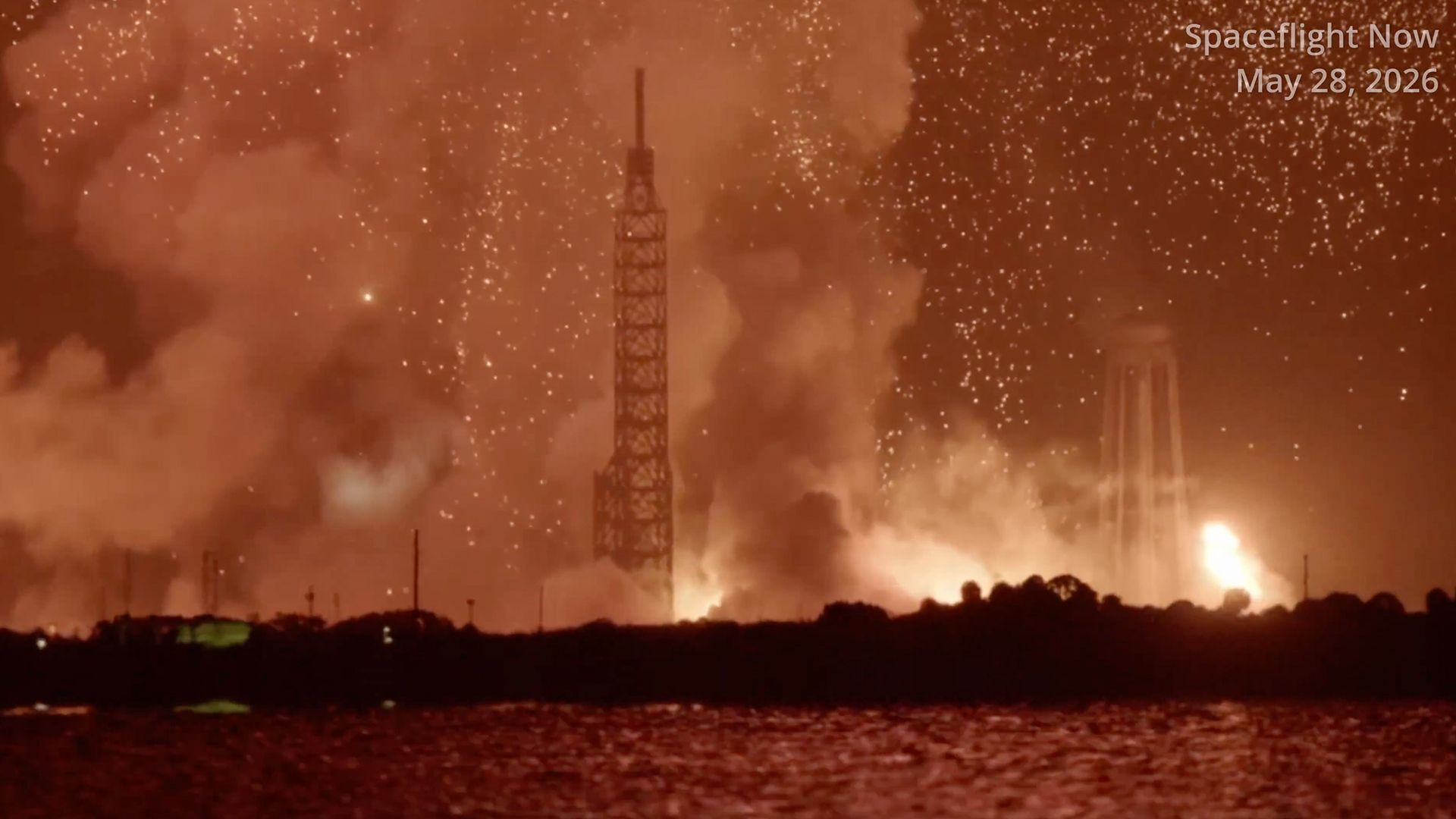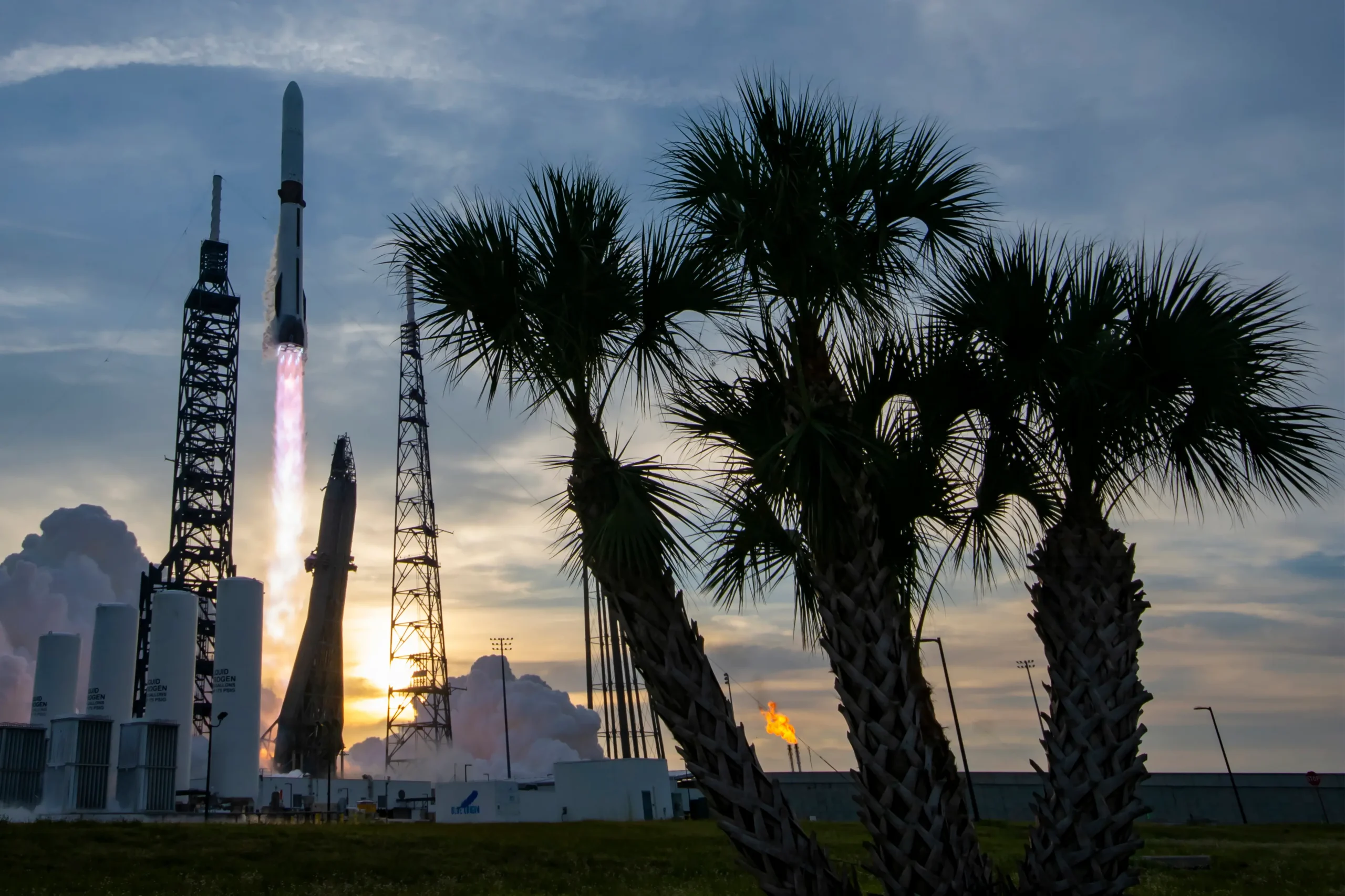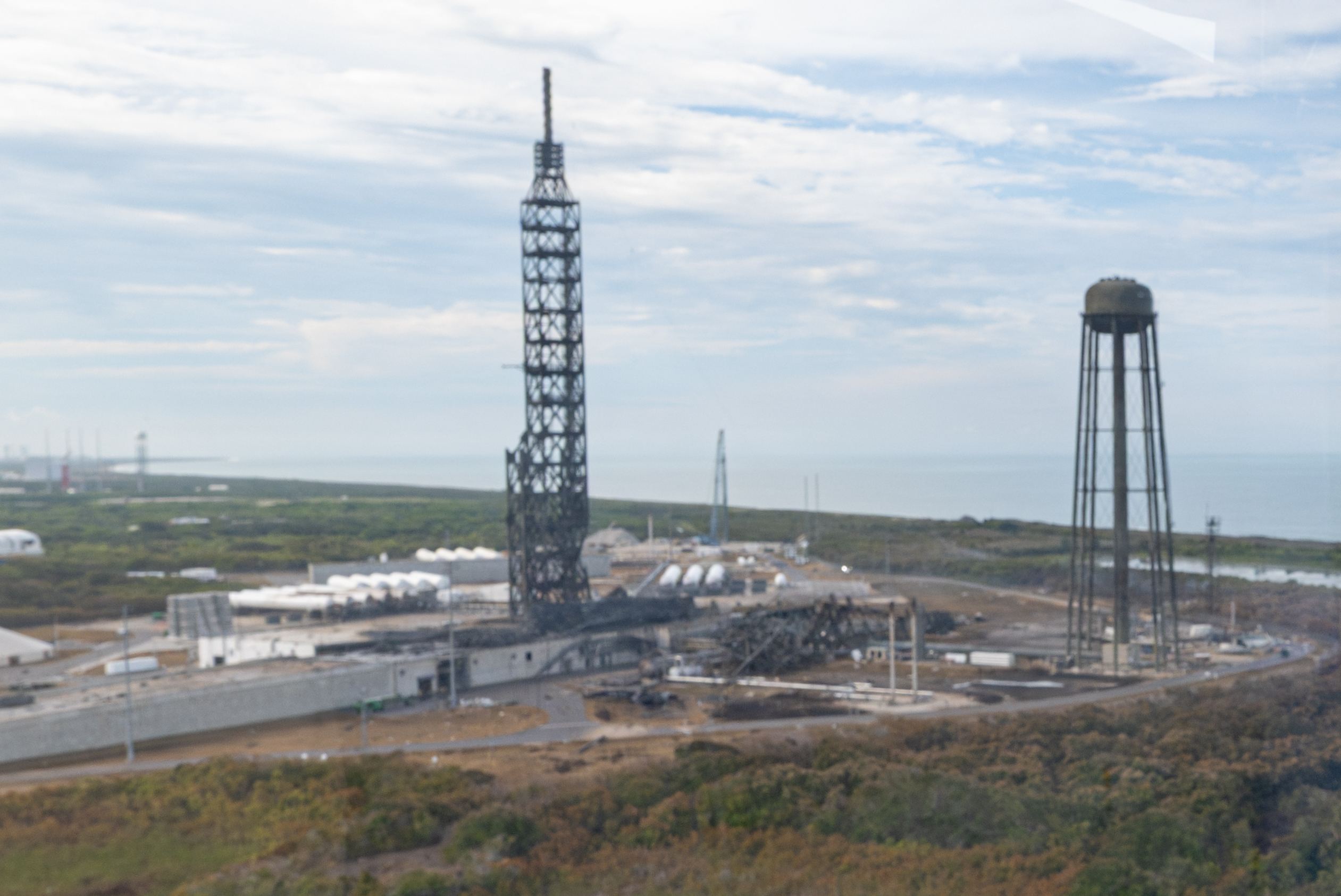
Blue Origin, the aerospace manufacturer founded by Jeff Bezos, is navigating a challenging period following the explosion of its New Glenn rocket just over a month ago. The incident has led to a halt in their launch operations, prompting an in-depth investigation into the cause of the anomaly. Despite these setbacks, Blue Origin is committed to resuming operations later this year, as outlined by CEO Dave Limp during a recent update.
The explosion, which occurred during preparations for a significant lunar mission, has prompted Blue Origin to conduct a meticulous analysis of the data collected from the incident. The company's rockets are equipped with an extensive array of sensors and cameras, providing comprehensive data that is expected to help pinpoint the explosion's root cause. Limp noted that preliminary investigations suggest the issue originated from the aft section of the first stage of the rocket. However, when questioned about potential problems with the Blue Origin-built BE-4 engines, no further details were disclosed before publication.
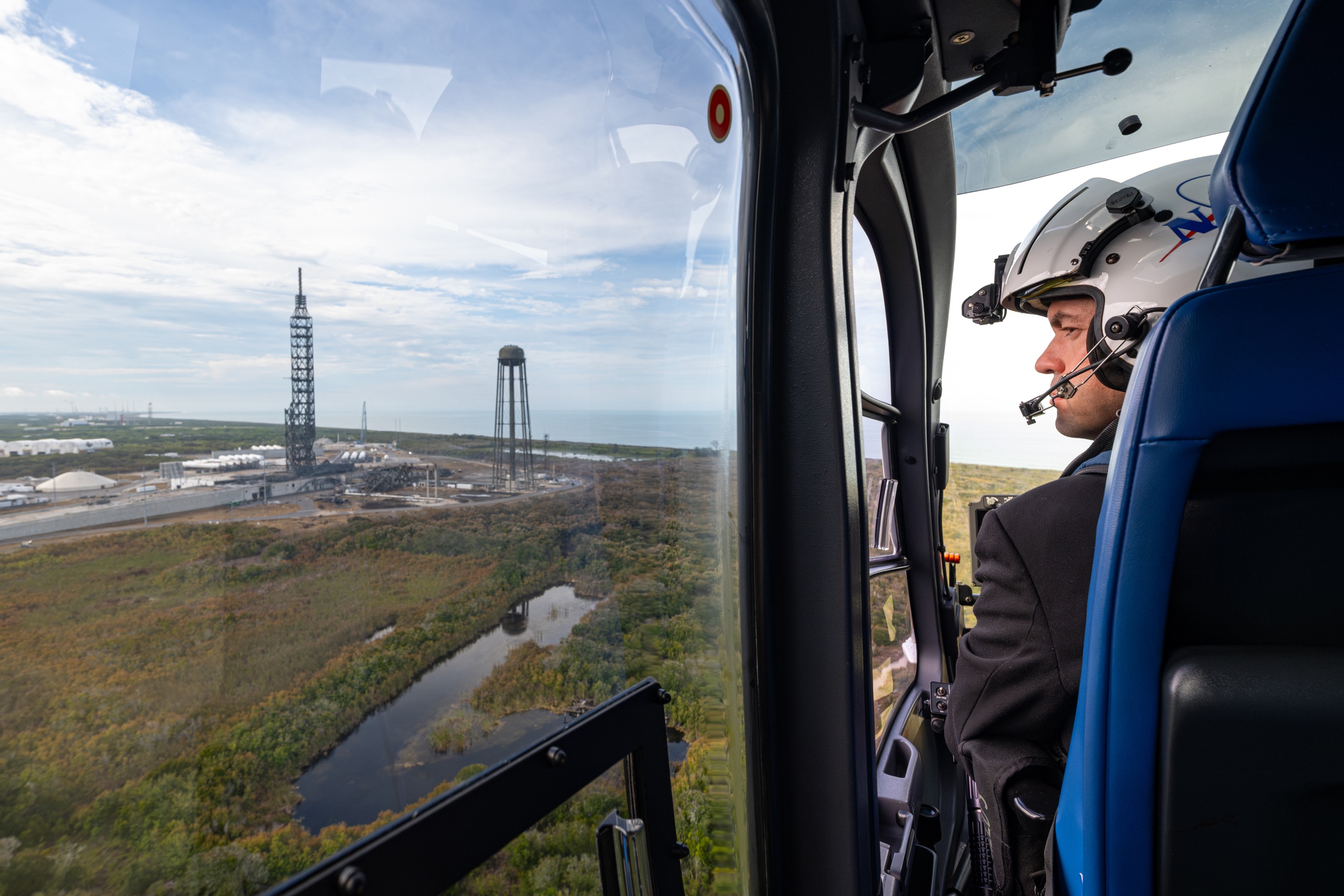
In the wake of the explosion, Blue Origin has been quick to respond. Limp shared a video depicting the assembly of a large crane, which will be used to disassemble the damaged vehicle access tower at Launch Complex 36. The wreckage recovery process was completed in nine days, clearing all debris from the site, demonstrating Blue Origin's capability to manage and mitigate such unforeseen events efficiently.
The explosion has had significant ramifications for Blue Origin's schedule, particularly concerning the launch of their Blue Moon Mark 1 cargo lander, named Endurance. This mission, which is part of NASA's Moon Base program and involves carrying NASA science payloads, was initially slated for a late summer launch. However, due to the mishap and subsequent damage to the launch pad, the timeline has now been pushed to early 2027.
NASA is playing a supportive role in Blue Origin's recovery efforts. Carlos García-Galán, NASA’s Moon Base Program Executive, emphasized the agency's commitment to collaborating with Blue Origin to ensure a successful recovery and mission launch. He stated, "We’re paying a lot of attention, again, putting the entire NASA capability at the service of making this vendor successful." This partnership highlights the interdependence between public space agencies and private aerospace companies in advancing space exploration goals.
Blue Origin's mission to the Moon is crucial as it represents a significant step in the company's broader strategy to expand human presence beyond Earth. The Blue Moon Mark 1 lunar lander is designed to deliver payloads to the lunar surface, supporting both scientific endeavors and potentially laying the groundwork for future human exploration.
The challenges faced by Blue Origin are not uncommon in the aerospace sector, where complex engineering and extreme conditions often lead to unexpected hurdles. Yet, the resilience and rapid response to the explosion underscore the company's determination to overcome these obstacles and achieve its ambitious goals.
Looking forward, Blue Origin's ability to resolve the current issues and resume its flight operations will be watched closely by both the industry and the public. Successful recovery and subsequent launches will bolster confidence in the New Glenn program and contribute significantly to the ongoing efforts to explore and utilize space, reinforcing Blue Origin's position in the competitive aerospace industry.
As the investigation continues and recovery efforts progress, the aerospace community remains optimistic about Blue Origin’s return to flight and its contributions to space exploration.