Blue Origin, the aerospace company founded by Jeff Bezos, is making significant strides by seeking its first external funding round, aiming to raise $10 billion. This unprecedented move marks a pivotal moment for the company, which has primarily been financed through Bezos's personal wealth since its inception in 2000. The funding round is expected to be led by Coatue Management, with significant contributions from Bezos and other institutional investors.
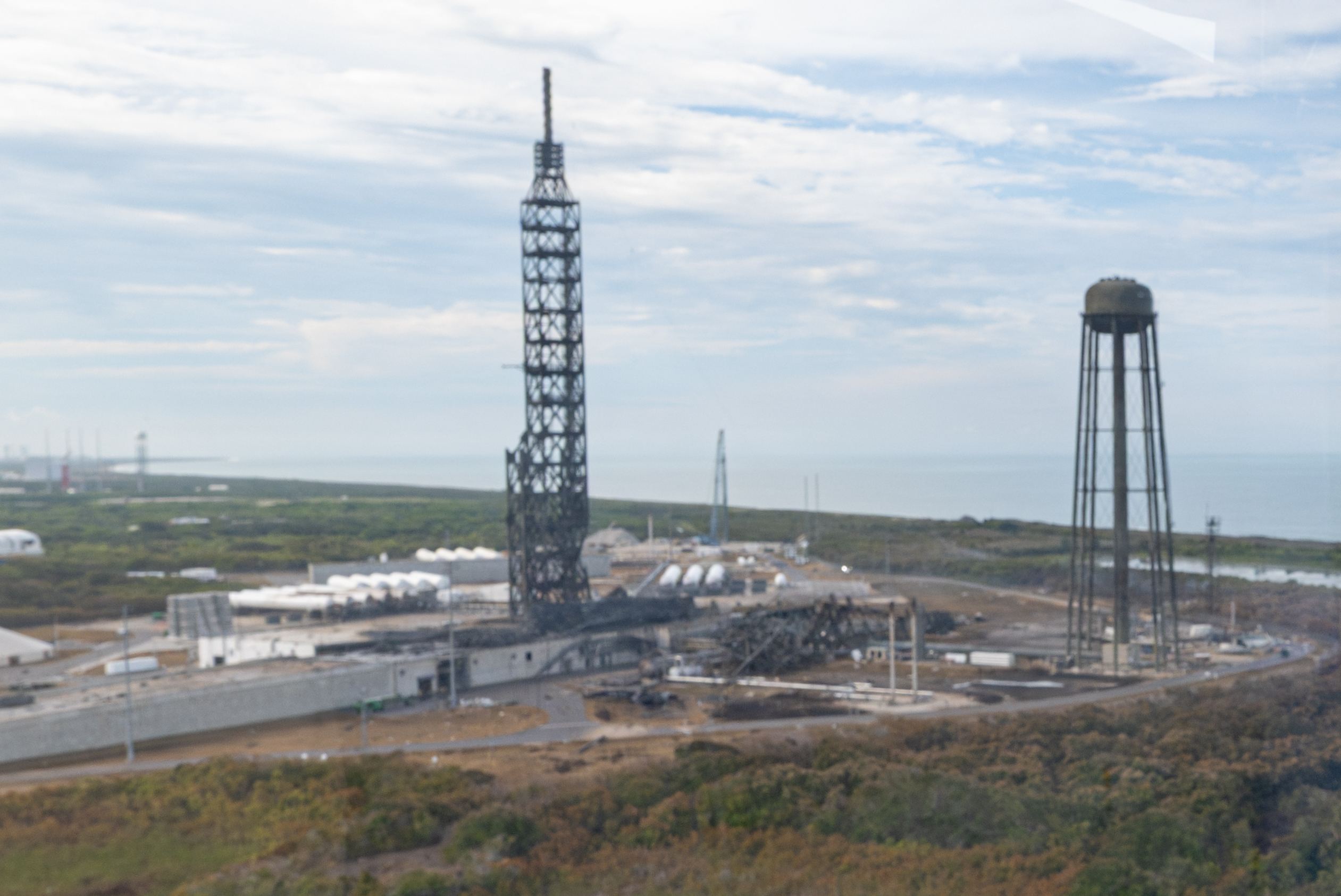
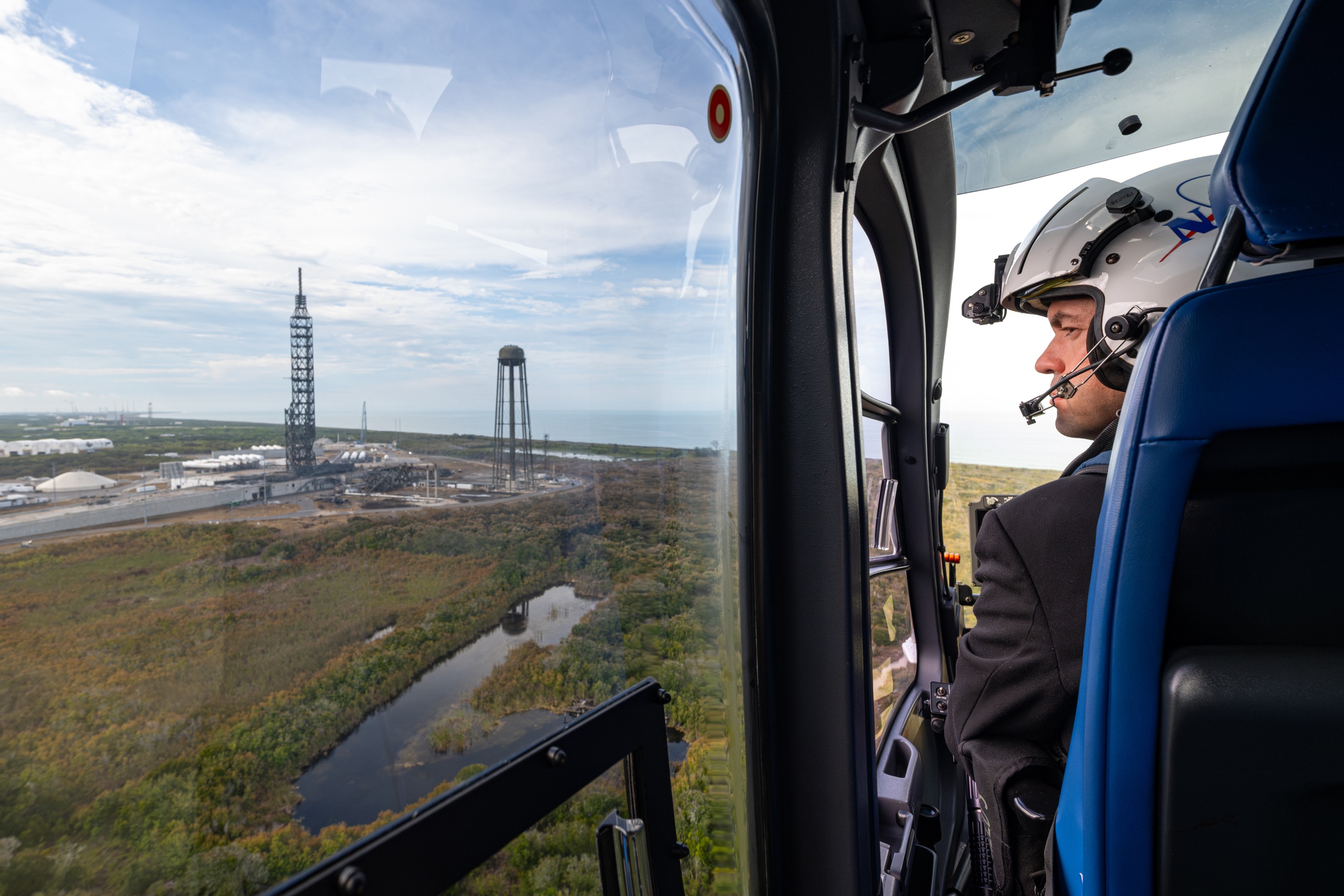
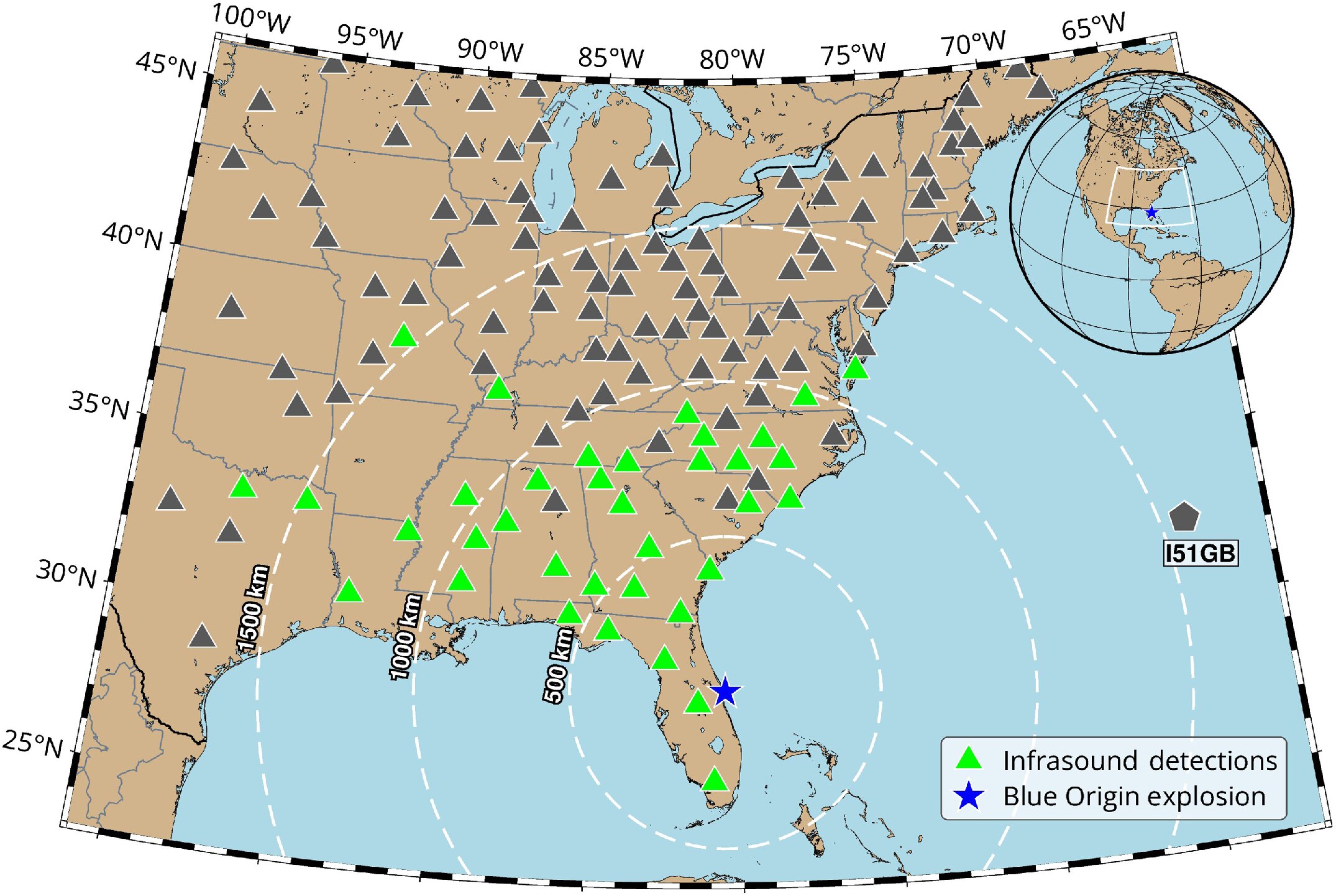
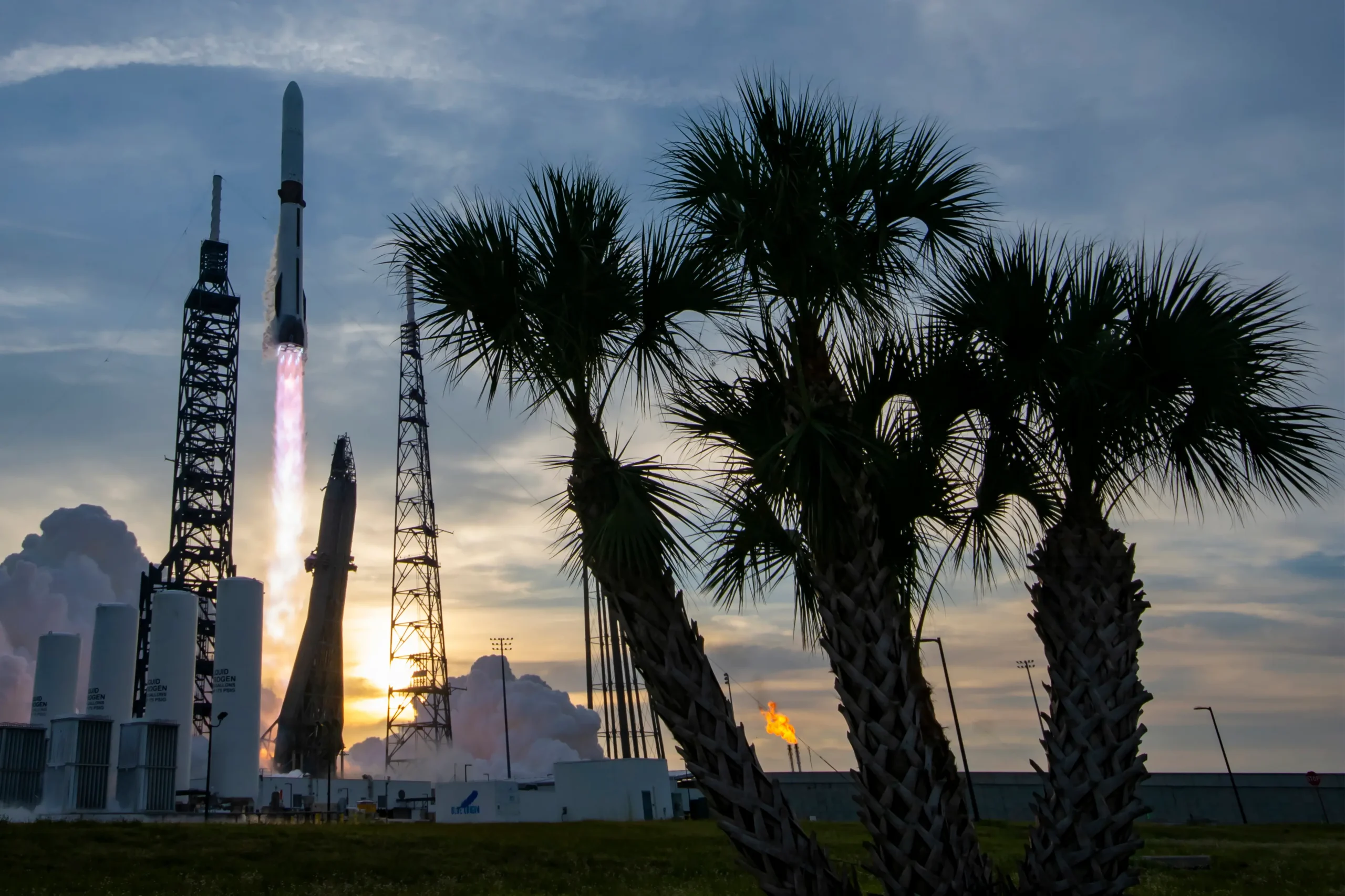
The move to secure outside investment comes at a critical juncture for Blue Origin, as the company embarks on several ambitious and capital-intensive projects. The company is actively working to rebuild its launch infrastructure at Cape Canaveral following an explosion of its flagship New Glenn rocket in late May. Despite this setback, Blue Origin is determined to return the New Glenn to flight status by the end of the year, although some industry observers suggest a 12-month timeline may be more realistic.
In a July 8 memo to employees, CEO Dave Limp expressed confidence in the company's mission and strategy, emphasizing the importance of the employees' contributions to Blue Origin's growth. The memo, which was seen by SpaceNews, indicated that more details would be shared in an internal town hall later this month.
Blue Origin's plans extend beyond the New Glenn rocket. The company is heavily involved in NASA's Artemis lunar exploration program, with seven Blue Moon lunar landers under development. These include vehicles intended for crewed lunar landings, underpinning Blue Origin's commitment to supporting NASA's lunar ambitions. The company has secured several lucrative contracts with NASA, including a $3.4 billion contract to support crewed lunar landings and a $188 million contract to deliver two rovers to the lunar South Pole by 2028.
In addition to its lunar projects, Blue Origin is also venturing into satellite communications. Earlier this year, the company unveiled TeraWave, a satellite-based internet network designed to deliver 6-Tbps connectivity through a constellation of over 5,400 satellites. This initiative aligns with a broader industry trend of moving massive computing capacities to orbit, aiming to provide data connectivity to enterprise, government, and data center customers.
The decision to seek external funding was not made lightly. For years, Jeff Bezos funded Blue Origin by selling Amazon stock, with investments increasing significantly over time. However, in a recent interview, Bezos suggested that the company now has enough visibility into its future to consider outside investment. This strategic shift mirrors the approach taken by SpaceX, which has successfully leveraged private investments and government contracts to fuel its growth.
Despite the challenges posed by the New Glenn explosion, Blue Origin's leadership remains optimistic about the company's trajectory. The funding round is seen as a vote of confidence in Blue Origin's potential to become a leader in spaceflight, competing with established players like SpaceX in areas such as launch services, telecommunications, and space-based data centers.
As the company moves forward, it faces the challenge of rebuilding its launch pad infrastructure and returning the New Glenn rocket to operational status. However, Blue Origin's proactive approach to these challenges, combined with the infusion of external capital, positions the company well for future growth and innovation in the space industry.
The success of this funding round will not only bolster Blue Origin's financial standing but also highlight the company's evolution from a Bezos-funded venture to a major player in the global space economy. With ambitious plans on the horizon, Blue Origin is poised to make significant contributions to space exploration and technology in the coming years.