Sandia National Laboratories used infrasound to detect and characterize the New Glenn static-fire explosion
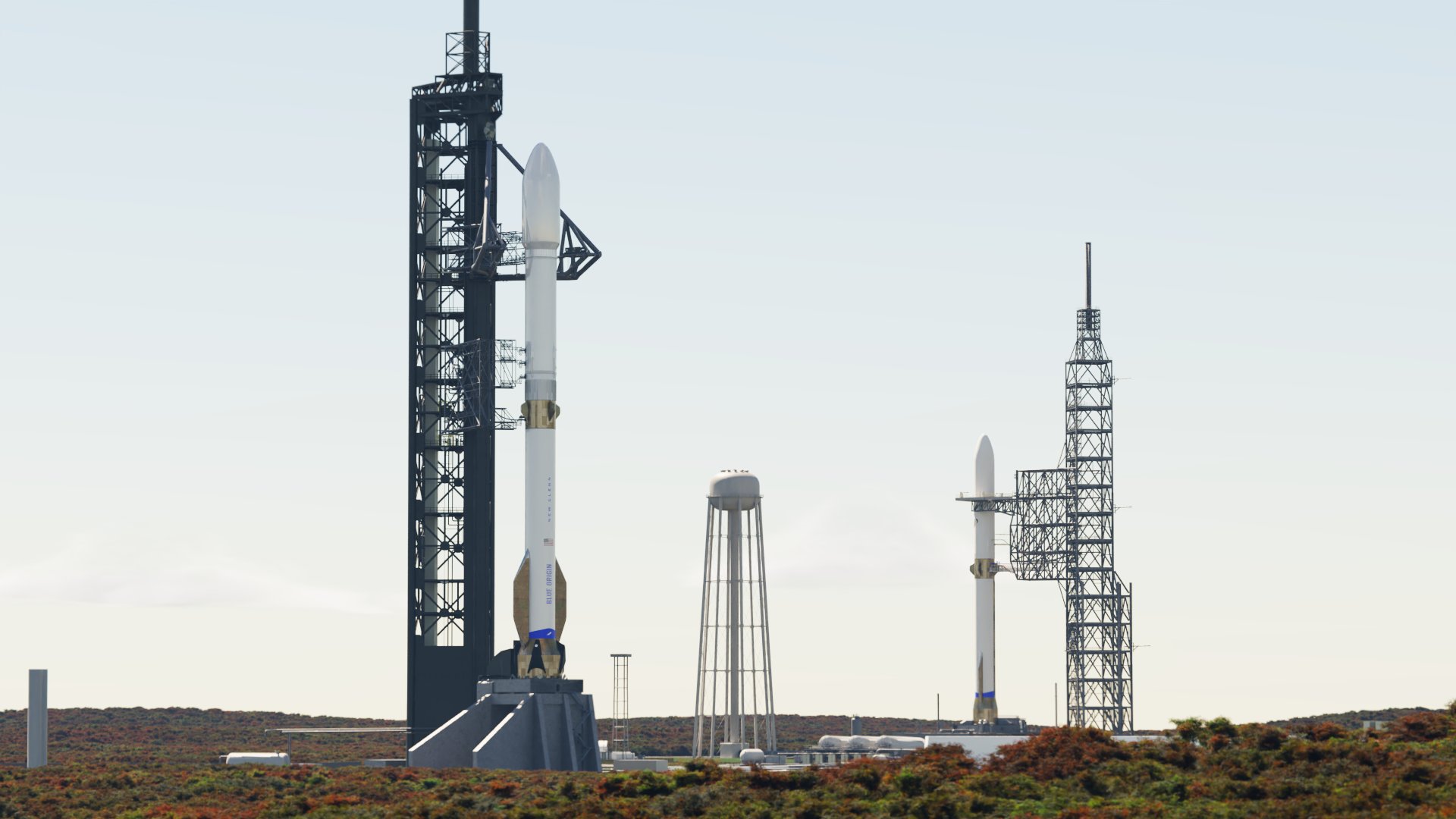
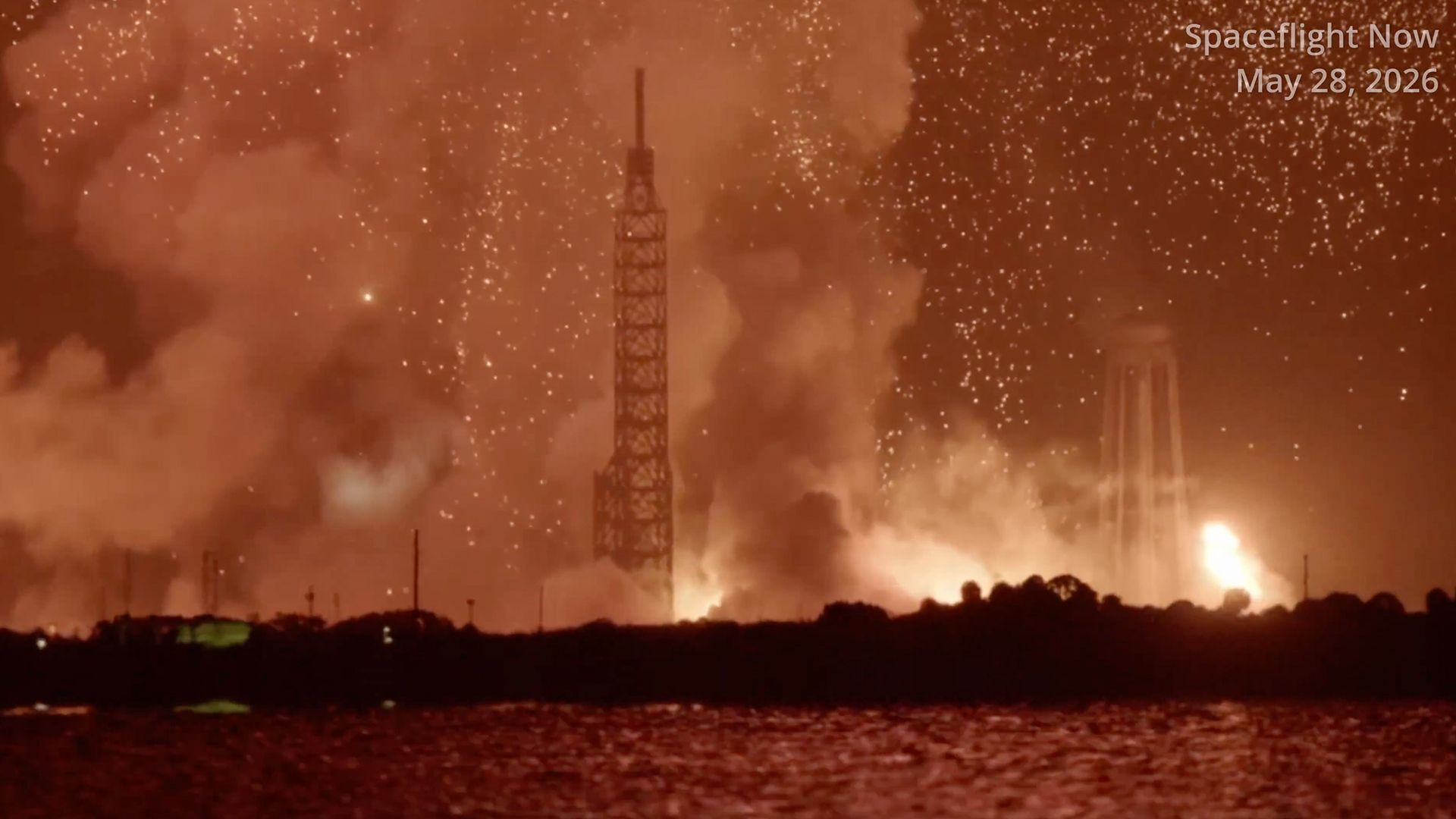
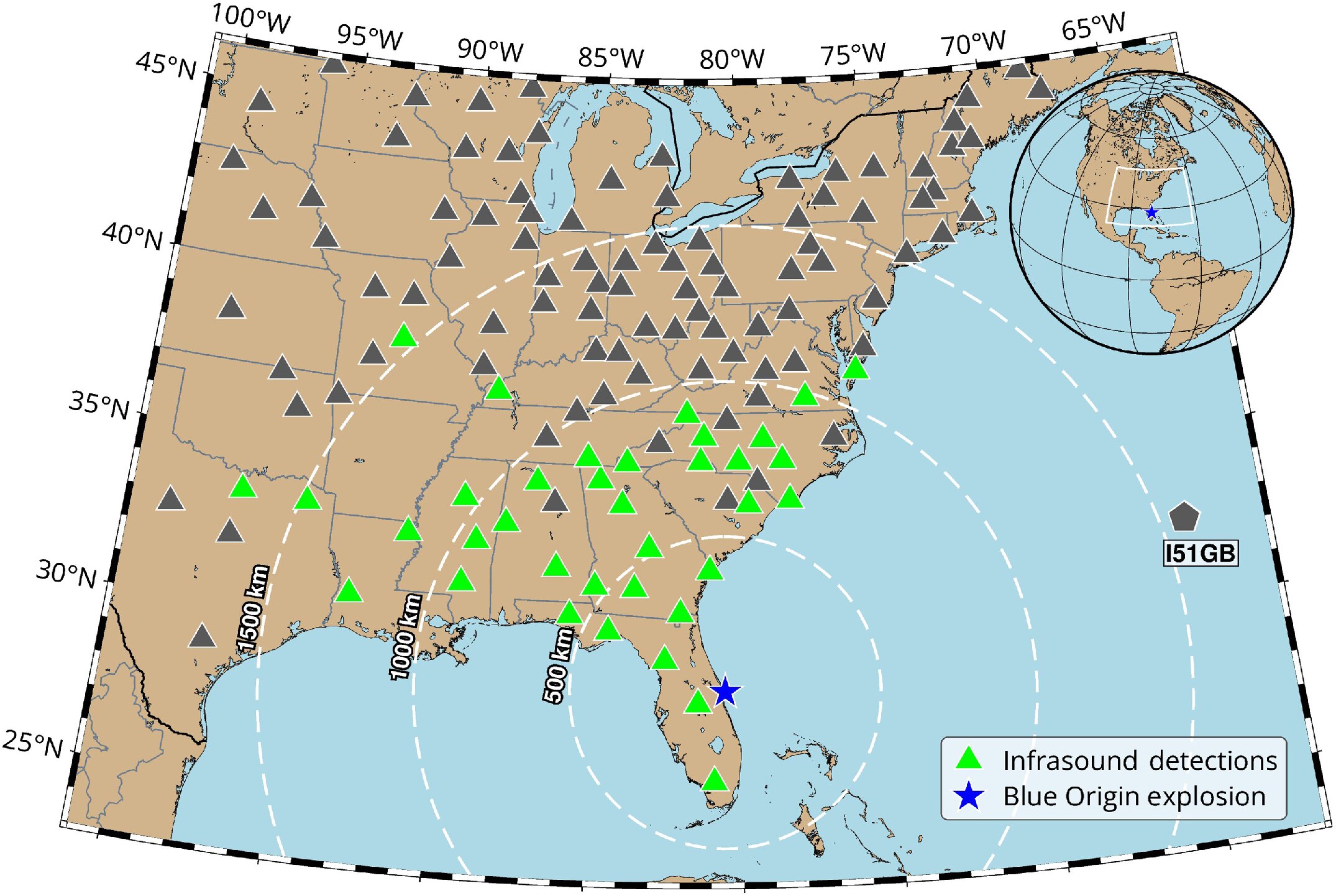
Researchers at Sandia National Laboratories have shown that infrasound — low-frequency sound below the range of human hearing — can detect and help characterize rocket accidents at regional distances, using data from the Blue Origin New Glenn static-fire explosion that occurred in May 2026. The work, reported in The Seismic Record and summarized by the Seismological Society of America, demonstrates accepted infrasound detections associated with the event at distances up to 1,700 kilometres from the Launch Complex 36 at Cape Canaveral Space Force Station, Florida.
The Sandia team combined time-stamped video of the accident with waveforms from a network of broadband microbarometers to independently confirm the event’s time and location and to estimate the yield of the explosion. The article in The Seismic Record, with a DOI of 10.1785/0320260025, presents regional infrasound station coverage maps that mark stations with accepted detections and those with retrieved waveforms but no accepted event signal.
The study’s authors, Elizabeth Silber and Logan Scamfer, emphasize that this event provided a rare opportunity to observe a large-scale energetic event involving cryogenic propellants—specifically liquid oxygen and liquid methane—at launch vehicle scale. According to the Seismological Society of America’s summary, full launch vehicle–scale observations for liquid oxygen/liquid methane systems remain very limited, and most existing information previously came from much smaller experiments or from historical tests using different propellant systems.
Infrasound has an established track record for detecting large explosions and energetic atmospheric events. The summary cites the 2022 Hunga Tonga–Hunga Ha'apai volcanic eruption as a well-known example. International monitoring systems also use infrasound: the Comprehensive Nuclear-Test-Ban Treaty Organization (CTBTO) lists infrasound among its primary techniques for detecting atmospheric nuclear tests. The Sandia study places rocket accident monitoring among the practical applications for regional infrasound arrays.
The research approach used by Silber and Scamfer involved back-projection of infrasound arrivals from multiple microbarometer stations toward the suspected source region. By comparing arrival times and waveforms with the time-stamped video of the New Glenn accident, the team validated the timing and geographic origin of the explosion and derived an estimate of the explosive yield.
The new dataset is valuable for two reasons. First, it expands empirical observations of infrasound signatures from large energetic events that involve modern cryogenic propellants. Second, it demonstrates that existing regional infrasound networks can contribute independent, objective confirmation of launch anomalies when optical or telemetry data are ambiguous or unavailable.
The article notes that while infrasound detection is a mature technique for some hazards, its direct application to launch safety monitoring is still evolving. The Sandia results do not claim that infrasound would replace vehicle telemetry, engineering forensics, or ground-based diagnostics; rather, they position infrasound as a complementary source of remotely sensed information that can help constrain the timing, location and energy release of an atmospheric energetic event.
Contextualizing this work within broader monitoring systems highlights practical implications. Operators and regulators already rely on multiple diagnostic streams during launches: flight telemetry, ground-based sensors, range safety radars and visual/infrared imagery. Infrasound arrays, many of which are operated for geophysical or treaty-monitoring purposes, can augment those streams by providing independent timestamps and energy estimates across wide areas, including locations distant from launch complexes.
The Sandia study also contributes specifically to understanding liquid oxygen/liquid methane (LOX/LNG) propellant behavior in large energetic releases. As Silber is quoted in the Seismological Society of America summary, "Full launch vehicle-scale observations involving cryogenic fuels, specifically liquid oxygen and liquid methane, are still very, very limited." The New Glenn static-fire explosion therefore supplies empirical information that researchers and safety analysts can use when building models of atmospheric acoustics and blast energy for similar vehicles.
Looking ahead, the research suggests several likely directions without asserting outcomes beyond the report. Operators and monitoring agencies may consider formalizing data-sharing arrangements so that infrasound detections from regional arrays are systematically examined after launch anomalies. Researchers may also seek to expand the empirical library of infrasound signals for different vehicle sizes, propellant types and failure modes. Such efforts would improve the ability to discriminate launch-related signals from other atmospheric events and to refine yield estimates from acoustic data.
For now, the Sandia analysis of the New Glenn event stands as a clear demonstration that infrasound can detect and help characterize rocket accidents at regional scales. The paper adds to a limited but growing body of observational knowledge on cryogenic propellant explosions and shows how established geophysical monitoring techniques can serve spaceflight safety and forensic purposes.
Surprising fact
Infrasound stations recorded accepted detections of the New Glenn explosion as far as 1,700 kilometres from Cape Canaveral.