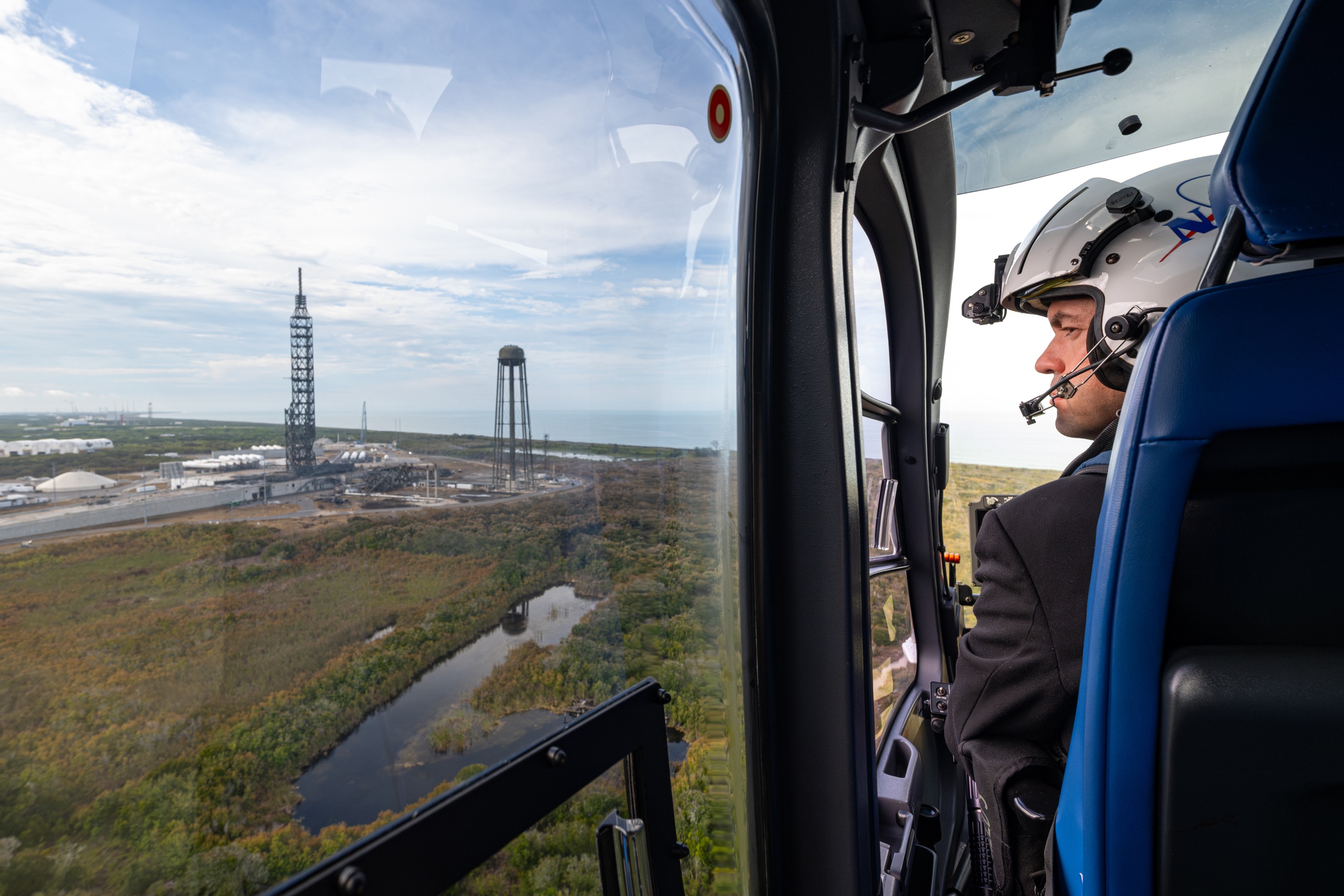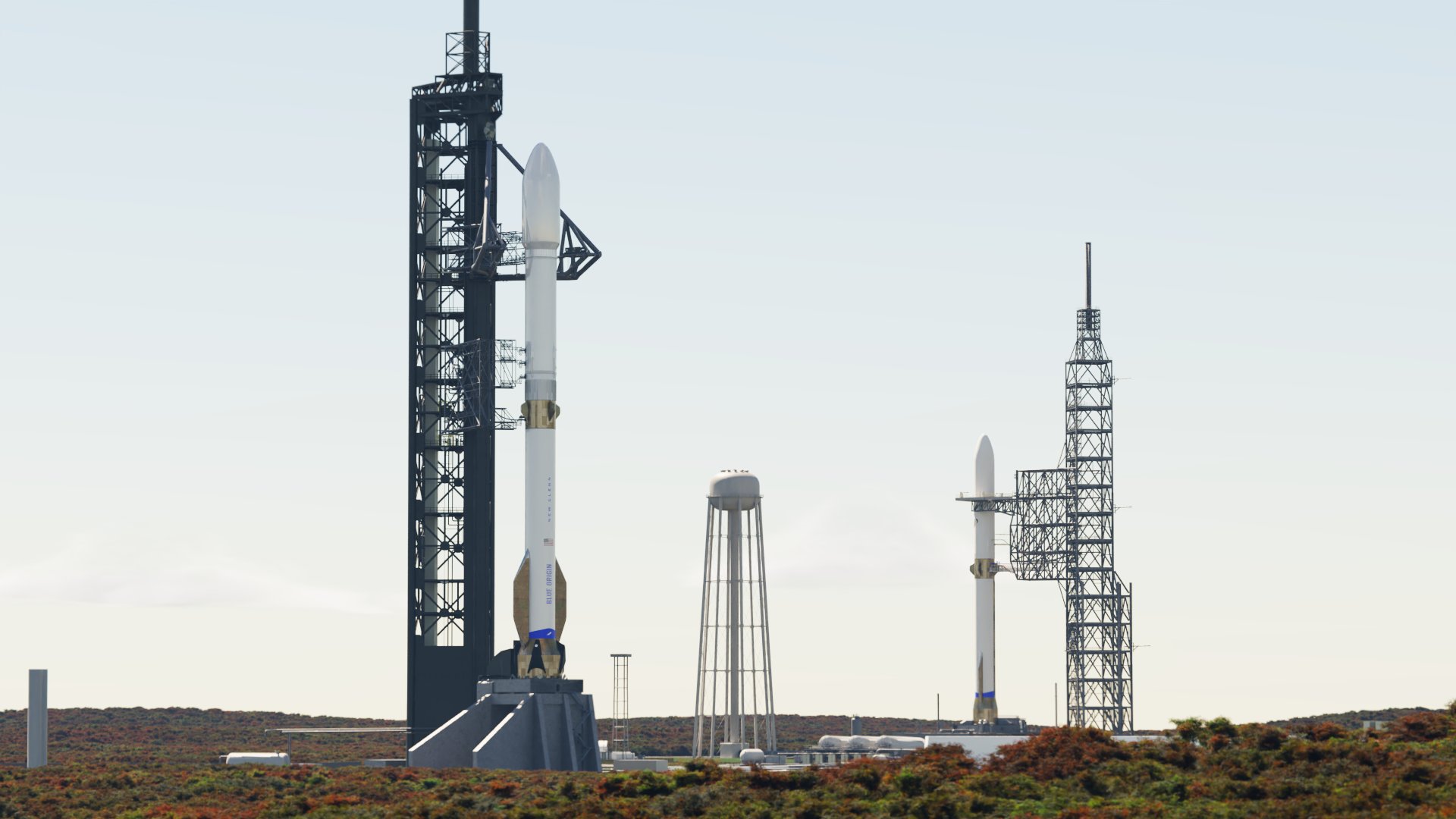
Blue Origin, the private aerospace manufacturer founded by Jeff Bezos, has announced significant developments in its launch infrastructure at Cape Canaveral. As of August 12, 2026, the company has initiated the construction of a new launch pad, Launch Complex 36B (LC-36B), to accommodate the latest configuration of its New Glenn rocket.
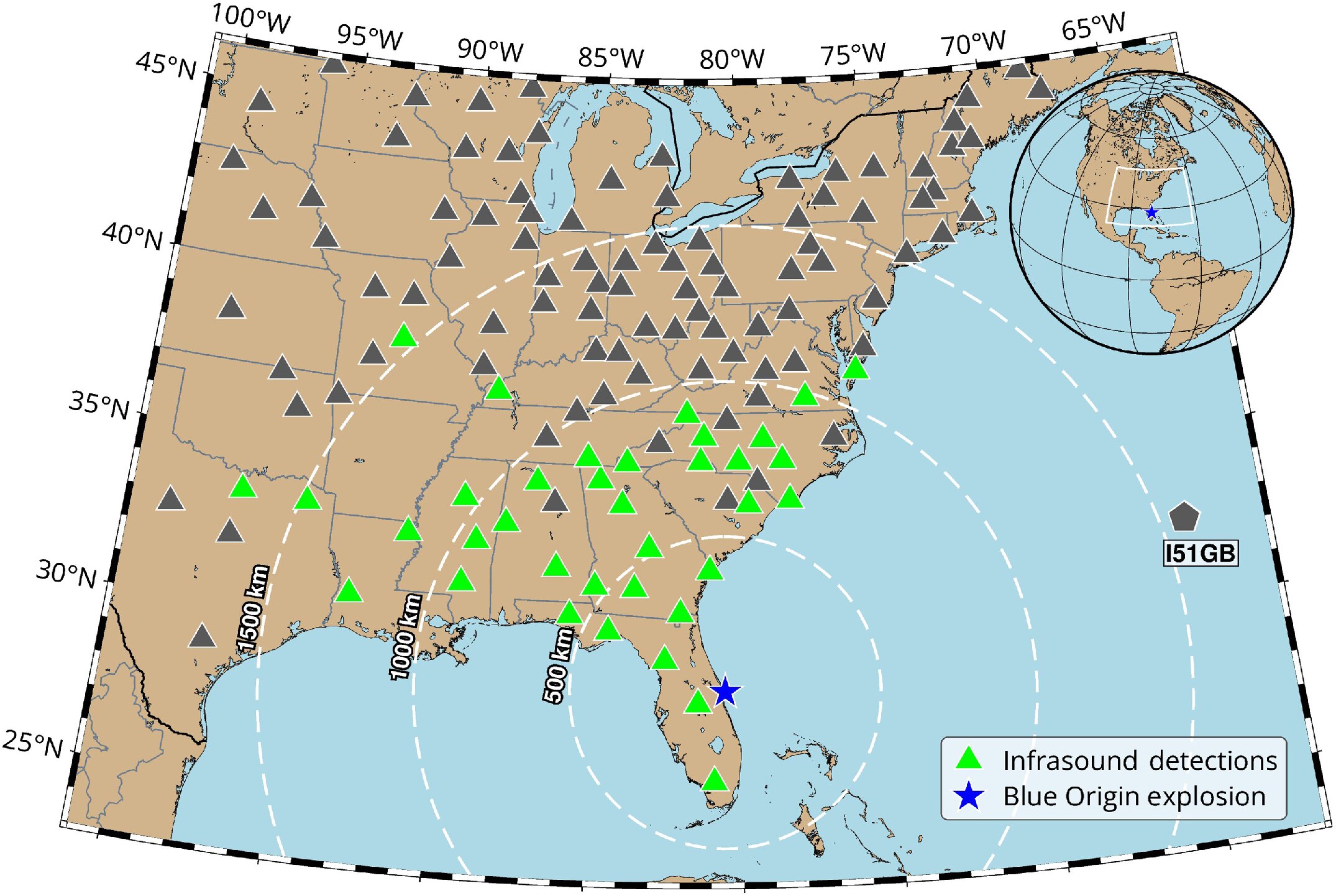
This expansion comes in response to the need for enhanced launch capabilities following a recent incident. On May 28, a New Glenn rocket explosion necessitated extensive repairs to the existing Launch Complex 36A (LC-36A). The new LC-36B will be dedicated to the upgraded version of the New Glenn, known as the 9x4 configuration. This move aims to increase the frequency of launches and to provide distinct infrastructure for the two rocket configurations being developed by Blue Origin.
The historical Launch Complex 36, originally comprising two launch pads, has been in use for decades, primarily by Atlas rockets. Blue Origin had initially repurposed the area for New Glenn operations, focusing on a single pad with plans to eventually build a second one. The recent developments have accelerated these plans, with LC-36B set to play a crucial role in Blue Origin’s future missions.
The main distinction between the two New Glenn configurations lies in their engine setups. The 7x2 model uses seven BE-4 engines in the first stage and two BE-3U engines in the second stage. In contrast, the 9x4 version, announced in November 2025, will utilize nine BE-4 engines and four BE-3U engines. This new configuration is designed to carry up to 70 tonnes into low Earth orbit (LEO), significantly more than the 45 tonnes the 7x2 version can transport. Additionally, the 9x4 variant can deliver up to 20 tonnes to a lunar transfer trajectory, illustrating its enhanced capability for more ambitious missions.
Beyond the new launch pad, Blue Origin is also constructing a Vertical Integration Facility dedicated to the 9x4 version and a Payload Processing Facility. This payload facility, developed in collaboration with the United States government, will serve both versions of the New Glenn rocket and could support other providers involved in the National Security Space Launch (NSSL) program operating on the Eastern Range.
This strategic expansion is not only a response to recent setbacks but also a forward-looking measure to ensure Blue Origin's competitiveness in the increasingly crowded commercial space industry. By building separate infrastructure for different rocket configurations, the company aims to streamline operations and facilitate a higher launch cadence, which is essential for meeting both commercial and governmental demands.
In terms of future implications, the development of LC-36B and associated facilities is a crucial step in Blue Origin's broader ambitions for space exploration. The increased payload capacity of the New Glenn 9x4 positions the company as a formidable player in the market for heavy-lift launches, a sector that is critical for both satellite deployment and deep space missions. Moreover, the collaboration with government entities highlights Blue Origin's role in national security and its ability to adapt its infrastructure to serve broader strategic interests.
As Blue Origin continues to evolve its capabilities, the advancements at Cape Canaveral underscore a period of transformation and growth for the company. With the space industry poised for continued expansion, these developments position Blue Origin to capitalize on emerging opportunities and reinforce its status as a leader in space exploration.