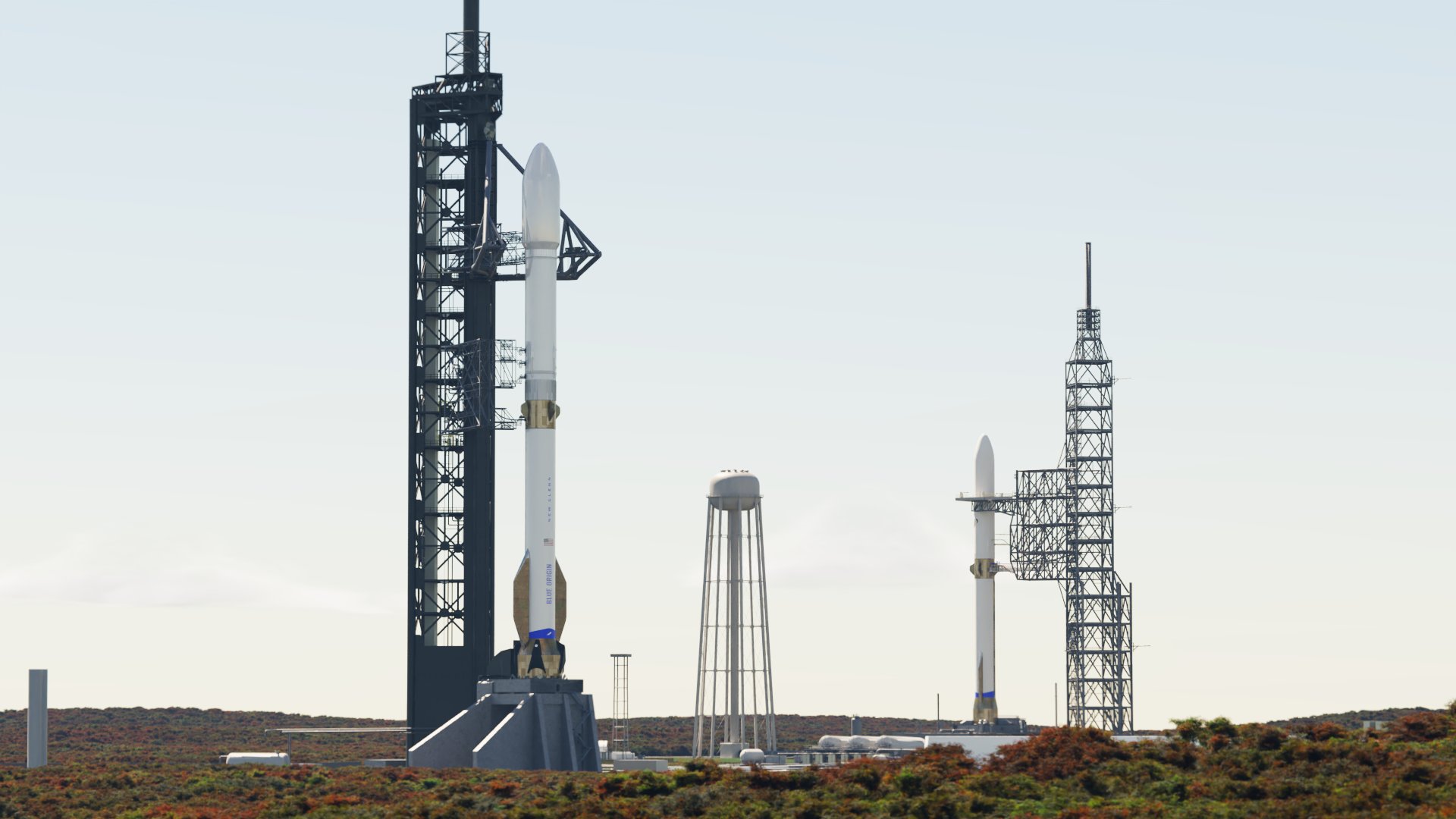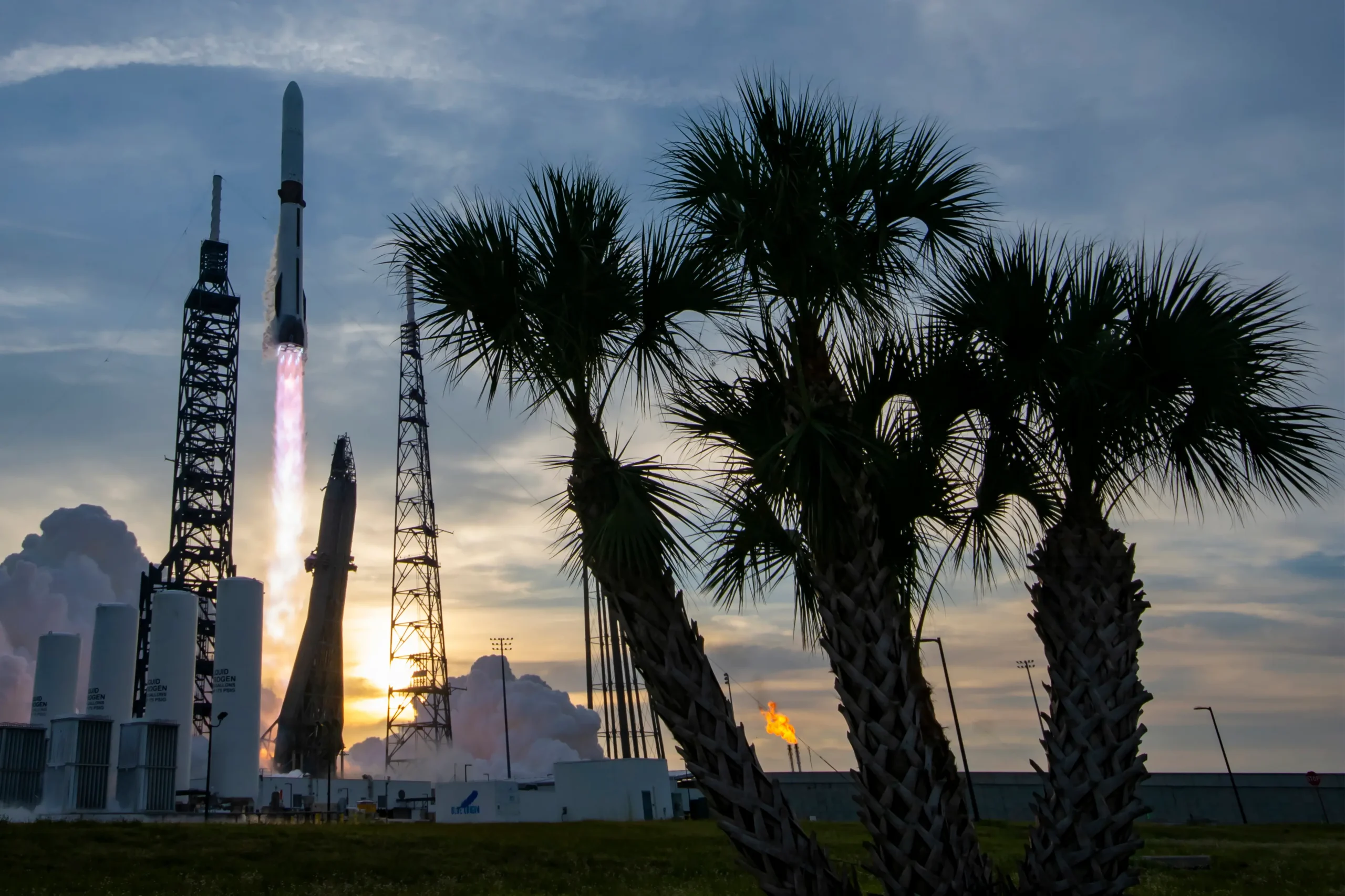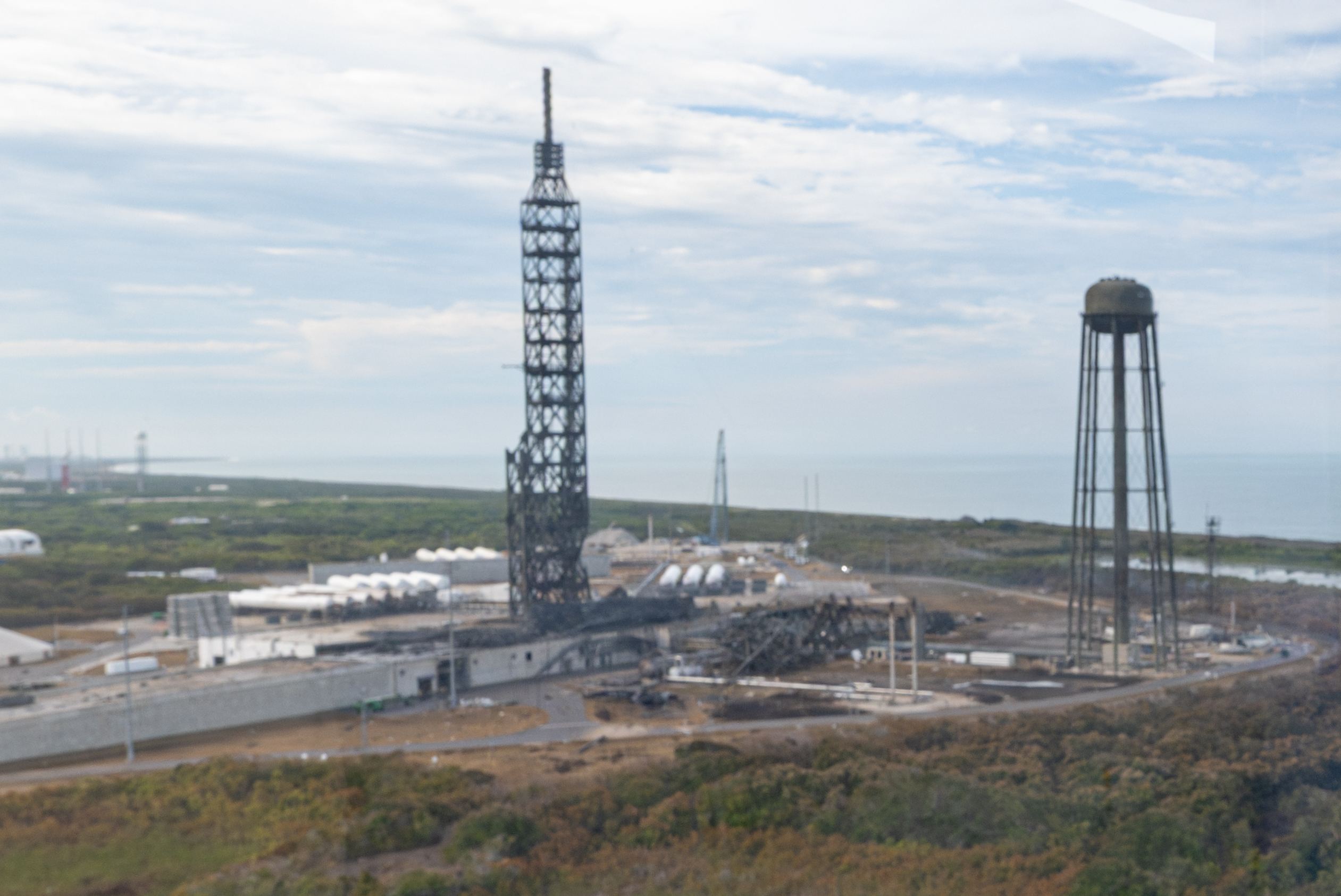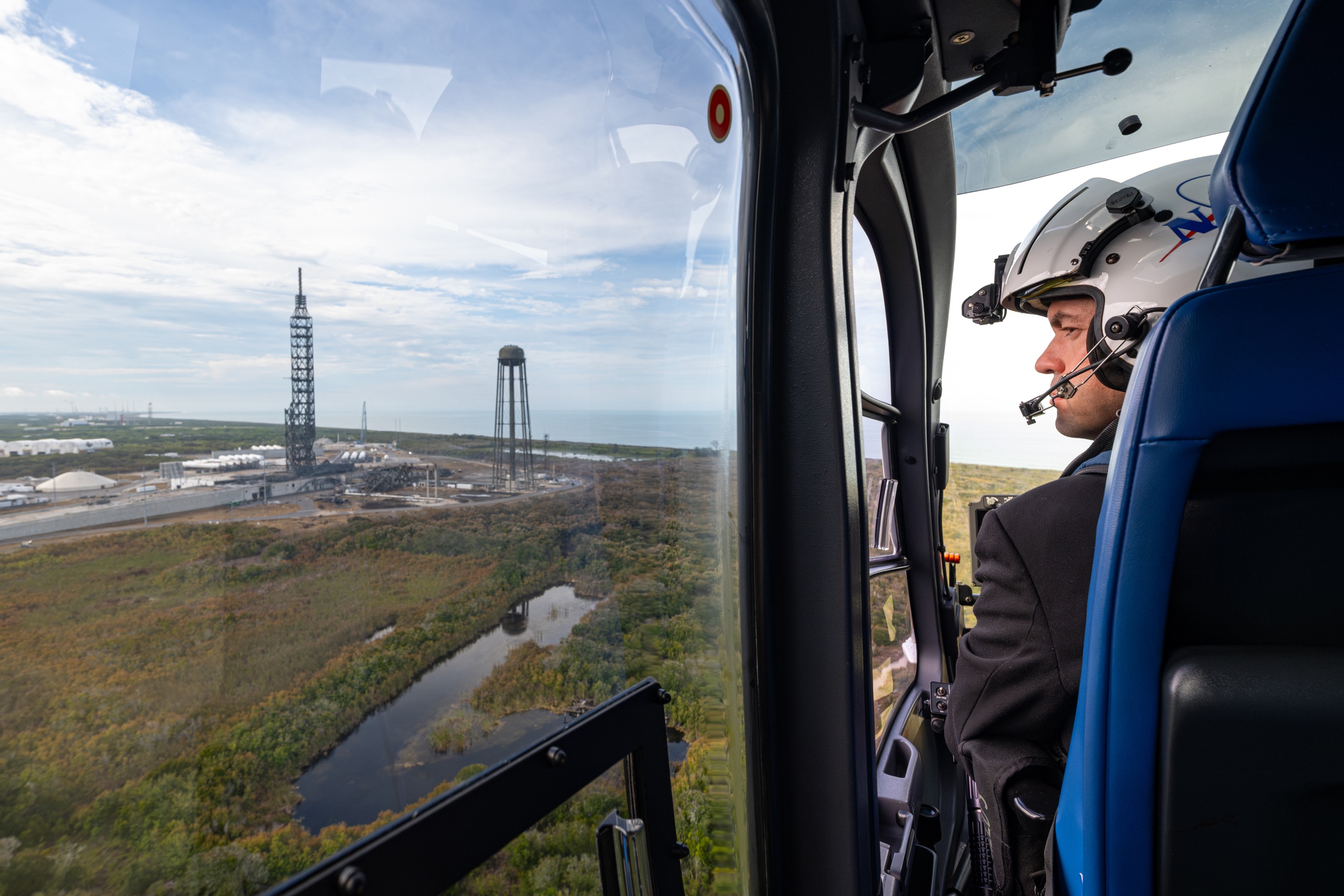
Blue Origin, the private aerospace company founded by Jeff Bezos, has embarked on a significant reconstruction project of its New Glenn launch pad. This comes in the wake of a severe explosion that occurred less than three weeks ago, causing substantial damage to the launch infrastructure. The company has expressed its determination to resume launches by the end of the year, signifying a robust recovery plan and a commitment to its ambitious space exploration goals.
The New Glenn rocket, named after pioneering astronaut John Glenn, represents Blue Origin's advanced venture into heavy-lift spaceflight. Designed to be a reusable vehicle, New Glenn aims to transport cargo and potentially crew to low Earth orbit and beyond. The recent incident, however, marked a setback in the company's launch schedule, with the explosion delivering a critical blow to their operations at the Cape Canaveral Space Launch Complex.
The explosion's cause, while still under investigation, highlights the inherent risks involved in space launch operations. These incidents are not uncommon in the aerospace industry, where the quest for innovation often runs parallel to the challenges of managing complex technologies under extreme conditions. Historically, the industry has faced similar setbacks, with companies like SpaceX and NASA experiencing launch failures that have required extensive analysis and recovery efforts.
In response to the explosion, Blue Origin has swiftly mobilized resources to rebuild the damaged infrastructure. The reconstruction efforts are being prioritized to ensure that the launch pad meets all safety and operational standards necessary for the resumption of launch activities. This initiative underscores Blue Origin's resilience and its strategic approach to risk management, a critical aspect for any entity involved in the high-stakes world of space exploration.
The New Glenn rocket, once operational, is expected to play a pivotal role in Blue Origin's broader mission to establish a sustainable presence in space. The rocket's capacity to carry significant payloads is integral to future projects that may include deploying satellites, conducting scientific experiments, and supporting exploratory missions to the Moon and potentially Mars. The successful reconstruction and subsequent launches will therefore be vital milestones for Blue Origin, as they seek to compete with other major players in the commercial space sector.
Looking ahead, Blue Origin's commitment to resuming launches by the year's end will be closely watched by both industry insiders and space enthusiasts. The reconstruction of the launch pad not only serves as a testament to the company's resolve but also highlights the ongoing evolution of space infrastructure, which is essential for supporting the next generation of space exploration missions.
As Blue Origin progresses with its reconstruction efforts, the wider implications for space exploration are significant. The ability to quickly recover and adapt following unforeseen setbacks is crucial for maintaining momentum in the rapidly advancing field of aerospace. Moreover, this incident may prompt further discussions on safety protocols, risk assessments, and the technological innovations necessary to mitigate similar risks in future missions.
The coming months will be critical for Blue Origin as they advance towards their goal of launching New Glenn by the end of the year. Their efforts not only reflect the challenges of the present but also the potential for future achievements in the realm of commercial spaceflight.