The International Space Station (ISS), a symbol of international cooperation and scientific advancement, owes much of its ongoing success to the Canadian contributions in robotics. As we commemorate the 25th anniversary of Canadarm2's arrival on the ISS, it is an opportune moment to reflect on the achievements and future of Canadian robotics in space exploration.
The Canadarm2, an essential instrument of the ISS, has been instrumental not only in the station's construction but also in its daily operations. This was highlighted during a recent tour by SpaceQ Media at NASA's Mission Control and Johnson Space Center (JSC) in Houston, Texas. The event was organized to celebrate Canadian astronaut Josh Kutryk's upcoming mission to the ISS, expected to launch aboard SpaceX Dragon Crew-13 no earlier than September 12, 2026.
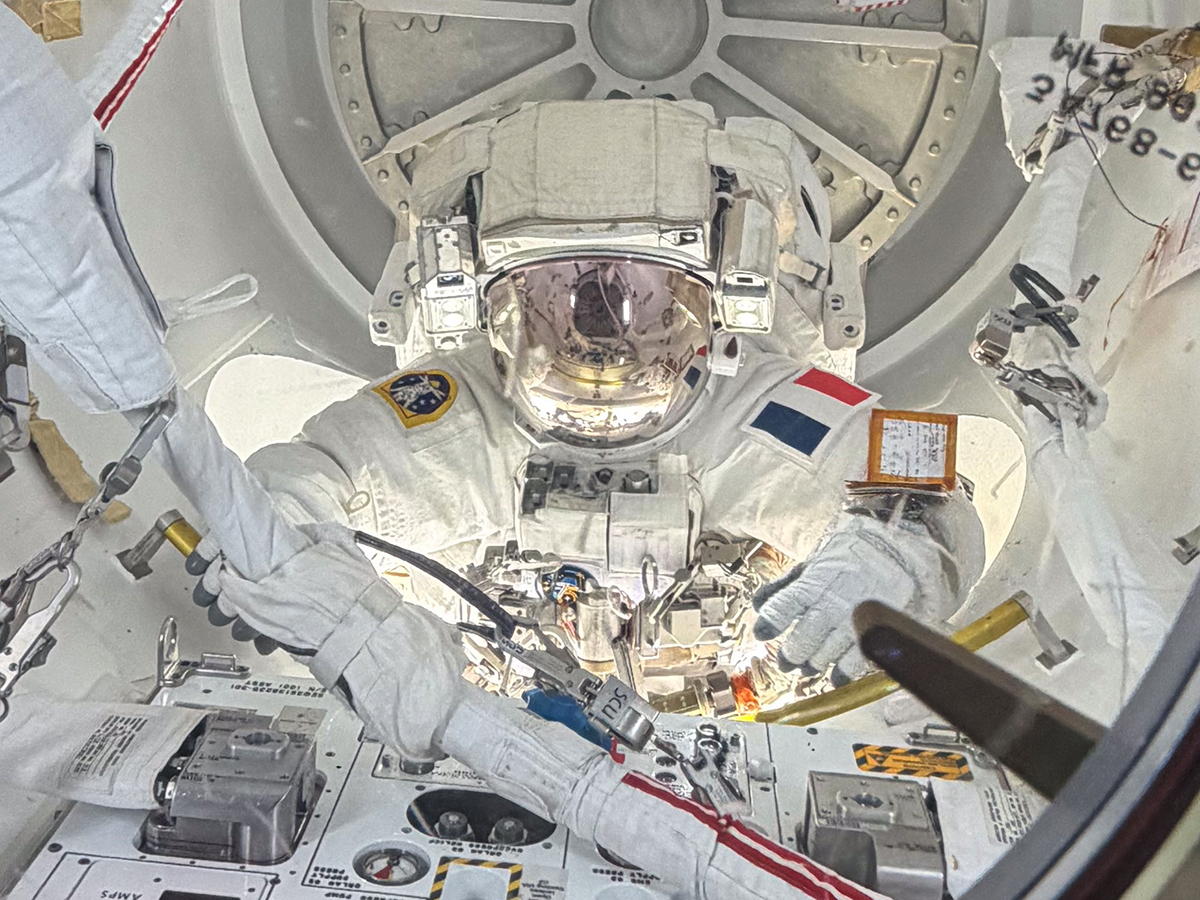
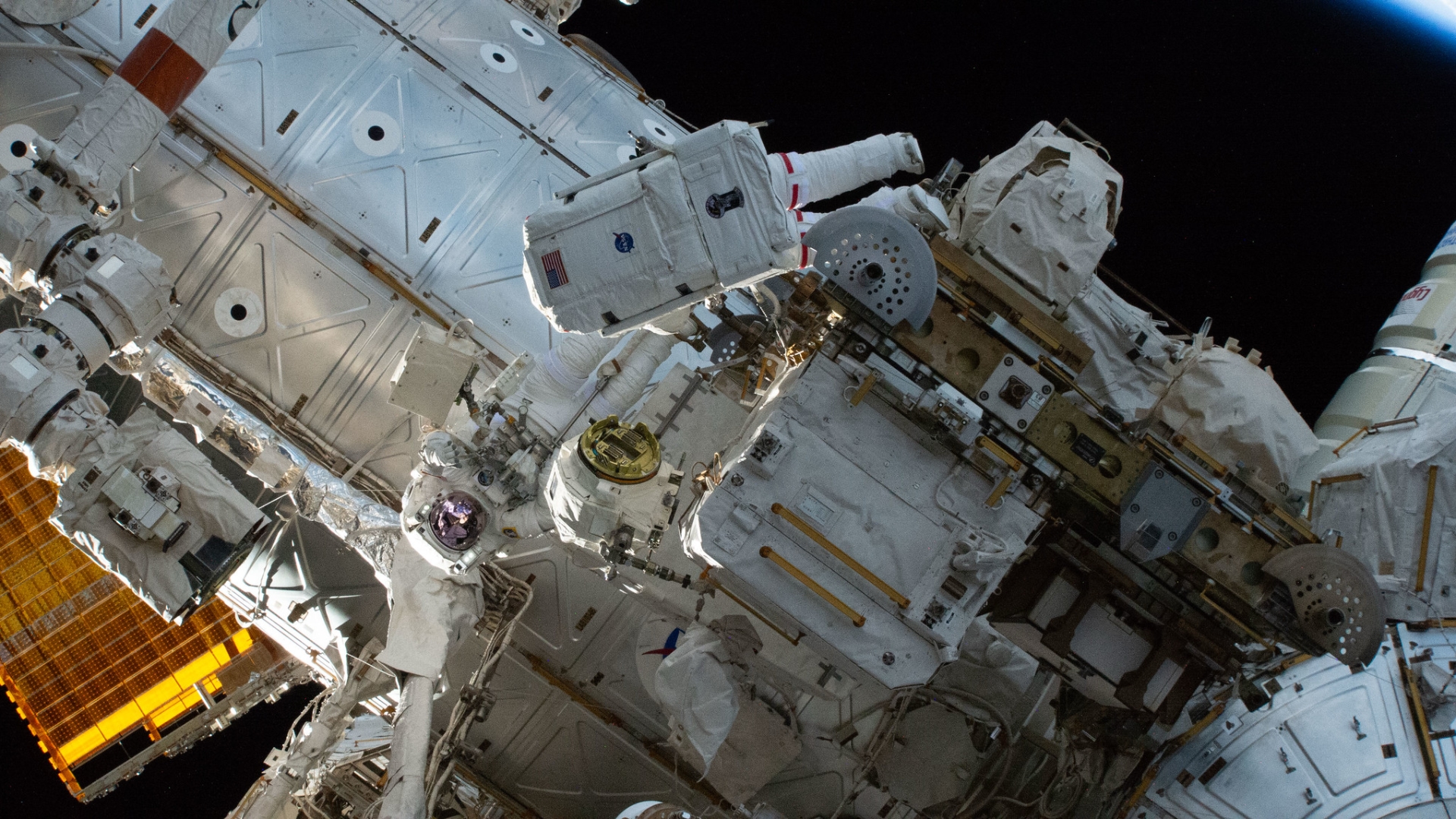
During the tour, SpaceQ witnessed a seven-hour and 20-minute spacewalk by NASA astronauts Jessica Meir and Chris Williams to replace a malfunctioning wrist joint on the Canadarm2. This maintenance task, performed in late June, was a routine operation that utilized an in-orbit spare and was crucial for the continued functionality of the arm.
Mathieu Caron, the Canadian Space Agency's (CSA) director of astronauts, life sciences, and space medicine, emphasized the indispensable role of Canadian robotics. "Without our robotic systems, the space station would not have been built. Now it is absolutely essential for the maintenance and the resupply," Caron explained to reporters. The CSA's robotics, including Canadarm2, the Mobile Servicing System, and Dextre, are critical for capturing and berthing cargo ships and performing orbital maintenance tasks.
These robotics not only ensure the ISS's functionality but also provide opportunities for Canadian astronauts to participate in long-duration missions. The last Canadian astronaut to benefit from this was David Saint-Jacques during his seven-month mission in 2018–2019. Josh Kutryk, who was initially set to fly on Boeing's Starliner, is now scheduled to embark on his mission via SpaceX, following delays with the Starliner program.
Looking towards the future, discussions about the successor project, Canadarm3, are underway. While NASA is shifting its focus to lunar surface operations, the CSA and MDA Space are planning to continue their collaboration on Canadarm3, which is poised to play a significant role in the upcoming Gateway lunar space station project.
The ongoing success of Canadarm2 and the anticipated advancements with Canadarm3 underscore the vital partnership between NASA and the CSA. This collaboration not only advances technological capabilities but also strengthens international relationships in space exploration.
As the ISS continues its mission until at least 2030, the role of Canadian robotics will remain crucial. The seamless integration of these systems into daily operations exemplifies the technological prowess and innovative spirit of the Canadian space program. With the upcoming Gateway project on the horizon, Canadian robotics are set to further cement their place in the annals of space exploration history.