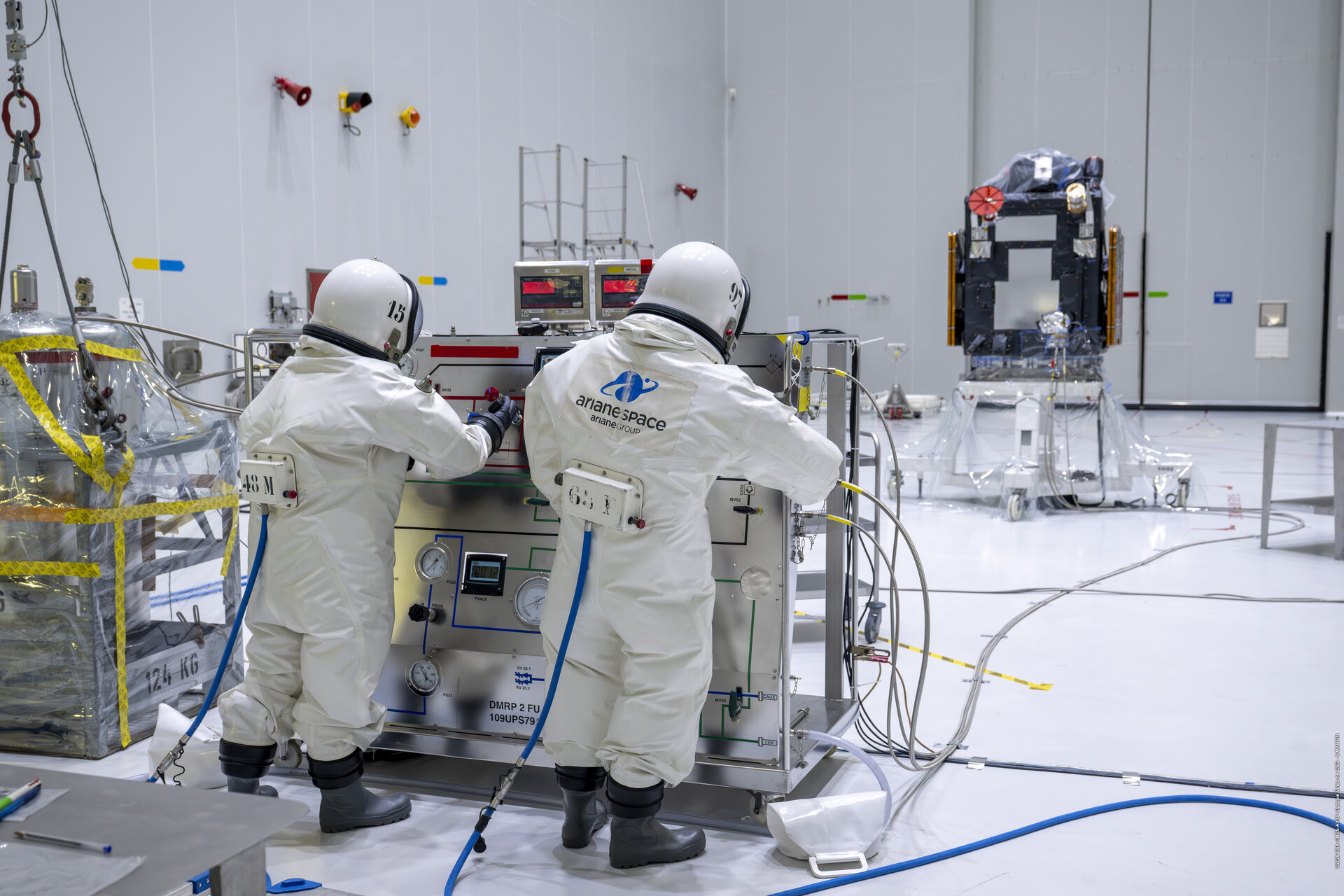
ESA fuels FLEX satellite ahead of September launch to map plant photosynthesis
ESA’s newest Earth Explorer research satellite, FLEX, has been fuelled at Europe’s Spaceport in French Guiana as it completes final preparations for launch. The satellite, equipped with a Fluorescence Imaging Spectrometer, is scheduled to lift off aboard a Vega‑C rocket on 15 September at 03:21 CEST (14 September at 22:21 local time).
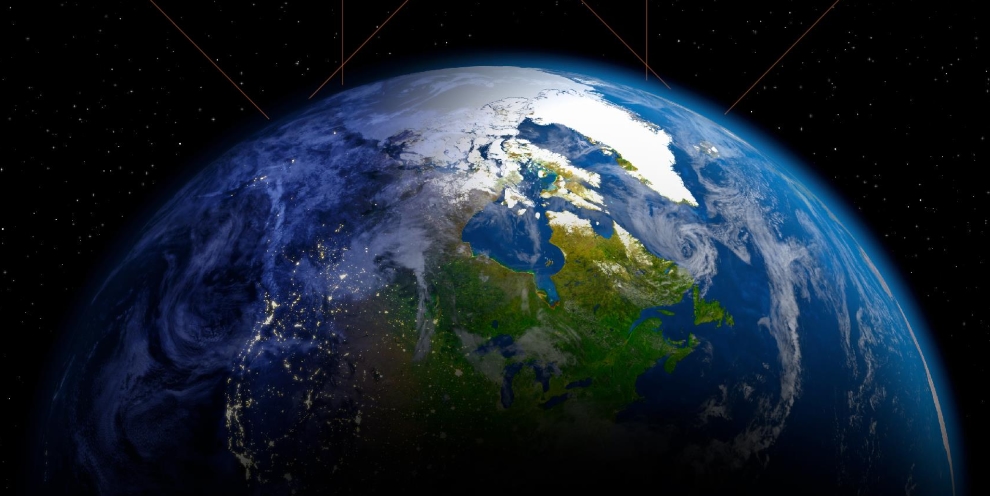
FLEX is designed to measure the faint glow of fluorescence emitted by plants as they capture light for photosynthesis. This fluorescence is invisible to the naked eye and varies with environmental conditions and plant health. By recording that signal across the globe, FLEX will deliver the first global maps of vegetation fluorescence at a spatial resolution of 300 m × 300 m, providing a new way to assess photosynthetic activity.
The scientific rationale for FLEX is plainly stated by ESA: photosynthesis underpins food production and absorbs large quantities of carbon dioxide from the atmosphere, yet gaps remain in our understanding of how vegetation responds to drought, heat, changing rainfall and other environmental stresses. FLEX is intended to help close that gap and to improve understanding of how carbon moves between plants and the atmosphere, and how photosynthesis drives the carbon and water cycles.
The satellite arrived in French Guiana in mid‑July after a two‑week voyage by sea from Nice, France, together with the Copernicus Sentinel‑3C satellite. At Europe’s Spaceport, engineers completed inspections and preparations for both satellites ahead of their planned joint launch. For FLEX specifically, ESA reports that technicians carried out the hazardous and delicate process of loading the spacecraft with 30 kg of highly volatile fuel. That propellant will allow FLEX to perform manoeuvres after separation from the rocket and throughout its planned minimum 3.5‑year mission, during which it will observe at least three seasonal vegetation cycles in both the northern and southern hemispheres.
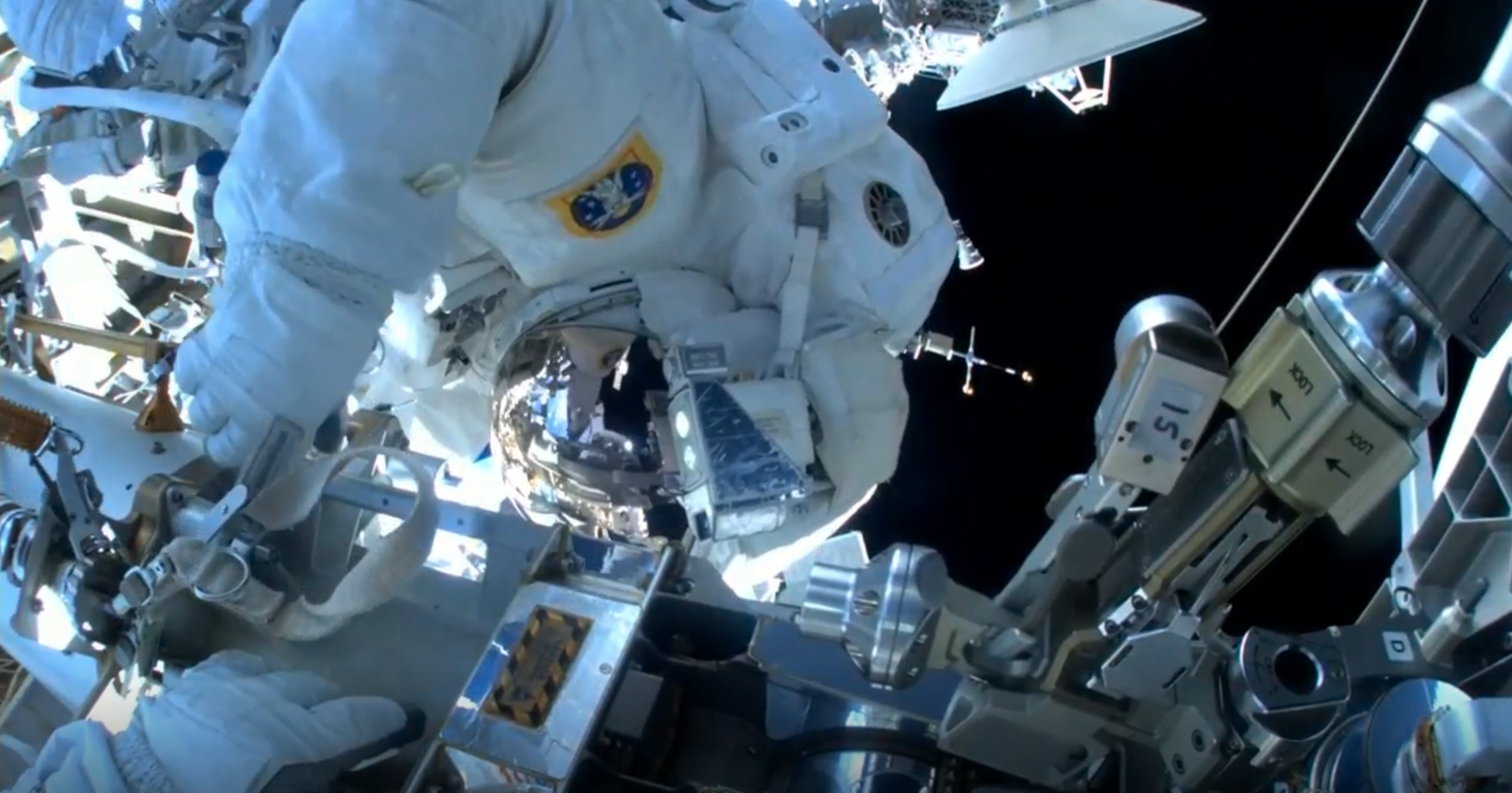
Fuelling operations were conducted under strict safety procedures by a specialised team. As ESA’s Launch Campaign Manager for FLEX, Frank de Bruin, described the process: “Preparations to ready our satellite for launch have been going very well here at Europe’s Spaceport and I thank everyone involved. For fuelling, everyone apart from the fuelling experts left the cleanroom for safety reasons. Everything went according to plan and FLEX is now fully loaded. The next steps involve installing FLEX on its launcher adapter before encapsulating it into lower position of the Vega‑C rocket fairing.”
Those next steps—installation on the launcher adapter and encapsulation into the lower position of the Vega‑C rocket fairing—will prepare FLEX for integration with the rocket stack and final launch operations. The presence of Sentinel‑3C on the same mission means two Earth observation assets will depart Europe’s Spaceport together, each with distinct but complementary roles in monitoring the planet.
From a user perspective, FLEX’s fluorescence measurements are expected to provide earlier indicators of vegetation stress than conventional optical indices, because changes in fluorescence can precede visible signs of decline. Scientists will use the spatially detailed fluorescence maps to refine estimates of photosynthetic carbon uptake and to test models of vegetation response to environmental variability. Such improvements have implications for understanding the terrestrial carbon budget and for managing agricultural and natural ecosystems under changing climate conditions. These are outcomes the mission is intended to support; actual scientific results will follow after launch and the subsequent commissioning phase.
FLEX’s mission lifetime and resolution targets—minimum 3.5 years and 300 m × 300 m mapping—mean the satellite should observe multiple seasonal cycles in both hemispheres, enabling analyses of interannual variability and seasonal responses. The mission will therefore add a new observational layer to Europe’s Earth observation capabilities, complementing existing missions and providing specialist data focused specifically on photosynthetic activity.
With fuelling complete and the Vega‑C launch date set, FLEX enters the final campaign phase at Europe’s Spaceport. The mission’s ability to produce the first global fluorescence maps marks a methodological step in remote sensing of vegetation, but the extent to which those measurements transform operational monitoring and carbon cycle science will depend on the data collected after launch and the analyses that follow.