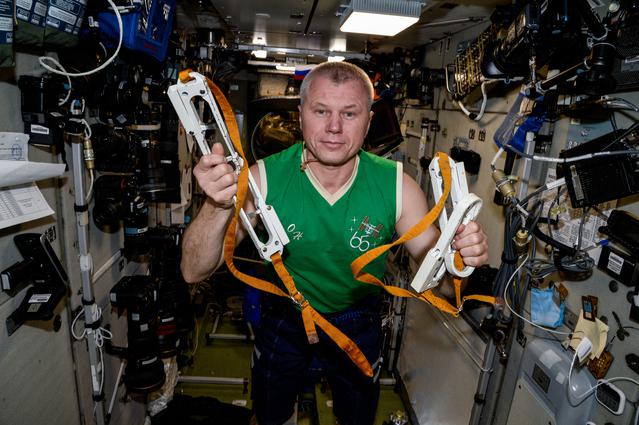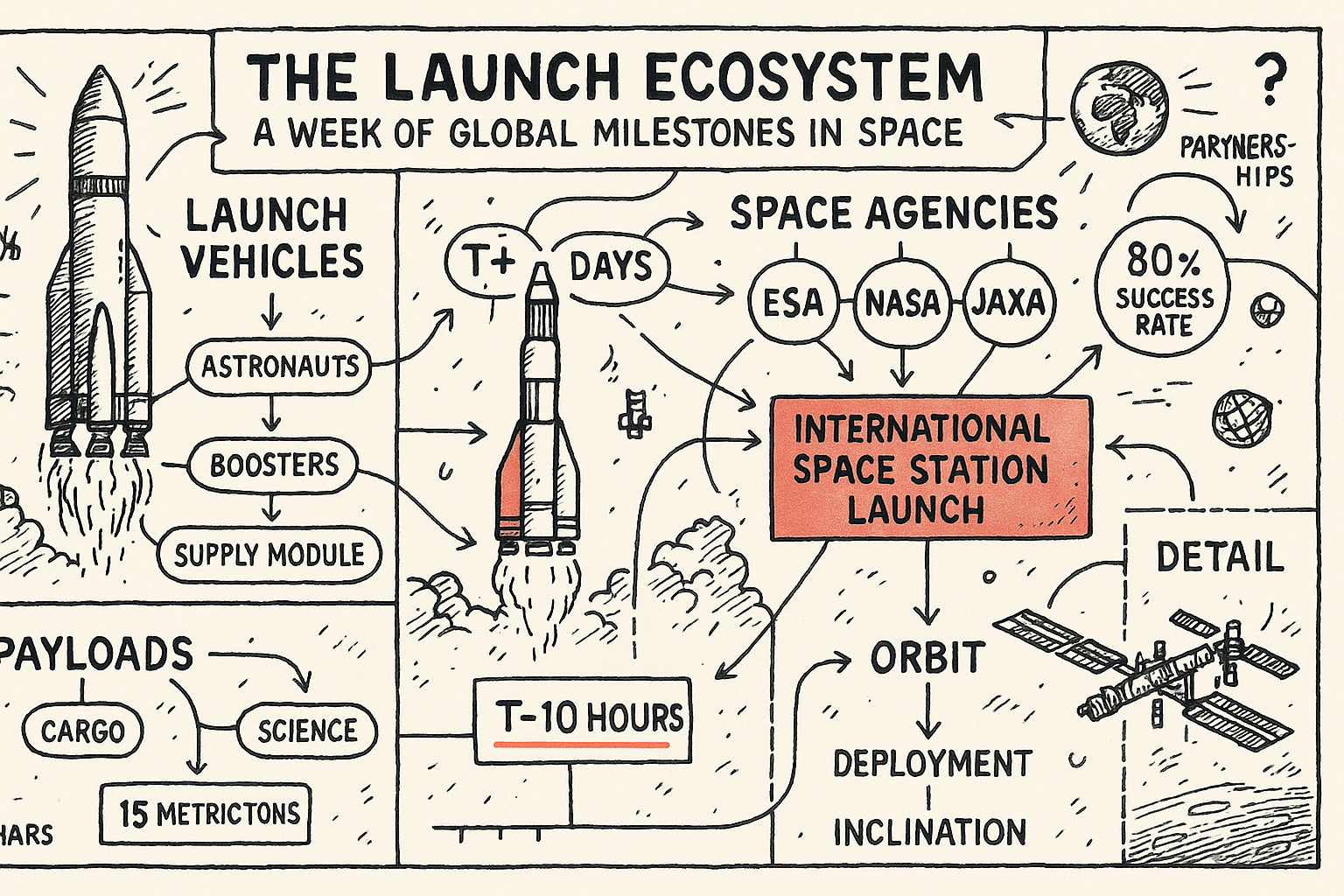
This week in space exploration has been a testament to the orchestrated complexity and international collaboration inherent in modern aerospace endeavors. With an array of missions stretching across continents, the focus on the International Space Station (ISS) has been particularly intense, underscoring its role as a hub of scientific and technological advancements.
Global Coordination in Space
The synchronization of multiple launches and operations around the ISS illustrates a significant shift in how space agencies coordinate activities. NASA's coverage of the Progress 96 spacecraft launch by Roscosmos, scheduled for September 9, is an exemplary case of international cooperation. This unpiloted cargo mission, delivering vital supplies to the ISS, is part of a broader pattern of logistical support that keeps the station operational. The launch is a critical component of maintaining the continuous human presence in low Earth orbit, a testament to the enduring partnership between NASA and Roscosmos.
Meanwhile, six other missions are poised for launch across the globe, emphasizing the international nature of current space operations. Such a dense schedule reflects not only the increasing accessibility of space but also the growing interdependence among different spacefaring nations and organizations.
Maintaining the Space Station
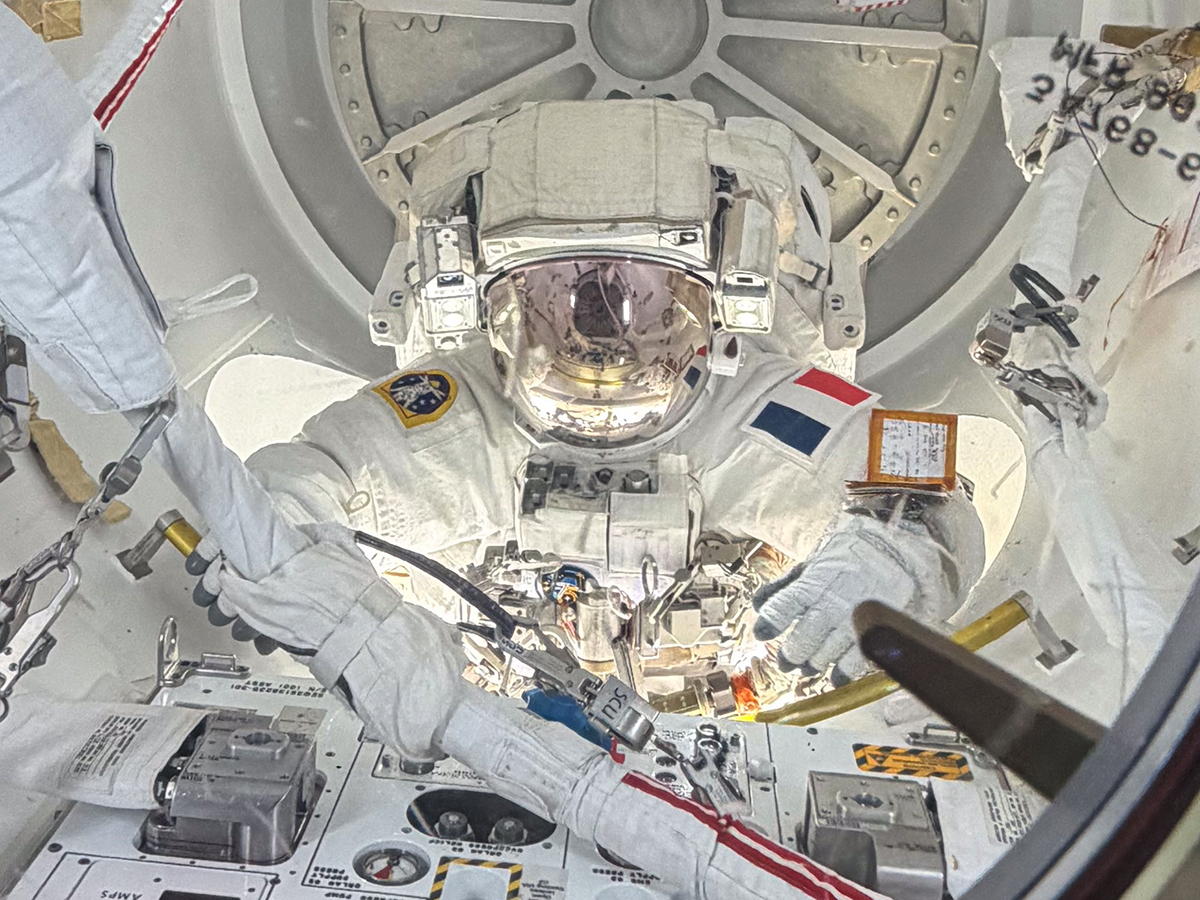
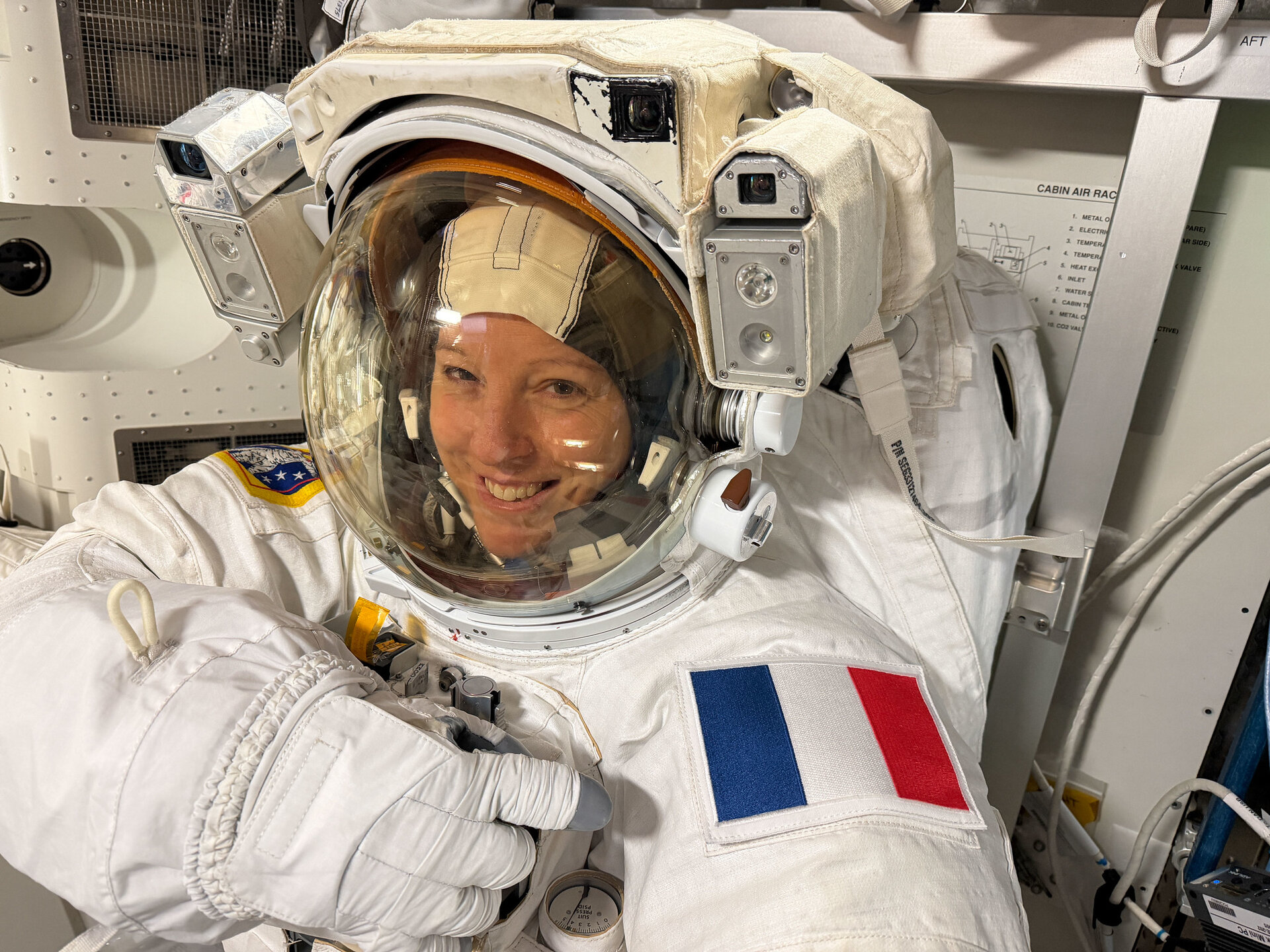
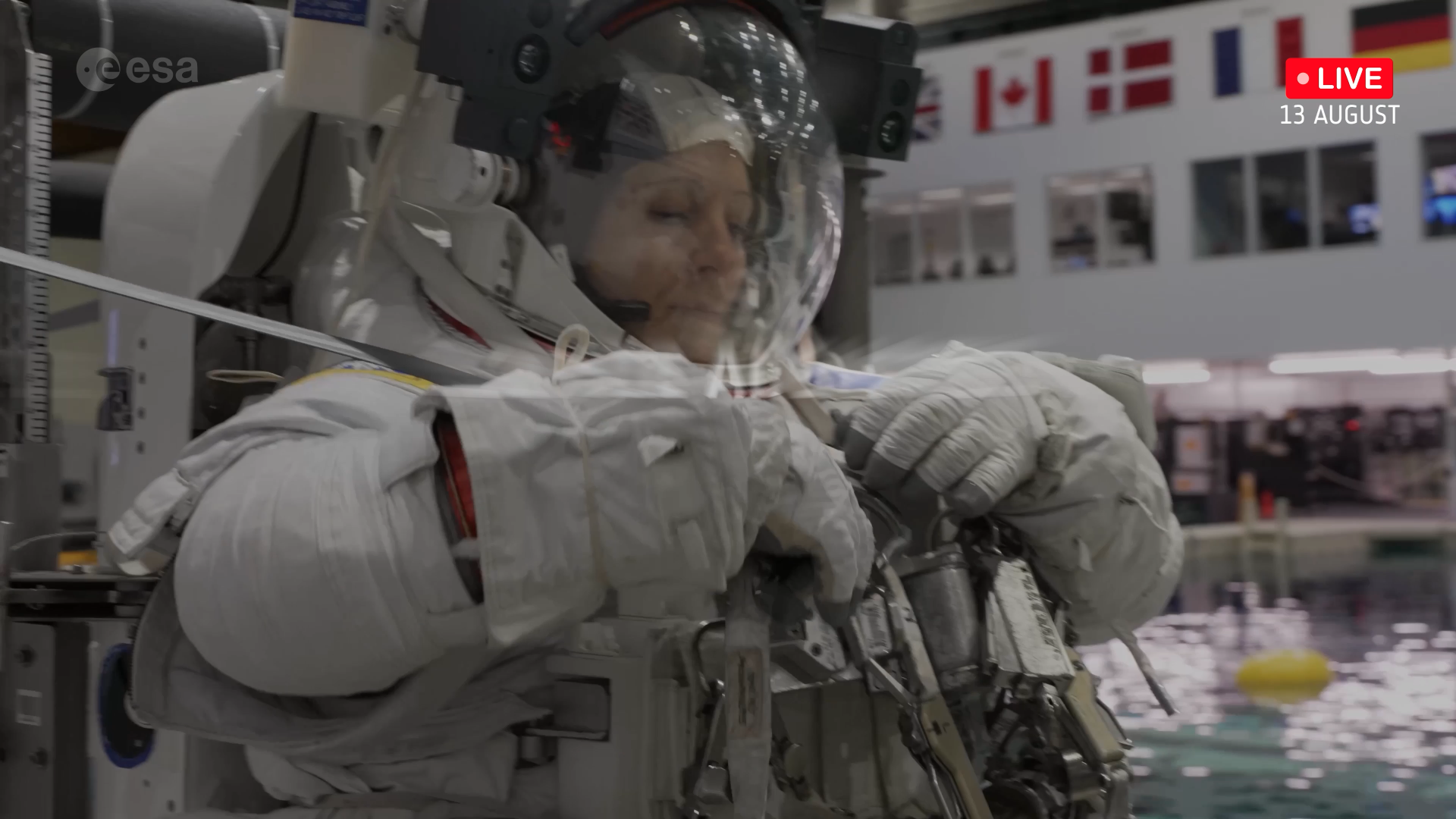
The recent all-female spacewalk, a notable event in its own right, involved the replacement of an ISS camera and docking aid. This operation highlights the ongoing need for maintenance and upgrades to keep the station functioning optimally. The spacewalk, part of a series of scheduled maintenance activities, supports the continuous improvement of the station's capabilities and infrastructure.
In conjunction with these activities, Northrop Grumman's Cygnus XL spacecraft conducted a reboost of the ISS's orbit. This maneuver is critical for counteracting the gradual orbital decay caused by atmospheric drag. Such operations are essential for ensuring the longevity of the station, allowing it to continue as a platform for scientific research and international cooperation.
Complexities and Challenges
Despite the seamless execution of these events, the complexity of orchestrating such operations cannot be overstated. Each mission requires meticulous planning and coordination among multiple agencies and contractors. The upcoming cargo swaps and preparations for future spacewalks are prime examples of the logistical challenges faced in maintaining a facility as complex as the ISS.
A surprising insight from this week's activities is the sheer scale of biomedical and earth science research conducted aboard the ISS in parallel with these operations. Even as the station prepares for incoming resupply missions, crew members are engaged in critical studies on human health in microgravity, underscoring the dual role of the ISS as both a research lab and a logistical hub.
Future Implications
The ongoing operations around the ISS serve as a microcosm of the larger trends in space exploration. As more nations and private entities launch their missions, the need for coordination and cooperation will only intensify. This week's events highlight the importance of robust international partnerships and the continuous improvement of technological capabilities.
Looking ahead, the lessons learned from this week's activities can inform future missions, particularly as humanity sets its sights on more ambitious targets such as the Moon and Mars. The ISS remains a vital testbed for the technologies and collaborative frameworks that will underpin these future endeavors.