State Department unveils Space Catalyst Partnership and first $6.5M project in Peru
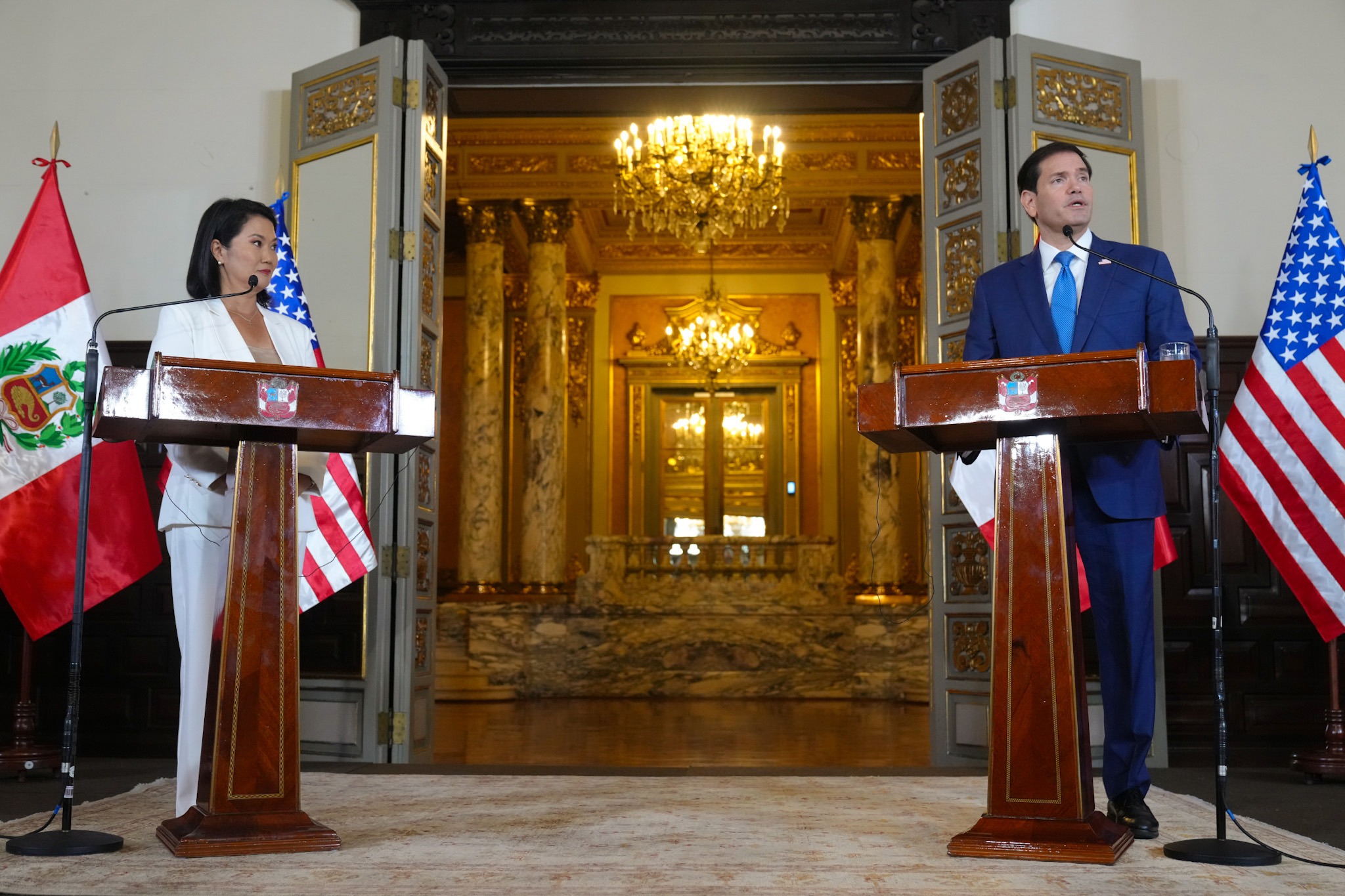
On Sept. 10, 2026, U.S. Secretary of State Marco Rubio announced the State Department’s new Space Catalyst Partnership (SCP), a diplomatic initiative to expand civil and commercial space cooperation with countries that have signed the Artemis Accords. The announcement took place during Rubio’s visit to Lima, Peru, where the department simultaneously unveiled SCP’s first project: a two-year, $6.5 million plan to extend satellite internet connectivity to rural communities in southern Peru. The project is subject to the availability of funds from the U.S. Congress, State Department officials said.
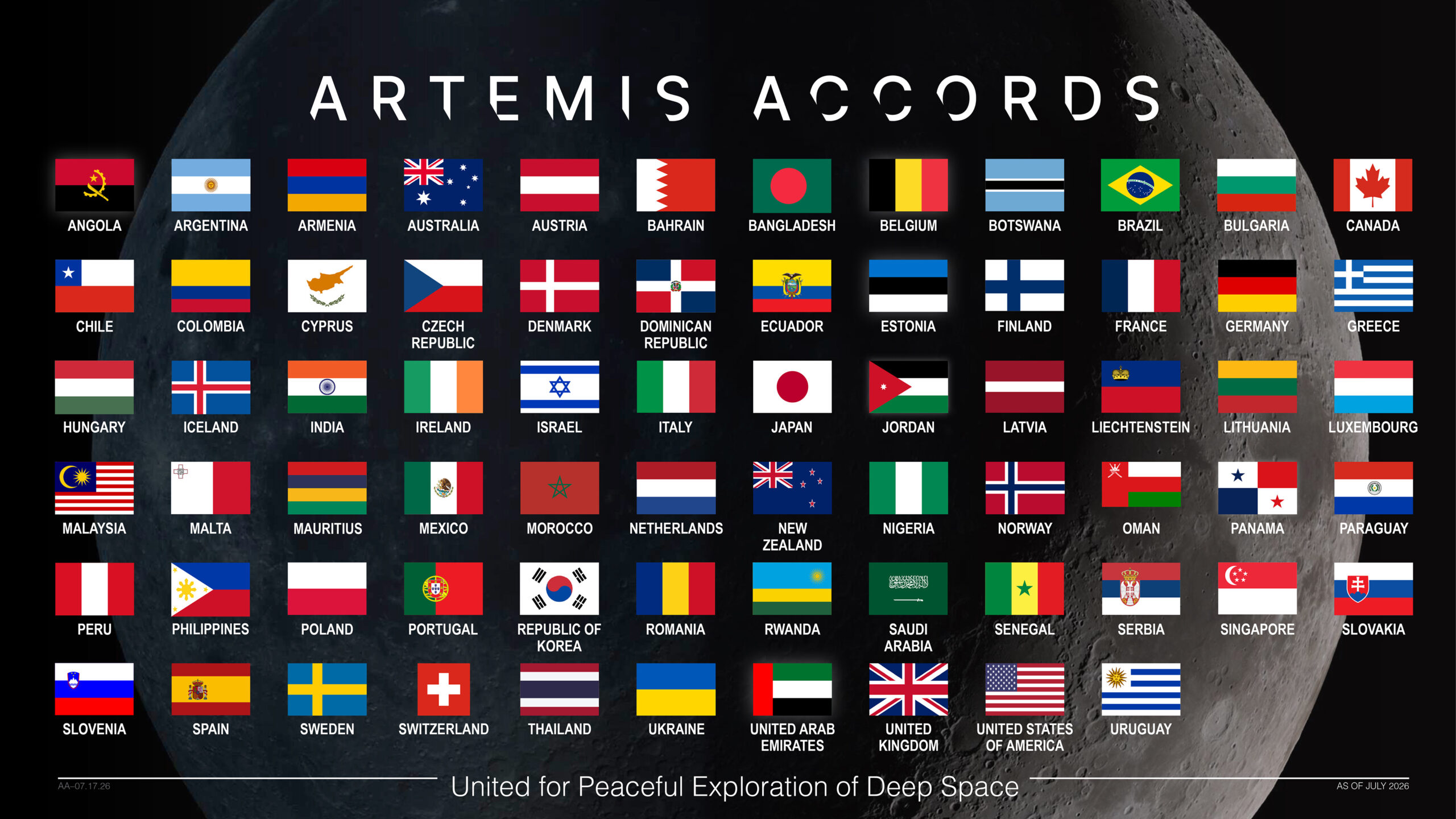
The SCP is designed as a toolkit that combines diplomatic outreach, industry engagement, and targeted foreign assistance to create ties between partner governments and the U.S. space industry. The effort focuses on Artemis Accords signatories — an expanding coalition that reached 72 members when Djibouti joined during a Sept. 14, 2026 ceremony at NASA headquarters, officials noted — and will advance on a project-by-project basis, with partner countries expected to commit their own resources as appropriate.
A senior State Department official speaking on background emphasized the novelty of the department directing foreign-assistance dollars to promote U.S. commercial space companies in a coordinated way. According to reporting, the SCP will deploy three specific tools: coordinating U.S. agencies to help partner countries access American space technology and financing; connecting U.S. firms with new foreign customers and promoting them at trade events; and deploying targeted aid to help emerging spacefaring nations procure U.S. goods and fold space capabilities into sectors such as critical minerals, agriculture, and energy.
Peru, which signed the Artemis Accords in 2024 and hosted the 4th Artemis Accords workshop in May 2026, was chosen as the launchpad for SCP’s first investment. While State officials declined to identify the specific U.S. company involved in the Peruvian satellite internet project, they described the initiative as rural connectivity in southern Peru intended to create export opportunities for the U.S. space industry and to strengthen the U.S. role as a partner of choice in the Western Hemisphere. The project’s implementation will depend on congressional appropriations, the official reiterated.
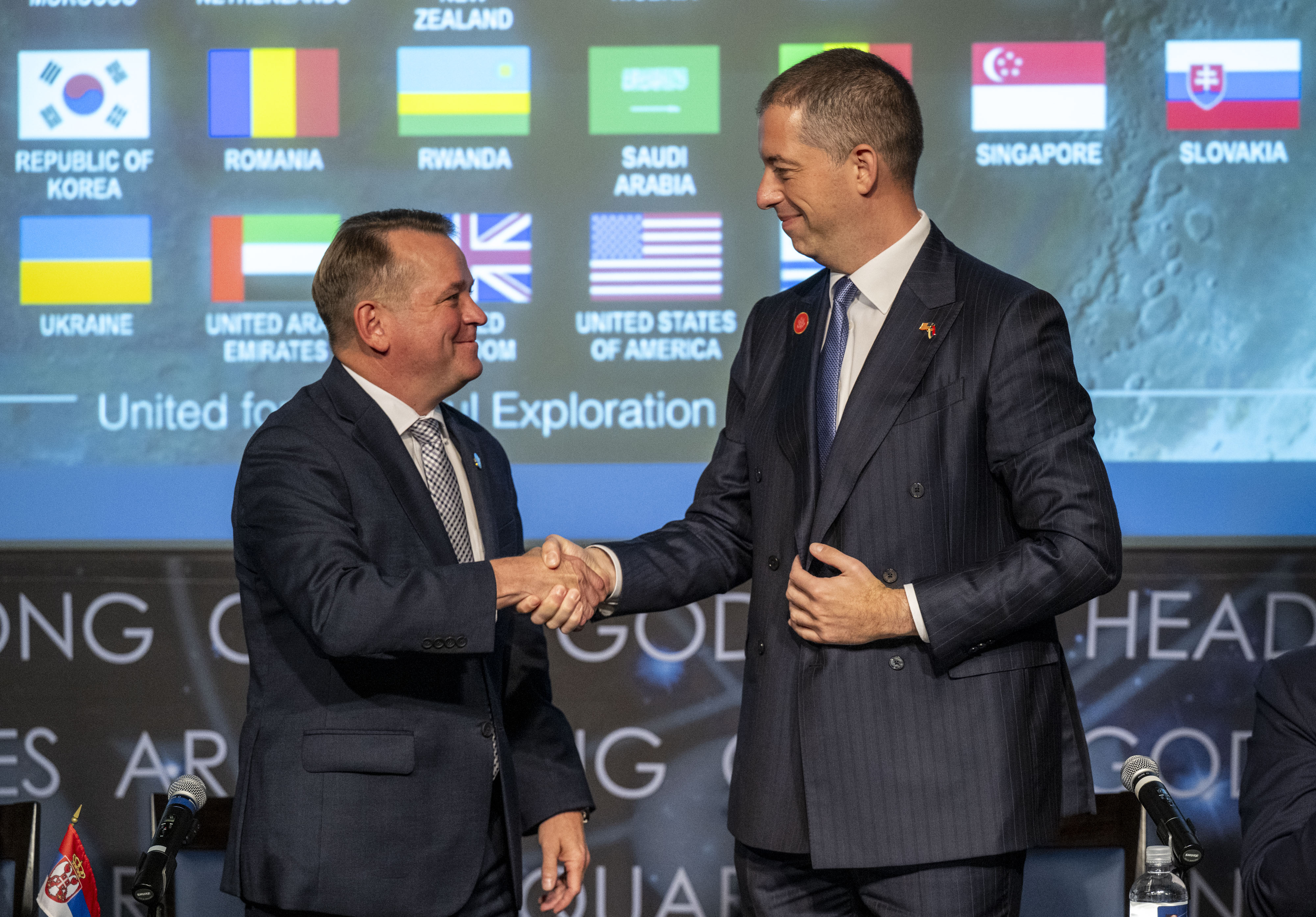
NASA will collaborate with the State Department on SCP efforts, according to statements from both agencies. NASA Administrator Jared Isaacman posted on social media that NASA will be working with the State Department on the new partnership and on deepening cooperation with Artemis Accords signatories. NASA Deputy Administrator Matt Anderson also hosted the Artemis Accords signing ceremony for Djibouti at NASA headquarters on Sept. 14, 2026, illustrating the agency’s close institutional link to the Accords and to the new diplomatic initiative.
Though State Department officials would not explicitly frame SCP as an effort to counter Chinese space engagement, reporting noted the geopolitical context: Beijing has established a long-standing space presence in parts of Latin America, including a deep-space tracking station in Argentina and satellite projects for countries such as Bolivia and Venezuela. When asked whether SCP recipients would be barred from engaging other providers, including Chinese firms, a senior State official said there would be no such ban; the U.S. is instead betting that U.S. technology and standards will make American suppliers the preferred choice. The official criticized China’s approach as overproducing and exporting at low prices to create dependency, while portraying the U.S. offer as one that includes technical standards and broader partnership benefits.
State Department materials and senior officials framed SCP’s rationale as economic and strategic: by using diplomatic channels and foreign-assistance levers to open export opportunities for U.S. space companies, the department aims to deepen ties with countries willing to adopt interoperable standards and invest in joint projects. Future SCP efforts will be chosen on a project-by-project basis, with the goal of catalyzing mutually beneficial commercial ties between U.S. firms and Accords signatories.
Observers will be watching two near-term variables: whether Congress approves appropriation of the $6.5 million for Peru, and which U.S. company or consortium will be selected to deliver the satellite connectivity service. The initiative also raises broader questions about the role of the State Department in actively steering foreign-assistance dollars to promote U.S. private-sector space interests — a role State officials described as coordinated and novel for the department.
By tying participation to Artemis Accords membership, the Space Catalyst Partnership adds a diplomatic incentive to signatories’ constellation of benefits, alongside the Accords’ stated principles for responsible behavior in lunar operations. For countries such as Peru and the increasingly large group of Accords partners — 72 as of mid-September 2026 — SCP offers a concrete pathway to access U.S. civil and commercial space capabilities while embedding space services into terrestrial development priorities.
As the program moves from announcement to implementation, its success will be measured by outcomes on the ground in places like southern Peru, congressional funding decisions, and whether the partnership generates sustained commercial ties between U.S. space firms and international buyers.