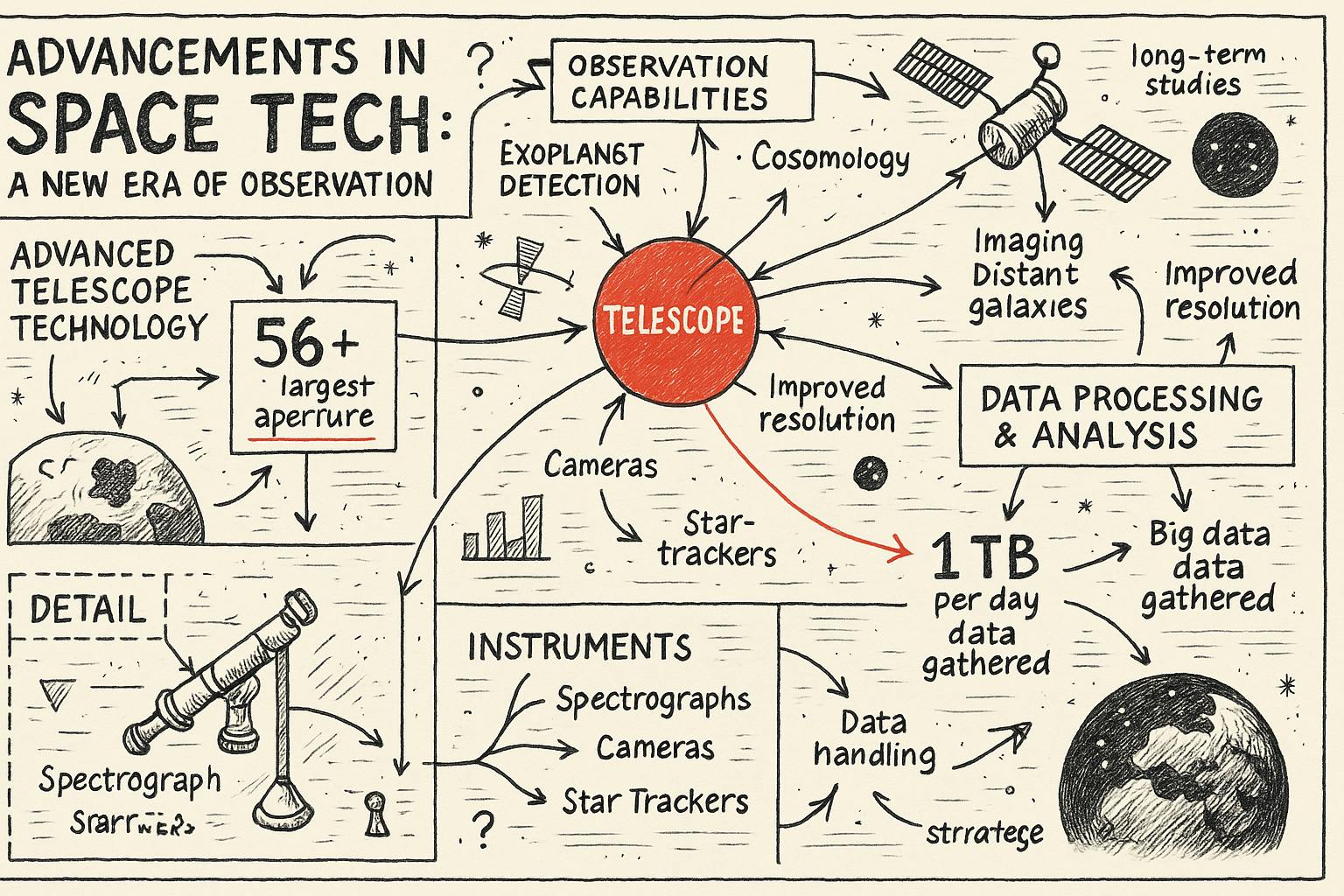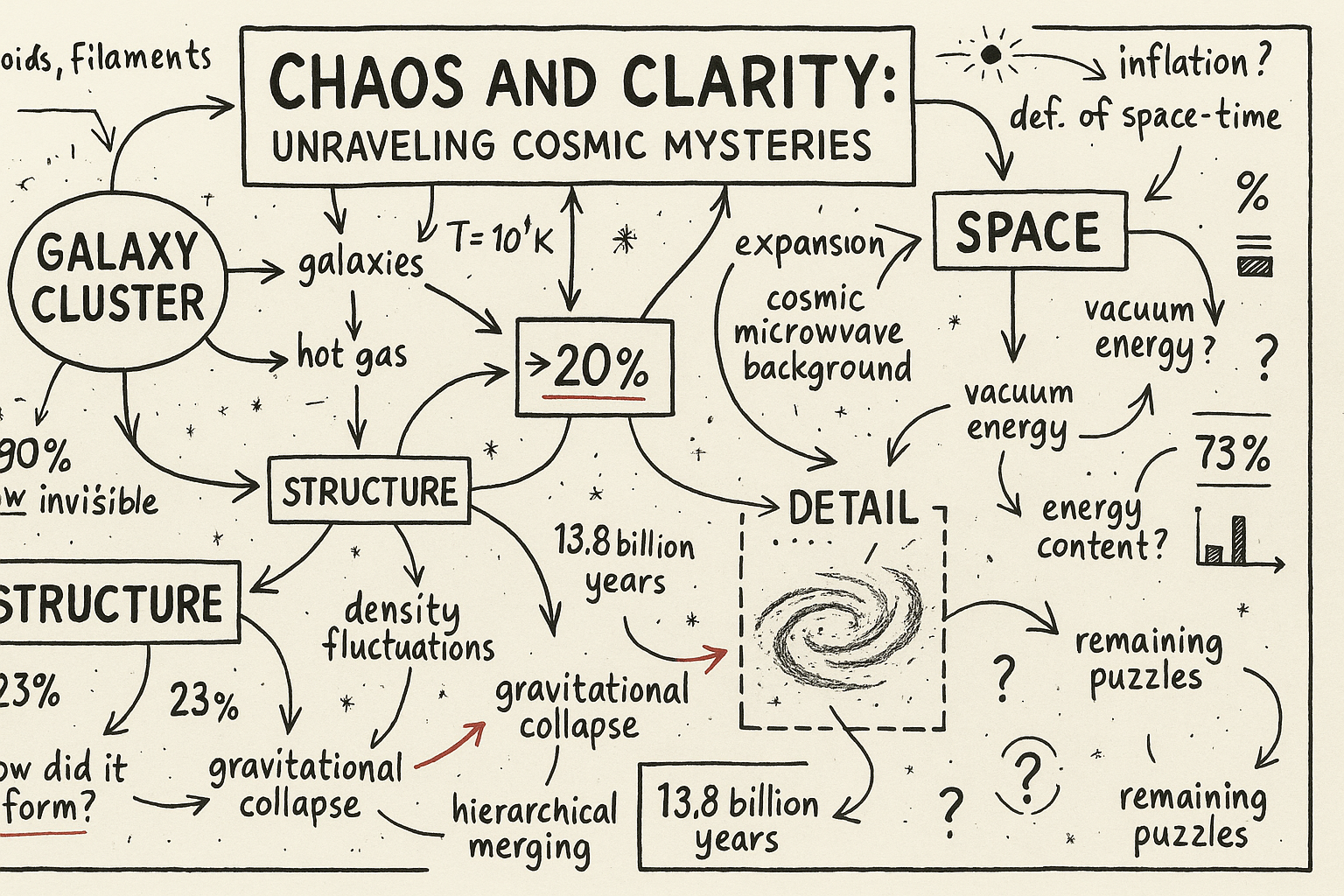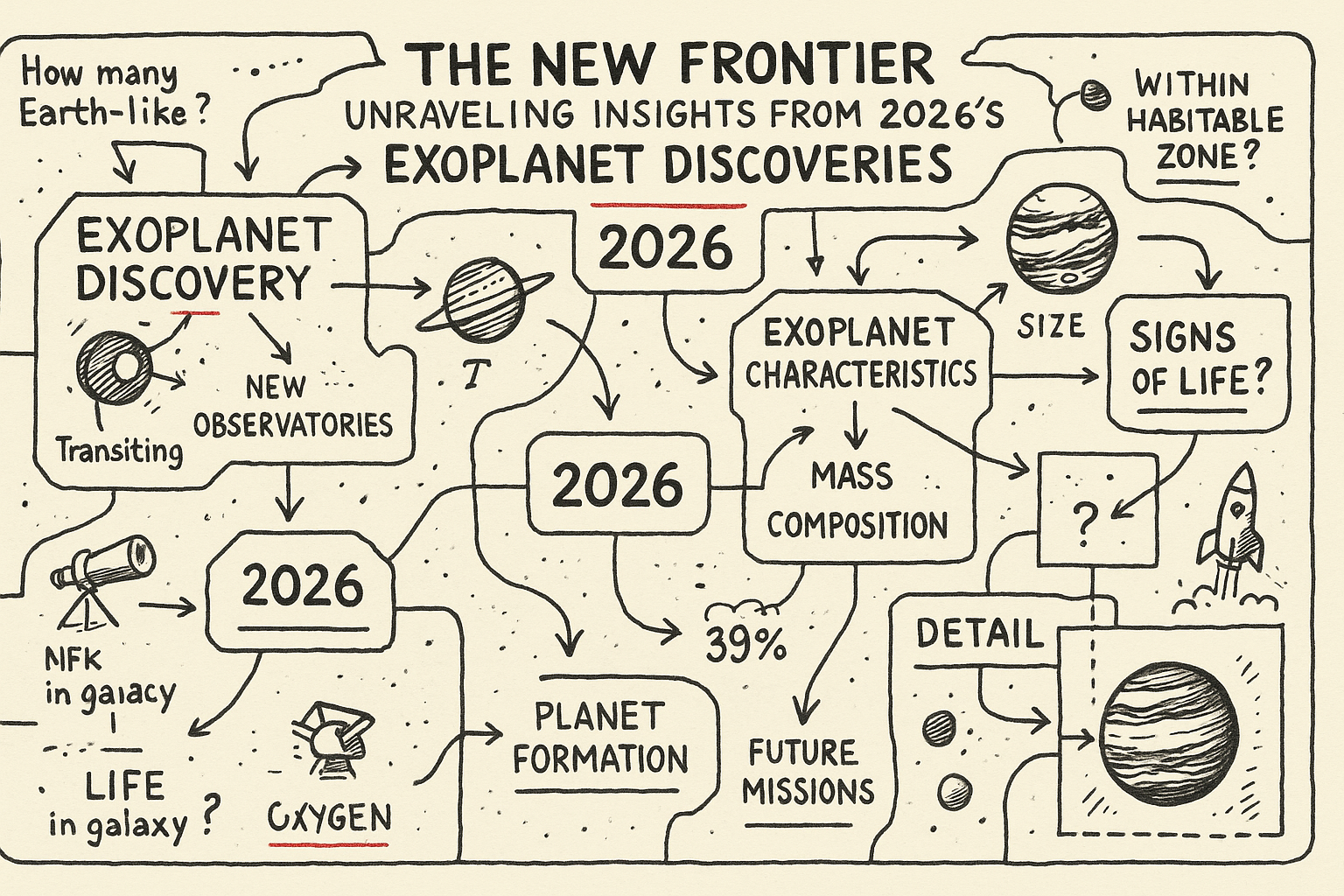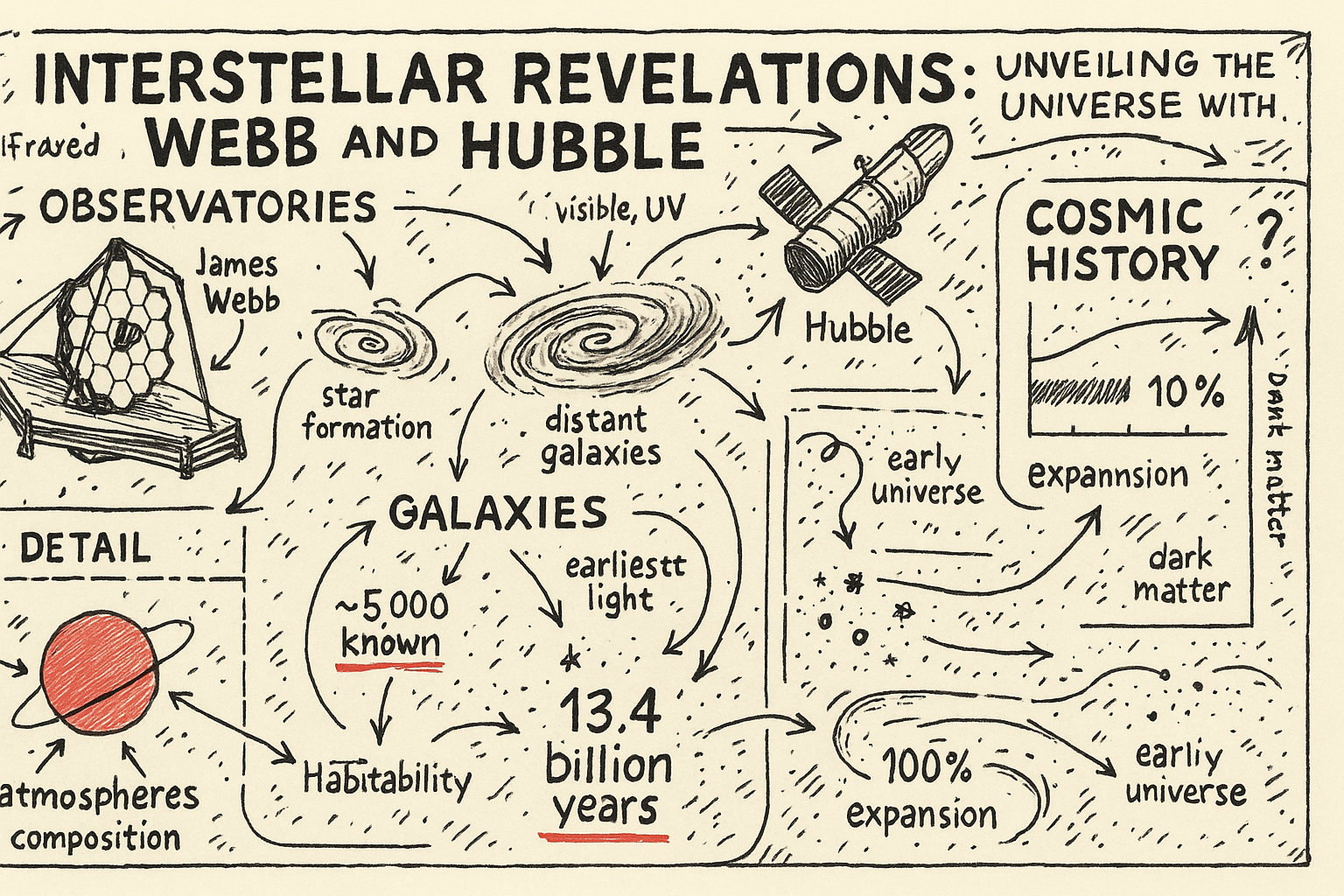
As we step further into the cosmos, the James Webb Space Telescope (JWST) and Hubble continue to expand the boundaries of our knowledge. Recent discoveries from these powerful observatories offer a captivating glimpse into the universe's grandeur and complexity. This analysis synthesizes several recent findings, illustrating how these instruments are reshaping our understanding of the cosmic landscape.
Unveiling Cosmic Clouds
The JWST's recent capture of a colossal cosmic cloud, celebrated as the 'space photo of the day' on September 16, 2026, is a testament to its unparalleled capabilities. This image highlights the telescope's ability to peer into previously obscured regions, revealing intricate structures within massive cosmic formations. Such revelations are not just visually stunning; they provide critical insights into stellar formation and the lifecycle of interstellar matter.
Beyond the Known: New Objects in the Outer Solar System
In an intriguing collaboration, the JWST and Hubble have identified 27 new objects orbiting the sun beyond Neptune. These discoveries challenge existing models of our solar system's periphery and prompt a reevaluation of how such distant objects formed and evolved. The presence of these bodies suggests a far more populated and dynamic region than previously thought, potentially harboring clues to the solar system's early history.
Revisiting Familiar Celestial Bodies
While the new discoveries capture headlines, revisiting known celestial bodies like Messier 33 and the Cocoon Nebula with advanced technology provides a deeper understanding of these iconic objects. The Triangulum Galaxy, or Messier 33, viewed through the JWST, reveals star formation regions with unprecedented clarity, offering clues about galaxy evolution. Similarly, the Cocoon Nebula's wide-field imagery uncovers a tapestry of gas and dust, showcasing the processes fueling star birth.
Historical Context and Breakthroughs
Historically, telescopes have been our windows to the universe, from Galileo's rudimentary lens to the sprawling arrays of today. The leap from Hubble to Webb represents more than just technological advancement; it marks a transition in how we approach cosmic exploration. Webb's infrared capabilities allow astronomers to peer through dust and gas, unveiling hidden corners of the universe that were opaque to its predecessors.
One of the most surprising insights from these endeavors is the density and diversity of objects in the Kuiper Belt and beyond. Previously considered a sparse region, the discovery of numerous new objects suggests a vibrant and possibly dynamically active zone, which could provide new perspectives on planetary formation theories.
Future Implications
The ongoing discoveries signal a promising future for space exploration. As the JWST continues to deliver data, our understanding of the universe's structure, origins, and future will undoubtedly deepen. This period of exploration not only enriches our scientific knowledge but also inspires a new generation of astronomers and enthusiasts eager to uncover the mysteries of the cosmos.
In conclusion, the synergy between the JWST and Hubble is more than just a technological marvel; it is a beacon of human curiosity and ingenuity. As these telescopes continue to unlock the universe's secrets, they remind us of the vastness of our cosmic neighborhood and the endless possibilities that lie beyond.