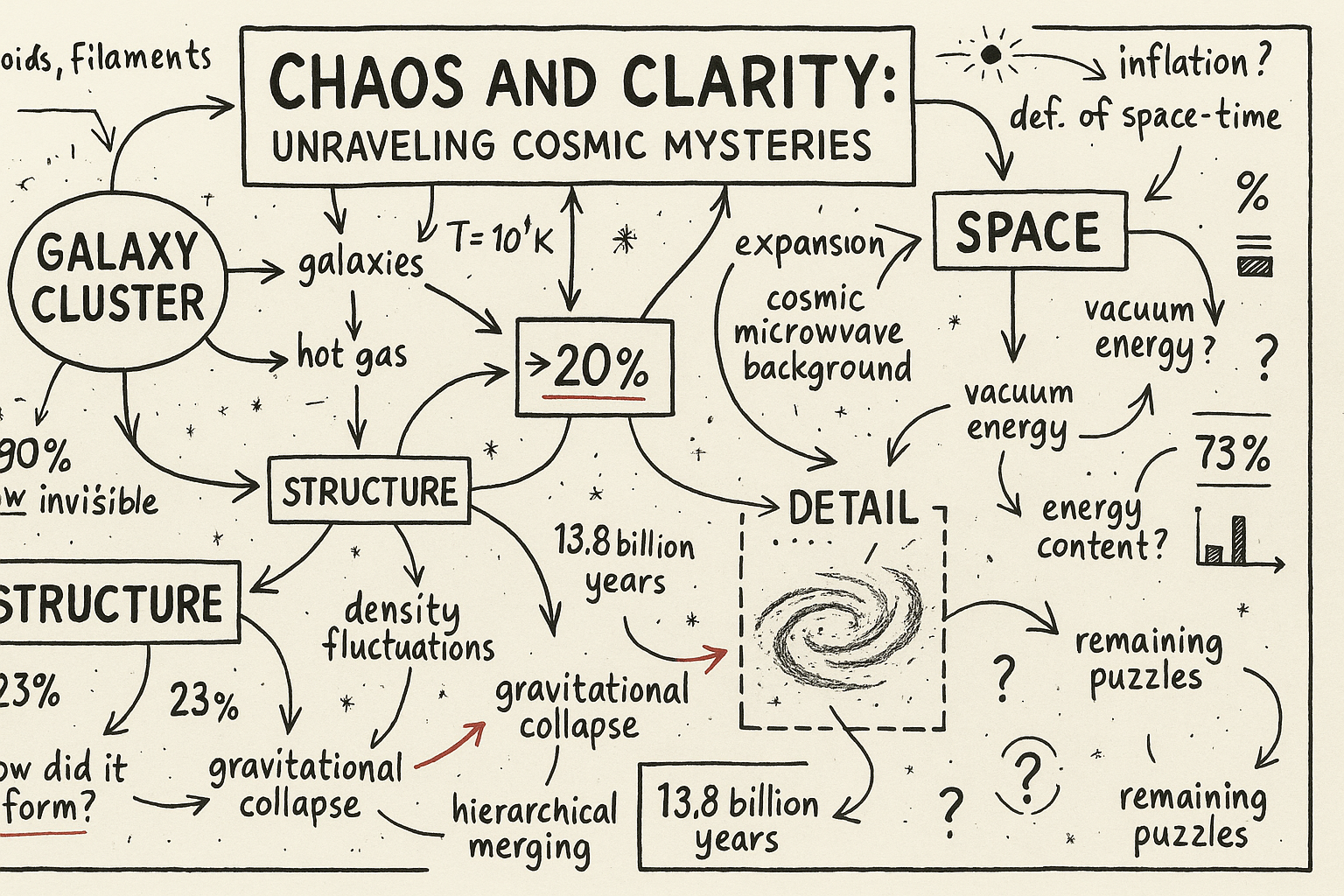
The cosmos is a realm of both beauty and mystery, and recent astronomical discoveries have only deepened our fascination. At the heart of these discoveries are peculiar galaxies and enigmatic celestial objects that challenge our existing understanding of the universe.
Out-of-Sync Galaxies: Hidden Chaos
The Hubble Space Telescope has recently captured an image of NGC 4698, a galaxy that, while appearing serene, holds a turbulent secret. Situated in the Virgo Cluster, this galaxy displays a unique rotational pattern that suggests an internal misalignment. Such phenomena are not merely aesthetic curiosities; they hint at complex gravitational interactions and past cosmic events.
This 'out-of-sync' rotation could be the result of a past collision or interaction with another galaxy. Historically, galactic collisions have been pivotal in shaping the structure and evolution of galaxies, but NGC 4698's peculiar spin adds a new layer to our understanding of these cosmic processes.
Ghost Galaxies: The Universe's Hidden Population
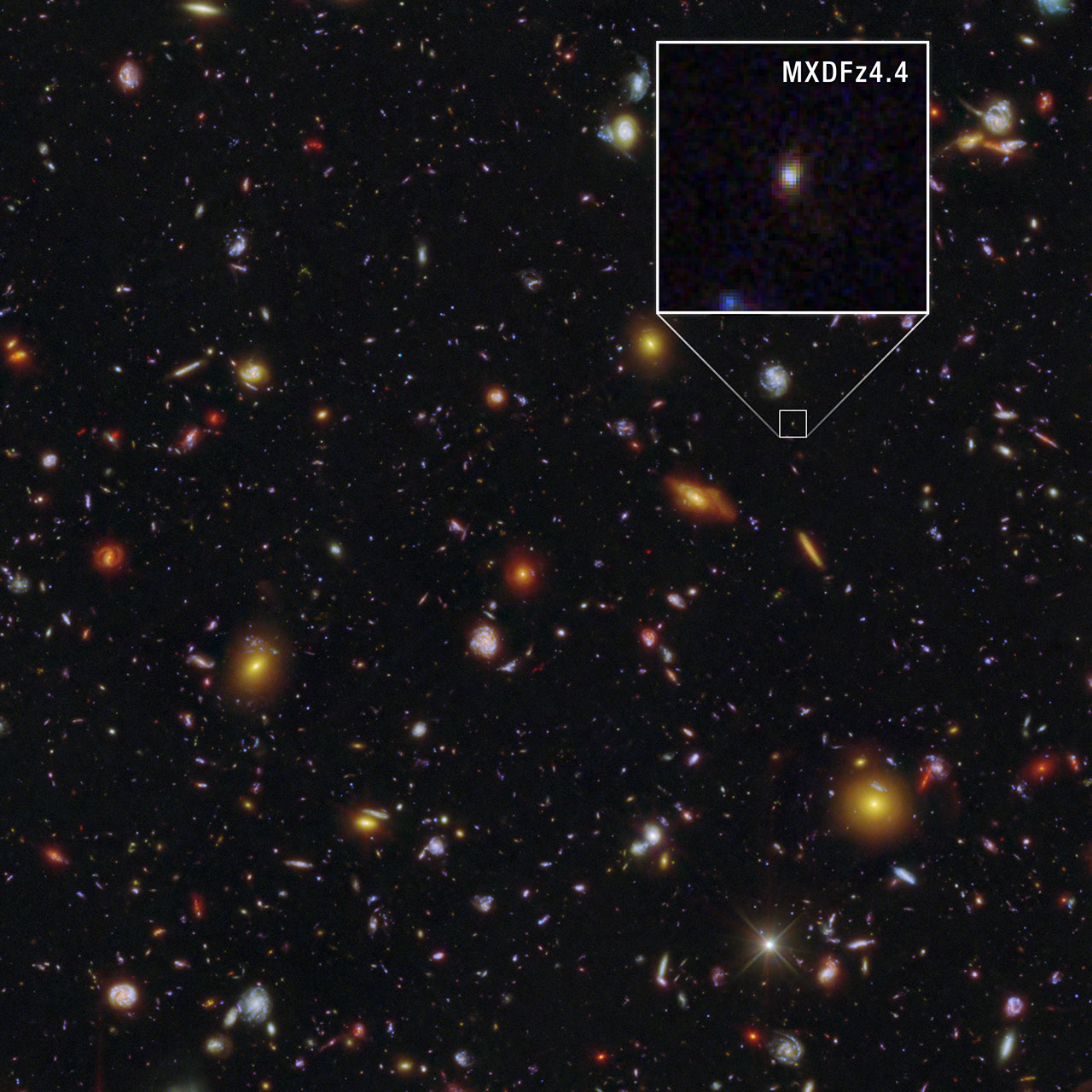
In another intriguing development, the discovery of 47 'ghost galaxies' around NGC 5068, NGC 5084, and NGC 5087 challenges our perceptions of dwarf galaxies. These faint galaxies, detected using the Italian VST telescope in Chile, are the most abundant type, yet their low luminosity renders them elusive.
The discovery of these ghostly structures reveals the limitations of our current observational technology. As we explore beyond the Local Group, we realize that many such galaxies likely remain undetected, potentially holding answers to the distribution of dark matter and the dynamics of galaxy formation.
Mysterious Celestial Objects and Stellar Anomalies
Astronomers have also identified 84 mysterious objects within nearby galaxies that defy current classification. These entities, detectable only in specific light spectrums, could represent a new class of cosmic phenomena or previously misunderstood processes.
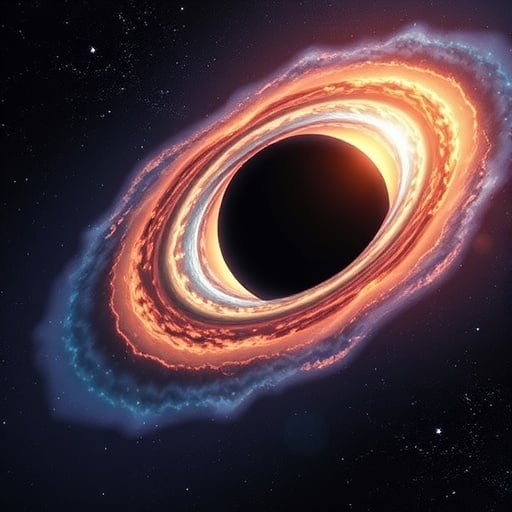
Additionally, the peculiar behavior of stars around the Milky Way's central black hole has sparked debate. Contrary to expectations, these stars lack companions, suggesting that the black hole's gravitational influence may disrupt or even destroy nearby stellar systems. This finding offers a new perspective on how supermassive black holes interact with their stellar environments.
Implications for the Future
The implications of these discoveries are profound. Understanding the mechanics of 'out-of-sync' galaxies could illuminate the history of galactic mergers and collisions. The identification of ghost galaxies will inform models of dark matter distribution, offering insights into the universe's missing mass.
Moreover, the detection of new cosmic objects invites a reevaluation of our classification systems and observational techniques. As we refine our instruments and methodologies, we may uncover further anomalies that challenge our foundational theories.
Such findings underscore the dynamic nature of astronomical research. Each discovery not only answers questions but also raises new ones, propelling us to deepen our exploration of the cosmos.
As we strive to understand these cosmic puzzles, we are reminded of the universe's complexity and the endless possibilities that await discovery. The dance of galaxies, the whisper of hidden stars, and the allure of the unknown continue to inspire our quest for knowledge.