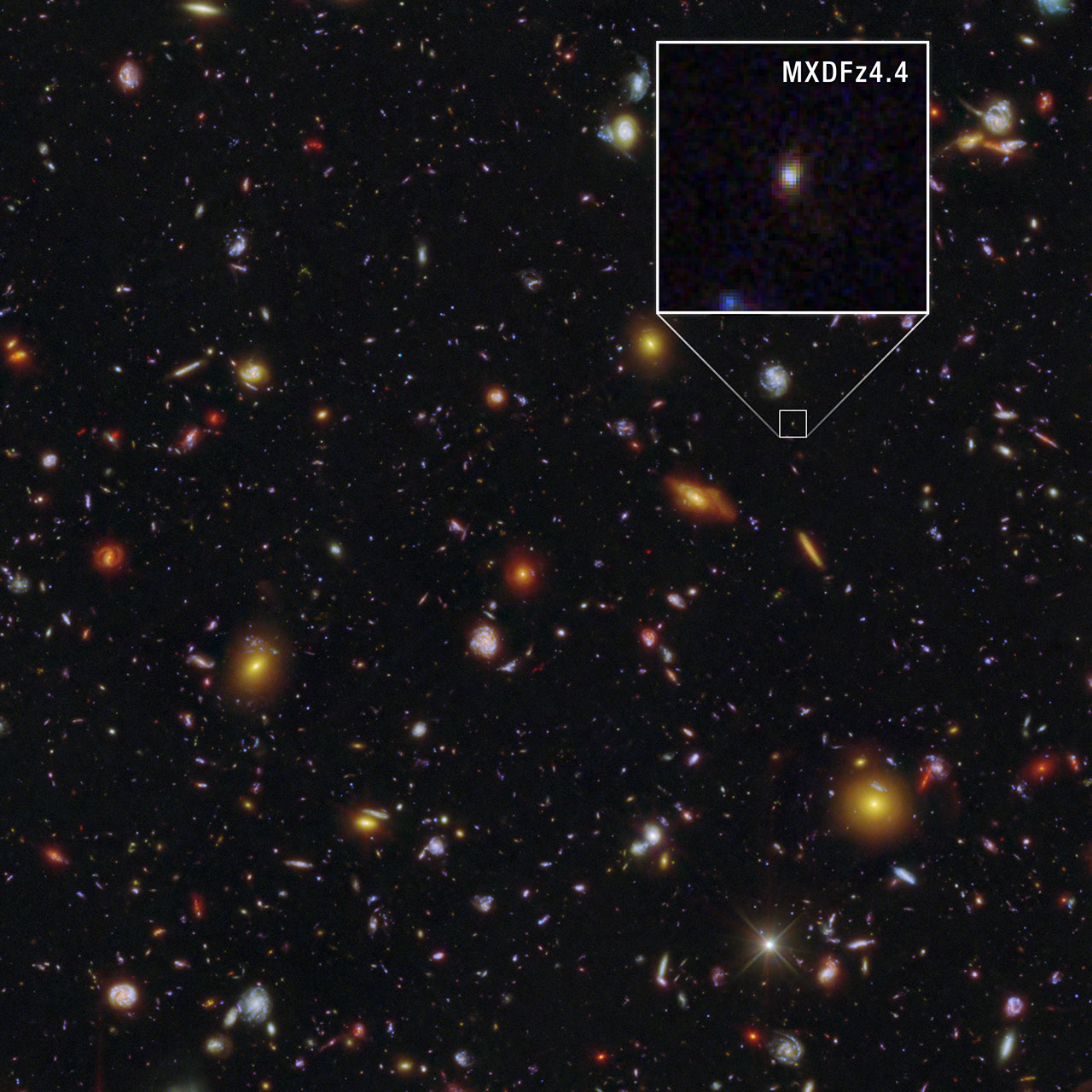
The Hubble Space Telescope, a cornerstone of astronomical research since its launch in 1990, continues to redefine our understanding of the universe. Recent observations have provided unprecedented insights into the early transformation of a galaxy neighborhood, enhancing our understanding of the cosmic processes that shaped the universe as we know it today.
According to NASA's recent report, Hubble's high-resolution imaging capabilities have allowed scientists to examine the intricate details of an early galaxy cluster, shedding light on the mechanisms that influenced galaxy formation and evolution. This cluster, situated billions of light-years away, is a relic from the universe's formative years, offering a window into the past.
Galaxy clusters, which are among the largest structures in the universe, consist of hundreds or thousands of galaxies bound together by gravity. These clusters serve as laboratories for studying the interactions and dynamics of galaxies, as well as the influence of dark matter and dark energy, two of the most enigmatic components of the cosmos.
The latest findings from Hubble have revealed that the galaxies within this cluster exhibit signs of rapid transformation. This includes significant changes in their shapes and sizes, as well as variations in their star formation rates. Such transformations are believed to be driven by interactions between galaxies, including mergers and collisions, which can trigger bursts of star formation, alter galaxy morphologies, and even quench star formation by stripping galaxies of their interstellar gas.
These observations underscore the role of environmental factors in galaxy evolution. The dense environments of galaxy clusters can accelerate galactic transformations through processes such as ram-pressure stripping, where the interstellar medium of a galaxy is removed due to its motion through a cluster's hot intracluster medium. This phenomenon can effectively halt star formation, leading to the development of elliptical galaxies from spiral predecessors.
Understanding these processes is crucial for astronomers aiming to piece together the history of the universe. As galaxies are the building blocks of the universe, comprehending their evolution provides insights into the cosmic web's larger-scale structure.
Hubble's ongoing contributions to astronomy highlight the importance of space-based observatories in providing data that ground-based telescopes cannot match. Its ability to observe ultraviolet and visible light, unaffected by Earth's atmosphere, enables the detailed analysis of celestial objects millions to billions of light-years away.
The data obtained from Hubble's observations will complement future studies from other space telescopes, such as the James Webb Space Telescope (JWST), which is set to provide even deeper insights into the universe's infancy. JWST, with its advanced infrared capabilities, will allow astronomers to peer through cosmic dust and observe the faintest galaxies at the edge of the observable universe, potentially unlocking further secrets about galaxy formation and evolution.
These findings not only enhance our understanding of the universe's past but also inform predictions about its future. As galaxies continue to evolve and interact, the cosmic landscape will inevitably change, influenced by the same forces that shaped it billions of years ago.
NASA's commitment to exploring the universe remains steadfast, with the Hubble Space Telescope continuing to play a pivotal role in astronomical discoveries. As new data emerges, the scientific community eagerly anticipates the revelations that will further illuminate the complexities of our universe.