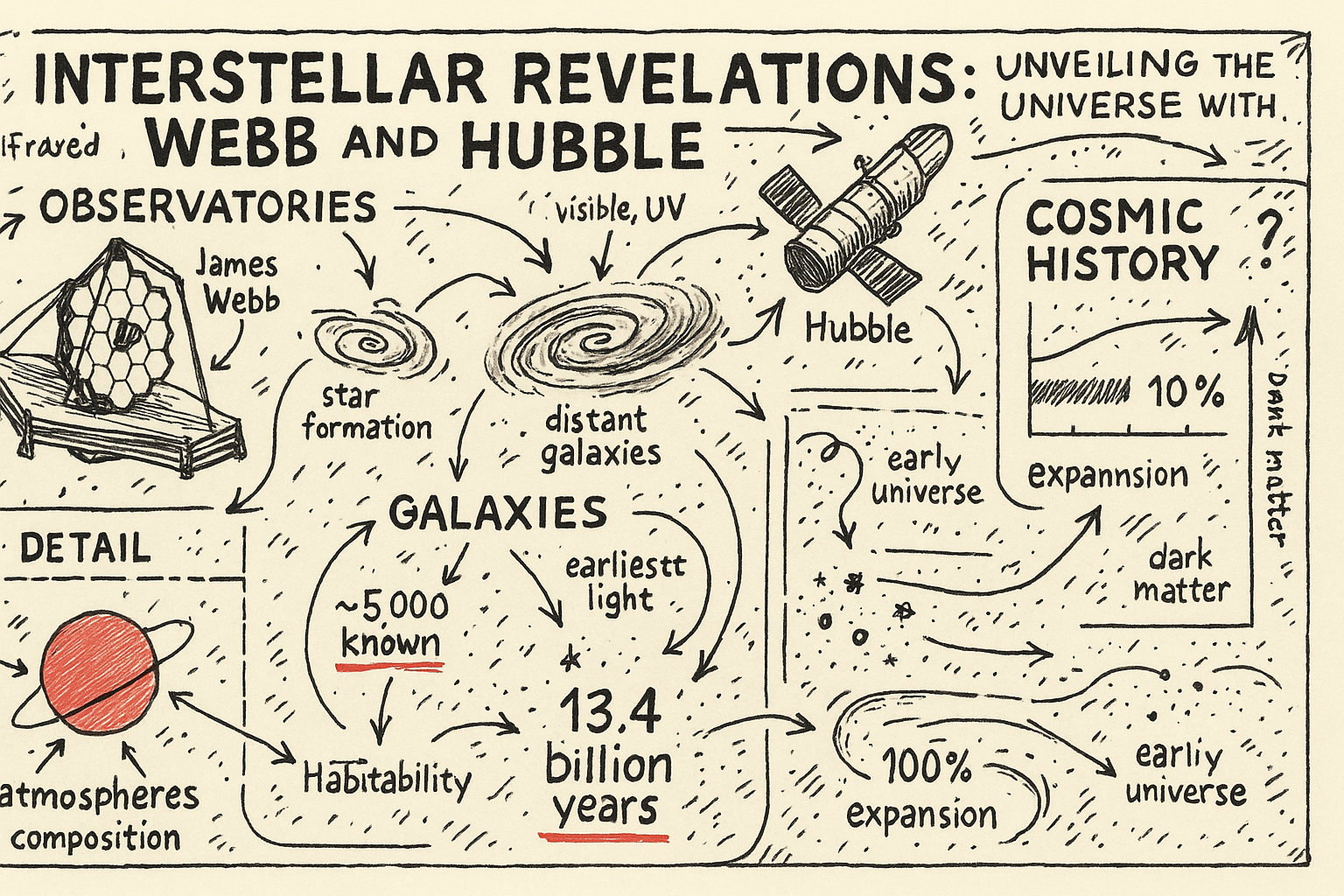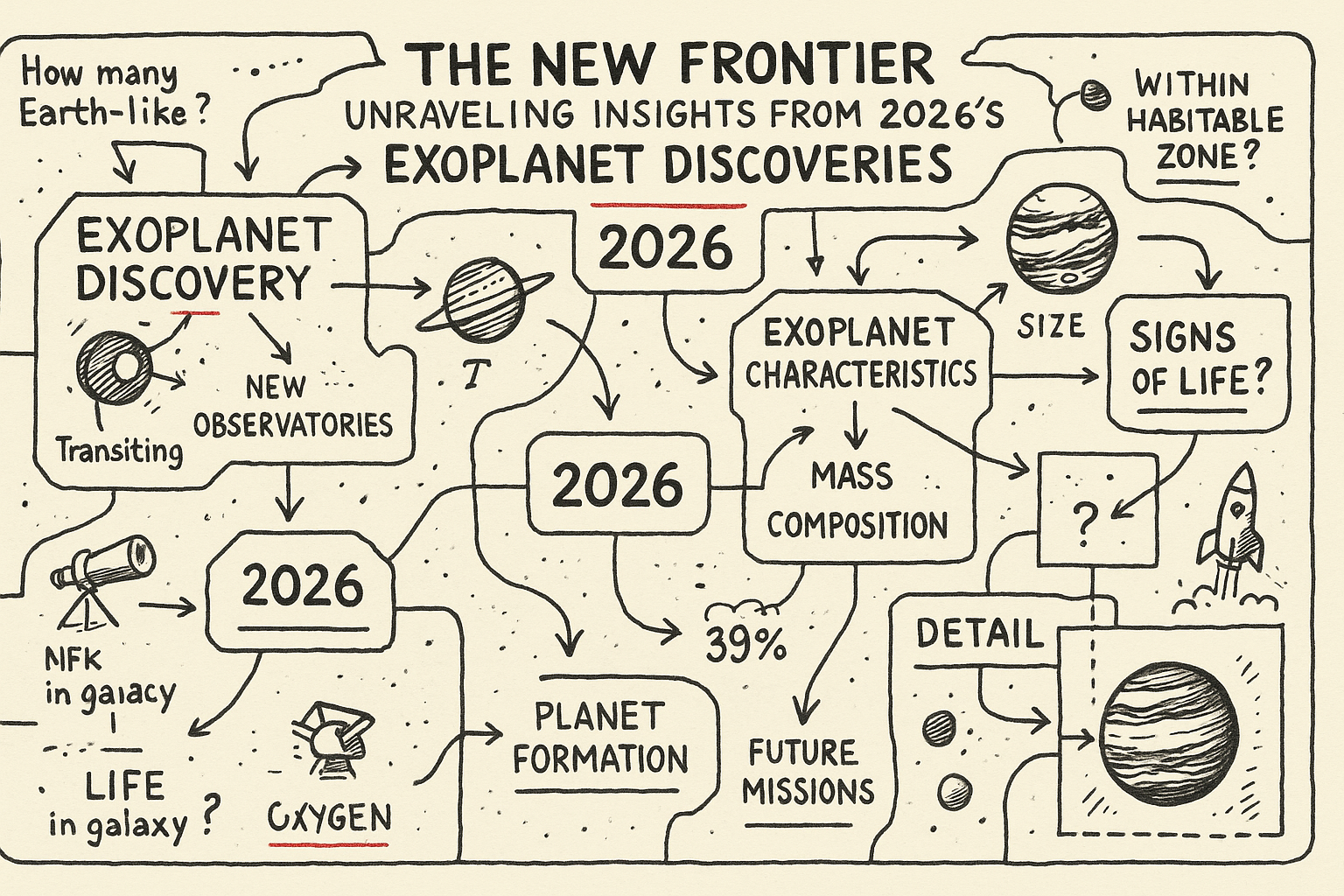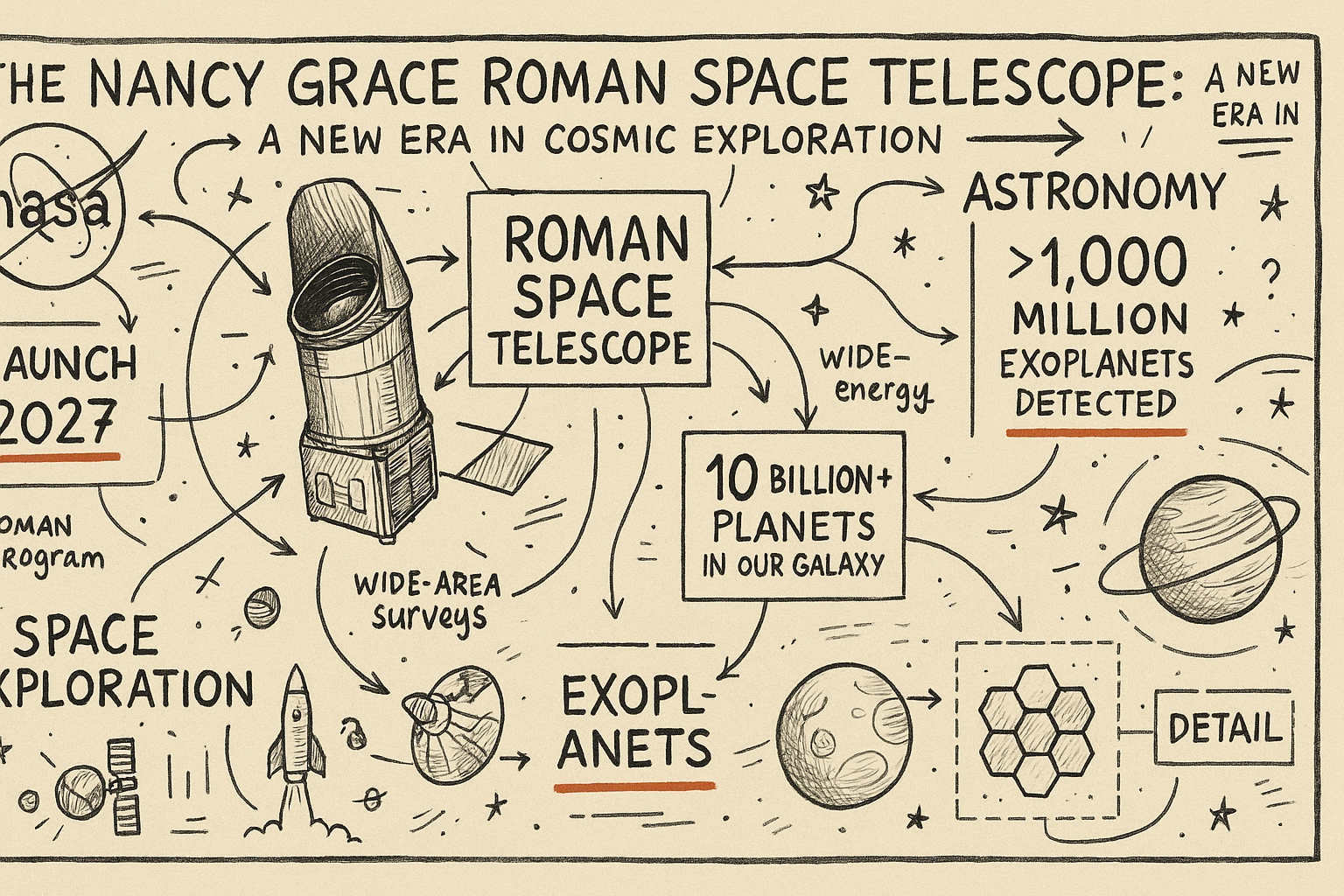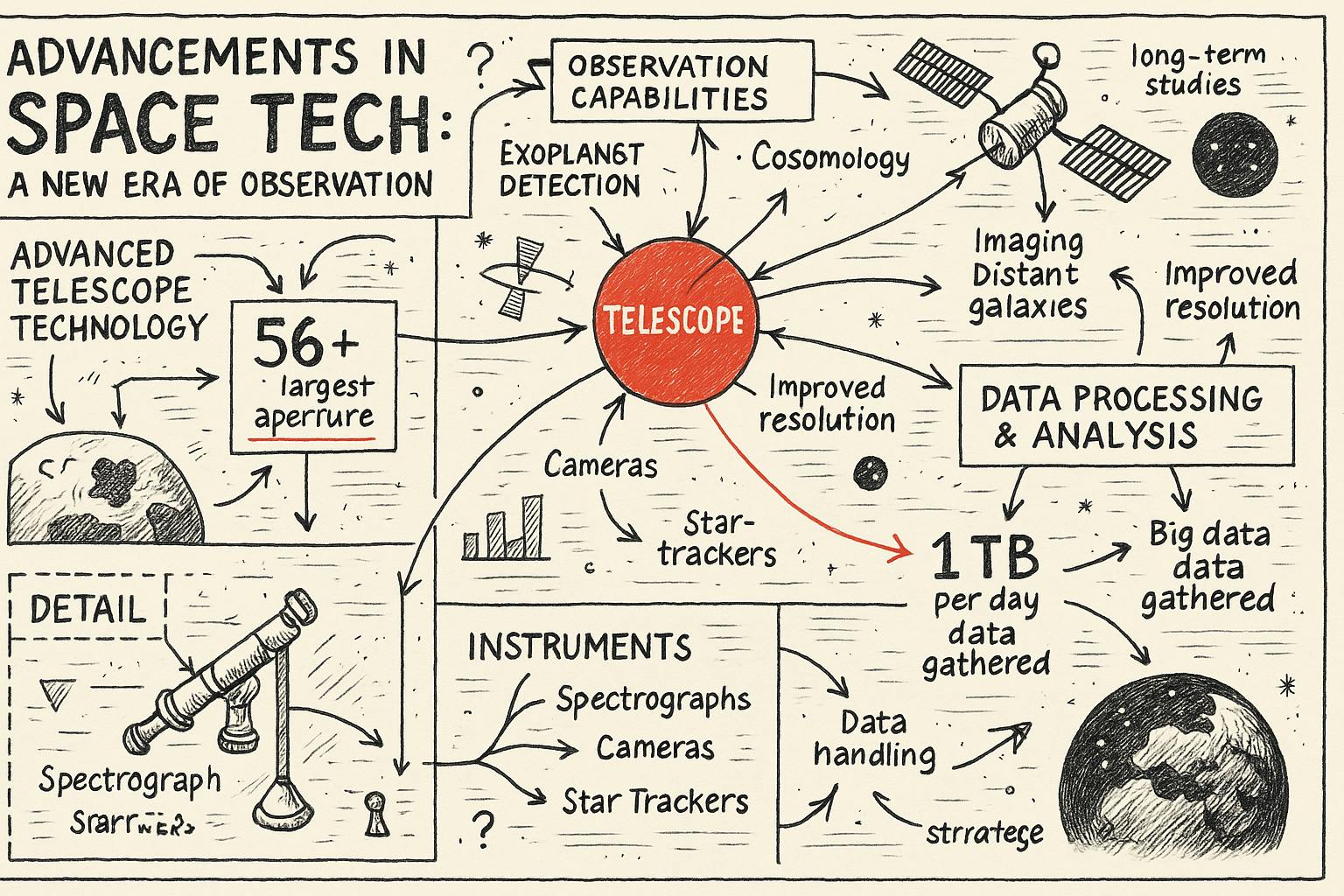
The field of astronomy is witnessing a remarkable transformation, driven by recent technological innovations. From advanced adaptive optics systems to groundbreaking spectrographs, these tools are enhancing our capacity to observe and understand the universe.
Adaptive Optics: A Leap Forward in Clarity
Italy has made a significant contribution to this evolution with the introduction of Ekarus, the first adaptive optics system installed on the 1.82-meter Copernicus Telescope in Asiago. This technology, operational since August 2026, represents a substantial leap in observational capability by correcting atmospheric distortions in real-time. With its 450 actuators, Ekarus can adjust the mirror shape thousands of times per second, improving resolution ten to twentyfold (Sources 1, 3, 7).
Historically, adaptive optics have been pivotal in ground-based astronomy, countering atmospheric effects that blur celestial images. Ekarus not only enhances scientific observation but also serves as a vital educational platform, fostering the next generation of astronomers and engineers.
eROSITA: Mapping the High-Energy Cosmos
Complementing ground-based advancements, the eROSITA telescope aboard the Spektr-RG observatory continues to deliver unprecedented insights. Since its 2019 launch, eROSITA has provided the most comprehensive high-energy census of the universe to date. This soft X-ray survey has revealed previously unseen cosmic phenomena, offering a deeper understanding of the universe's structure and evolution (Source 2).
Exploring New Frontiers: Lunar and Beyond
Innovation is not confined to observational technologies. The DaedalusCam, designed for lunar exploration, exemplifies forward-thinking in space exploration tools. This hyper-hemispheric camera, recently tested in Italian basaltic quarries, is set to explore lunar caves, marking a new chapter in extraterrestrial geology (Source 4).
Meanwhile, the European Space Agency's contracts with Leonardo and ICEYE for the European Earth Observation Governmental Service (EOGS) underscore Europe's commitment to expanding its observational capabilities. These initiatives promise enhanced environmental monitoring and disaster response capabilities (Source 6).
The Global Telescope Network: A Collaborative Future
The deployment of the first Small-Sized Telescope (SST) to the Cherenkov Telescope Array Observatory in Chile highlights the global nature of these advancements. This international collaboration aims to unravel cosmic mysteries by detecting high-energy gamma rays, a testament to the collective effort in pushing the boundaries of astrophysics (Source 5).
Additionally, the recent initiation of Moons at the Very Large Telescope (VLT) marks a significant achievement in infrared spectrography. By utilizing robotic fibers, Moons can simultaneously study numerous celestial objects, penetrating the dust clouds of the Milky Way to reveal hidden cosmic structures (Source 8).
Implications for the Future
These advancements not only enhance our understanding of the cosmos but also pave the way for future explorations. As adaptive optics and spectrography advance, the potential for new discoveries grows exponentially. The integration of these technologies with space missions promises to revolutionize our approach to space exploration, enabling more detailed and expansive studies than ever before.
In conclusion, the synergy of these scientific innovations reflects a new era in space observation, driven by international cooperation and technological prowess. As we continue to push the boundaries of what is possible, the universe's secrets are becoming more accessible, promising profound insights into our cosmic origins and destiny.