TRL11 Wins NASA Contract to Supply Imaging Systems for SR-1 Freedom Mission to Mars
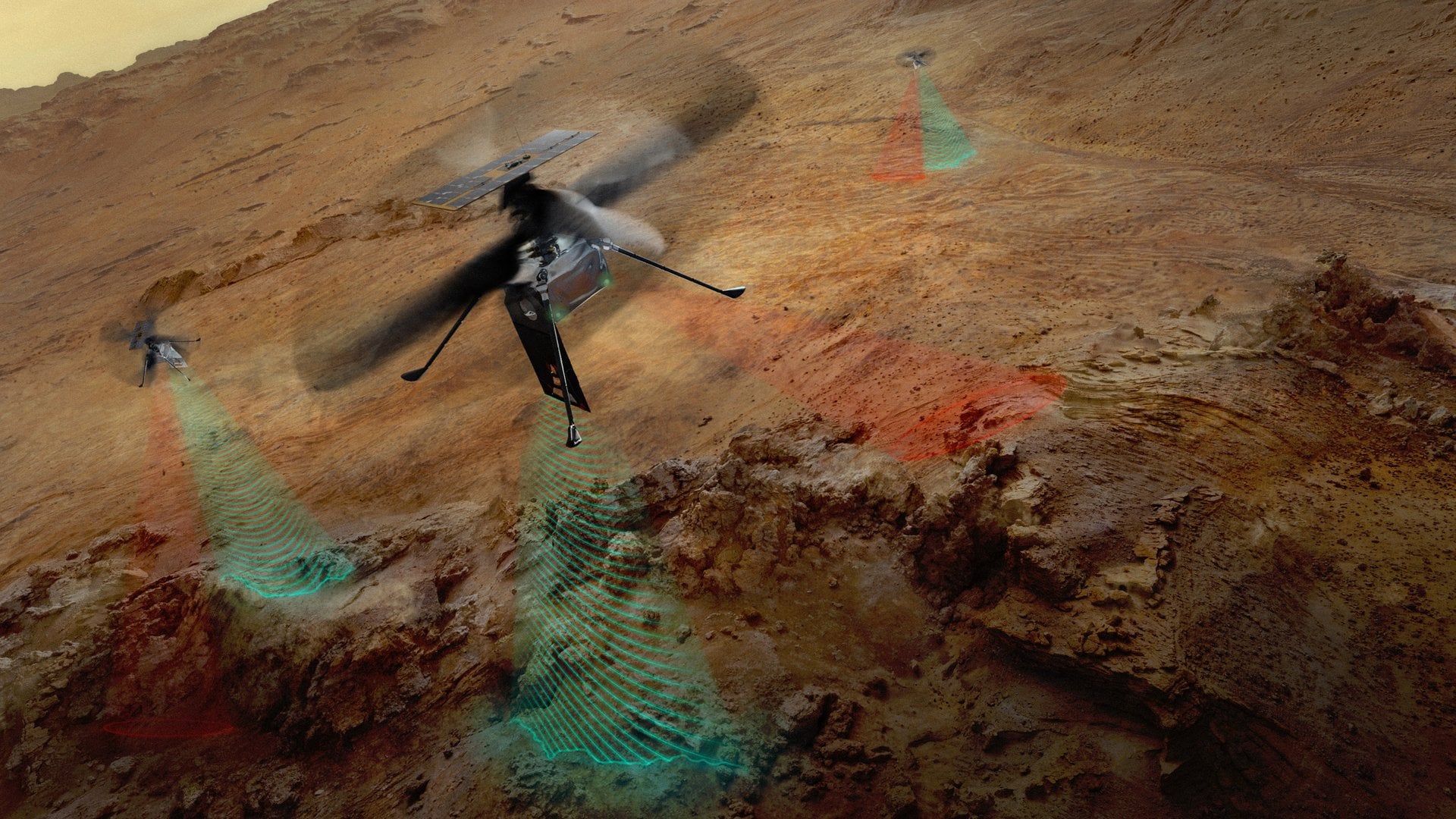
TRL11 has received a NASA contract to provide imaging systems for the Space Reactor-1 (SR-1) Freedom mission to Mars, the company announced on 22 September 2026. The hardware TRL11 will deliver includes space cameras and edge computing systems intended to capture, process, and store high-resolution imagery of the mission—particularly the moments when the SkyFall helicopters deploy to the Martian surface.
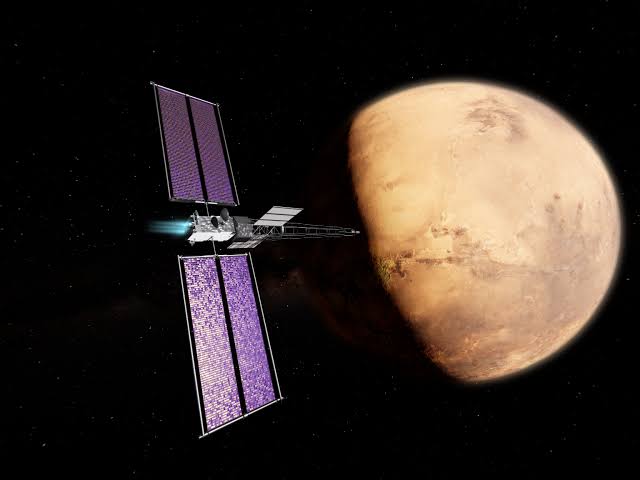
The SR-1 Freedom mission, first announced by NASA at the Ignition event in March, is a technology demonstration intended to show how fission power can support interplanetary deep-space travel. The mission’s total cost is reported as $2 billion, and it is expected to launch in late 2028. In addition to the nuclear-electric propulsion demonstration, SR-1 will carry a trio of SkyFall helicopters to Mars to perform advance reconnaissance in preparation for future crewed missions.
According to TRL11’s press release, the imaging packages will not only take pictures but will include onboard processing and storage so that high-resolution imagery can be prioritized and returned to Earth efficiently. The company highlighted that this will be “the first time a camera we built travels to another planet and captures images of it,” a statement attributed to TRL11 CEO Nicolaas Verheem in the announcement.
Nasa is also evaluating additional TRL11 products for SR-1, including the VIPLink communications system, VIP1st software intended to prioritize image downloads, and Commander software for spacecraft imaging management. TRL11’s role therefore extends from raw image capture to onboard decision-making software intended to optimize which data are sent across the deep interplanetary link.
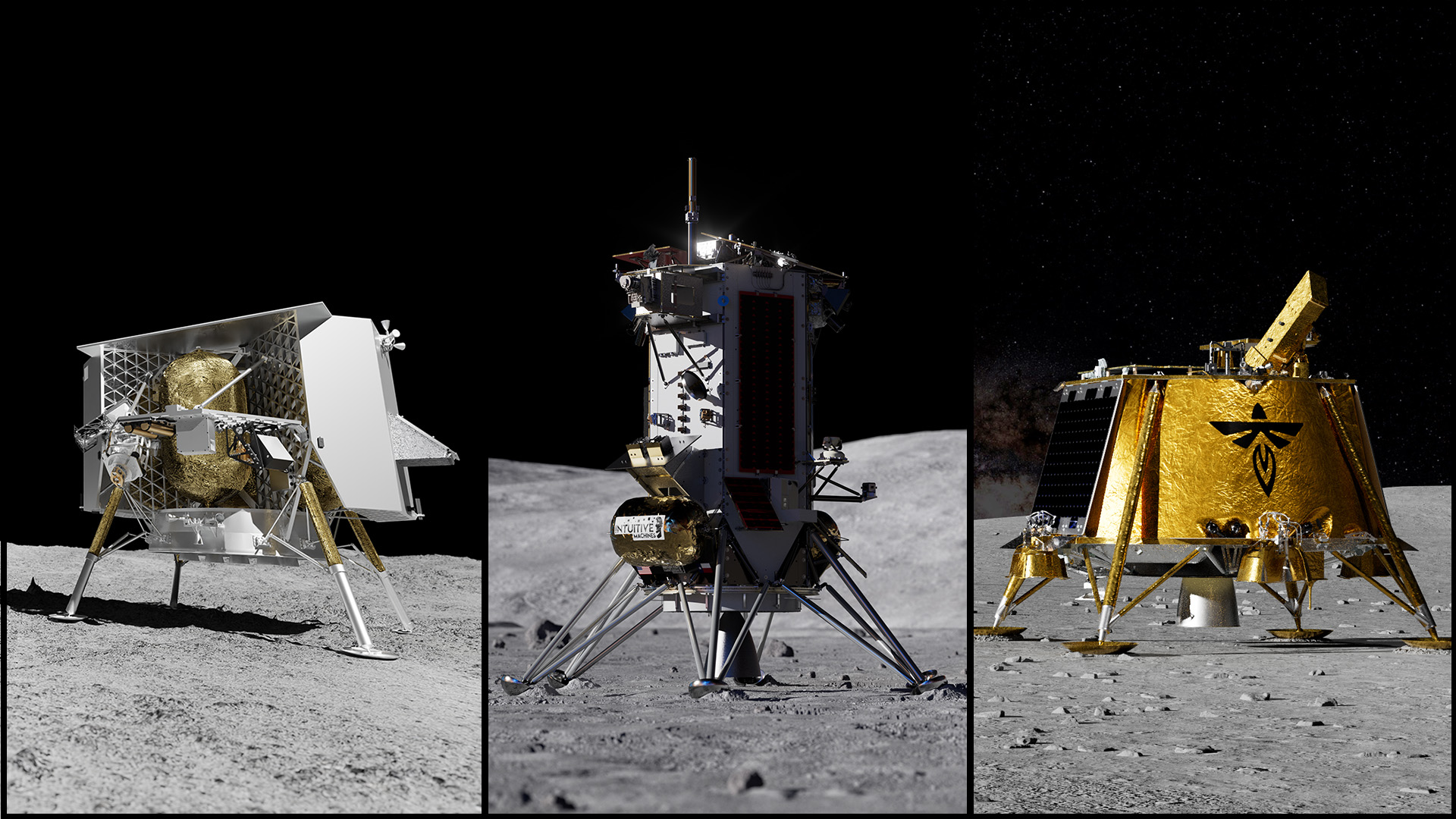
TRL11 is one of several commercial partners on the SR-1 Freedom program. AeroVironment is co-designing and co-manufacturing the SkyFall helicopters in partnership with NASA’s Jet Propulsion Laboratory (JPL). Firefly Aerospace was awarded a $13 million contract to build the landing aeroshell for SkyFall, ensuring the helicopter payload survives atmospheric entry and landing. The SR-1 mission thus integrates multiple commercial suppliers for flight hardware, lander components, and payload systems.
The inclusion of cameras with onboard edge computing reflects growing emphasis across recent missions on processing data near the source to reduce demands on limited downlink bandwidth. For SR-1 the functionality is particularly relevant: the mission must capture and preserve imagery of critical events such as SkyFall deployment and perform selection and prioritization before transmitting the most important frames back to Earth.
SR-1’s use of a fission reactor to power an interplanetary spacecraft is a notable step for NASA’s longer-term plans for deep-space logistics. The mission is explicitly a demonstration of nuclear technology in an interplanetary context and of how that power can be used to enable extended mission capabilities—such as carrying and supporting aerial scouts like the SkyFall helicopters, which are intended to perform advance work for potential future crewed operations on Mars.
Operational and program costs reported in public briefings place SR-1’s price tag at roughly $2 billion; some reporting indicates NASA’s estimate at $2.1 billion when different accounting or component costs are included. The SR-1 schedule targets a late-2028 launch, with partners across industry supplying key elements: imaging and onboard software from TRL11, helicopters from AeroVironment with JPL, and the aeroshell from Firefly Aerospace under a $13 million award.
Marking TRL11’s first flight to another planet is also a milestone for that company’s commercial trajectory. The firm’s statement framed the contract in terms of firsts for its hardware and emphasized the potential to expand its role on SR-1 through additional communications and management software. The contract places TRL11 squarely in a mission that combines new power and propulsion approaches with novel aerial payloads and demonstrates a continuing shift toward modular commercial partnerships on ambitious NASA technology programs.
Looking ahead, SR-1 will test both hardware and operational concepts that could inform future Mars mission architectures. If the imaging and edge-processing systems perform as intended, they may become a template for how high-value event imagery is captured and managed on long-duration interplanetary missions where bandwidth and delay create constraints. The mission’s integration of a nuclear power source, aerial scouts, and distributed commercial suppliers makes SR-1 an instructive case in how NASA and industry are combining to mature technologies for deeper human and robotic activity in the inner solar system.
All program details, contract values, and quotations used in this report are from TRL11’s press release and related NASA public announcements dated 22 September 2026.