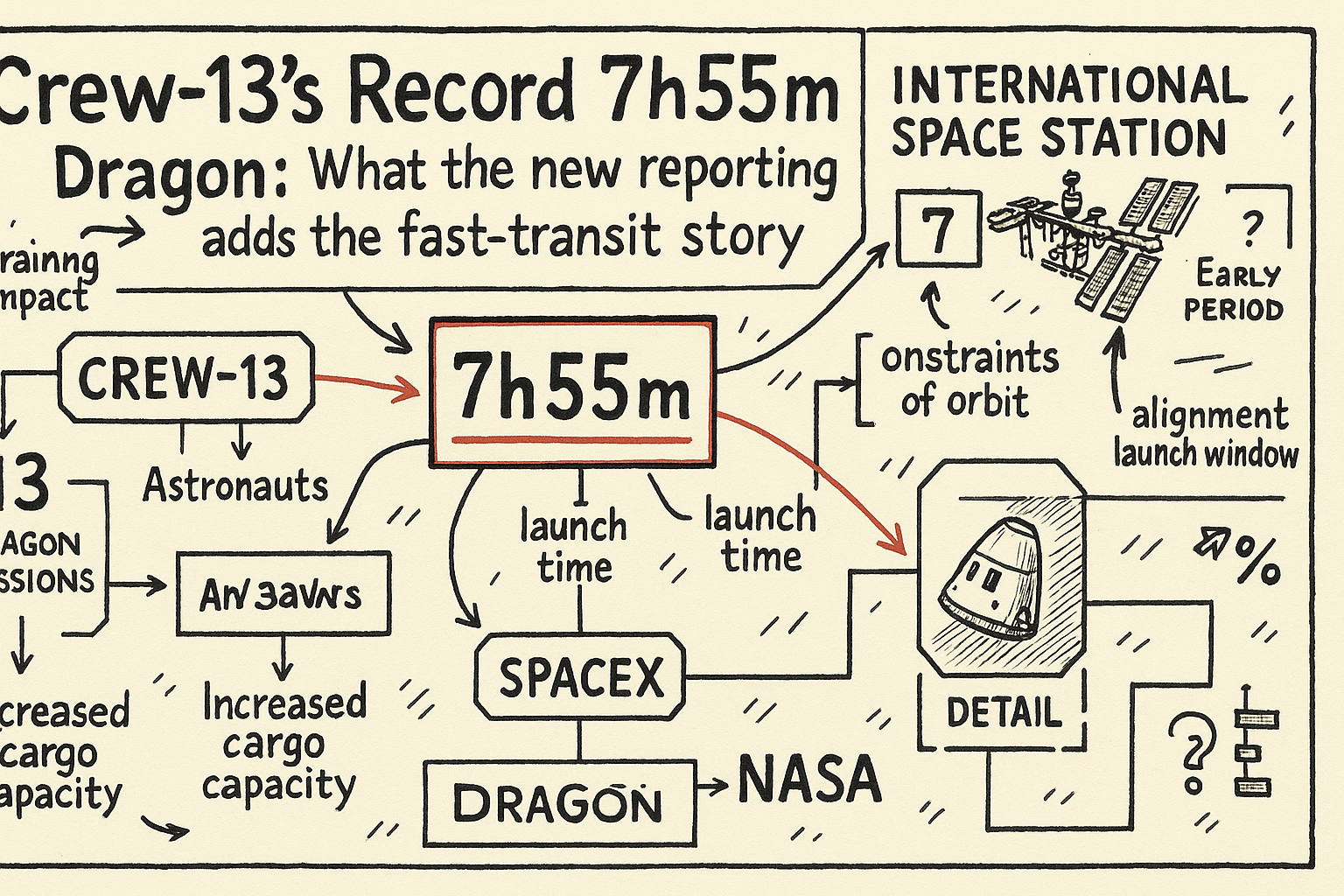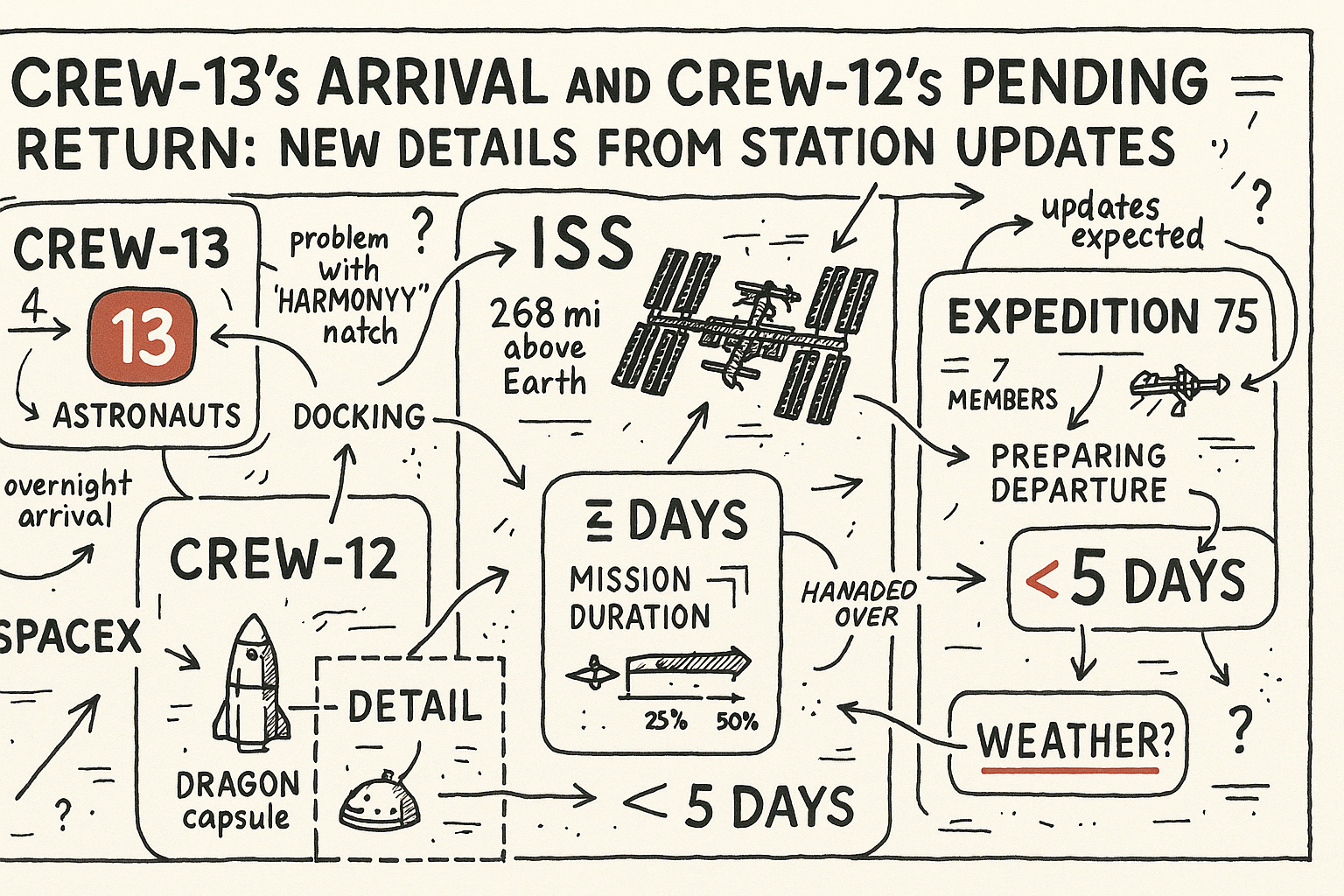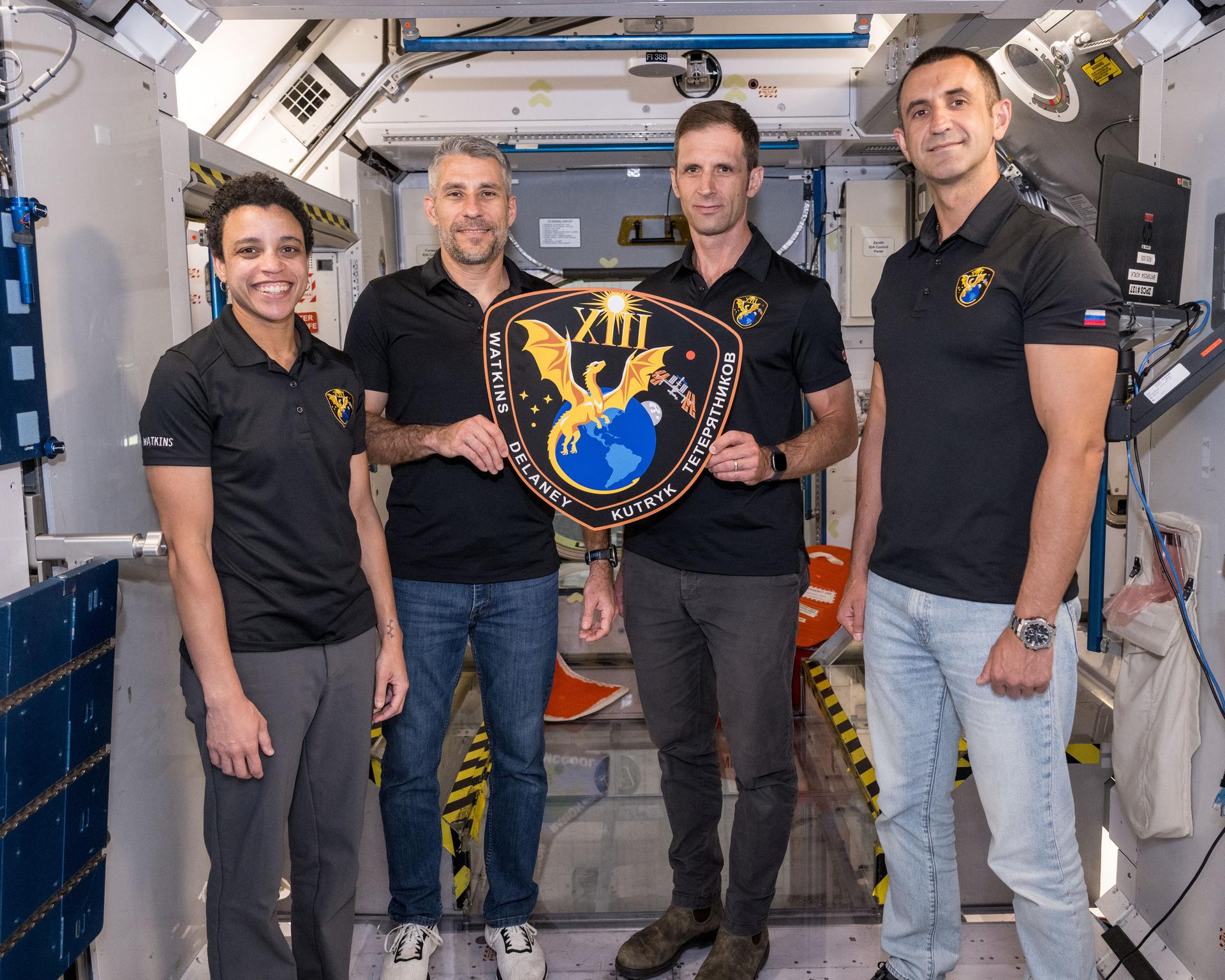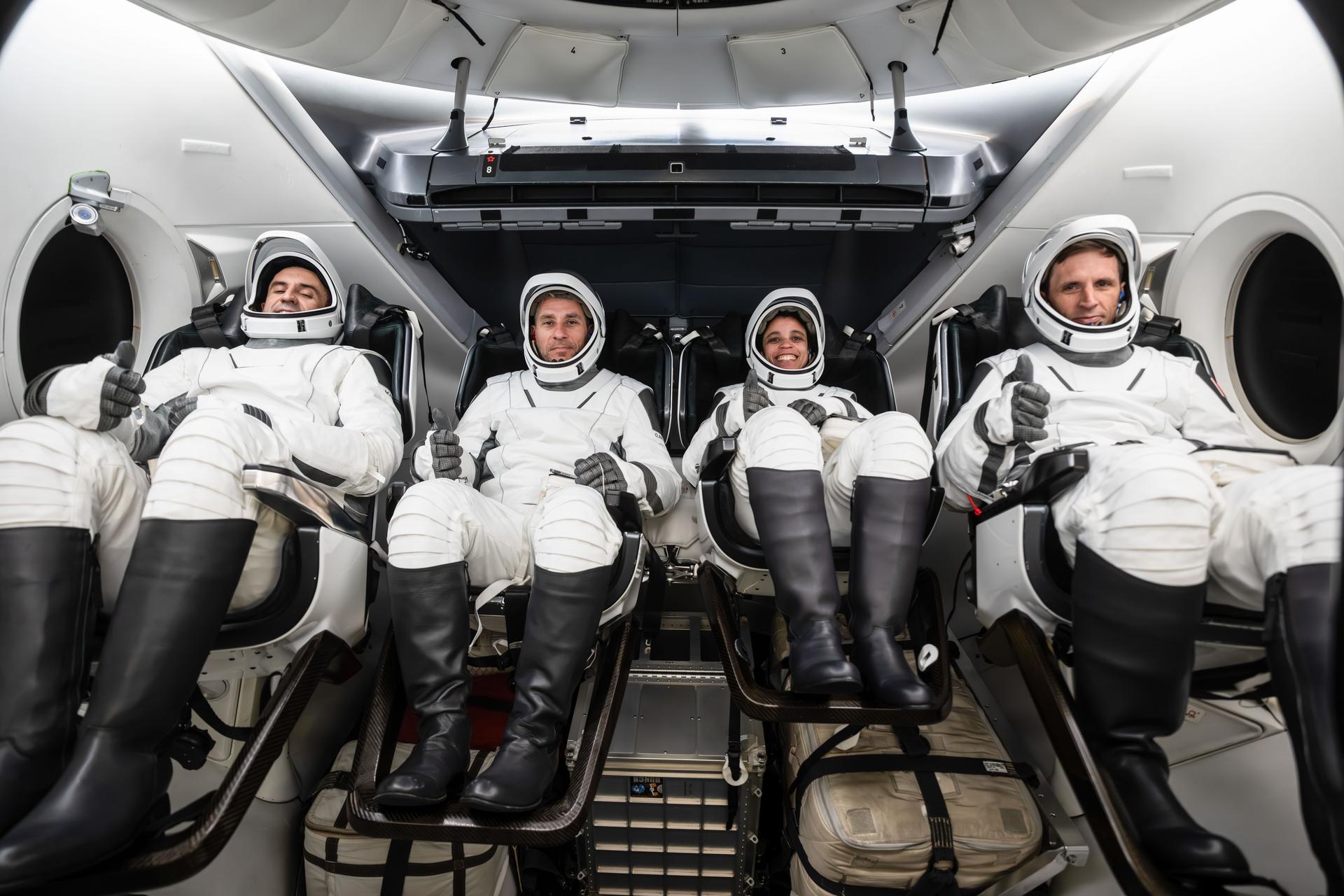
NASA’s Expedition 75 reached a new operational tempo in early October as the SpaceX Crew‑13 mission arrived at the International Space Station, briefly expanding the station population to 11. The Dragon spacecraft completed a record‑fast orbital transit — a flight of about 7 hours and 55 minutes from Florida — and the four newcomers were welcomed aboard, initiating a short period of packing, stowage transfers and handover activities with the departing Crew‑12 members.
The overlapping crew presence allowed Expedition 75 to accelerate priority biomedical research already highlighted in the mission plan. Crewmembers carried out advanced health investigations that included ultrasound scans aided by augmented‑reality and artificial‑intelligence tools, blood and saliva sample collection to probe immune system changes in microgravity, and evaluations of specialized suits and exercise hardware intended to ease post‑flight reconditioning. Those efforts aim to refine countermeasures for long‑duration missions and to validate tools for routine clinical monitoring on orbit.
Logistics and cargo operations were a central focus during the swap. With two Dragon vehicles docked to the Harmony module, astronauts and cosmonauts coordinated packing and unpacking of research payloads, return cargo and vehicle equipment. That activity supports a smooth turnover of science campaigns and prepares the outgoing Crew‑12 Dragon for undocking and return to Earth, while ensuring critical experiments and samples are preserved for analysis on the ground.
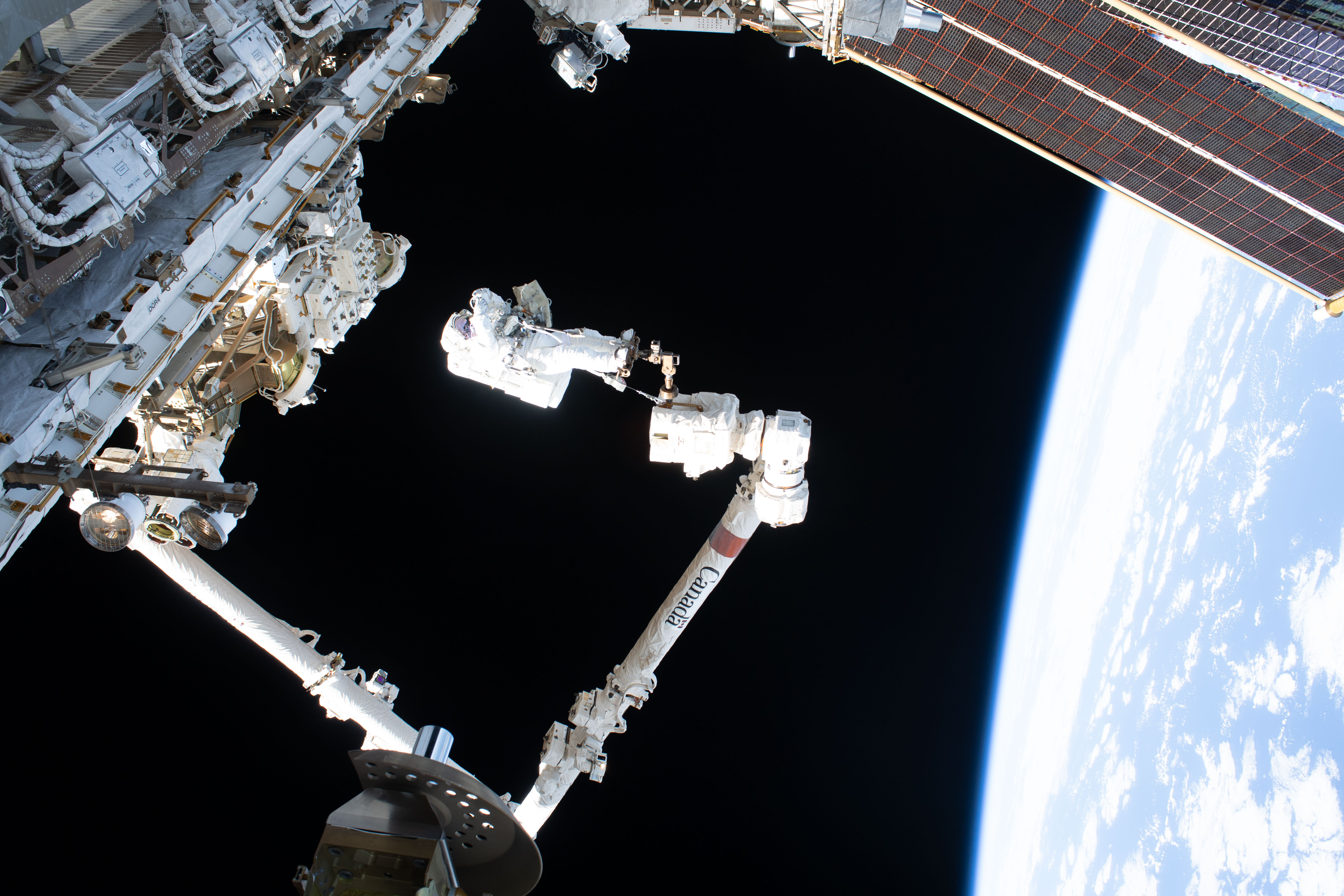
Alongside science and cargo work, Expedition 75 continued spacesuit checks and maintenance in preparation for upcoming spacewalks. As the station transitions between science campaigns and extravehicular activity, the temporary surge in crewmembers provided extra hands for suit checks, hardware swaps and briefings, helping maintain schedule flexibility. NASA’s staggered arrival and departure approach demonstrates the station program’s reliance on tightly choreographed crew exchanges to sustain continuous research and station operations.