NASA publishes Artemis II’s near‑terabyte science trove and preliminary lunar reports
NASA on Friday released roughly 800–814 gigabytes of scientific data from the Artemis II mission, together with three preliminary reports summarising what the crew observed during their April 2026 flight around the Moon. The public archive — hosted through NASA’s Planetary Data System and an Artemis II science page — includes 11,000 full‑resolution images and videos, 8.5 hours of spoken observations, hand‑annotated photographs and drawings made by the astronauts, notes, transcripts and other raw files gathered during the 9 days, 1 hour and 32 minutes that the Orion crew spent in space.
The dataset, described by Wired as about 800 GB and by Scientific American and Universe Today with comparable figures, is the largest human‑collected set of lunar science returned since the Apollo era and is being released so the broader science community can analyse it. NASA also published three documents to help researchers: the Artemis II Preliminary Lunar Science Report, the Artemis II Lunar Science Operations Report, and the Artemis II Lunar Science Data User Guide.
The material pairs high‑resolution imagery with astronaut commentary and annotations. Universe Today highlights that the crew’s photographs, spoken observations, drawings and annotations together form a unique scientific record. That record includes striking Earth observations taken from lunar distance: an April 2, 2026 photograph captured active weather systems, both polar auroras, atmospheric layering, a Saharan dust plume, zodiacal light and city lights — with illumination coming from Moonshine rather than direct sunlight. Mission specialist Christina Koch is quoted in the Preliminary Lunar Science Report saying, “I feel like right now the Moon is a light sponge and the Earth is a light mirror,” describing the electric blue appearance of Earth when viewed under lunar illumination.
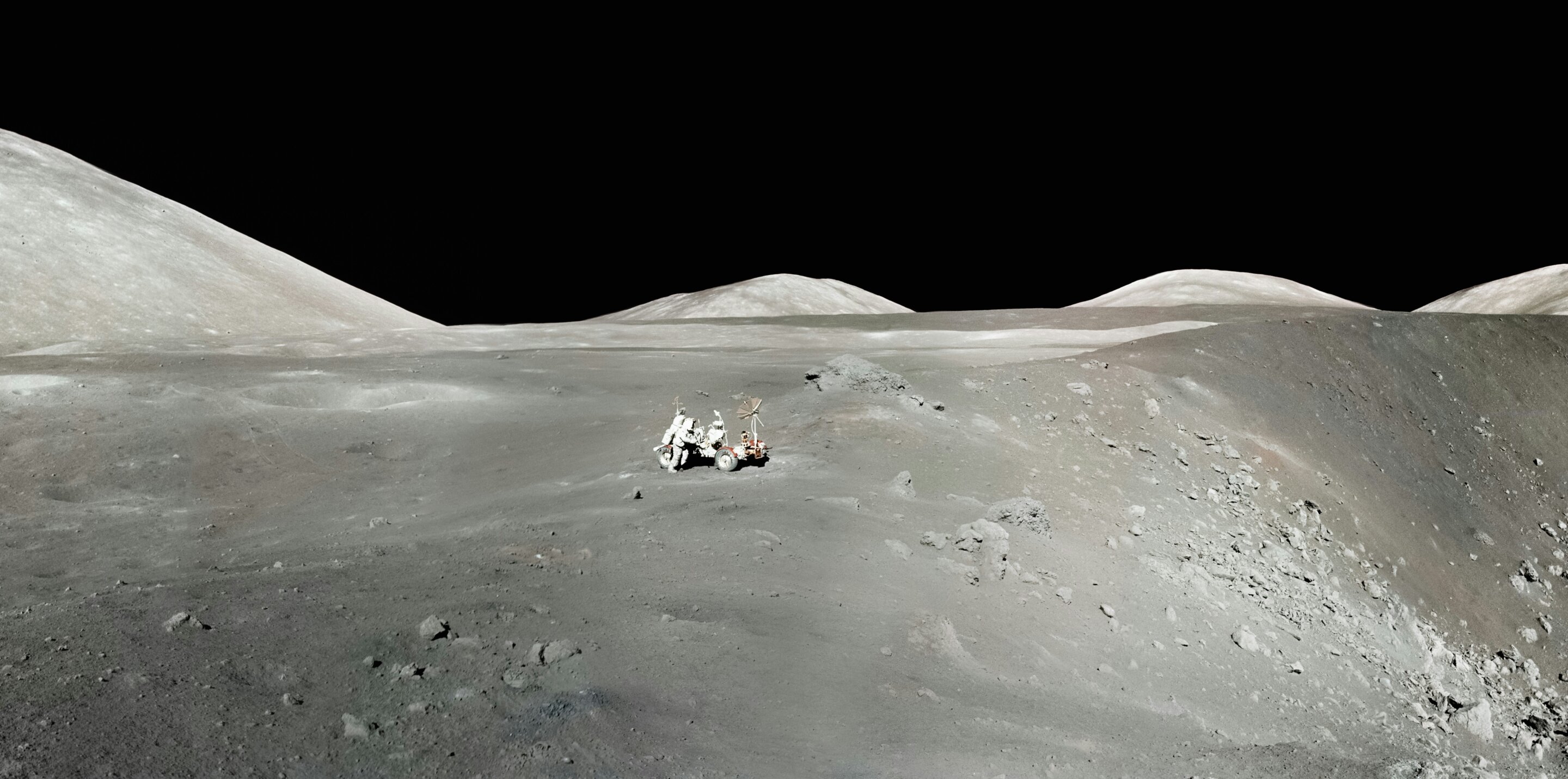
Artemis II’s crew also documented the Moon itself with high spatial and visual fidelity. Scientific American reports the mission returned images of unexpectedly colorful craters and surface textures across the lunar farside, collected with the limited science payload aboard Orion and a collection of handheld digital cameras. The imagery is directly relevant to near‑term planning: Marie Henderson, Artemis II’s deputy lunar science lead, said the findings will “help shape future Artemis mission architectures,” including assessments of potential landing sites and safety for proposed lunar outposts.
One of the clearest, immediate scientific results reported across the outlets was the detection of five distinct flashes on the lunar surface during a 54‑minute period when Orion was in eclipse behind the Moon. Wired and Scientific American both report that these flashes likely represent small meteoroid impacts in shadowed regions, each occurring at different locations; recording such events will improve estimates of the flux of centimeter‑scale impactors on the Moon — a key input for assessing risks to habitats, vehicles and astronauts on future surface missions.
The audio and annotated imagery in the release are intended to make the dataset accessible to non‑specialists as well as researchers. Wired notes that mission transcripts and astronaut annotations may be among the most immediately accessible materials for enthusiasts, while Scientific American emphasises the material’s operational value for the Artemis programme’s longer‑term goal of establishing a small base near the lunar south pole.
NASA has centralised the files in the Planetary Data System’s lunar node; the Artemis II science page provides curated selections, and the PDS holds the full scientific files and metadata for direct download and analysis. Universe Today points readers to the field guide “Artemis II: Sights & Sounds of Science,” which accompanies the Preliminary Lunar Science Report and aggregates the crew’s annotated media and observations for study by the community and the public.
Beyond immediate geology and impact‑flux measurements, the dataset contains material useful to heliophysicists and telecommunications engineers: observations of eclipses and lunar occultations, photography of Earth–Moon lighting conditions, and recordings of the spacecraft’s passage behind the Moon that could inform future communications strategies for farside operations. Scientific American also notes that, despite the mission’s short lunar encounter, the breadth of archived material will inform choices about where to place instruments and habitats on future missions.
NovΔ mAInd's launch database: SLS Block 1 | Artemis II — scheduled 2026-04-09, it flew successfully, orbit Crewed Spacecraft, operator NASA.
The NASA release is an open invitation: with 11,000 high‑resolution images, hours of astronaut commentary and near‑terabyte archives, researchers can now quantify surface color, roughness, shadow behaviour and small‑impact frequency across swaths of the lunar farside seen by Artemis II. The dataset’s operational and scientific value will be judged over months and years as teams mine the files for quantitative measurements and mission planners fold those findings into the architecture for future Artemis surface missions and the proposed lunar base near the south pole.
All three preliminary reports and the full dataset are available now through NASA’s Planetary Data System and the Artemis II science webpage.