Vast launches Lunar Programs division to support NASA Moon Base with power, habitats and comms
Vast announced on 23 September 2026 that it has created a Lunar Programs division to develop surface infrastructure and crewed habitats intended to support NASA’s Moon Base ambitions and a growing lunar economy. The company says it will apply manufacturing, flight heritage and engineering experience from its Haven program to a phased approach for delivering lunar systems, with the stated goal of enabling reliable surface access, initial base operations and, ultimately, an enduring crewed presence.
The new internal organization will pursue three development phases. Phase 1 focuses on establishing reliable access to the surface by deploying foundational infrastructure and conducting technology demonstrations to reduce risk for future systems. Phase 2 aims to build initial Moon Base operations and crewed systems by introducing permanent surface elements to validate critical habitation technologies. Phase 3 targets long‑duration operations by deploying infrastructure capable of supporting an enduring crewed presence on the Moon.
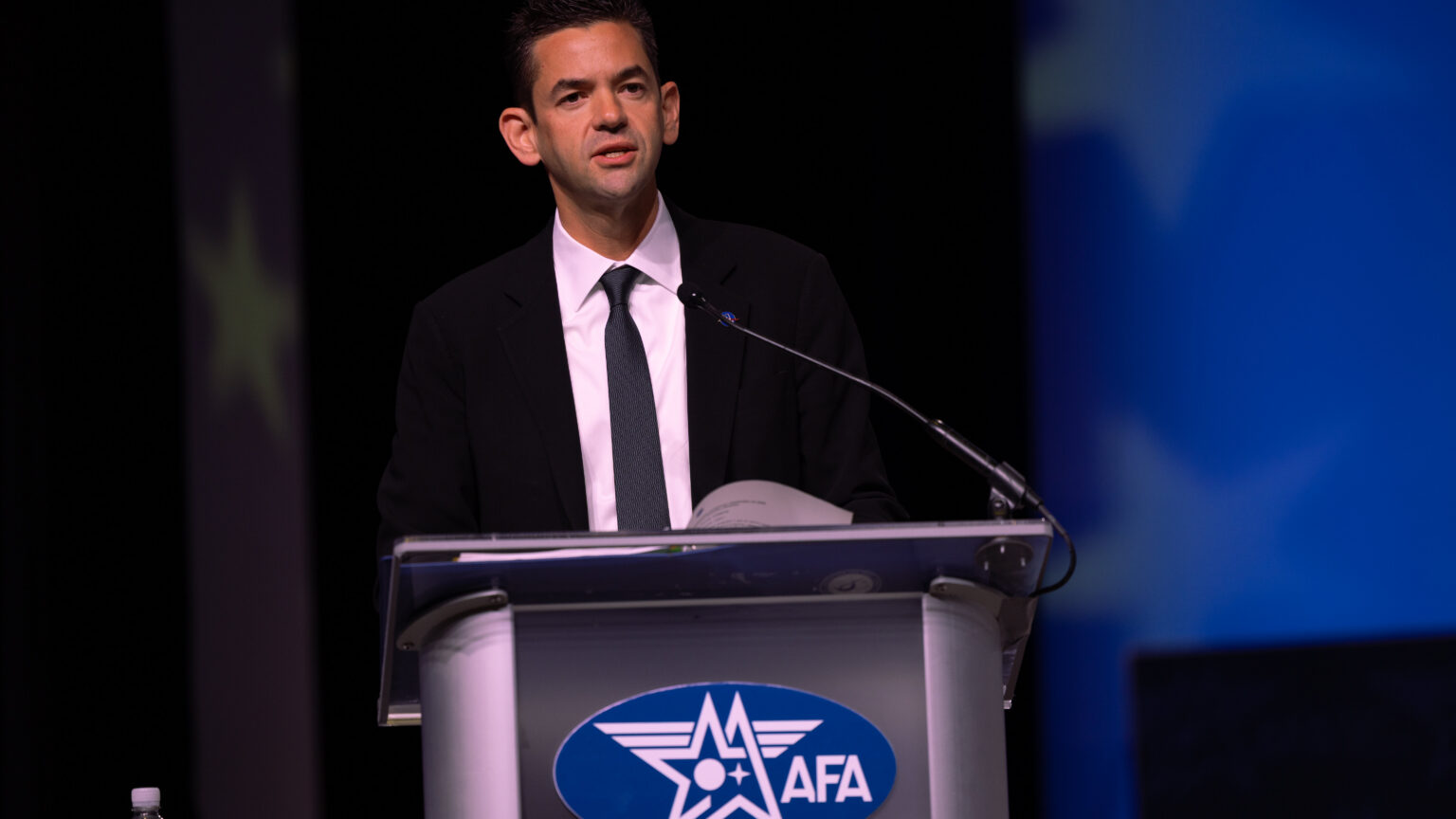
Vast’s announcement ties its lunar ambitions directly to technologies it is already developing for its commercial space station line. The company explicitly cites systems from Haven — its modular station program — as scalable to lunar use and says continuous upgrades to Haven modules will likewise benefit lunar habitats. The company’s chief executive, Max Haot, is quoted in the announcement saying, "Vast has the manufacturing capability, flight heritage, and technical expertise needed to help build humanity’s first lunar outpost," and that vertical integration of engineering, manufacturing and testing will enable speed, efficiency and safety for what the company calls a "national imperative."
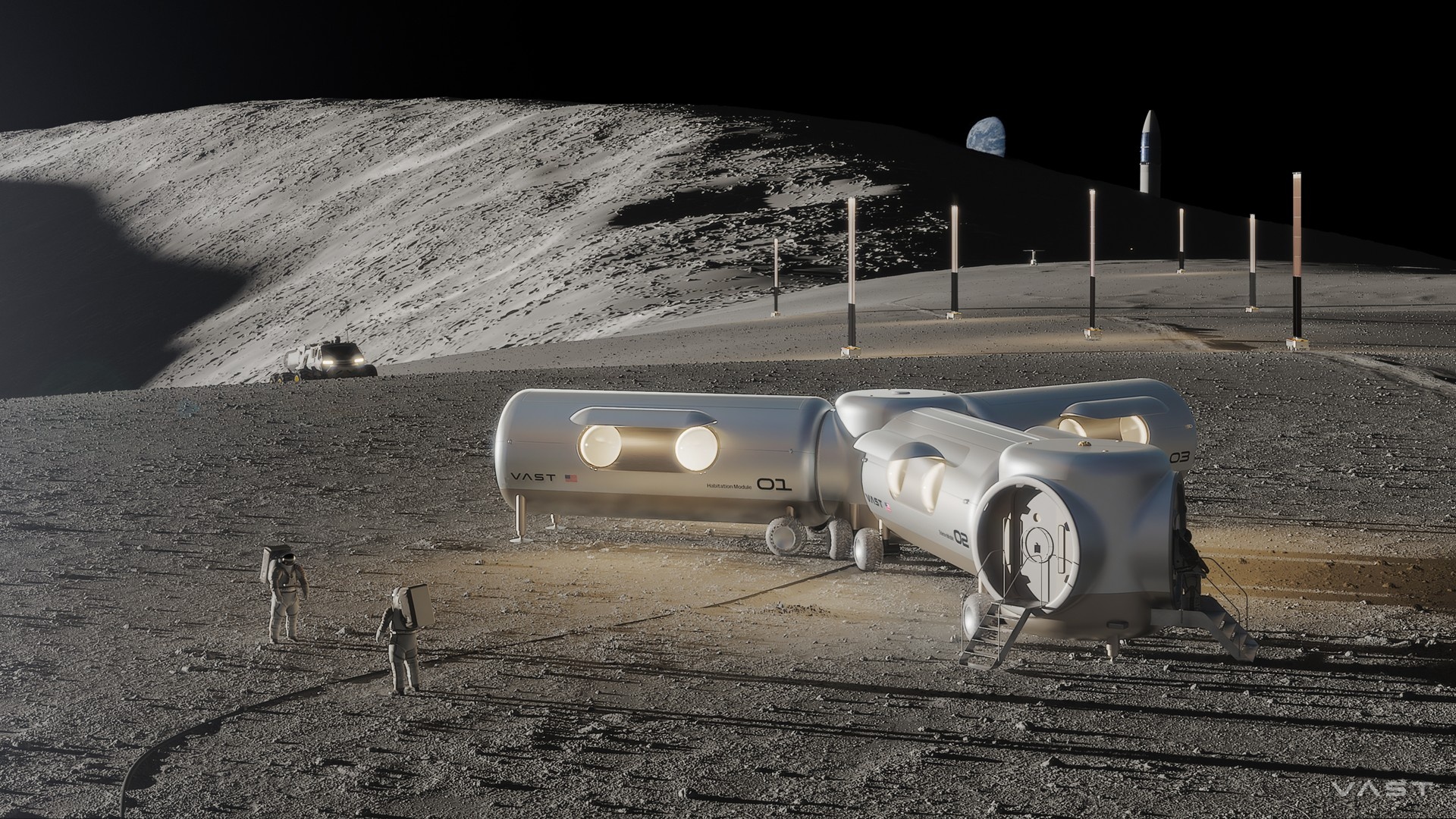
Three headline systems are described in the company materials and reporting: a Vast Power Station, a Haven‑derived lunar airlock, and a multi‑module lunar habitat. The Vast Power Station is conceived as a node for solar generation, energy storage and power distribution to support subsequent lunar activities. The Haven‑derived lunar airlock is presented as a freestanding unit designed to address near‑term lunar surface challenges such as ingress and dust mitigation, pressure‑vessel reliability, compatibility with extravehicular suits, efficient pumping operations and techniques for surface placement. The multi‑module lunar habitat will integrate life support, thermal control, avionics, communications and consumables for long‑duration crewed operations.
Vast also plans a proposed communications and positioning constellation to provide continuous coverage of the lunar south pole, to complement NASA’s planned Lunar Communications Relay and Navigation Systems network, and to reduce reliance on constrained shared ground assets such as the Deep Space Network. The company says its lunar comms vision could scale with activity by adding orbital planes in the future and improve space situational awareness for surface and orbital operations.
Italian outlet AstroSpace adds background on Vast’s current flight program: the company’s first full Haven station, Haven‑1, is scheduled for launch in early 2027. AstroSpace also summarizes earlier flight testing performed by a smaller satellite, Haven Demo, which it reports orbited Earth from 2 November 2025 to 4 February 2026. That demonstrator, reported to have a mass of 552 kg, was used to test propulsion and attitude control systems, solar arrays and communications antennas — elements the company intends to leverage for future stations and, now, lunar systems.
Both English and Italian reporting emphasize that Vast will follow an iterative, phased development path to reduce risk while scaling capability. The division’s stated objectives include supporting NASA’s Moon Base while contributing technologies to a broader lunar economy; AstroSpace explicitly frames the division as aimed at supplying both habitat hardware and a wider infrastructure set required for surface operations.
Placing this news in NovΔ mAInd’s launch database context: Vast — 0 launches tracked. This note reflects our launch tracker record and should be read as an inventory statement rather than an assessment of outcomes; Haven‑1 is scheduled for early 2027 per company reporting but is not recorded as a completed launch in the database.
Contextually, Vast’s announcement arrives amid increasing commercial activity aimed at the lunar south pole and growing demand from NASA for commercial partners and services to enable Artemis‑era surface operations. Other commercial players are expanding complementary capabilities — for example, small rover developers and communications suppliers are presenting mobility and deep‑space comms offerings — creating a market environment in which an integrated supplier of habitats, power and comms could play a consolidating role.
Looking ahead, the success of Vast’s Lunar Programs division will depend on several factors recorded in the company materials and industry coverage: timely development and testing of scaled hardware from Haven, integration with NASA’s relay and navigation plans, and the ability to demonstrate reliability of life‑support and dust‑mitigation systems on the lunar surface. The phased approach the company describes is designed to manage those technical risks, but the timeline will also hinge on launch availability, regulatory approvals and the evolving needs of NASA and other prospective customers in the lunar economy.
For now, Vast’s announcement formalizes an internal commitment to supplying multiple classes of lunar infrastructure and ties that commitment to tangible technology paths being exercised under its Haven program. Whether the company can translate orbital station experience and a 552 kg demonstrator into operational lunar systems will be a key development to watch as Haven‑1’s launch window approaches in early 2027 and as NASA continues to solicit commercial partners for Moon Base technologies.