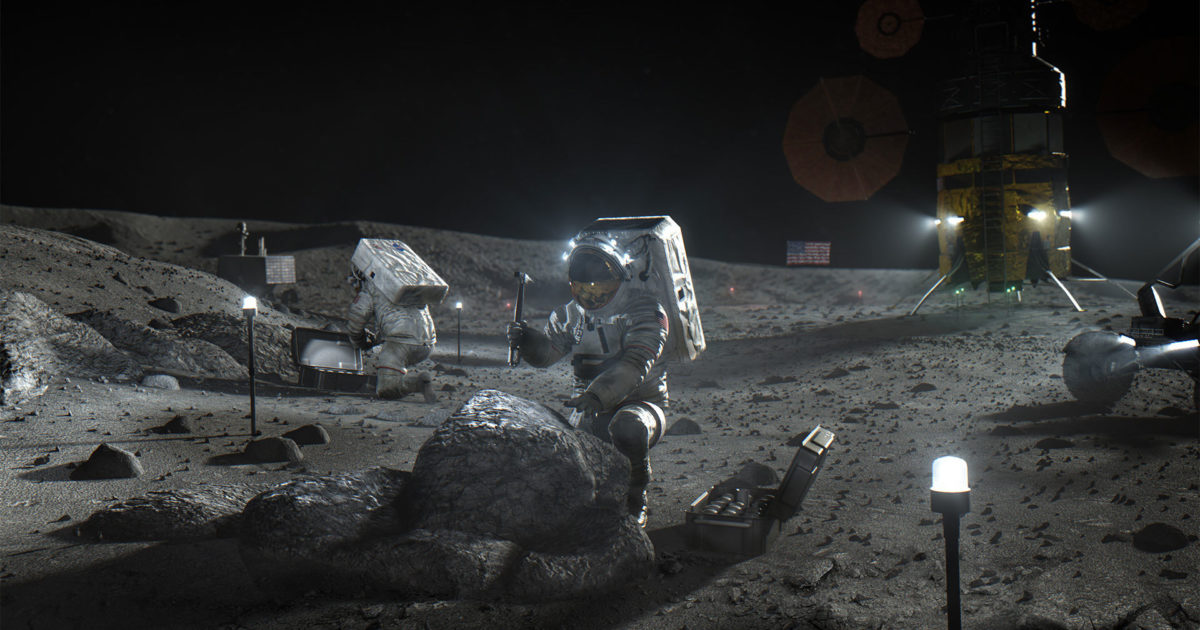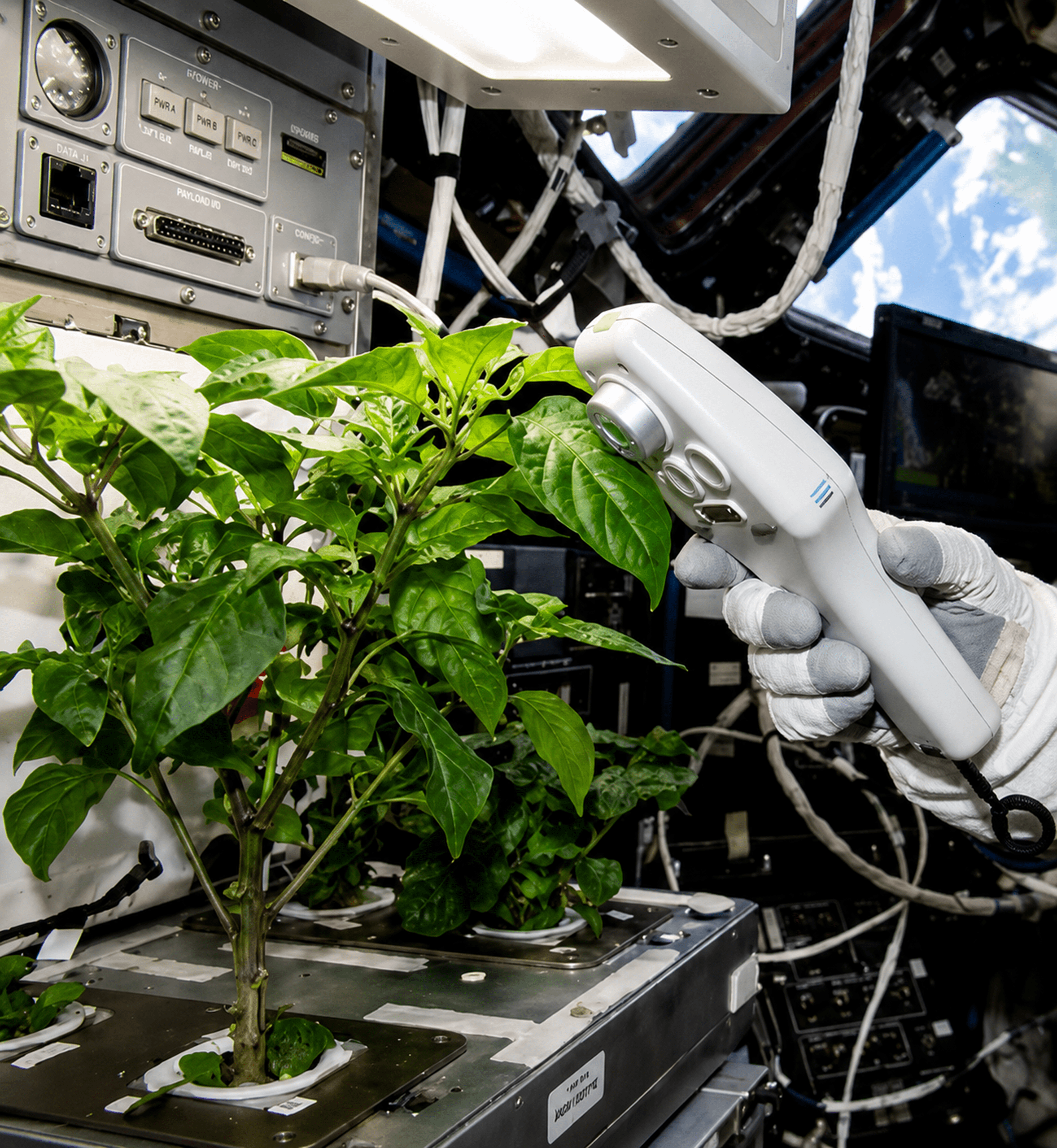
In the not-so-distant future, the moon might become more than just a distant celestial body that captures our imagination. As NASA plans to establish a moon base by 2028, one of the key challenges is ensuring a sustainable food supply for astronauts. The International Space Station has already been a testing ground for growing plants in microgravity, but cultivating crops on the lunar surface presents its own unique challenges. A few pioneering companies are now working on the technology to make off-world agriculture a reality.
NASA has recently ramped up its efforts to develop space agriculture systems. The agency solicited Small Business Innovation Research (SBIR) proposals to advance plant-growth technologies, demonstrating a commitment to integrate these innovations into future lunar and possibly Martian missions. This initiative opens up lucrative opportunities for private companies, which could see significant revenue growth if space agriculture becomes an integral part of the commercial space industry.
Among the companies at the forefront of this effort is SafetySpect, which is developing a handheld device for real-time plant health monitoring in space. The technology aims to detect plant stress early, thereby preventing growth hindrances and ensuring a stable food supply for lunar inhabitants. Fartash Vasefi, co-founder and chief technology officer of SafetySpect, emphasizes the potential market for autonomous controlled-environment agriculture and its importance in the broader context of commercial space infrastructure.
Developing a sustainable agricultural system on the moon involves more than just monitoring plant health. The environment itself is inhospitable to traditional farming methods. Thus, the challenge lies in creating a controlled setting that mimics Earth’s conditions as closely as possible. Companies are exploring modular plant pods and refining larger greenhouse designs tailored for the lunar environment. These innovations will be critical for cultivating crops that are essential for a balanced diet, even as simple as a salad.
The potential for space agriculture extends beyond the moon. As NASA and other space agencies set their sights on Mars, the technologies developed for lunar agriculture could serve as prototypes for Martian missions. The multidisciplinary teams working on these projects are not only paving the way for future space exploration but are also contributing to sustainable agricultural practices that could benefit Earth.
One of the broader implications of developing lunar agriculture is the potential for these technologies to inform agricultural practices on Earth. As climate change and population growth challenge food security globally, the innovations required to grow food in space could lead to more efficient and sustainable farming techniques here at home.
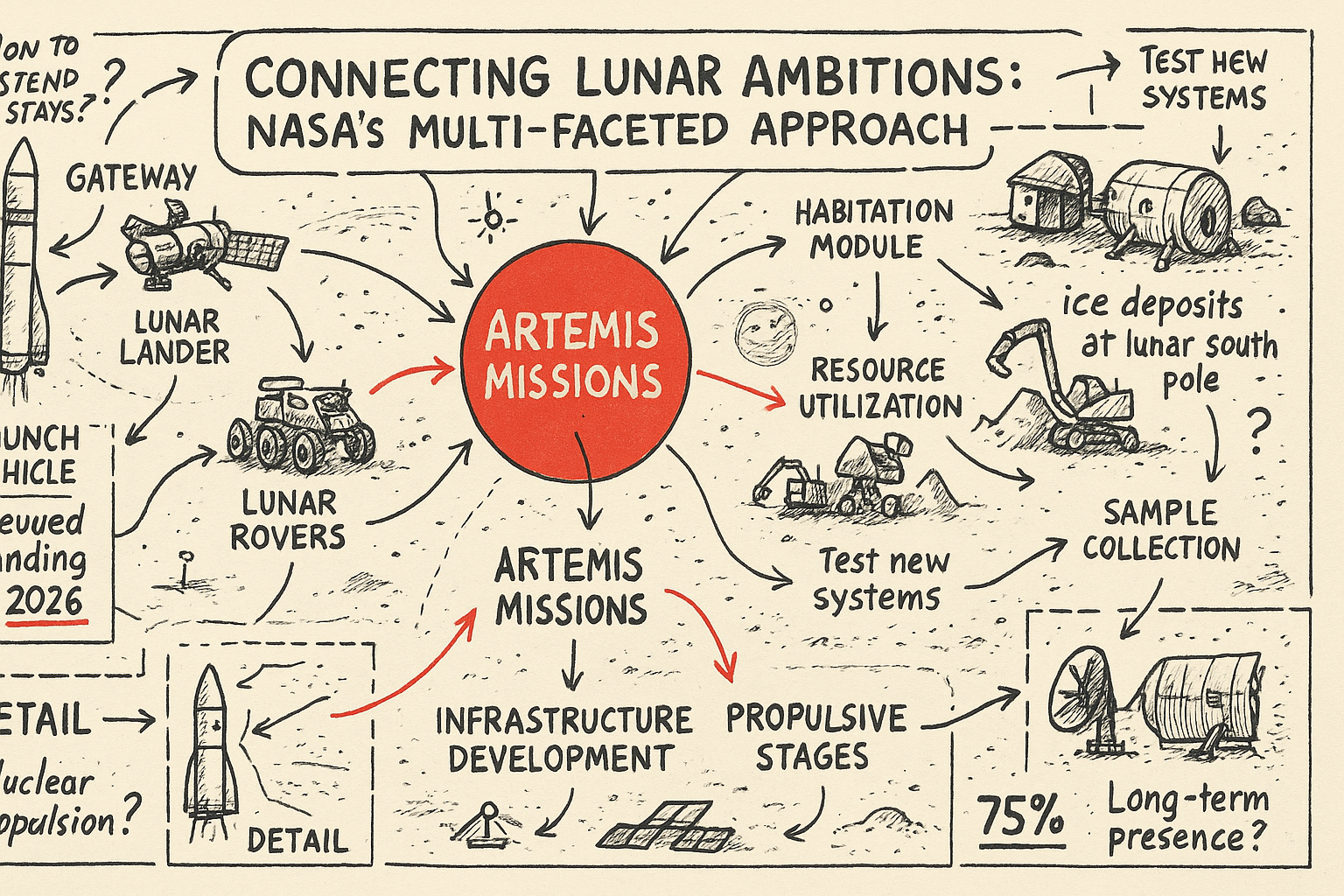
Moreover, NASA's commitment to lunar infrastructure, as seen with collaborations like the one between the Seattle-based startup Interlune and Vermeer, an Iowa-based equipment company, shows a holistic approach to building a sustained human presence on the moon. Such partnerships are crucial for developing the necessary tools and technologies for lunar habitation, including agriculture.
As we look to the future, the integration of space agriculture into the broader lunar mission plans underscores the importance of sustainable practices in space exploration. The development of these technologies represents a significant step toward making long-term space habitation a reality, enabling not just survival but potentially thriving communities on the moon and beyond.