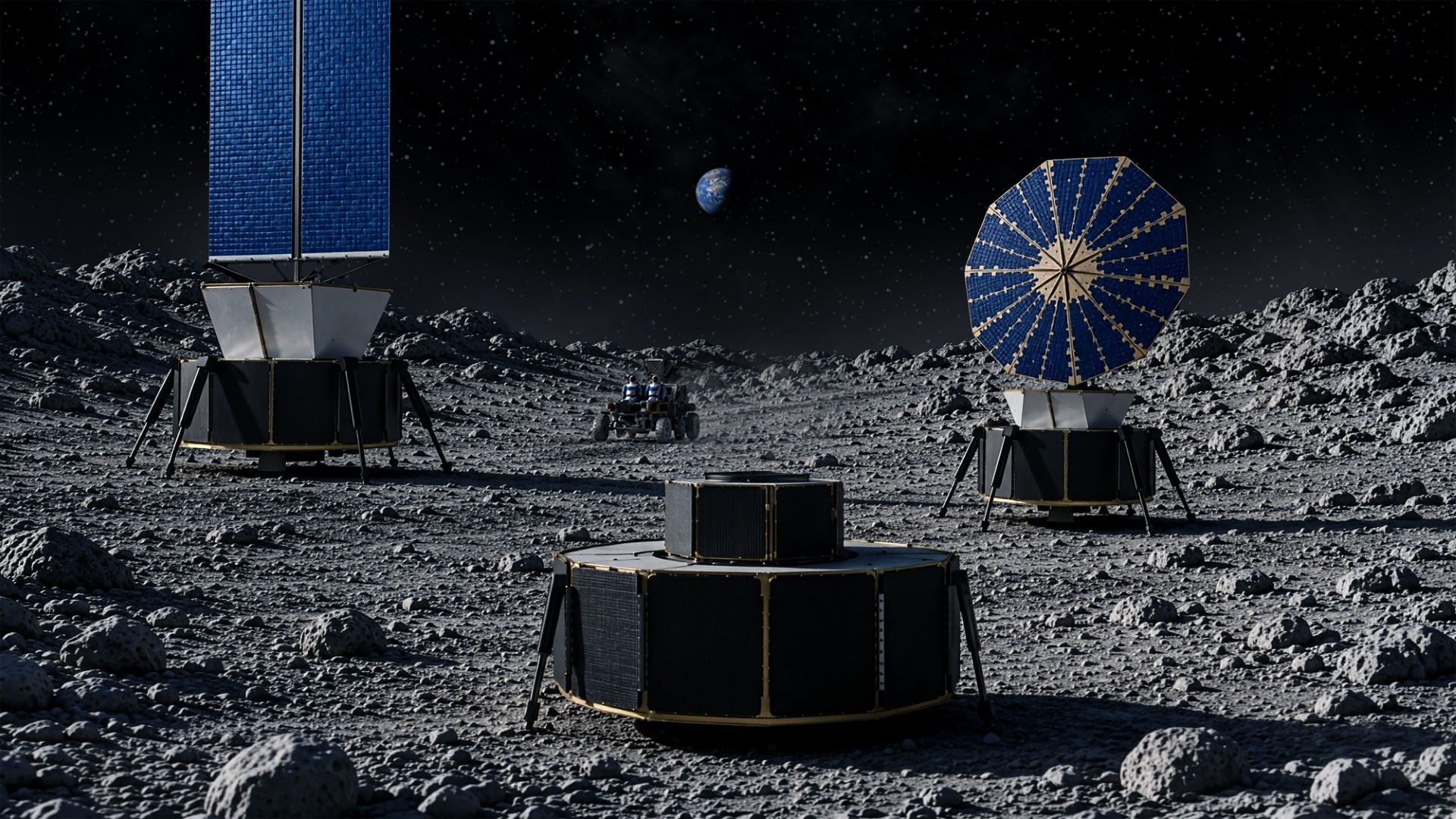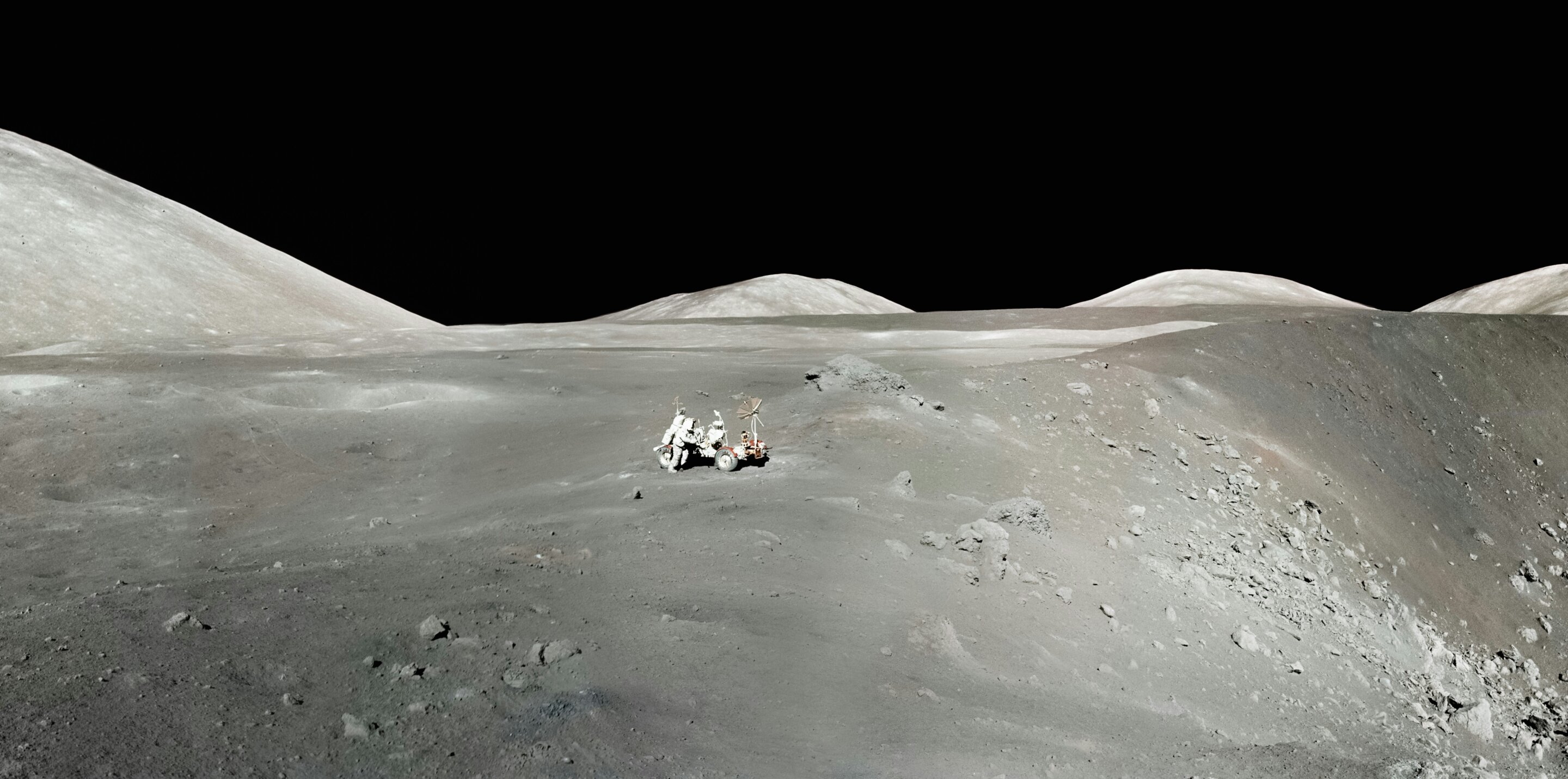
NASA has unveiled a strategic plan that marks a significant step towards establishing a lunar base by 2029. On Tuesday, the agency announced contracts with three U.S. companies to embark on uncrewed missions to the moon. These missions will deliver crucial cargo, including scientific instruments, to the lunar surface. The announcement is part of NASA's broader vision to use robotic vehicles to construct the necessary infrastructure for future human explorers.
The total contract value for these missions is approximately $600 million. This initiative supplements other projects announced earlier in May, illustrating NASA's commitment to advancing its lunar ambitions despite recent setbacks. A notable challenge arose this spring with the explosion of the New Glenn rocket, developed by Blue Origin, a company owned by tech billionaire Jeff Bezos. Although this incident poses potential delays, NASA remains optimistic about its lunar program.
Carlos Garcia-Galan, NASA's program manager for the moon base, emphasized the agency's collaboration with Blue Origin to assess recovery timelines. He also highlighted NASA's contingency planning, stating, "We're working with Blue Origin very closely to understand their timelines to recovery and also looking at other options in case it doesn't meet our timeline." Such strategic planning underscores NASA's resilience and adaptability in the face of technological challenges.
NASA's lunar strategy has undergone a notable shift from its previous focus on the Gateway lunar orbital space station to a more direct approach centered on creating a base for surface operations. The agency has pledged a substantial $20 billion to this endeavor, with construction potentially commencing in 2029 near the lunar south pole. This location is particularly strategic due to the presence of water ice in the soil, a vital resource for sustaining future missions.
The moon base project is part of a larger geopolitical context, as it positions NASA in a competitive stance with China, which also has aspirations to establish a human presence on the moon. While several aspects of NASA's plan remain undefined, key elements have been rolled out. These include the deployment of lunar landers, rovers, and drones designed to survey the terrain and build essential infrastructure, such as a power grid and pressurized habitats.
In an innovative twist, NASA is considering the possibility of repurposing a Mars rover for the lunar missions. This approach highlights the agency's resourcefulness and commitment to meeting its ambitious timeline. The integration of such technology could prove pivotal in accelerating the development of a sustainable lunar base.
While the recent setbacks pose challenges, NASA's determination to establish a lunar base by 2029 is evident. The agency's strategic planning, investment, and technological innovation underscore its leadership in space exploration. As NASA continues to navigate these challenges and opportunities, the coming years promise to be a transformative period in the history of lunar exploration.