In a significant shift in lunar exploration strategy, NASA and Northrop Grumman are repurposing hardware from the now-pivoted Gateway lunar station project to support upcoming Lunar Infrastructure Demo (LID) missions. Announced earlier this month, these missions aim to mature technologies essential for establishing a stable human presence on the Moon, particularly around its challenging South Pole region.
The Gateway station was initially conceived as a pivotal element of NASA’s Artemis program, intended to serve as a staging point for missions to the lunar surface. However, as NASA’s focus shifted from orbit-based operations to direct surface activities, the fate of the Habitation and Logistics Outpost (HALO) module, a key component of the Gateway, came into question.
Northrop Grumman has now outlined plans to adapt the HALO technologies for three distinct LID missions. These missions are designed to test and demonstrate crucial aspects such as power generation, thermal management, autonomy, and communication systems that can endure the extreme conditions of the lunar night. Temperatures at the Moon's South Pole can vary dramatically, ranging from -334 degrees Fahrenheit to 130 degrees Fahrenheit, presenting a formidable challenge for sustained operations.
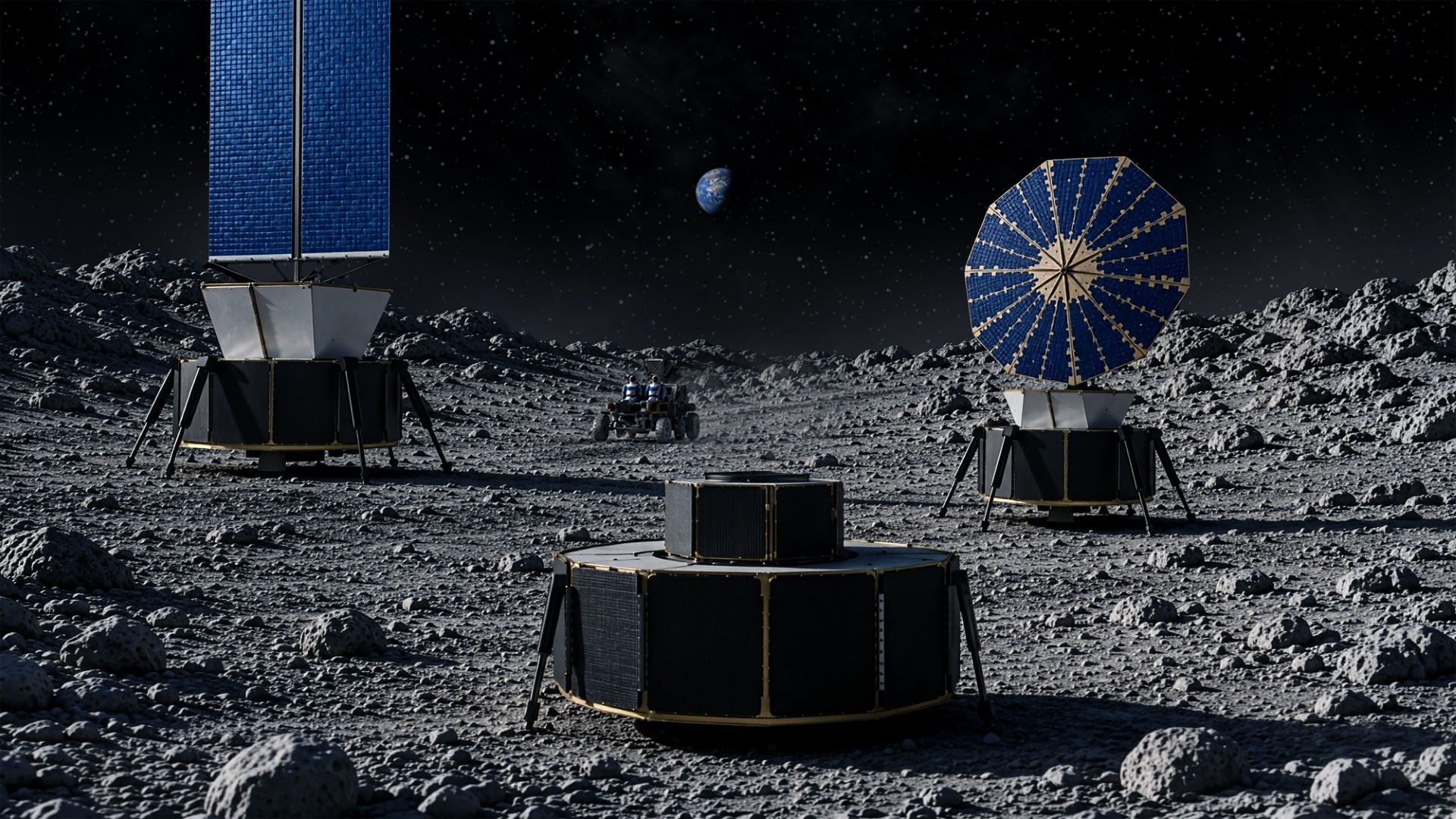
“Our ready-to-fly, reliable HALO technologies allow NASA to move faster, putting in place robust infrastructure that can endure the lunar night and establish a strong blueprint for a future Moon Base,” stated David Schiller, Northrop Grumman’s vice president of civil space and sciences. The company’s strategy involves deploying landers equipped with vertical and circular solar arrays, as well as other technology payloads, to rapidly advance lunar infrastructure capabilities.
While specific details regarding the payloads and launch timelines of these LID missions remain sparse, the initiative is part of NASA’s broader Moon Base Phase One, set to run through 2029. This phase is a crucial step in NASA’s long-term vision of establishing a permanent lunar presence, in line with the Artemis program’s goals.
The collaboration with Northrop Grumman also aligns with NASA’s ongoing partnerships with private industry to leverage commercial innovation and capabilities. As part of this strategy, NASA has been awarding significant contracts to private companies, aiming to accelerate the development of technologies necessary for lunar habitation.
Notably, the Canadian Space Agency is also involved in repurposing its Gateway-related projects for the lunar surface, although specific roles and contributions in the LID missions were not detailed in the announcements.
These efforts underscore a strategic pivot in NASA’s lunar exploration plans, focusing more on surface operations rather than orbital missions, as initially envisaged with the Gateway project. This pivot is seen as a critical step in preparing for longer-duration human missions and eventual habitation on the Moon.
While the cost of transforming the HALO module for these missions has not been disclosed, it is clear that NASA and Northrop Grumman are committed to advancing these technologies as quickly as possible. The data and experience gathered from the LID missions are expected to inform and shape future Artemis surface campaigns and long-duration lunar operations, moving humanity a step closer to a sustainable presence on our celestial neighbor.
As the space community watches these developments, the LID missions represent a tangible move towards unlocking the Moon’s potential, not only as a site for scientific discovery but as a springboard for future exploration beyond.