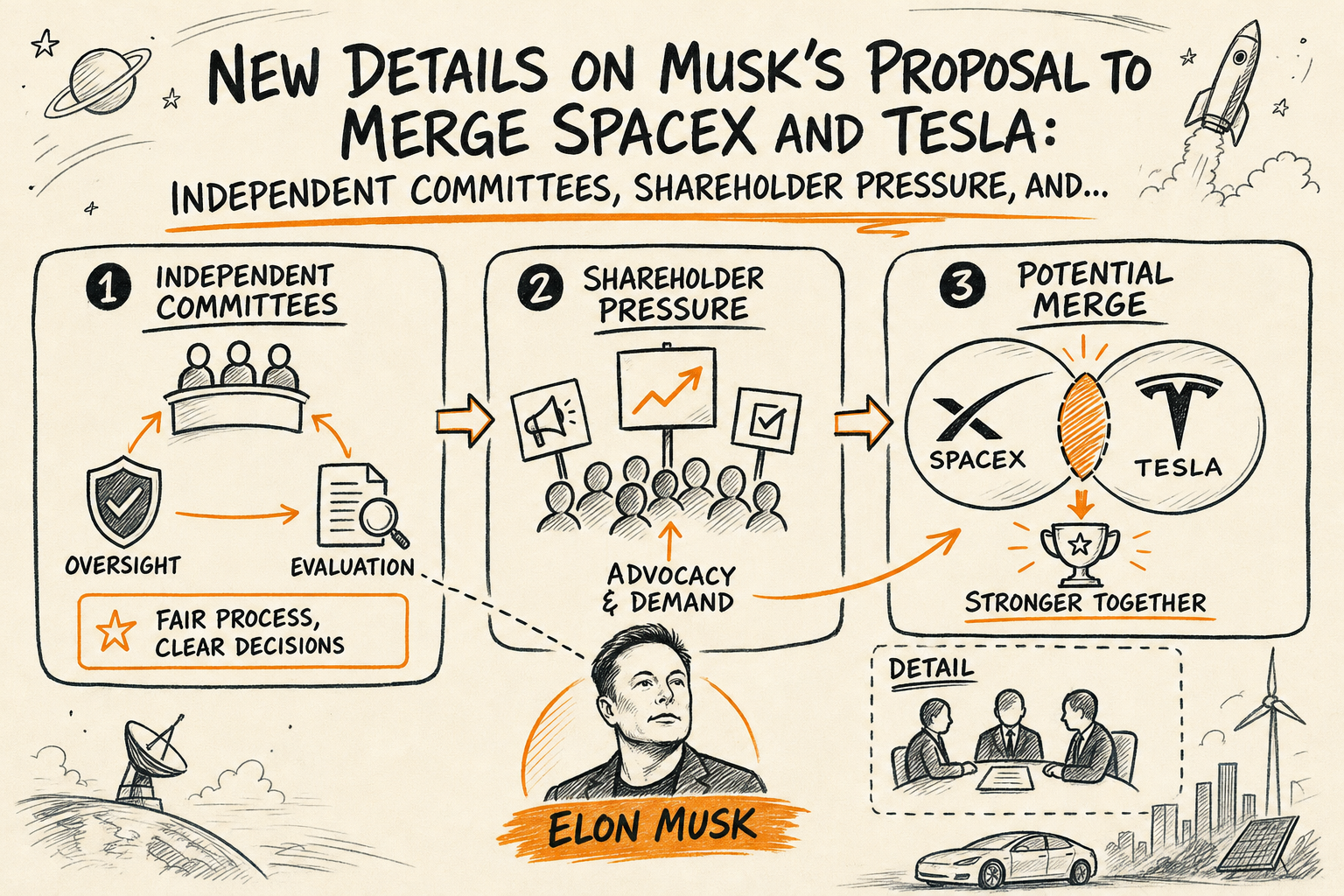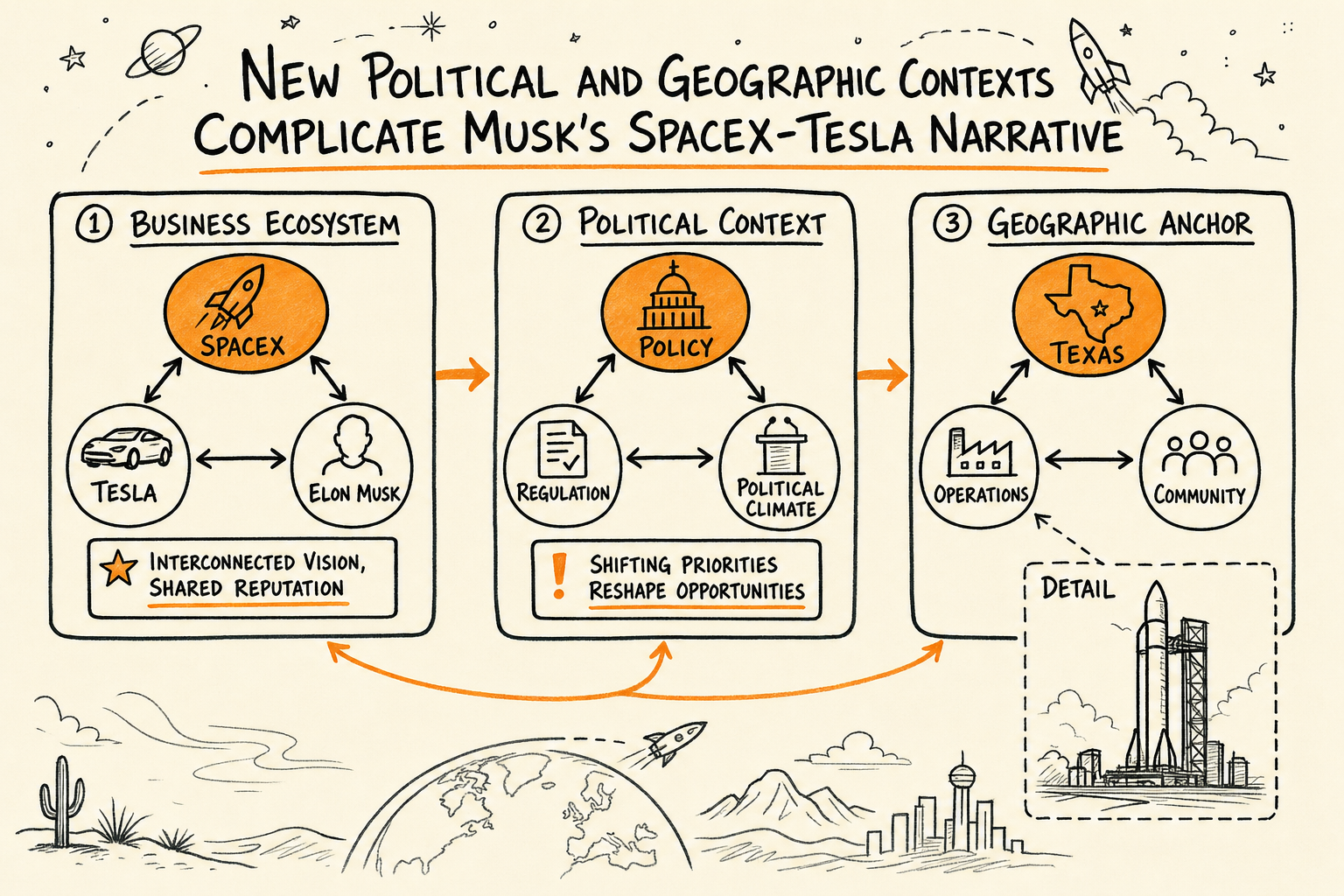
New reporting has surfaced material that complements earlier coverage of talks between the boards of SpaceX and Tesla. The fresh sources do not change the procedural facts about boards forming special committees, but they place that corporate dialogue in a shifted political and geographic context that could affect public perception and regulatory dynamics.
Political pushback and calls for government involvement
One of the new items in public debate comes from a former Clinton administration official who publicly urged Democrats to target Elon Musk if they regain control of Congress. That official, former Labor Secretary Robert Reich, called for Democrats to focus on Musk and advocated government ownership of SpaceX and Starlink, according to reporting on Fox Business. The commentary reflects a political strand that favors more aggressive public oversight or public ownership in response to Musk’s prominent role across multiple technology sectors.
These political voices emerged alongside coverage noting market sensitivity to partisan outcomes. Recent finance reporting indicated investor concern after a reported Democratic sweep, with market commentary tying political shifts to questions about merger prospects and broader technology and AI buildout plans. While that reporting addressed market reactions, the Reich remarks specifically bring a policy prescription—government ownership of SpaceX and Starlink—into the public conversation.
SpaceX’s migration to Texas and a new local political landscape
A separate vein of reporting reviewed Musk’s geographic realignment after his high-profile disputes with California authorities. Publicly documented moves show Musk relocated to Texas in 2020. Over the following years he shifted more SpaceX activity to South Texas: by 2021 he focused the Starship program there and began using the name Starbase for production and launch facilities near the Rio Grande. Musk urged SpaceX employees to relocate to Texas to work on the program.
That move has now intersected with changing local politics. Reporting from Ars Technica noted a “blue wave” in Texas, describing the state’s political shift and asking what that means for Musk and SpaceX now that the region is less reliably aligned with the governor’s previous positions. The coverage framed the relocation as consequential: decisions about where to base major industrial assets carry political implications when local electorates and officeholders change.
Why the new context matters for corporate governance and public debate
Taken together, these developments expand the backdrop for any deliberations by SpaceX’s and Tesla’s boards. Calls from political figures for stronger government involvement or outright ownership of SpaceX and Starlink add a layer of public-policy risk that boards and investors will factor into strategic decisions. Meanwhile, SpaceX’s physical concentration in South Texas and the state’s evolving politics change the local regulatory and political environment that has a direct bearing on launch operations and community relations.
These new threads do not provide new corporate details about a potential merger, special committees, or board actions; rather, they illuminate the political, geographic, and public-policy forces that now surround the companies and that may influence stakeholder assessments as those corporate conversations proceed.